What Does Revelation 6:5 Mean?

◄ What Does Revelation 6:5 Mean? ►

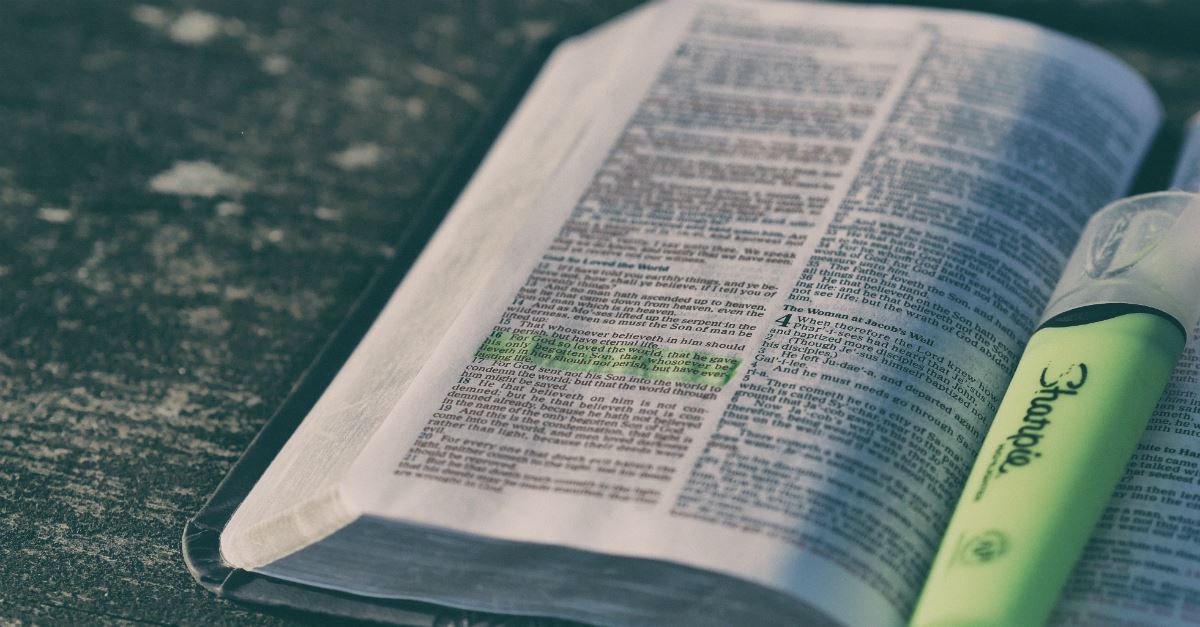
When He broke the third seal, I heard the third living creature saying, “Come ” I looked, and behold, a black horse; and he who sat on it had a pair of scales in his hand.

Revelation 6:5(NASB)

Verse Thoughts

The Lamb on the throne was the only One Who was worthy to open the seven-sealed scroll and set in motion the full force of God’s judgement and wrath, on a world, that not only rejected the Father, and the Holy Spirit, convicted the world of sin, righteousness, and judgement, but they also rejected the Lord Jesus Christ – the second Member of the Godhead, Who came to earth as a Man, to pay the ultimate price for the sin of the world. They even rejected the One Who gave His life as the ransom price for mankind, and spilled His blood so that whosoever believes on HIM would not perish but receive life eternal.

The breaking of the first and second seals caused the first two horsemen to be released into the world. The first rider sits on a white horse heralding a false peace, while the second horseman brings in his wake a great and bloody war, that wlll kill a fourth of mankind. The third rider to appear on the prophetic page of future history, will ride a deathly dark black horse.

As with the first two horsemen, this third rider came at the command of the third living creature, who cried, “COME”. “When the Lamb on the Throne broke the third seal, I heard the third living creature saying, “Come!” Once again John looked, “and behold, a black horse. And the one who sat on it had a pair of scales in his hand.”

As each rider is summoned onto the world stage, we discover a terrible time of trouble unfolding – a time of destruction, death, and tribulation, such as has not occurred since the beginning of the world until now, nor ever will do so again. Each rider carries in his hand an implement that dictates his nefarious role as the 70th week of Daniel begins to unfold. “I looked,” John began as he wrote  in his little book “I looked, and behold, a black horse; and he who sat on it had a pair of scales in his hand.”

While the bow without an arrow identified the first rider, as the one who would usher in a false peace, and the great sword of the second horseman depicted war and bloodshed, the third rider held in his hands a pair of scales – representing unprecedented famine. His shocking announcement of terrible food shortage, worldwide, was confirmed, as something like a voice from the centre of the four living creatures said, “a quart of wheat for a denarius, and three quarts of barley for a denarius.

In the time of John, the wages a worker received for one day’s work, was one denarius. Indeed, the price for a meagre quart of wheat, or three quarts of barley was also one denarius. So great was the famine and so low were a man’s wages, that the food they could purchase would not suffice the hunger of one person for one day.

This future famine that will be ushered in by the third horseman of the apocalypse, will bring unimaginable poverty as this tremendous famine spreads worldwide, when that rider on the black horse bursts onto the world stage. No doubt the war that precedes the famine, will compound its destructive effects, causing both rich and poor to suffer tremendously, as panic spreads… and the evil activities of the antichrist places colossal economic element and cripple constraints throughout the whole world.

While many view the four horsemen of the apocalypse as the end of the world and a time to fear, we should never forget that the focus of the book of Revelation is the revealing of JESUS CHRIST. He is the One Who is coming to right all wrongs. He is the One who is will punish the wicked and restore justice, peace and prosperity to a sinful world, that has lost its way. He is coming to judge the world in RIGHTEOUSNESS and to set up His glorious kingdom on earth. Jesus is coming to place all God’s enemies under His feet.

We must never forget that our God is a God of LOVE, Who became a MAN to redeem this cursed world and save the fallen race of humanity from their sin, through the sacrificial death of His only begotten Son. However, because He is a God of justice, all sin MUST be punished. But instead of punishing the entire human race in the eternal ‘Lake of Fire’, He determined to redeem ALL who would trust in Him and to pour out His wrath, for only 7 years, on a God-hating, Christ-rejecting, Anti-Semitic, sinful world, that has systematically persecuted generations of God’s people.

May we never forget that the Great Tribulation is the period of time when a multitude without number will turn from sin to faith in Christ. It is the time when the nation of Israel will finally recognise their Messiah and call on the name of the Lord for salvation. While we shudder at the horrors that must be poured out on this sin-sick, fallen world may we rejoice that through it ALL, God will be glorified and countless multitudes will be brought to repentant faith in Him.

But until the Church is removed from the earth, prior to this time of great trouble – The Great Tribulation, let us redouble our desire to proclaim the truth of the gospel of grace to those with whom we come in contact and let us pray for God’s mercy and grace to fall on the race of man.

D

My Prayer

Dear Lord, and heavenly Father, thank You that Jesus has won the victory over sin and Satan and that the terrible evil that will be perpetrated by the four horsemen of Revelation will turn the hearts of many to repent of their sin and call on the name of the Lord for salvation. Thank You that we live in this dispensation of grace and are not appointed to wrath. But Father, there are many unsaved in the world today, who need to know Jesus as Saviour. We pray, that in Your goodness and grace, You would bring more souls into His kingdom, before the Church is removed, the seven-sealed scroll begins to be opened, and the world is judged in righteousness, by the Man Christ Jesus – in Whose name I pray, AMEN.

God and Coronavirus: Is It a Sign of End Times?

God and Coronavirus: Is it a Sign of the End Times?

  • Dr. Roger BarrierPreach It, Teach It
  • 202012 Mar
  • COMMENTS3

God and Coronavirus: Is it a Sign of the End Times?

Dear Roger,

I’ve been so terrified about Coronavirus! Why would God let this happen? Is this a sign of the End Times?

Sincerely,
Jamie

Dear Jamie,

I’m so glad you asked!

I grieve for those who have lost their lives from this disease. I also want to comfort those who have been traumatized by fear over coronavirus and its effect on our day-to-day lives and well-being.

However, we can learn much about God and our relationship to Him through this challenge. In our information age, we have global hourly updates about plagues, natural disasters, government coups, and economic volatility.

When the Spanish Flu killed 100 million people in 1918-1920, very few people had any idea what the disease was and how it impacted others.

The CDC estimates that 32 to 49 million Americans contracted influenza this past year and 20,000 to 50,000 died. That’s fairly on par with a typical season, and well below the CDC’s 2017-2018 estimates of 48.8 million illnesses, 959,000 hospitalizations and 79,400 deaths. Estimates on deaths are difficult to analyze because many inflicted had multiple health issues.

This is why Coronavirus is scary. It’s scary because it makes us look at our own mortality.

If you know Jesus, you have no reason to fear that. That being said, my next-door neighbor is a virologist, and it’s always wise to be thorough in following proper precautions. Be wise.

The Bible has a lot to say about “pestilence” and our response to it! The word translated “pestilence” is often translated as “plague” or “disaster” in new versions of the English Bible.

God is calling us to Himself.

I’d like to offer answers to three questions.

  • Is Coronavirus a sign of the End Times?
  • What does the Bible say about God and disease, and how do we respond?
  • How do we find peace and protection in the midst of the storm?

Is Coronavirus a Sign of the End Times?

Jesus often described the End Times as being “birth pangs.” Just as labor pains grow stronger and closer together, God will allow escalation in trials of all kinds to bring men to Christ. In fact, the purpose of the Tribulation itself is to bring pressure for men to surrender to Jesus and find salvation.

Jesus describes End Time events in Matthew 24, Mark 13, and Luke 21. Here’s what Jesus said in Luke 21:

“Master!” they exclaimed. “When? And will there be any warning ahead of time?”

He (Jesus) replied, “Don’t let anyone mislead you. For many will come announcing themselves as the Messiah, and saying, ‘The time has come.’ But don’t believe them! And when you hear of wars and insurrections beginning, don’t panic. True, wars must come, but the end won’t follow immediately— for nation shall rise against nation and kingdom against kingdom, and there will be great earthquakes, and famines in many lands, and epidemics, and terrifying things happening in the heavens.” ESV

The passage further describes persecution of Christians (and Jews in context).

Christ encourages us four ways: don’t be deceived or surprised, don’t panic, be patient and witness (verse 13). “This will be your opportunity to bear witness.” Jesus is coming.

For more details, read my article on preparing for End Times.

Photo Credit: ©Unsplash/Jakob Owen

Why Does God Allow Coronavirus and Other Catastrophes?

The world is broken. We are sinful. Because Adam sinned, we are in mortal bodies. Death is inevitable. But we need not fear. Paul writes in 1 Corinthians 15:21:

“For since [it was] by a man (Adam) that death came [into the world], it is also by a Man (Jesus) that the resurrection of the dead has come.” AMP

We live in a fallen world. If we know Christ, we can have hope and joy.

Let’s look at seven reasons God sends disease and trouble in the Bible:

1. To Accomplish His Purposes

God used plagues to deliver the enslaved Jews from their Egyptian overlords. (Exodus 9:8-11).

God will also pour out plagues during the Tribulation to bring God-rejecters to faith in Christ. The way coronavirus spreads quickly from person to person is a foreshadowing of the way God will pronounce judgment in Revelation.

Revelation 9:15-19
“By these three plagues a third of mankind was killed, by the fire and smoke and sulfur coming out of their mouths. The rest of mankind, who were not killed by these plagues, did not repent.”

How does God accomplish His purpose in our day? Through Jesus’ death and resurrection. Isaiah 53 tells us Christ bore our sins and diseases on the cross. We receive grace and not judgment when we believe in Him.

2. To Teach Obedience

Moses proclaimed the blessings of following Jehovah and the consequences of forsaking Him to teach obedience to the Israelites. In Deuteronomy 28, Moses promises children, wealth, food and safety. He warns that if Israel refuses to listen and obey, He will curse them instead.

Jesus learned obedience through the things that He suffered, and so can we!

Hebrews 5:8 ESV
“Though he were a Son, yet he learned obedience by the things which he suffered.”

3. To Oppose Pride

God called King David “the man after God’s own heart.” But the consequences of David’s sins didn’t only impact his family. David proudly counted his army, defying God’s strict warning to humbly trust Him. So, David had three punishments from which to choose to pay for his pride: three years of famine, three months of defeat from enemies, or three days of plague. (2 Samuel 24:13).

God relents when we humble ourselves.

James 4:10
“Humble yourselves under the mighty hand of God that He may exalt you.”

4. To Abolish Idolatry

God hates idolatry (Exodus 20:3). Idolatry in our day usually revolves around money. Ezekiel 7 prophesies the destruction of the Jewish economy (buying and selling) to call His people to put away idols.

Jesus said “You cannot serve two masters: God and money. For you will hate one and love the other, or else the other way around.” (Matthew 6:24) TLB

God is our provider. Jesus said God cares for sparrows and flowers. Of course He cares for us! We must trust Him and not rely on our own intellect or strength.

Time and time again, God relented when His people learned to put Him first.

Photo Credit: ©GettyImages/Aaron Amat

5. To Teach Gratitude

The Jews complained to Moses about manna. They demanded meat. God answered their ungrateful prayers and sent them quail. He also punished them with a poisonous plague. (Numbers 11:31-33)

Those who worship with thankful hearts receive God’s blessing.

Psalm 103:2-3
“Praise the Lord, my soul, and forget not all of his benefits, who forgives all your sins and heals your diseases.”

6. To Defend His Holiness

The Philistines captured the Ark and sent it to Ashdod instead of returning it to Israel. God taught them a lesson by sending them rats and hemorrhoids! (1 Samuel 5:6).

But Jesus reconciled us to God by His death on the cross. He has made us holy:

Colossians 1:20-22
“Once you were alienated from God and were enemies in your minds because of your evil behavior. But now he has reconciled you by Christ’s physical body through death to present you holy in his sight, without blemish and free from accusation.”

7. To Reveal His Power

God permitted Satan to inflict disease upon Job so that He could reveal His majesty and power Himself to His faithful servant (Job 42).

Paul assures us that He reveals His power through our weak bodies.

2 Corinthians 4:7 TLB
“But this precious treasure—this light and power that now shine within us—is held in a perishable container, that is, in our weak bodies. Everyone can see that the glorious power within must be from God and is not our own.”

How Do We Find Peace and Protection amidst Pandemic?

Philippians 4:6 TLB
“Don’t worry about anything; instead, pray about everything; tell God your needs, and don’t forget to thank him for his answers.”

Turn off the news. Focus on Heaven. Pray specific, honest prayers and live with a thankful heart. Here are three positive things you can do right now:

Photo Credit: ©Sparrowstock

1. Pray with Others

Solomon’s classic prayer for Israel is still effective today.

“If my people who are called by my name humble themselves, and pray and seek my face and turn from their wicked ways, then I will hear from heaven and will forgive their sin and heal their land.” 2 Chronicles 7:14. (Note: God calls us to pray together as well as independently).

God even spared the brutal, pagan people of Ninevah when they repented, fasted, and prayed in the days of Jonah.

2. Patiently Ask God for Wisdom

Don’t be foolish. God can show you a specific plan to follow during this time. (James 1:2-6)

Don’t try to squirm out of your problems. For when your patience is finally in full bloom, then you will be ready for anything, strong in character, full and complete.

James 1:4-6 TLB
If you want to know what God wants you to do, ask him, and he will gladly tell you, for he is always ready to give a bountiful supply of wisdom to all who ask him; he will not resent it.”

3. Rest in God’s Care

My daughter has a compromised immune system. Every week, a nurse arrives to administer her 8-hour infusion. She suffers migraines, nausea, and intense pain for the next two days. Today she has contracted yet another respiratory infection. The doctor called this morning to tell her she also has two other painful complications.

But Brie lives her life with a happy heart. She prays honestly about her fear and grief, but she continues with faith and joy. She continues in ministry and cares for her family.

How does she cope with the fear of yet another infection? Psalm 91:2-14 has been her favorite passage since childhood. She sees God has her loving, powerful protector:

“God alone is my refuge, my place of safety; he is my God, and I am trusting him.  For he rescues you from every trap and protects you from the fatal plague. He will shield you with his wings! They will shelter you. His faithful promises are your armor. Now you don’t need to be afraid of the dark anymore, nor fear the dangers of the day; nor dread the plagues of darkness, nor disasters in the morning.

Though a thousand fall at my side, though ten thousand are dying around me, the evil will not touch me. I will see how the wicked are punished, but I will not share it. For Jehovah is my refuge! I choose the God above all gods to shelter me. How then can evil overtake me or any plague come near? For he orders his angels to protect you wherever you go. They will steady you with their hands to keep you from stumbling against the rocks on the trail. You can safely meet a lion or step on poisonous snakes, yes, even trample them beneath your feet!

For the Lord says, “Because he loves me, I will rescue him; I will make him great because he trusts in my name. When he calls on me, I will answer; I will be with him in trouble and rescue him and honor him. I will satisfy him with a full life and give him my salvation.”

What Does Titus 2:13 Mean?

◄ What Does Titus 2:13 Mean? ►

looking for the blessed hope and the appearing of the glory of our great God and Savior, Christ Jesus,

Titus 2:13(NASB)

Verse Thoughts

We are living as aliens in a foreign land, for our citizenship is not of this world. We have been made co-heirs of the King of Glory, by faith, and our home is in heaven. We are part of the new creation in Christ and are looking for that blessed hope, and glorious appearing of our great God and Saviour, the Lord Jesus Christ.

The Blessed Hope, in this verse, is referring to the rapture of the Church, when Jesus Christ’s appears in glory to take those, who are members of His mystic Body, from the earth into heavenly places. We are taken into His presence in a moment – in the twinkling of an eye, before God can pour out His wrath on a godless world, during the Great Tribulation. He will remove Christ’s Body, which is the Church, at His appointed time and return to working through His people Israel, when the gospel of the Kingdom will be preached throughout the world.

This Blessed Hope, when we are taken to be with Jesus, at the resurrection of the dead – the rapture of the Church, is a right and a privilege that is given for ALL who are saved by grace through faith in Christ. And when He appears we shall be like Him for we shall see Him as He is. Hallelujah!

The Blessed Hope of our great God and Saviour should motivate all believers to godliness and promote each child of God towards joyful anticipation of His imminent arrival. Watching and waiting excitedly for His soon return should inspire us to work the work that God has given us to do. Day by day we should look for Him and be ready to welcome Him, so that we will not be ashamed at His coming.

While there are certain Christians that consider that the Church will have to go through part or all of the Great Tribulation, the pre-millennial, pre-tribulational teachings is the only one that can honestly claim to be continuously watching and waiting expectantly, for the imminent arrival of Christ in the clouds, to take us to be with Himself.

Nowhere in Scripture are we told to look for the antichrist or identify the tribulation period. We should not be exercising “newspaper eisegesis”, where we read into Scripture what we think it says. We should be undertaking true, “biblical exegeses” of Scripture, where we take to heart the truth that God’s Word is teaching us – literally, historically, grammatically and in its correct context.

Although we are to make wise preparations and make plans for the future, we are not instructed to become ‘tribulation preppers’ or store-up sufficient food to last us through the seven bad years of Daniel’s 70th week. And although there has been persecution of the Church throughout this dispensation, the specific persecution of the Tribulation saints, about whom we read in Revelation – i.e. that multitude without number, refers to those who are saved in the midst of Daniel’s 70th week.

We believe Jesus Christ is soon to return and have been instructed to look for Him eagerly, longingly, lovingly and expectantly. We should be waiting for Him to come once again from the eternal realm, into our current dimension of time. What a day that will be! We are to be in that permanent posture of eager expectation, knowing that His return for His bride holds fast, under the never-failing, authoritative Word of God.

We may not know the exact details of His re-entrance into this earthly sphere, for God alone knows the day and the hour of His coming. But should not the mystery that enshrouds His return, heighten our eager anticipation, as we wait for His any day return? Should not the suspense of this prophesied fact thrill our hearts with overwhelming joy? Should not knowledge of His imminent reappearance prompt each of us towards godly living and prudent preparations? This glorious appearing is called that Blessed Hope, for which we are all looking with eager expectation.

The Blessed Hope for which we look, and for which we long, is not the fatalistic, fanciful, fingers-crossed hope of the world, that leaves in its wake hollow emptiness and unfulfilled desires. Our Blessed Hope is knowledge of the truth intertwined with the ‘stuff’ of faith, which trusts God’s Word as fact, and treats the heavenly things, (in the spiritual realm), that are invisible to our physical sight, as indisputable reality.

As we see the day of His glorious appearance advancing quickly, in both the physical world and our own walk of faith, may we be those that stand fast and watch intently for His soon return, as we look for that Blessed Hope and the any-day appearing of the glory of our great and gracious God – Who is Jesus Christ, our Saviour and Lord.

B

My Prayer

Father God, thank You for that Blessed Hope that we have in Jesus. I pray that I may be ever looking to Him in the knowledge that He has promised to come to take me to be with Himself in the heavenly realm. In Jesus’ name I pray that in Your way and in Your time, He will return for His Church and that I would be ready. I pray that the hope that I have in Him would be reignited daily as I look for His soon return. Thank You, Father, and to HIM be praise and glory, might, majesty, dominion, and power both now and in the ages to come – Maranatha! Come, Lord Jesus, AMEN.

This Too Shall Pass Is It In The Bible?

‘This Too Shall Pass’ Is in the Bible, Isn’t It?

Bethany Verrett

Wednesday, March 11, 2020

So many words of wisdom, turns of phrases, and colloquial sayings become a key element of culture. Some come from Shakespeare, some from Benjamin Franklin, others from the Bible. Many are so ubiquitous their origins are vague, hard to identify, or entirely unknown.

In the age of social media, it is easy to misattribute a saying to the wrong source. Often, sayings that evoke wisdom from the Psalms or the Sermon on the Mount become Biblical, not because they are, but because they seem Biblical to those who do not read the Bible, or do not read it frequently.

“This too shall pass” is such a phrase.

Photo credit: ©Getty Images/max-kegfire

Where Did the Phrase ‘This Too Shall Pass’ Actually Come From?

This saying gained popularity in the west in the 19th century after being used by Edward Fitzgerald in his 1852 poem “Solomon’s Seal.” It was then paraphrased by Abraham Lincoln in a speech before his presidency. Once it entered the zeitgeist, over time, people began saying “this too shall pass” and attributing it to many varying sources of wisdom, but most especially the Bible.

But the phrase is far older than the 19th century, and the older an expression is, the more difficult it is to attribute it to the correct source. This phrase is most commonly attributed to the Middle East, generally Persia, Turkey, or Israel. The idea is also a theme in Sufi (Islamic mysticism) writings, mostly on wealth and temporary state of power and status.

Persian poet Suft Farid al-Din wrote a story about a wise king in the thirteenth-century who asked a group of wise men what will make him happy, and “this too shall pass” is the answer they devise.

There is another school of thought that roots the saying in Jewish literature where King Solomon requests a wise man seek a magic ring. The point of the story is to humble the counselor, as no magic ring existed, and the one found instead has “this too shall pass.” In another version of the story, a sultan asks Solomon for a piece of wisdom that would hold true during times of plenty and times of little, and the wise king responded, “this too shall pass.” There is no Biblical basis in Jewish or Christian Scripture for this origin story – instead it comes from folklore.

It is not unusual for common sense pieces of wisdom to arise in different cultures. In the tenth century, an Anglo-Saxon poem invokes this piece of wisdom similar in nature to “this too shall pass.” Translated from the medieval language, the saying from Deor’s Lament approximates to, “that passed away, this also may.” In context, the saying is a refrain that comes after a series of verses that describe a tragic situation. The saying is an acceptance of the temporal nature of man. The saying accepts that tragedy comes and goes in human existence.

Photo credit: Pexels/Suzy Hazlewood

What Does the Bible Say about Suffering and Endurance?

While the Bible does speak about how earthly things and states of being are temporary, the reason we are to endure is different than in the ancient sources for “this too shall pass.” 

In the Bible, believers are called to endure for a purpose. Endurance is necessary to overcome the trials of this life. It is necessary to spread the Gospel. It is important because if the believer endures to the end, there is glory with the Savior in eternity. “This too shall pass” calls to endure because there will be a temporary reprieve from a current state of suffering before the next one comes. Often, the Bible discusses suffering and endurance together. To develop and cultivate one, a person must experience the other, but it is all for a purpose.

Verses about suffering and endurance do acknowledge that hard moments pass, but their context is different.

Some Bible verses about suffering include:

John 16:33 “I have said these things to you, that in me you may have peace. In the world you will have tribulation. But take heart; I have overcome the world.”

These words come directly from the Lord Jesus. He acknowledges that believers must share in trials and hard times. They will endure, because Jesus has already won the victory over death – a victory in which they will share. The tribulation shall pass away, and it is assured.

Hebrews 13:6 “So we can confidently say, ‘The Lord is my helper; I will not fear; what can man do to me?’”

The writer of Hebrews acknowledges the difficulties of life. In fact, there is an expectation not only of financial woes, marital discord, and loss, but of persecution and perhaps even martyrdom. Yet there is neither fear nor worry. These trials are small in the face of a mighty God, and the promise of eternal life.

Romans 2:2-5 “Through him we have also obtained access by faith into this grace in which we stand, and we rejoice in hope of the glory of God. Not only that, but we rejoice in our sufferings, knowing that suffering produces endurance, and endurance produces character, and character produces hope, and hope does not put us to shame, because God’s love has been poured into our hearts through the Holy Spirit who has been given to us.”

These verses fly in the face of worldly expectations. Not only does it acknowledge the suffering and trials of the world, but that believers can rejoice in their trials because it produces endurance, good character, and increases hope. Unlike the phrase “this too shall pass,” Paul’s words of wisdom do not merely accept suffering as an inevitable part of the life-cycle, but a source of personal improvement that brings the individual closer to God.

Philippians 3:8,12 “Indeed, I count everything as loss because of the surpassing worth of knowing Christ Jesus my Lord. For his sake I have suffered loss of all things and count them as rubbish, in order that I may gain Christ … Not that I have already obtained this or am already perfect, but I press on to make it my own, because Christ Jesus has made me his own.”

Many theologians believe Paul wrote this from prison towards the end of his life. He had lost much and suffered much. But for Paul, everything he lost was worthless in the face of the magnitude of who Jesus is, and what He has done for us. He chose to press forward in his faith, striving to be more Christ-like, because He was now a part of the family of God. This attitude toward suffering, embracing it as something in which the believer can glorify the Lord, is an important part of spiritual growth. It is not just enduring the pain, but using it for God’s glory.

Photo credit: ©Getty Images/milkos

Is the Phrase ‘This Too Shall Pass’ Biblical?

While the mantra is not from the Bible, nor should it be used in place of scriptural truth, it is not an entirely untrue statement. In the Book of Ecclesiastes, the writer – King Solomon, son of David – contemplates the state of man, and how the things of this world are temporal. The most famous of these meditations is found in the third chapter:

“For everything there is a season, and a time for every matter under heaven: a time to be born, and a time to die; a time to plant, and a time to pluck up what is planted; a time to kill, and a time to heal; a time to break down, and a time to build up; a time to weep, and a time to laugh; a time to mourn, and a time to dance; a time to cast away stones, and a time to gather stones together; a time to embrace, and a time to refrain from embracing; a time to seek, and a time to lose; a time to keep, and a time to cast away; a time to tear, and a time to sew; a time to keep silence, and a time to speak; a time to love, and a time to hate; a time for war, and a time for peace” (Ecclesiastes 3:1-8).

In these verses, Solomon meditates on how the phases of life do not last. God ordains seasons for the climate, and seasons during a person’s life. In fact, the Book of Revelation states that after the judgment and the creation of the new heaven and the new earth that, “He will wipe away every tear from their eyes, and death shall be no more, neither shall there be mourning, nor crying, nor pain anymore, for the former things have passed away” (Revelation 21:4). After this passing away, the old shall truly have gone away, and eternity in heaven will be spent joyfully glorifying the Lord.

While the idea of a current state passing away is not unbiblical in the strictest sense, since it does not state anything overtly contradictory to God’s Word, but as previously stated, the context and full meaning of the saying “this too shall pass” is not the same.

Photo credit: Unsplash/Aaron Burden

Why Do We Think This Is a Bible Verse?

It is easy to understand why this saying is found in the Bible. It reflects themes and ideas that are present. In fact it is commonly attributed to 2 Corinthians 4:17-18: “ For this light momentary affliction is preparing for us an eternal weight of glory beyond all comparison, as we look not to the things that are seen but to the things that are unseen. For the things that are seen are transient, but the things that are unseen are eternal.”

It does speak of the passing of old things for a new eternity. However, once this new eternity starts, it will not pass. In the age of social media, it is easy to come across a misattributed quotation, and not question the source. Bombarded with information, it becomes harder to find confirmation of sources, especially for common myths and mistakes.

The easiest way to combat these concerns when it comes to whether or not something is from the Bible is to get more familiar with the Word. Making daily Bible study a priority, memorizing Scripture, and always double-checking against Scripture itself. With online Bible tools and apps, it is easier than ever to search for a verse in multiple translations to see if it is actually in the text.

The stronger grasp a believer has on the Word, the stronger that person’s walk with the Lord will be, and the better a defense and explanation of the faith that person can give.

James 3:10 and What It Means To All People?

James 3:10 and what it Means to All People

       C Praise The Lord Saints!!  Praise The Lord Everyone!! How are all of you doing today?  Fine, I hope.  I have a very serious question to ask all of you.  What Does James 3:10 Mean?  The answer is as follows:  We are not supposed to use language that goes against God’s Purpose.  The Bible verse says: Out of the same mouth proceeds blessings and cursing.  My brethren, these things ought not so to be. 

D

   This means that we are not supposed to bless others and curse out of the same mouth.  I actually understand this Bible verse because it enables me to keep my mouth shut, if I have something nasty to say out of my mouth to another person.  You see something, all human behavior is learned!!  This is a fact!!  I want to say that I have learned how to use vulgarity at an early age.  This is simply because my mother and stepfather were raging alcoholics.  This is the reason why I spent a lot of time with my grandparents.  My grandmothers rarely used vulgarity. 

Next, I want to say that I have learned a whole lot of other stuff from being around my friends from school.  I remember when I was 9 years old, I was hanging around my friends, and they started using language that was unfitting to the Lord.  I understand when people get mad, they tend to say things out of their mouths that they do not mean.  However, if I have to say something bad towards other people, I will walk away from you.

E

        Further, I want to inform all of you that it is not easy to suppress your angry feelings.  I know for me personally, those who literally know me, will tell you that I do not like to use bad language towards anyone.  I want to inform all of you that in Proverbs 15:1 says: A soft answer turns away wrath, and a harsh word stirs up anger.  This means that if I am respectful towards you, I would like for you to respect me.  I know that this is an imperfect society.  It is that I have to be very careful. 

Moreover, according to Ephesians 4:26 says: Be angry and do not sin, do not let the sun go down on your wrath, or give the devil a foothold.  This means that I always have to govern my own tongue. 

F 

I know that this tongue cannot be tamed in any way, but there are methods that can be applied; so that I am a person of good character.  Even those of good character have a tendency to use language that goes against God.  I have repent of all of my sins on Sunday February 15, 2015.  I know that I have had some moments that we not perfect, however, God has always been with me.

G

 I believe in Jesus Christ, who is my personal Savior.  I believe that Jesus Christ has risen from the dead in 3 days.  He was crucified, and he has died for all of my sins.  I thank Him every single day of the week.  God has foreknew you.  I thank the Lord for saving me, and molding me into the person that I am today.  I know that it is not easy dealing with those who are inside of the world.  I love people so much that I would prefer to walk away from you; if I get into an argument with you.  I love all of mankind.  I love animals, reptiles, insects, cats, dogs, and nature.  I love people in the same way, I respect God’s Creation.  May The Lord God Continue to Bless You always and forever.

Tackling The Sickness of Pride Like Naaman

Tackling the Sickness of Pride Like Naaman

Hope Bolinger

Tuesday, March 10, 2020

For those of us who attended Sunday school as kids, we may have heard a story about Naaman. This man, who had leprosy, washed himself in the Jordan river seven times, according to what Elisha the prophet instructed him to do, and he found healing (2 Kings 5).

But Sunday school didn’t often cover the historical context of people such as Naaman. Nor did we often explore the concepts of humility, salvation, and how the story of Naaman ties into our understanding of the Gospel.

We’ll dive into all of these as we uncover the personhood of a proud Syrian man who came to the prophet Elisha for healing.

Photo credit: ©Getty Images/AaronAmat

Who Was Naaman?

We do know a few things about this Syrian man. First, he had a decent amount of wealth, as we learn in 2 Kings 5:1. We also discover that he lead the Aram army as a commander. Aram resides in present-day Syria.

Although he was a successful and valiant soldier, he had one ailment: leprosy. This term in the Bible can refer to a number of skin diseases but often rendered whoever had it a social pariah. In essence, this disease kills nerve endings, so those who have it don’t feel pain when limbs disfigure, twist, and deteriorate. Dr. Alan L. Gillen explains this more here for Answers in Genesis.

Those who had leprosy were deemed unclean, and no one would touch them. Often lepers were quarantined in communities away from society, as we see in Luke 17:11-19.

Naaman had everything he could need – except for good health. This meant that even the lowliest of slaves would not go near Naaman.

Frustrated with his condition, Naaman first seeks help from the King of Aram and then seeks help from the prophet Elisha, who had worked a few miracles prior.

He had received word from his servant girl, who was an Israelite captive in Aram, that a prophet had come to Samaria (his land) who could heal a great number of ills. Namaan must have expected preferential treatment as someone with such a high social rank, so when Elisha told him to go wash himself in the Jordan River, he felt insulted. He had come all this way on his chariots only to be told he needed a bath.

Photo credit: Wikimedia Commons/Public Domain Image

Naaman Seeks Special Treatment

Readers should take note of the interesting social mechanics at play in the narrative.

Naaman arrives with chariots to pay Elisha honor. Through his riches and social standing, he hopes to convince the prophet that he is worthy of a healing.

He even stops at the door like a beggar for alms, humiliating himself in hopes that Elisha will return the favor and stoop down and give him a healing.

Elisha sees right through these charades and even sends a messenger instead of going himself (the first insult) to tell Naaman to wash himself in the Jordan River (the second insult). The third insult is that Naaman came all this way only to be told to leave and bathe himself in what would have been a rather dirty and nasty river (2 Kings 5:12).

Through these instructions, the prophet is trying to point out something – that Naaman has an ailment beyond physical leprosy. He also had a problem with pride, and one cannot expect a healing of one’s own desire.

The prophet was showing Naaman that when we have a physical or spiritual leprosy (a leprosy of pride that deadens our conscience), we need to rely on how the Lord plans to heal us, instead of how we envision the healing should go.

Photo credit: ©Getty Images/Khosrork

Why Didn’t Naaman Like Elisha’s “Cure”?

Naaman dislikes the cure for a number of reasons.

First, as a rich man, he had grown used to others doing, well, dirty work for him. The fact that Elisha sent him away to clean himself in the Jordan River felt beneath him.

Second, commoners washed themselves in the Jordan River. As a person of esteem, Naaman expected an esteemed cure. Especially since he had put on a false show of paying Elisha honor and “humbling” himself.

Third, he was used to giving orders, not being ordered. Here he might even think that the prophet Elisha misunderstands him. He needs to be clean of his leprosy, not from any dirt that accumulated on his person.

Nevertheless, his servants convince him to wash in the Jordan River. Once he does so, his leprosy vanishes.

As a means of thanks, Naaman tries to give Elisha a gift. Elisha refuses. However, Elisha’s servant, thinking the prophet should receive some kind of payment for his services, takes two talents (about $800,000) and returns to Elisha.

Angered, Elisha curses his servant, and the servant has Naaman’s leprosy for the rest of his life.

Photo credit: ©Getty Images/fizkes

What Can We Learn from Naaman?

It may be easy to get annoyed with Naaman in the narrative. After all, Elisha gave him the cure he needed. Why did he decide to be picky?

But we can actually see a great deal of ourselves in this Aram commander if we glance closely.

1. God Doesn’t Work on Our Terms

Namaan thought if he said and did all the right things and play-acted enough that Elisha would take pity on him and give him an extraordinary cure.

God does not work “harder” or “faster” if we attempt to do the right things. No matter how much time we devote to community service, give at the communion plate, etc., we can’t bribe God. He will choose to give or withhold cures based on his plan for our lives. Nothing can sway him in one direction or the other.

2. Salvation Works the Same for Everyone

Jesus tells an interesting parable in Matthew 20:1-16. An owner of a vineyard goes out and sees several workers who are in need of a job. Throughout the day, he offers a denarius (a day’s wages) for them to work in his field. He even hires people until the last hour of the working day.

Those who worked the longest think they’ll get a bigger cut. So they wind up disappointed that everyone receives the same pay and begin to grumble.

The parable is supposed to show us salvation. That no matter when someone accepts Jesus as their Lord and Savior, everyone receives the same salvation. We might have some Christians, like the oldest son in the parable of the prodigal son, who get incensed that they didn’t receive a greater award for longer periods of faithfulness.

Here Jesus shows us that he gave us all grace by allowing us to enter the vineyard (the kingdom of heaven). Rich, poor, saved during childhood or saved on our deathbeds, God offers the same salvation freely and willingly.

Just like Naaman in the Jordan River, it requires humility, but it cleanses us of our spiritual leprosy.

3. God Doesn’t See Any Distinctions

It doesn’t matter that Naaman had riches. He couldn’t do anything with his leprosy. Not even the lowest of servants could touch him because of his disease.

Through his humbling cure, Naaman learns that riches and earthly possessions don’t matter (Matthew 6:19-21). After all, we cannot take those possessions with us into heaven. God doesn’t see rich and poor. He sees people in need of a Savior.

Perhaps like Naaman, we’ve attempted to bribe God into working a miracle cure for us on our terms. But just like everyone else, we need the same cure for our spiritual leprosy.

Luckily Naaman listened to his servants, those he considered beneath him, and received a cure for his leprosy by washing in the Jordan River. This river is known to have obeyed divine power in the past (Joshua 3).

And like Naaman, we are in need of a cure, the same cure given to everyone who will have it: salvation.

What Happens During a Seder Meal?

What Happens During a Seder Meal?

Bethany Verrett

Monday, March 9, 2020

The week of Passover is important to believers of both the Jewish and the Christian faiths. It marks important moments in Biblical history in the Old and New Testaments, and encourages meditation and thoughtfulness from the faithful.

In Judaism, one element of Passover that is sometimes – but rarely – incorporated into the Christian observance of Holy Week is the Seder meal. In the Jewish faith, it is an important time to pass on the tenets of the faith to the next generation by remembering and honoring the meal the Hebrews had their last night in Egypt.

Photo credit: ©Getty Images/photovs

What Does the Seder Honor?

In Exodus 12, the Bible recounts God’s final plague in Egypt, and how He spared the Hebrews before their day of freedom. While the Angel of Death came for the first-born of everyone in the land, the Hebrews sacrificed a lamb, put its blood on the doorposts, and waited inside. During that night, God said:

“Then they shall take some of the blood and put it on the two doorposts and the lintel of the houses in which they eat [the lamb]. They shall eat the flesh that night, roasted on the fire; with unleavened bread and bitter herbs they shall eat it. Do not eat any of it raw or boiled in water, but roasted, its head with its legs and its inner parts.  And you shall let none of it remain until the morning; anything that remains until the morning you shall burn. In this manner you shall eat it: with your belt fastened, your sandals on your feet, and your staff in your hand. And you shall eat it in haste. It is the LORD’s Passover” (Exodus 12:7-11).

The Seder meal honors this command from the Lord on an annual basis. It is a time of reflection, family, history and spiritual understanding.

Photo credit: Wikimedia Commons/Public Domain Image

What Are the Parts of a Seder?

The Seder, as it is practiced today, is broken up into fifteen sections. Each section has ritual, or food, or Scripture associated with it. This list with descriptions is not a complete description of each step, but does give enough for people with no Jewish background to understand it.

One significant aspect of the Seder meal is the four cups of wine, which each represent the four promises from God for deliverance in Exodus 6:6-7: “I will bring out,” “I will deliver,” “I will redeem,” and “I will take.”

Another important note is that in the past, a lamb was also sacrificed, but today that is not practiced at Seder meals.

1. Kadesh – Sanctification of the day

A cup of wine or grape juice – the first of four – is filled, and the prayer is said.

2. Urchatz – Handwashing with no blessing

Ritual hand washing is done with warm water, but no blessing is done yet.

3. Karpas – Eating of green vegetables

The blessing is said, “Borei Pri Haadamah” and the vegetables are consumed after being dipped in saltwater. The saltwater evokes bitter tears.

4. Yachatz – Breaking of matzah

Matzah is the unleavened bread – without yeast – made in the tradition of the bread from Exodus. Three pieces of matzah are made, and the middle piece in broken in half and consumed.

5. Maggid – Telling the story in the Exodus

The second cup of wine, or grape juice, is poured, and the story of the Exodus is told.

6. Rachtzah – Handwashing with a blessing

The ritual hand washing is repeated, accompanied by a prayer. It serves as a time to meditate on purification and sanctification.

7. Motzi – Blessing before eating matzah

Two blessings are said over the matzah. The second explicitly mentions the mitzvah – a Jewish commandment – to eat the matzah from the Exodus narrative.

8. Matzah – Eating the matzah

Everyone consumes the matzah.

9. Maror – Eating of bitter herbs

During the first Passover meal, God calls the Israelites to eat bitter herbs. This tradition continues at the Seder meal. A blessing is said, and they are consumed.

10. Korech – Hillel sandwich

The bitter herbs are placed between the matzah and are eaten as a sandwich. This sandwich comes from a Jewish leader from history called Hillel who combined the bread, the herbs and the sacrificed lamb.

11. Shulchan Orech – Eating of the meal

Now a much larger meal is served. Traditionally it involves hard-boiled eggs, gefilte fish, and other traditional meals. The specific foods can vary depending on the country and culture.

12. Tzafun – Eating the afikomen

The afikomen is a piece of matzah hidden earlier during the meal. Once it is found, usually an activity reserved for the small children in the family, it is consumed. After this step, no more food is to be consumed.

13. Barech – Blessing over the eating

A blessing known as Birkat Hamazon is said. It is the Grace after meals. The third cup of wine is consumed, and a cup is poured for the prophet Elijah.

14. Hallel – Songs of praise

This part is a recitation of the songs of praise. These songs include Psalms 113, 114, 115, 116, 117, 118, and 136. After the songs of praise, a portion of a Jewish prayer called the Nishmat.

15. Nirtzah – The conclusion and celebration

The meal concludes with the exclamation, “L’shana haba-a bi-Y’rushalayim” or “Next year in Jerusalem!” Depending on the family, some activities may continue.

Photo credit: ©Getty Images/pushlama

When Are Seder Meals During Passover?

The Seder meal that accompanies Passover begins the celebration of the first of Three Pilgrimage Feasts. Along with Shavuot and Sukkot, Passover is a feast where, historically, the religious individual made a journey to Jerusalem to celebrate. Some Jewish communities will have a Seder meal on the second night of Passover, which usually lasts 7 or 8 days, depending on the religious community. On the lunar Jewish Calendar, the first day of Passover is on the 15th day of Nisan — which correlates to March or April on the Gregorian calendar depending on the lunar cycle.

While Seder meals are usually celebrated by those of Jewish faith, some Christian communities also celebrate a form of the Seder meals. Some may or may not have wine. An important difference for Christians who chose to have a Seder is that they discuss the elements of the meal, and the Exodus story, that point to Jesus Christ, and Easter, which is the end of Passover week on the Christian calendar.

Photo credit: ©Getty Images/photovs

Why Is Passover Connected to Easter?

Easter is considered one of the most, if not the most, important holy day for Christians. It is the day of the resurrection of Jesus Christ, the defeat of death, and the fulfillment of the Old Testament. As a Jewish man, Jesus would have celebrated the Seder meal faithfully during His earthly ministry. Some believe the Last Supper may have been a Seder, though there is some dispute about the timeline.

Some elements of this special observance do correlate to Easter and the resurrection. The lamb that was consumed historically that was slain as a sacrifice foreshadowed the role Jesus played as the final sacrifice for the sins of mankind. Leaven, or yeast, was used by Jesus as a symbol for sin (Mark 8:15, Matt. 16:6), so unleavened bread could symbolize the sinlessness of the Lord Jesus.

This holy week carries great meaning and significance for those of Jewish and Christian faith. The Seder meal begins the Passover week, which ends with Easter, moving from the Jewish calendar to the Christian one – from the Old Testament to the New Testament. Understanding the importance of the Seder meal can help Christians appreciate the Old Testament better and see the deep connections with the songs and prophecies about the Lord Jesus.

What Does Ezekiel 38:4 Mean?

◄ What Does Ezekiel 38:4 Mean? ►

“I will turn you about and put hooks into your jaws, and I will bring you out, and all your army, horses and horsemen, all of them splendidly attired, a great company with buckler and shield, all of them wielding swords;

Ezekiel 38:4(NASB)

Verse Thoughts

The most thrilling stories to be told are those found in the Word of God. Not only are they exciting and dramatic, but they are true. They teach us great lessons and provide us with valuable warnings that affect all our lives. Some speak of battles and bravery that took place in the far distant past. Some describe kings who were brought low or shepherds, who were elevated to positions of high authority and great responsibility.

We discover how God’s plan of salvation was set in motion six thousand years ago. We rejoice to see the amazing unveiling of His plan of redemption, over centuries of time and we offer grateful thanks when we consider Christ’s redemptive work on the cross.

While much of Scripture chronicles past events of significance, others prepare us for astonishing and often supernatural happenings, which are yet to take place in the near or distant future. And in every story, we recognise God’s hand of blessing and His sceptre of righteousness, guiding every event for the benefit of His people and for His greater glory.

In Ezekiel, we are introduced to a fierce, godless ruler called Gog, who comes from the land of Magog in the farthest reaches of the north. He is the prince of places called Rosh, Meshech, and Tubal and he is an evil dictator, who will control a powerful army, that is composed of multiple squadrons of soldiers from many nations and different regions.. and he is a proud and arrogant man who opposes God and all that is good. It may sound like fiction but is a biblical fact.

Gog is a leader, who has yet to be identified on the world scene, but in His wisdom and power, God manipulates his evil schemes to perfect all that the Lord has purposed for His people Israel, the Christian Church, and the world at large. “I will turn you about and put hooks into your jaws,” is God’s warning to Gog and His brilliant strategy… “and I will bring you out, and all your army, horses and horsemen, all of them splendidly attired – a great company with buckler and shield, all of them wielding swords.”  The Lord will allow Gog to undertake his evil attack, but his evil plan will not succeed for GOD is in control!

Ezekiel supplies a list of the many nations that conspire with Gog to attack God’s people, in the beautiful land of Israel. He continues to describe their pre-planned attack, on the recently restored nation of Israel. So numerous are the warriors that align themselves with Gog, that we read, “you will be like a cloud covering the land, you and all your troops, and many peoples with you.”

This prophesied attack on Israel, is designed, by Gog and his evil hordes, to plunder their wealth and render Israel a defeated and crushed nation. But God, Who knows the end from the beginning, will use this great military invasion to glorify His own name. He will use the evil scheme of Gog and the confederation of nations that accompanies him, to display His greatness and His holiness. The Lord will reveal Himself in the sight of many nations. “Then they will know that I am the LORD,”  is His great challenge and mighty declaration.

As we read through the thrilling prophecy of the battle of Gog, the chief prince of Meshech and Tubal, from the land of Magog, we see God’s matchless wisdom; His amazing grace; His almighty power; His righteous acts and His unparalleled omniscience.

In His grace, He tells us the end from the beginning so that everyone can choose the good or suffer the consequences of choosing the evil. In His wisdom, God uses all things together for the good of His people and for the glory of His holy name – even the evil works and wicked schemes of godless men.

In his power, the Lord will execute judgment on Gog, using plague and bloodshed. He will pour out torrential rain, hailstones, fire, and brimstone on His enemy, together with his evil troops and the many peoples who are with him – and none will escape. In the strength of His mighty arm, He will demonstrate His almighty strength before the nations and the people of Israel, and in righteousness, He will judge all things well.

The God of Scripture is its Author and Finisher, and He Himself, is the main Player and the glorious Hero in Scripture. In His grace He caused holy men of God, to record for our learning, what happened in the past and what is going to happen in the not too distant future. In His wisdom, He records history in advance, so that we can trust Him today, and have bright hope for the future.

The Lord has displayed His might, majesty, dominion, and power throughout the history of mankind and showed His amazing and incalculable grace at Calvary’s cross. He has given us His assurance that He will bring all things to His perfect conclusion, so that in the difficult days we face today, we can be assured that He is in full control, and everything He says in His Word, will certainly come to pass.

B

My Prayer

Heavenly Father, thank You that You are in full control of all that takes place in this world and that nothing escapes Your notice. Thank You that You use everything together for the good of those that love You and that You even use the wicked works of the enemy to forward Your own perfect plans and purposes. Thank You that those who conspire to do evil, will not succeed, but will be used to glorify Your holy name. Thank You in Jesus’ name, AMEN.

Did Jesus Descend into Hell?

Did Jesus Actually Descend into Hell?

Ashley Hooker

Sunday, March 8, 2020

Throughout centuries, a hot button topic has arisen in the Christian church. This topic regards the question, did Jesus descend into hell? There are schools of thought that say He did and others that disagree. There is no clear answer to this question in scripture, but, as you study deeper there is a better understanding to be had.

Photo credit: ©Getty Images/Kesu01

Where Did This Idea Originate?

Christianity is a religion that has always undergone scrutiny in some parts of the world. To combat this, kings, emperors, and rulers have convened councils to discuss the issues and resolve contingencies. The result of these councils has been a group of creeds that were statements of faith. Scripture and theologians of the day were referenced to develop these creeds.

The two most well-known creeds in the Christian church are the Nicene Creed and the Apostles’ Creed. Both creeds state similar beliefs, but the one major difference is the statement “he descended into hell” found in the Apostles’ Creed.

The Apostles’ Creed is an expanded version of the Old Roman Creed that was being used as early as the second century. Scholars are not exact on the reasons for creating the Apostles’ Creed. Early church leaders believed the creed was written by the apostles themselves, but we don’t really know.

This statement that Jesus descended into hell is believed to have been added later, around AD 390. This would have been at the same time a bishop named Apollinarius was teaching. He was stating that Jesus was not fully human, therefore, could not be an effective sacrifice for the sins of mankind. At the Council of Constantinople in AD 381, this doctrine was condemned.

There are several thoughts as to why this statement is not in the Nicene Creed. The Nicene Creed was developed at the Council of Nicaea in AD 325. Emperor Constantine gathered church leaders to create a statement of faith in response to the teachings of a man named Arius. Constantine wanted the Christian church to have a statement of faith that would unite each denomination.  This would have been before the addition in the Apostle’s Creed.

Beyond the development of these creeds is the scriptural references that are viewed as evidence that Jesus descended into hell. Most scholars use 1 Peter 18-22 as scriptural evidence to stand upon. This reference along with Ephesians 4:9 develops the understanding that Jesus may have descended into hell after his death on the cross.

Photo credit: Unsplash/Aaron Burden

How Does the Language of the Creed Impact Understanding?

Understanding the text of a document is extremely important. A person must know what the language is and what the words of that language mean. If there is a misunderstanding, the entire meaning of a document or statement can change.

Christians and scholars today must understand that documents from the early church are written in languages that can be hard to translate. When we begin to translate Hebrew or Greek into English, we must be careful.

Hell is referred to in the Old Testament with the Hebrew word Sheol. This word means hell, but it refers to the present Hell. The understanding that those who have died in their sin and are lost will immediately enter this place upon death is what the word Sheol describes.

The reference to hell in the Greek is found in the New Testament. Since the Apostle’s Creed was originally written in Greek, we will focus closely on this language. Translating Greek into English is difficult because two words describe the “abode of the dead.”

The word in Greek that speaks of the place of hell is “Gehenna.” This word describes a final retribution or physical place. The Apostles Creed does not use this word.

In the Apostle’s Creed, we find the statement “he descended into Hell” using the Greek word “Hades.” The word Hades, in Greek, refers to the state of death. It could be translated as “descended to those below.” It does not refer to the place we recognize today as hell – it refers to the physical state of death.

Theological scholar Kenneth West explains this in the following statement regarding 1 Peter 3:18-22.

“It is clear that our Lord as the man Christ Jesus went to a place of the departed dead called in the Old Testament ‘Sheol’ and in the New Testament, ‘hell,’ the word ‘hell’ being the translation of the Greek word ‘Hades.’”

Modern churches have changed the meaning of the words in the Apostles Creed. This is a change that happened as time marched forward. Words in the English language began to have different meanings than their earlier counterparts. Specifically, the word hell began to mean the place where Satan lives. In the languages of the Bible, this was not what hell was.

Today, we can find many churches that don’t recite the Apostle’s Creed. The ones that still do often leave out this phrase.

Photo credit: ©Sparrowstock

What Happened after Jesus’ Death?

The events immediately following Jesus’ death are recorded in Matthew, Mark, and Luke. Each account gives a vivid and clear explanation of these events.

In Matthew 27:50-53 we read that Jesus cried out and gave up His spirit. Then the curtain of the sanctuary fell down and the earth shook. Rocks were split and the tombs of the saints opened up.

Mark 15:38 says “Then the curtain of the Temple was torn in two from top to bottom.”

Luke 23:44-45 states “It was now about noon, and darkness came over the whole land until three, because the sun’s light failed. The curtain of the sanctuary was split down the middle.”

Matthew’s account is the most vivid of the three. In his description, he shares with readers about the earthquake and darkness that was prophesied by Daniel, Elijah, and Zechariah. Even more importantly, Matthew shares that the veil was torn.

The tearing of the veil is mentioned in all three accounts and speaks to the importance of this event. The veil was the separation of the clean and the unclean. It hung in the Temple over the entrance to the Holy of Holies. This place was so holy that no one could enter except the high priest.

In Exodus 26 we learn that on the Day of Atonement, Aaron could enter and place the blood on the atonement seat. The Israelites could not come into the presence of the Lord just anytime. This speaks volumes about the tearing of this veil.

Jesus’ death and resurrection meant that no longer did we have to go through rituals or prepare sacrifices to enter into God’s presence. The ultimate sacrifice had been made. Everything spoken of by the Old Testament prophets had happened.

Photo credit: ©Getty Images/Tanya Sid

Why Do Some People Think Jesus Descended into Hell?

The belief that Jesus descended into hell is found in Christian churches today and many have questioned this. Some just cannot wrap their minds around this concept. Fr. Sev Kuupuo explains why Jesus did descend to hell and what the purpose of His descent was:

“Jesus went to Hell to liberate souls who have been held in prison. The task of Jesus in descending into Hell was for liberation of the Old Testament holy people. Some theologians explain that Jesus Christ went into Hell to experience the full rigor of suffering, which is the full impact for human sin, so as to give a comprehensive atonement for the sin of humanity.”

It is believed that the fulfillment of Jesus atoning for our sins could not happen without Jesus going into the place of Hell. He had to also rescue the holy people of the Old Testament that were awaiting Him in Abraham’s bosom.

R.C Sproul backs this thought up with his statement: “He goes to hell to liberate those spirits who, from antiquity, have been held in prison. His task in hell then is one of triumph, liberating Old Testament saints.”

In conclusion, those who do believe Jesus descended into hell, believe He went there to rescue souls and fulfill the sacrifice for our sins. It is not a belief that He went there and stayed awhile.

Photo credit: ©Getty Images/Tomertu

Why Do Some People Believe Jesus Did Not Descend into Hell?

People who confess their belief that Jesus did not descend into hell have various arguments to prove their case. The most popular is that Jesus was God in flesh. He made the place we know as hell. He banned Satan from heaven to live in hell forever.

If God created hell and determined its purpose, then how could he go there? Wasn’t Jesus holy and in no way could enter this place?

Others have researched this and came to their conclusions based upon what they have learned. They have understood what this statement means. Jesus did descend to hell because this word in Greek means the place of the dead not the place of eternal damnation.

Photo credit: ©Getty Images/nu1983

How Should Christians Respond to This?

This question can have many answers, and opinions will mold those answers. Christians today can struggle with what to do with this statement because they do not live in Greek society. They do not speak Greek. We just don’t know what certain words mean in Greek.

Our response should be to take the time to study the Word. Do some research into the Biblical languages. Ask questions of your pastor or fellow person in Christ. This will help you to understand and process something that is truly beyond our human comprehension.

John Jones of the First Presbyterian church states “no confessional statement should be affirmed without understanding what it means. Understood properly, the Apostles Creed affirms a very important doctrinal truth.”

The Apostles Creed has made a statement that is controversial for some Christians. The key to understanding this statement is to know what the words mean. We must take the time to study before we take a stand on something.

Jesus was the ultimate sacrifice. He was put to death on a cross. He did die and enter a place of the dead. The gloriousness of this is that he did not stay there. He rose again and will return.