Verse of the Day ▼ Devotions ▼ Home Verse Of The Day John 18:6 ◄ What Does John 18:6 Mean? ► So when He said to them, “I am He,” they drew back and fell to the ground. John 18:6(NASB) Verse Thoughts Never forget that the gentle Shepherd of the lost sheep of the house of Israel is God incarnate. He revealed Himself to David as his Shepherd, Who leads us beside still waters; restores our soul; guides us along the path of righteousness, and protects us in the valley of the shadow of death. Never forget that our crucified Lord and resurrected Saviour is the divine Lamb of God, Who takes away the sin of the world. And in a brief word to His captors, Jesus encapsulated all the majesty, dominion, glory and power of almighty God, when He proclaimed, “I AM” in the Garden of Gethsemane. Jesus knew all that was about to take place and asked who they were looking for. They answered Him, “Jesus the Nazarene.” And Jesus boldly declared, “I am He” or ‘I AM’. The Roman soldiers and Temple guards had come to arrest Jesus, with swords and staves and horses, and our Lord identified Himself as the Person for whom they were seeking, but He did so by using the very name of God. Jesus identified Himself to this company of soldiers and Temple guards with the words spoken to Moses at the burning bush – ‘I AM’. Jesus spoke the name of the Lord God Almighty used, with authority. He spoke the name that God used to identify Himself to Moses so many years before – when Moses turned aside to see why the burning bush, on Mount Sinai, was not consumed. No surprise that as soon as Jesus said to them, ‘I AM’, that they all went backward, and fell to the ground. No surprise that when Christ identified Himself as the almighty Creator of the universe, that all who came to arrest Him and accuse Him, immediately backed away and fell down before Him. How dare this motley crew of pious religionists and rude mobsters approach, and challenge this heavenly Man, let alone lay hands upon Him and drag Him off to be falsely accused and cruelly tried by Pilate’s Gentile injustice and the Sanhedrin’s Jewish hatred. Never was Christ’s authority as God more openly displayed to an unbelieving world, than when He stepped forward, during their cowardly approach, under a cover of darkness, and answered with that tremendous, earth-shattering, awesome name – I AM. “I AM Who I AM” was the name that the Lord gave to Moses, so that Israel would know that He was God’s chosen servant to lead His people out of Egypt. “I AM” is the title Christ used to identify Himself as the eternal God and Prince of peace so many times during His earthly walk. I AM the Door of the Sheepfold. I AM the Light of the world. I AM the Bread of Life. I AM the Resurrection and the Life. “Who do YOU say that I AM?” was Christ’s question to the troubled disciples. ‘You are the Christ the Son of the Living God’, was the only answer they could give, for HE had the words of eternal life. ‘I AM the Way and the Truth and the Life. No man comes to the Father, except by ME’. ‘I AM’ is the title Christ correctly attributed to Himself, when He was challenged by that ungodly crowd of pious religionists and rude mobsters, and cause them to fall to the ground, when HE spoke the truth – for He is God’s only begotten Son. He is the anointed Messiah of Israel, Who came into the world to save His people from their sins. Jesus of Nazareth is the everlasting God Who is the same yesterday, today and forever, and He is all that we will ever need – for He is our Kinsman-Redeemer, Who gave His life as a ransom for many, so that all who trust in Him would not perish but have everlasting life. Let us never forget Who the Lord Jesus Christ truly is. He is the only Begotten Son of the Almighty God, Whom He appointed heir of all things, and through whom He made the world. He is the radiance of the Father’s glory because He is the Second Person of the Trinity. He is the exact representation of the Father’s nature and upholds all things by the word of His power. And when He had made purification for our sins, He sat down at the right hand of the Majesty on high, for He also said: I AM – the Good Shepherd, and I lay down My life for the sheep. My Prayer Loving Father, I confess that familiarity with the stories of Jesus and even the gracious, loving-kindness that You have extended to me through my salvation and eternal security, causes me to forget that the Lord Jesus is truly the one and only almighty God, Maker and Sustainer of heaven and earth. Praise Your Holy name for You alone are worthy of praise, in Jesus’ name I pray, AMEN. ◄ Previous: John 17:24 Next: John 18:11 ► Choose a Verse from John 18 12345678910111213141516171819202122232425262728293031323334353637383940 Zephaniah 3:5 1 John 2:11 Galatians 4:19 Romans 12:9 Follow us John 18:6 Further Study John 18:6 in the Parallel Bible John 18:6 in the Thematic Bible John 18:6 Cross References John 18:6 Treasury of Scripture Knowing John 18:6 Sermons John 18:6 Prayers John 18:6 Images John 18:6 Devotionals Choose Chapter Subscribe to the Verse of the day Today’s Devotionals Make Room For The Lord Jesus Revelation 4:8 Luke 24:29 Calvary And Pentecost Am I Carnally Minded? Unconditional Acceptance – Grace Thru Faith- study [11] The Riches Of His Love Doctrinal Statement / Privacy Policy / Use of Pictures / Donate / Contact Us Copyright Knowing-Jesus.com – All Rights Reserved
Philippians 1:21 Meaning
Verse of the Day ▼ Devotions ▼ Home Verse Of The Day Philippians 1:21 ◄ What Does Philippians 1:21 Mean? ► For to me, to live is Christ and to die is gain. Philippians 1:21(NASB) Verse Thoughts Paul’s had a passionate love for His Saviour. He wanted to exalt the Lord Jesus Christ in every area of life. He wanted the beauty and magnificence of His wonderful Saviour to eclipse all else. He rejoiced when the gospel of Christ was proclaimed and wanted to demonstrate that suffering for Christ in this life, would bring his Saviour great praise and glory. Paul’s dear desire was to magnify the Lord and enable the brilliance of the glorious gospel of Christ to shine out over this darkened, sin-sick world. He longed that those who were dead in their trespasses and sins would be attracted to Jesus, and find their great salvation in His Person and Work’. He wanted the good work God has started in the lives of those who believe, to be completed in the day of Christ, for their eternal benefit and God’s greater glory. Paul’s spiritual ambition, earnest expectation, and eager hope was to enhance and elevate Christ in the heart and mind of others. He prayed that he would be emboldened to preach the gospel of God, according to the might of His great power, and Paul longed that the Lord Jesus would be glorified in his body – in thought, word, and deed – whether by the life he lived or the death that he died. Paul’s purpose and philosophy in life was to live for Christ, even when buffeted by storms, maligned by his enemies, confined to a prison cell or facing death. He had one fixed purpose in life, and one unalterable plan – to live for the glory of Christ and to preach the word of truth. Paul was a man who knew that nothing in heaven or earth could separate him from the love of God, which is in Christ Jesus. He knew that his prison bars would not prevent the gospel from being spread abroad. For me to live in Christ and to die is gain was Paul’s firm purpose and his fixed delight. Paul’s motivation in life was to elevate Jesus. But when he wrote these words he was incarcerated in a Roman prison cell, with the sentence of death hanging over him. “For me to live is Christ, was this man’s non-negotiable future, and yet he knew that death was the gateway into the bodily presence of Christ. Even a Roman gallows could not prevent him from entering into heaven, and so he was able to conclude, “and to die is gain”. I doubt Paul would have understood the impact his letter to the Philippian Christians, and his other epistles would have, on many millions of souls, down through the centuries. Paul may have been confined to a prison cell, but his hope remained founded on Christ. And God used his night of suffering to be turned into many mornings of joy, for those who have treasured the words he wrote. “For to me, to live is Christ and to die is gain”. Although his passion was to preach Christ crucified and to bring as many lost souls into a saving knowledge of his Lord and Saviour, Paul also knew that to be absent from the body was to be present with the Lord. What freedom to be able to say that whether I live or die, Christ is mine, and whether in heaven or on earth, Christ is my portion and I am content. Living for Christ, whether in heaven-above or in the earth-beneath are both filled with great advantages – when love for our Saviour and serving Him is our sole ambition and passionate aim. The unbeliever holds onto the things of this deteriorating world system, and death is often seen as an enemy to avoid. The future hope of fallen man is tied up with the things of this world and death is seen as the spoiler of life But the sting of death is removed for the believer, and life becomes an opportunity to serve Him – while death is the occasion to be translated into His presence and be with Him forever. The sole aim of every Christian heart should be to glorify the Lord, and to serve Him in full abandon. A life with a passion for Christ gives rise to a life of victory, where the power of faith and the sufficiency of His grace overcomes the difficulties of life and the sting of death. When we can say with Paul, “for me to live is Christ and to die is gain,” we discover that a life lived for God becomes a life that is willing to die for Him – and that death is nothing more than the glorious entrance into His marvellous presence. My Prayer Loving Father thank You that I am Your child. May Your will be done in my life and may I live in a way pleasing to You. Thank You that my times are in Your hands and I pray that I may live for Christ every day of my life, knowing that to die in Him is gain. Enable me to finish the work that You have prepared for me to do and keep me through all life’s difficulties, knowing that Your grace is sufficient – in Jesus’ name, AMEN. ◄ Previous: Philippians 1:20 Next: Philippians 1:22 ► Choose a Verse from Philippians 1 123456789101112131415161718192021222324252627282930 1 Corinthians 11:23 Philippians 3:16 1 Peter 4:1 Acts 3:13 Follow us Philippians 1:21 Further Study Philippians 1:21 in the Parallel Bible Philippians 1:21 in the Thematic Bible Philippians 1:21 Cross References Philippians 1:21 Treasury of Scripture Knowing Philippians 1:21 Sermons Philippians 1:21 Prayers Philippians 1:21 Images Philippians 1:21 Devotionals Choose Chapter Subscribe to the Verse of the day Today’s Devotionals Genesis 13:10 Jesus Is Our Sabbath Joshua 14:12 Deepened Channels The Burning Heart Timely Steps – Grace Thru Faith- study [10] Secret Sins Doctrinal Statement / Privacy Policy / Use of Pictures / Donate / Contact Us Copyright Knowing-Jesus.com – All Rights Reserved
Psalm 104:33
Verse of the Day ▼ Devotions ▼ Home Verse Of The Day Psalm 104:33 ◄ What Does Psalm 104:33 Mean? ► I will sing to the LORD as long as I live; I will sing praise to my God while I have my being. Psalm 104:33(NASB) Verse Thoughts O come let us adore Him forever, is the heart-cry of the Psalmist, who sees continuous praise and continuing worship of the Lord to be the core cry within the depth of our inner being. The writer of this Psalm understood that God alone is worthy of such exultant worship. He alone is deserving of our everlasting praise. “I will sing to the Lord as long as I live,” is his exultant cry. “I will sing praise to my God while I have my being.” The writer opens his explosive tribute reminding himself to praise his great Creator. “My soul, praise the Lord! The Lord my God is very great. You are clothed with majesty and splendour. This man glorifies his Maker with the most expressive terms as he continues, “The Lord wraps Himself in light.. as if it were a robe, spreading out the sky like a canopy.” God alone is deserving of such reverence and great glory, and in verse after verse of this joyful psalm, he pours forth praise and adoration, as a sacrifice of praise to our Father in heaven. With each successive verse, we discover more superlative songs of celebration, that rejoice in the richness of God’s goodness, the greatness of His power, the wonders of His mighty hand and the glory of His majesty. The Lord our God is the great Creator and Sustainer of the universe and the Psalmist knows that He is deserving of honour and highly to be praised. “There is no God like unto the Lord, Who walks on the wings of the wind,” he writes. “He covers Himself with light. He is robed in great splendour and majesty. He spreads out the starry heights like a star-studded banner.” In His great wisdom, the Lord hung the earth on an invisible foundation. He sends forth refreshing streams of water throughout the earth, to satisfy the thirst of the beasts of the field and the needs of all the foul of the air. He fills those that are hungry with good things and set the moon and sun on their appointed path. He has ordered them to provide rain in the spring season and produce delicious fruit in the autumn fall. No wonder that this Psalmist delight’s to meditate on God’s wonders, to concentrate on His greatness, and to rejoice in His wonderful works. He has chosen to awaken his mind to God’s eternal loving-kindness, causing him to explode in a triumphant proclamation: I will sing praises of God into all of eternity. I will sing to the Lord all my life. I will sing praise to my God while I live.” It is God’s will that we rejoice evermore, pray without ceasing and in everything give thanks to Him, for the Lord knows that the joy of the Lord is our strength. He has clothed us with garments of salvation and wrapped us round with a robe of righteousness. He is our everlasting hope and strength and the psalmist knows that the rejoicing praises of this life will reverberate to the farthest corners of the universe and inhabit the eternal ages to come. He knows that together with all the heavenly host, our hearts and voices will be raised in an everlasting procession of praise and never-ending celebration of our God. As His blood-bought children, we should cultivate the same attitude of praise as this joyful Psalmist. We should express our grateful thanksgiving for all that He has done for us. We should offer Him our personal sacrifice of praise, in our hearts and with our voices. We should rejoice in the Lord always and sing praises to Him as long as we live, for we have been saved by grace through faith in Christ – through time and into eternity. Let us bless the Lord with our whole heart, knowing that the momentary troubles of this fleeting life will soon be over, and we too will be joining in the never-ending heavenly chorus of thanksgiving and praise. YES!! I will sing unto the LORD as long as I live. I will sing praise to my God while I have my being. My Prayer Heavenly Father, how I rejoice that You are my God and I am Your child. May the thoughts of my mind and the meditation of my heart be sweet music in Your ears. May I sing forth Your praises not only in my lips but in my life, by giving up myself into Your holy service and for Your greater glory and honour. How I praise You for You alone are worthy of all honour and glory for You alone are the Lord of heaven and earth. Praise the Lord O my soul and all that is within me praise Your holy name. Let everything that has breath – praise the Lord, AMEN. ◄ Previous: Psalm 103:19 Next: Psalm 104:34 ► Choose a Verse from Psalm 104 1234567891011121314151617181920212223242526272829303132333435 1 Timothy 3:5 Romans 1:12 Romans 3:27 1 Corinthians 1:26 Follow us Psalm 104:33 Further Study Psalm 104:33 in the Parallel Bible Psalm 104:33 in the Thematic Bible Psalm 104:33 Cross References Psalm 104:33 Treasury of Scripture Knowing Psalm 104:33 Prayers Psalm 104:33 Images Choose Chapter Subscribe to the Verse of the day Today’s Devotionals Genesis 13:10 Jesus Is Our Sabbath Joshua 14:12 Deepened Channels The Burning Heart Timely Steps – Grace Thru Faith- study [10] Secret Sins Doctrinal Statement / Privacy Policy / Use of Pictures / Donate / Contact Us Copyright Knowing-Jesus.com – All Rights Reserved
Genesis 3:21 Meaning
Verse of the Day ▼ Devotions ▼ Home Verse Of The Day Genesis 3:21 ◄ What Does Genesis 3:21 Mean? ► The LORD God made garments of skin for Adam and his wife, and clothed them. Genesis 3:21(NASB) Verse Thoughts ‘Why does God allow so much evil and suffering?’ is a question that is often asked. “Why does God let bad things happen?” is an ongoing cry. But this is often asked by sinners, who do not understand that evil and suffering is a consequence of man’s sin or believers who are trying to live by fleshly works and earn God’s favour. God is the Father of mercies and Giver of all good gifts and the evil and suffering of today is an indicator of the shocking effect of sin, in individual lives and the world at large. This question is often argued by those who fail to grasp why sin came into the world and how sin can be forgiven. But for those with eyes to see, Genesis 3 identifies God as a good God of unimaginable mercy. He is a God of incalculable grace, infinite wisdom, and amazing kindness. But He is also a God of justice, who can have no fellowship with sinful man. God gave MAN one simple instruction- “From any tree of the garden you may eat freely. But from the tree of the knowledge of good and evil you shall not eat, for in the day that you eat from it you will surely die”. Adam and Eve failed to obey God’s instructions. They disobeyed God’s command and lost their innocence. The moment they sinned they died spiritually. They were separated from God, lost the fellowship they previously enjoyed and set out on the painful path towards physical death. The moment they sinned they received a conscience, causing them to know what was good without the ability to do good, and to recognise evil without the capacity to avoid it – Oh! What wretched people. Who will deliver you from this body of sin? From that moment, sin began to reign in the lives of Adam, his wife and all their offspring. The icy fingers of Death and the burning flames of Hell followed in its wake, as God had warned. Despite their failure in Eden, God in His goodness, grace, mercy, and kindness made a covenant – the Adamic covenant. The earth was cursed with thorns and thistles. Man was to work by the sweat of his brow. Woman’s pain was to multiply in childbirth BUT Satan’s head was to be crushed by the SEED of the woman. Satan, the crooked serpent, who deceives the whole world, and who deceived Eve, was to be crushed by the Child that would be born through her. Eve’s offspring would be the Saviour of the human race – the Lord Jesus Christ. Both Adam and Eve accepted God’s judgement, for they knew they were naked and deserving of punishment. But the man and his wife believed God’s word, for Adam named his wife Eve, which means the mother of all living. When Adam heard that the SEED of the woman was to crush the head of the Serpent who deceived her… that crooked Serpent, which is called the Devil and Satan, he believed GOD’s promise of a Saviour. By God’s immeasurable mercy, inestimable grace, eternal wisdom, and unlimited kindness, their faith was credited to them as righteousness. The man and the woman were saved by grace through faith in God’s Word. They were saved by faith in the coming Lord Jesus Christ. “And the LORD God made garments of skin for Adam and his wife, and clothed them”. The hastily sewn fig-leaf aprons with which they had tried to camouflage their sin, were no covering for these two sinners. God slew an innocent animal and made garments of skin for Adam and his wife. The slaughter of that innocent animal foreshadowed the death of the Lord Jesus. The shed blood of the coming Seed of the woman would be the covering, poured over their race of man – in triumph over the deceiving serpent. The sacrifice of Christ on the cross was foreshadowed by the shed blood of the innocent animals that God used to cover their nakedness. The animal God used to clothe Adam and Eve was to atone for their sin – to cover their sin until the price was paid at Calvary. No doubt Adam and Eve watched in shame and horror as they saw one of the animals they had nurtured and named – butchered before their eyes, so that their sin could be covered. They had to understand that the innocent died for the guilty. Its blood was shed to pay the price for their sin. The life-blood of a little animal, that did nothing wrong, became to Adam and his wife, their ‘salvation’, for God covered their guilt with its blood-stained body, for without the shedding of blood there can be no forgiveness of sin. The vivid picture of a substitute victim was given to Adam and Eve, and to all who would follow. The animal that was slain became a bloody picture of the cruel death that Christ would face as the one and only and final payment for sin. The same picture, foreshadowing Christ’s sacrificial death as our sin-substitute was given to Israel, centuries later. The sacrifices God instituted through Moses, were given as a teaching-aid to point them to Christ – the innocent Lamb of God, Who takes away the sin of the world. He is the ONLY One Who perfectly atones for the sin of all who believe. The covering God gave to Adam and Eve pictures Christ’s sinless innocence, covering our guilty sin and clothing us in His perfect righteousness. May we never forget the price Christ paid for our sin, for we were not redeemed with perishable things like silver or gold but with precious blood, as of a LAMB, unblemished and spotless – the blood of Christ, the Lamb of God. How thankful we should be that God demonstrated His own love toward us, in that while we were still sinners, Christ died for us all – as the Substitute for our sin. Let us rejoice greatly in the Lord for as long as we live and exult in the God of our salvation, “for He has clothed me with garments of salvation. He has wrapped me with a robe of righteousness – like a bridegroom decks himself with a garland, and as a bride adorns herself with her jewels.” Let us never forget that like Adam and Eve, Noah and Abraham, Daniel and Peter – James and John, we have been saved by grace, through faith; and that not of ourselves, it is the gift of God’s unimaginable mercy, incalculable grace, infinite wisdom, and amazing kindness – not as a result of works, lest anyone should boast. My Prayer Heavenly Father, thank You that the picture of Adam and Eve being covered in the skins of innocent animals, reminds us that Christ shed His blood for our sake, so that we could be forgiven of our sin, covered in His perfect righteousness and receive life everlasting. Thank You that You did not leave us to wallow in our sin, but set in motion Your perfect plan of redemption for whosoever believes in the atoning blood of Christ. Give me a greater understanding of the shocking effect of sin in the lives of individuals and the world at large, and thank You for Your unimaginable mercy, incalculable grace, infinite wisdom, and amazing kindness in sending Jesus to be the offering for my sin – thank You in Jesus’ name I pray, AMEN. ◄ Previous: Genesis 3:17 Next: Genesis 4:1 ► Choose a Verse from Genesis 3 123456789101112131415161718192021222324 1 Peter 2:20 Romans 11:33 Ephesians 3:19 1 Corinthians 10:13 Follow us Genesis 3:21 Further Study Genesis 3:21 in the Parallel Bible Genesis 3:21 in the Thematic Bible Genesis 3:21 Cross References Genesis 3:21 Treasury of Scripture Knowing Genesis 3:21 Sermons Genesis 3:21 Prayers Genesis 3:21 Images Choose Chapter Subscribe to the Verse of the day Today’s Devotionals Genesis 13:10 Jesus Is Our Sabbath Joshua 14:12 Deepened Channels The Burning Heart Timely Steps – Grace Thru Faith- study [10] Secret Sins Doctrinal Statement / Privacy Policy / Use of Pictures / Donate / Contact Us Copyright Knowing-Jesus.com – All Rights Reserved
Acts 2:27 Meaning
Verse of the Day ▼ Devotions ▼ Home Verse Of The Day Acts 2:27 ◄ What Does Acts 2:27 Mean? ► BECAUSE YOU WILL NOT ABANDON MY SOUL TO HADES, NOR ALLOW YOUR HOLY ONE TO UNDERGO DECAY. Acts 2:27(NASB) Picture courtesy of Sweet Publishing Verse Thoughts The birth of the Church at Pentecost, with the descent of the Holy Spirit, began a new dispensation, in God’s administration. Before the cross, the only way to approach God was through Israel, and their sacrificial system, as laid down in the Mosaic Law. Following Christ’s sacrifice on the cross, where Jesus voluntarily took upon Himself the sin of the world, God changed the way He met with humanity. While His plan of redemption never altered, God began dealings with man through the principles and practices given to the Church – through Christ’s holy apostles and prophets, rather than the Law given through Moses. Just as Christ’s early ministry began with His baptism in the Spirit, when the heavens opened and God declared, ‘this is My beloved Son’, in the same way the Church was inaugurated with the baptism of the Holy Spirit at Pentecost. Just as Christ was indwelt and empowered by the Spirit of God, so the Church is indwelt and empowered by the same Spirit. Just as Christ only did those things He heard from the Father, so the Church – which is His mystic Body, is to obey the law of the Spirit of God in Christ Jesus. It was on that Day of Pentecost that Peter stood up and gave a sermon to the men of Judah. They were confounded by the supernatural happenings on that special day, and Peter presented Jesus of Nazareth to the astonished crowd in his sermon. “Men of Israel”, he cried, ” listen to these words: Jesus the Nazarene, a man attested to you by God with miracles and wonders and signs, which God performed through Him in your midst, just as you yourselves know. This Man, delivered over by the predetermined plan and foreknowledge of God, you nailed to a cross, by the hands of godless men and put Him to death. But God raised Him up again, putting an end to the agony of death, since it was impossible for Him to be held in its power. Peter was speaking to Jews and Jewish proselytes from around the world, who had come to Jerusalem for the Feast of Passover – as required by the Jewish Law. They were familiar with the Scriptures and had witnessed Christ’s signs and wonders. The Pharisee’s plot to dispose of Jesus quietly, backfired, and news of His crucifixion was being spread abroad. Peter took the opportunity to proclaim the gospel and used various passages from the Old Testament to validate his teaching. He used three ways to prove that Jesus was the Messiah, the Son of the living God – His miracles, His resurrection, and His ascension into heaven. Peter’s second quote was from David, who said of Him, “I saw the Lord ever before me; because He is at my right hand. I will not be shaken – therefore my heart was glad, and my tongue rejoiced – because You will not leave me in Hades or allow Your Holy One to see decay. You have revealed the paths of life to me. You will fill me with gladness in Your presence. Peter’s audience knew that the Messiah was to come through King David, They all knew that the Scriptures recorded David’s death and burial. They all knew his tomb was visited regularly by pilgrims, and yet this quote clearly stated that God would not leave his soul in Hades, nor would allow His Holy One – the Messiah, to decay into dust. This verse spoke of the bodily resurrection of God’s Anointed, yet David was still in the tomb and his body had decayed. So Peter opened their understanding and pointed to Christ, great David’s greater Son, Who was condemned to death by wicked men, but rose from the dead to life eternal and has ascended to the throne of the most-High God. King David’s prophetic words pointed to the Lord Jesus Christ. He authenticated His Messianic role through His signs and wonders but also fulfilled the Scriptures by rising from the dead and ascending into heaven, to the right hand of the Majesty on High. Many in that crowd believed and were saved by grace through faith in Christ – but some would not believe and remain dead in their sin and eternally condemned. In the flyleaf of my mother’s old Scholfield, reference bible, which she received in 1939 and the age of 15, she wrote the following “There are 300 prophecies in the Old Testament referring to Christ’s first coming and they were all literally fulfilled. There are 500 prophecies in the Old Testament relating to Christ’s second coming – should we not accept that these will also be fulfilled!” Whether or not she recorded the exact number of prophecies, that are yet unfulfilled, is of little import, but the truth behind her observation remains valid – if all the prophecies for His first advent were fulfilled, surely we must believe that the prophecies of the rapture of the Church and Christ’s second coming to set up His millennial kingdom will also be literally fulfilled. The miracles Christ performed; His sacrificial death; His glorious resurrection, and His ascension into heaven, to sit on the right hand of God the Father, are a few of the prophecies within Peter’s sermon, when he quoted David’s words about Christ – that God would not abandon His soul to Hades, nor would He allow Christ Jesus, the Holy One of God, to decay in the grave. Instead, He rose from the dead in a physical body of flesh and bone, for His blood had been shed at Calvary, in full and final payment for the sin of the whole world. Praise God that because HE rose we too will rise to life-immortal. May we be ready to witness to those souls that are lost and remain dead in trespasses and sins, so that they TOO may hear the good news of the Gospel of Grace and believe on the Lord Jesus Christ and become part of that redeemed multitude that has been saved by grace through faith in Christ. My Prayer Heavenly Father, thank You for the prophetic witness in Scripture, concerning Christ’s first advent and the many passages that were literally fulfilled, as witness to this truth. Thank You that Jesus is coming again and for the many prophetic passages the remind us of His soon return. May I be ready to meet Him, when He returns, in the clouds, for His Church, and help me to witness to those who do not yet know Him as their Saviour and Lord, so that they will have an opportunity to believe on the Lord Jesus Christ for the forgiveness of sin and life everlasting. This I ask in Jesus’ precious name, AMEN. Picture courtesy of Sweet Publishing ◄ Previous: Acts 2:26 Next: Acts 2:29 ► Choose a Verse from Acts 2 1234567891011121314151617181920212223242526272829303132333435363738394041424344454647 2 Timothy 3:7 Luke 6:31 James 1:14 Philippians 4:8 Follow us Acts 2:27 Further Study Acts 2:27 in the Parallel Bible Acts 2:27 in the Thematic Bible Acts 2:27 Cross References Acts 2:27 Treasury of Scripture Knowing Acts 2:27 Sermons Acts 2:27 Prayers Acts 2:27 Images Choose Chapter Subscribe to the Verse of the day Today’s Devotionals Rooted and Grounded Leviticus 1:4 Hebrews 4:15 Past History The Worker’s Ruling Passion Hindrance to Faith – Grace Thru Faith- study [5] Today is the Day Doctrinal Statement / Privacy Policy / Use of Pictures / Donate / Contact Us Copyright Knowing-Jesus.com – All Rights Reserved
God is Waiting for you
Spiritual Growth and Christian Living Resources Toggle navigation 7 Ways God Uses Waiting to Prepare You Cortni Marrazzo Crosswalk.com Contributing Writer 2019 18 Jun Have you ever found yourself in a waiting season? A time where you’re waiting for change, hoping for something new, or counting down the days? There are so many circumstances that become waiting seasons: hoping to get married or pregnant (or counting the days until your wedding or birth of a child), waiting to graduate, looking for a job, or even praying for relief from a hard season of life. The good news is, God wants to use those seasons to prepare you for the things you’re waiting for, as well as things you don’t even know are coming. I’ve recently found myself in a waiting season that is bringing with it a lot of impending changes. We bought a new house and we’re preparing to move for the first time in 12 years. It will be the first time my kids have ever moved. We’ll be living in a new neighborhood, my kids will be going to a new school, and my husband will be starting a new job. But as of right now, we are just waiting for it all to happen. Waiting for our new house to finish being built, waiting for my husband to finish out his current job, and waiting for a new school year to start. All the impending changes in my life have stirred up some anxiety in my soul. And as I’ve sought God about it, I’ve sensed that He is wanting to use this waiting time to prepare me for the changes coming my way. The changes in my life are good, but they are all new to me; and I know I need God’s help to walk strong in this next season. Here are seven ways that God uses waiting seasons to prepare you for your next season: Photo Credit: ©GettyImages/FatCamera 1. Renewal “And no one puts new wine into old wineskins. For the old skins would burst from the pressure, spilling the wine and ruining the skins. New wine is stored in new wineskins so that both are preserved.”– Matthew 9:17 When you embark into new seasons in your life, it’s not just the circumstances that God wants to make new, but more importantly it is YOU that He was wants to make new. Just like old wineskins would burst if you put new wine into them, if you try to drag your old self into a new season, the pressure would be too much. God uses your waiting seasons to bring renewal and change you from the inside out. Photo Credit: ©GettyImages/amenic181 2. Stillness For God alone my soul waits in silence and quietly submits to Him, For my hope is from Him.– Psalm 62:5 AMP Waiting is a prime time to seek God because when you’re waiting, you can embrace times of stillness where you slow down your body and mind and come to God ready and open to hear from Him. New seasons and circumstances are exciting, but they can be also be very distracting. You need waiting seasons to focus on Him and experience His power and direction. If you’re careful to not obsess over the things you’re waiting for (I’m often guilty of this), then you can find that space in your life and soul to seek God and grow closer to Him. Photo Credit: ©GettyImages/Sam Edwards 3. Reflection He lifted me out of the slimy pit,out of the mud and mire; he set my feet on a rock and gave me a firm place to stand. – Psalm 40:2 Waiting for something to come to pass gives us a great opportunity to look back and learn from some things you’ve recently walked through. What has God recently taught you through your recent circumstances? How has He changed you? How has your perspective changed? Waiting is a prime time to slow down and look back at the powerful things God has recently done in your life and heart. When you stop to appreciate all that God has done for you while in a waiting season, it helps you to maintain the patience needed to continue waiting. It reminds you of how faithful God has been in the past and encourages you that He will be just as faithful in the future. It also helps you realize just how many things you’re currently experiencing or that you’ve waited for in the past. It changes your focus to what you already have rather than what you don’t yet have. Photo Credit: ©Thinkstock 4. Healing No, dear brothers and sisters, I have not achieved it,[a] but I focus on this one thing: Forgetting the past and looking forward to what lies ahead. – Phil 3:13 When you’re transitioning out of a tough season, or waiting for God to bring you out of a difficult time, it’s a great time to experience His healing for recent pains and/or struggles. When you face difficult and hurtful circumstances, it’s easy to sweep them under the rug and move on with pieces of your heart still broken. Even when the circumstances get better, those situations can still leave behind a tender area of your heart that can easily be triggered by seemingly unrelated circumstances. But God wants to fully heal those areas. He wants you to bring those hurts to Him so He can mourn with you and so you can invite His love in to heal it and use it for good. Photo Credit: ©GettyImages/IBushuev 5. Refreshment But those who wait upon God get fresh strength.They spread their wings and soar like eagles. They run and don’t get tired, they walk and don’t lag behind. – Isaiah 40:31 MSG Sometimes God brings you into a season of rest and refreshment before the next season He has planned for you. Life has ebbs and flows and seasons; and some of them are busy seasons that require a lot out of you. When you go through those tough seasons, God knows you need a season of rest and refreshment to follow, before the next season of hard work begins. Truthfully, I often find that rest and refreshment is actually difficult in my own life because I often thrive on doing things. But if God intentionally rested after creating the world, that is all the more reason we should embrace times of rest as well. Photo Credit: ©©Thinkstock/Ridofranz 6. Growth Let your roots grow down into him, and let your lives be built on him. Then your faith will grow strong in the truth you were taught, and you will overflow with thankfulness. – Col 2:7 When a seed is planted in the ground, there is a quite a bit of time between the planting of the seed and when something actually pops through the ground. From the surface, it looks like nothing is happening for so long, but that’s because the growth is happening underneath the surface. When you’re waiting, you’re growing, even if you can’t yet see the evidence of it. In waiting seasons, you will grow in faith and dependence on God, especially when you can’t make things go any faster (which I’ve tried so many times, but just can’t seem to make it happen!) It’s in these times that you’ll realize how much your life depends on God. This is when your trust in Him and in His plan for your life is tested; and subsequently grown the most. Photo Credit: ©GettyImages/Alexlukin 7. Anticipation I wait [patiently] for the Lord, my soul [expectantly] waits,And in His word do I hope. – Psalm 130:5 AMP If you’ve ever wanted something, and worked hard and saved money for a long time to be able to buy it, you know how satisfying it is to finally be able to purchase it and see all that hard work pay off. When you work hard for and wait for something, you tend to be so much more appreciative than if you just went out and bought it immediately (especially if it was on credit and you’re still paying for it.) When my husband and I paid off all our debt years ago as a result of sacrificing month after month (and not from a windfall of money) we savored that final feeling of being debt-free so much more. In addition, the process of paying it off slowly built discipline in us and has actually kept us out of debt. When you anticipate something for a longer length of time, you tend to appreciate it more when it finally comes. If you’re currently in a waiting season of your life, take heart: you are right where you are supposed to be. God is working in you, even if it feels like torture at times. You may doubt and wonder if God’s promises will ever come to pass, but I want to encourage you to keep trusting God because He is faithful. But as for me, I watch in hope for the Lord, I wait for God my Savior;my God will hear me. – Micah 7:7 Cortni Marrazzo is the Communication Director at ONE* Church in Spokane, WA. She and her husband Jason have two elementary-age sons, one of which has special needs. She has a Degree in Biblical Discipleship and has a passion for ministry and encouraging the body of Christ. You can contact her at Cortni.Marrazzo@gmail.com or on her Facebook page. Photo Credit: ©GettyImages/rawpixel Drink This Before Bed, Watch Your Body Fat Melt Like Crazy Healthier Living Club Sponsored by Revcontent Find Out More > NEXT: Crosswalk’s Top 11 Devotional Apps Everyone Should Know About About Us Contact Us Privacy Policy Terms of Use Crosswalk App Do Not Sell My Info (CA Only)
Commit My Spirit
Toggle navigation Search Browse The Bible Toggle Dropdown Find it! The Beautiful Meaning Behind “Into Your Hands I Commit My Spirit” Bible / Bible Study / Topical Studies / The Beautiful Meaning Behind “Into Your Hands I Commit My Spirit” Bethany Verrett Tuesday, March 17, 2020 Share Tweet Save “Then Jesus, calling out with a loud voice, said, ‘Father, into your hands I commit my spirit!’ And having said this he breathed his last” (Luke 23:46). This phrase was the last of Jesus Christ upon the cross. It is a powerful moment, and one that indicated the end of the Mosaic law. As one of the final statements of Christ, and one of only seven recorded that He made on the cross, believers have pondered over it for centuries. Why did He say this? Is it a callback to the Psalms? Understanding this verse reveals the close nature of the Father and the Son, and the power the Son had during His earthly ministry. Who Wrote Luke? Across all four Gospels there are seven statements that came from Jesus on the cross. “Into Your Hands I Commit My Spirit” comes from the Gospel of Luke. The longest of the four Gospels, it was composed by Luke, a Greek doctor who was one of Paul’s companions. This chapter of Luke picks up after Jesus was brought before the Council with Him being brought to Pontius Pilate. It covers the Crucifixion, His death, and burial. Other details Luke recorded regarding Jesus’ time on the cross include Simon of Cyrene carrying the cross, the sign stating “This is the King of the Jews,” and the story of the repentant criminal next to Jesus. When the Lord called out to His Father in verse 46, it was the sixth hour of the day. The way the Jewish people kept time during the Roman Empire was according to the hours after sunrise. The sixth hour would have been about noon. How Is Luke 23:46 Translated? Across most translations into English, much of the verse is unchanged. There are a few words that are not translated the same. Perhaps the biggest divergence in translation is around the major verbs in the verse. The first verb is in Jesus’ statement – paratíthēmi (παρατίθημι). This word is defined as, “to place alongside, i.e. present (food, truth); by implication to deposit (as a trust or for protection): allege, commend, commit (the keeping of), put forth, set before.” It is an active term where the subject makes a decision to put in trust or give over. In the English, most translations maintain an active part of the verb. A brief list of the translation of paratíthēmi include: -King James Version: Commend -New International Version: Commit -New Living Translation: Entrust -Good News Translation: Place Those four words, commend, commit, entrust, and place, are chosen by most translators. The other word that can often have different translations in English is the verb that describes the actual moment of Jesus’ death. Some translations focus on making it an active verb, like paratíthēmi, emphasizing Jesus’ choice. Others translate it using a more passive voice, where death happened to Jesus, rather than Jesus relinquishing His life. The word ekpneó (ἐκπνέω) means “to breathe out, to expire.” However, it is translated differently. Some of the translations include: -King James Version: Gave up the ghost -New International Version: Breathed his last -Contemporary English Version: He died -Webster’s Bible Translation: He expired For some believers, whether or not the translation is more active, like “gave up the ghost” or “breathed his last,” in which Jesus appears to be making a decision is very important. Because He was fully God and fully man, Jesus could have taken himself off the cross, remained alive, and exerted His divine authority. He chose not to do so. His divine nature means He intentionally had to choose to no longer hold onto life. For people who believe this element of the crucifixion is important, the passive implication that Jesus simply passed away on the cross due to sustained injuries in some translation is an insufficient reading of the text. Translations with “expired” or “died” would not be acceptable. Other readers and thinkers do not see this choice as taking away from Jesus’ divine nature, and go with what is easier for them to read or exegete. Why Is Jesus Quoting Psalms? Much of the weight and significance of this sentence is that Jesus is communicating directly with the Father that He is returning to His side. After thirty-three years of earthly ministry, and the Father turning away briefly during the Crucifixion in Mark 15:34 when the Lord cried out, “…’Eloi, Eloi, lema sabachthani?’ which means, ‘My God, my God, why have you forsaken me?,’” the Son would again sit at the right hand of the Father. It is also significant because of its connection to Psalm 31. It is a direct quotation from that passage of Scripture. In context, it appears: “For you are my rock and my fortress; and for your name’s sake you lead me and guide me; you take me out of the net they have hidden for me, for you are my refuge. Into your hand I commit my spirit; you have redeemed me, O LORD, faithful God” (Psalm 31:3-5). The writer asserts their innocence and righteousness in the face of many enemies. This Psalm is usually attributed to David, who has confidence that his soul is safe with God. He put his faith and hope in the Lord, and He will go to be with God. It also expresses confidence the Lord will vindicate his life after his death. Though his foes may win a temporary victory, God will justify the righteous. Jesus invokes this Psalm with the same meaning. Jesus lived a blameless life on earth. Not only did Jesus know He would go to be with the Father, but He knew His life would be vindicated with the resurrection mere days later. Though Jesus’ enemies thought they defeated Him at Calvary, God granted Jesus the ultimate victory with new bodily life. Jesus will have the final victory after His return as well. Why Is This Verse Important to the Easter Story? This verse contains a great deal of information in it, no matter how it is translated. It reflects the closeness of the Father and the Son in the Godhead. The divine power and authority of Jesus is illustrated. He invokes the words of His ancestor David as a final demonstration of His knowledge and innocence. Finally, there is a hint of what would follow. God did vindicate. On the day now called Easter Sunday, or Resurrection Sunday, Jesus returned to life in His glory, and left an empty tomb. No matter how dark things were on the cross, no matter how hopeless things seemed when He was in the grave, nothing compares to the light and glory of the living Savior, to whom all can come for salvation. Sources Grogan, Geoffrey. Prayer, Praise and Prophecy. United Kingdom: Christian Focus, 2001. Laurie, Greg. Finding Hope in the Last Words of Jesus. Grand Rapids: Baker Publishing Group, 2009. Strong, James. Strong’s Exhaustive Concordance of the Bible: Updated and Expanded Edition. Peabody: Hendrickson Publishers Marketing, LLC, 2007. Walvoord, John F. and Roy B. Zuck. The Bible Knowledge Commentary An Exposition of the Scriptures by Dallas Seminary Old Testament and New Testament. United States of America: Victor Books, 1987. Bethany Verrett is a freelance writer and editor. She maintains a faith and lifestyle blog graceandgrowing.com, where she muses about the Lord, life, culture, and ministry. Around The Web Ads by Revcontent Little-Known Method To Kill All Indoor Odors, Mold & Bacteria Airjoi Simple Bedtime Habit Melts Body Fat Like Crazy Eat Sleep Burn Drink This Before Bed, Watch Your Body Fat Melt Like Crazy Healthier Living Club John 9 CEB – NRS Parallel Bible Leftover 2019 Subaru Outbacks May Be Surprisingly Cheap SUVs | Sponsored Links Load More You may also like Gaslighting: Warning Signs and How to Escape It 10 Overlooked People You Should Give Gifts to This Christmas Your Words Matter: What the Bible Says about a Potty Mouth Ads by Revcontent Simple Bedtime Habit Melts Body Fat Like Crazy Eat Sleep Burn Featured Verse Topics Healing Bible Verses Worry and Anxiety Bible Verses Prayer Bible Verses Bible Verses for Overcoming Grief Bible Verses to Comfort You Bible Verses About Protection God’s Promises – Verses in the Bible Bible Verses For Faith in Hard Times Encouraging Bible Verses Hope Bible Verses Friendship Bible Verses Forgiveness Bible Verses Strength Bible Verses Love Bible Verses Inspirational Bible Verses About Online Bible Sitemap Link to Us Advertise with Us Feedback Proud member of Salem Media Group. Copyright © 2020, Bible Study Tools. All rights reserved. Article Images Copyright © 2020 Getty Images unless otherwise indicated. Do Not Sell My Info (CA only)
In My Hands I Commit My Spirit
In My Hands, I Commit My Spirit
What Does Hebrews 1:3

- Verse Of The Day
- Hebrews 1:2
◄ What Does Hebrews 1:2 Mean?►
in these last days has spoken to us in His Son, whom He appointed heir of all things, through whom also He made the world.
Hebrews 1:2(NASB)

Verse Thoughts
Throughout the history of man, God has spoken to us in many different ways. At first, He spoke through His appointed prophets, priest and kings, and His glory was declared by the star-studded heavens above and His brilliant handiwork beneath. Each blossom speaks of His artistry; every bird gives testimony of His care, and every step we take and each breath we draw, proclaims His gracious, sustaining power.
Throughout the passage of time, man has keenly desired to approach the unapproachable God. Man has explored ways to seek Him out, to know Him, to communicate with Him, to understand Him – but sin has erected an eternal, unbridgeable gulf between man and his Maker.
But, following man’s fall, God set in motion His preordained plan to redeem the fallen race of man, and at the appointed time He broke through the space-time barrier into earth’s, revolving history, to reveal Himself to His fallen creation in a new and special way. This was His appointed time to implement His perfect plan of redemption. Jesus came to carry out the plan which God had purposed before the foundation of the world.
The Father of Mercies sent the royal Son of His love – the second Person of the Trinity to earth, to reveal Himself to mankind. In days gone by, God had begun to unveil His plans and purposes for mankind through holy men of God, “but in these last days God spoke to us in His Son, Whom He appointed Heir of all things, and through Whom also He made the world”.
God in His grace and mercy sent His Son into the world, that through faith in Him, the world may be saved – redeemed from the slave-market of sin and saved from Satan’s clutches. God determined that the eternal Son would set aside His glory and be born into the world, that He Himself created. God resolved that He would be born as the perfect, sinless Son of Man, and become the one and only acceptable, sacrificial offering for our sin.
He came in the Person of Jesus, the babe of Bethlehem, to tear down the immovable barrier, between a holy God – Who cannot look on sin and fallen man – who is dead in trespasses and sin. He came to destroy the immovable sin-barrier and unbridgeable gulf that was erected by SIN – such that whosoever believes on Him would not perish, but have everlasting life.
God’s final, perfect, all-inclusive and comprehensible Word was spoken, in the last days, by means of His only Begotten Son. No word can be uttered to the Father, no prayer offered, no praise extended, other than through the Lord Jesus Christ. He alone is the Mediator between man and God for none can approach the Father – except by means of His dearly beloved Son.
Jesus is the full and final revelation that God has given to man. He is the culmination of God’s disclosing of Himself to mankind. His free-will, sacrificial offering on the cross, is the climax of God’s plan to redeem His fallen race. Christ is the ultimate revealing of God’s plans and purposes for He is the Alpha and Omega, the First and the Last, the Beginning and the end of God’s will and word – His mind and His thoughts.
The revelation to man that God gave through His Son, is so great, His being so infinite and His deeds so numerous that Christ’s beloved disciple, considered the world insufficient to contain all the books that should be written of this precious Person. Christ was the ‘Message’ God sent to the world and Christ was the ‘Messenger’ Who came from heaven in human flesh to reveal the Father to us.
Jesus is the Heir of all things. He is the only Begotten of the Father. Jesus is the Creator of the entire universe of time, matter and space, Who hold all things together by the might of His power. He is the radiance of God’s glory – the centre and circumference of God’s redemptive plan and He is the exact representation of God’s character and nature. He, it is, Who upholds the universe by His all-powerful word; secured man’s purification from sin and took His seat at the right hand of the Majesty on high.
And yet, mystery of mysteries, this incomprehensible God, Who is high and lifted-up has adopted all who believe in the name of His Son, as His own children, and has laid out for us, His eternal plan of salvation within the pages of His written Word.
Many know about God’s Son superficially. They know about Him intellectually, historically or emotionally, but how few take the plunge into real, God-honouring, spiritual growth, as laid out in His written Word.
Let us earnestly seek to know Him more and offer our lives as a living sacrifice that is holy unto God and honours the Son, and let us permit Him to conform us into the image and likeness of the lovely Lord Jesus Christ, with every passing day.
My Prayer
Thank You for Jesus, and thank You, Father, that through Him I may approach Your throne of grace. Thank You that through Him I may know more of You, and how I praise and thank You that by faith in His sacrificial death and glorious resurrection I have been made alive, in Christ, and brought into the family of God. May my life be honouring to You, in thought, word, deed, and motive, and may I grow in grace and in the knowledge of Jesus Christ, with every passing day – in His name I pray, AMEN.

Choose a Verse from Hebrews 1


Follow us



Hebrews 1:2 Further Study



What is The Definition of a Depraved Mind?
What is The Definition of a Depraved Mind?
By: Anthony Joseph Hopkins/ March 13, 2020
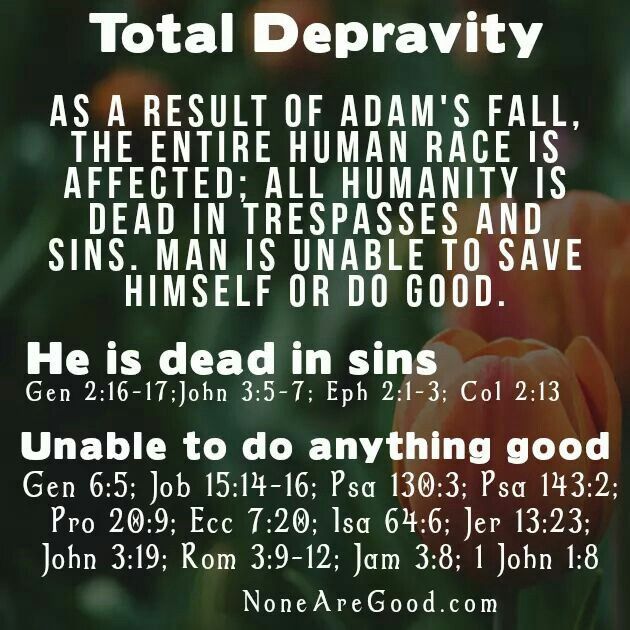
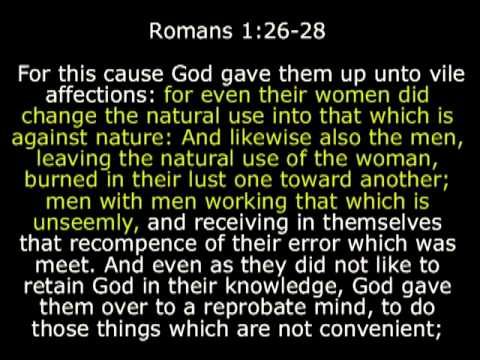 Praise The Lord Saints!! Praise The Lord Everyone!! I have a very important question to ask everyone. What is the definition of a depraved mind? A depraved mind is as follows: The condition of mind described as depravity of mind is characterized by an inherent deficiency of moral sense and integrity. It consists of evil, corrupt and perverted intent which is devoid of regard for human dignity and which is indifferent to human life. It is a state of mind outrageously horrible or inhuman.
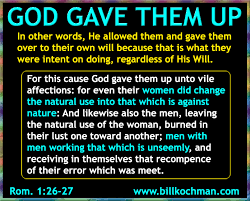
Next, when it comes to a Biblical standpoint, this is very serious!! This means that God gives up on you to the point that He will let you do whatever you desire. This is because a person refuses to acknowledge the truth. This is very serious to me as well as everyone else. To be frank with you, this is what is going on right now. People are engaging in behavior that goes against the norm.
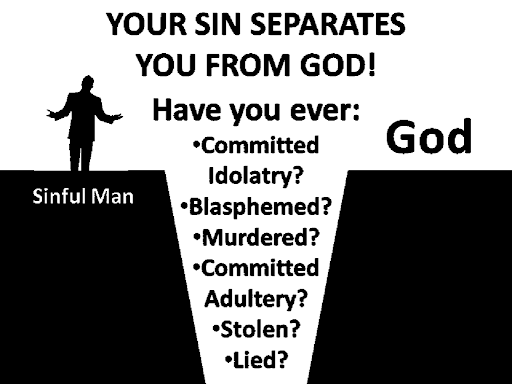
Further, I am saying this because I remember when I was much younger, my mother gave up on me. Especially when I did not go to high school for 3 years. I only attended school 25% of the time from 1980-1983. This is the truth because I did not attend school until I was ordered by a Judge in Downtown Dayton, Ohio.
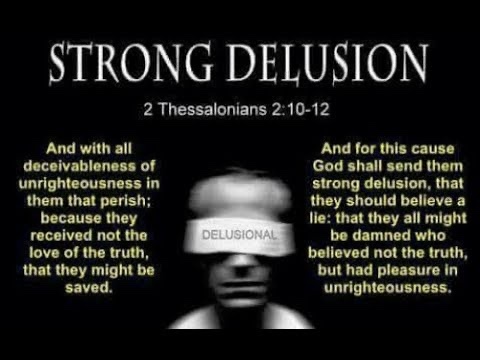
The Judge stated to me that if anyone did not want to go to school, they were deemed as crazy. They were insane for wanting to stay out of school. I eventually graduated from high school 3 years late. Therefore, I came to my senses and finished school on June 10, 1986. I was the oldest student at Paul Laurence Dunbar High School. It did not make me any difference because I finished school, and I graduated from College at the University of Toledo on Saturday June 12, 1993 and again on Saturday June 17, 1995. I felt exhilarated when I finished college. I also was able to obtain employment immediately after I completed my internship at the Jerusalem Outreach Center in Toledo, Ohio.
Moreover, I have come a very long way in my personal life. I do recall missing school for 3 straight years. I also got into fist fights with boys and girls at Roth High School. I detested school during that time. It is not I hated school, my biggest problem was dealing with authority figures. However, I listened to my grandmothers and grandfathers because they would beat the living hell out of me. My grandparents did not play that mess when I was out of school. On June 21, 1985, I went to jail for committing a crime at Rikes Department Store in Dayton, Ohio. My grandmother was literally pissed off with me. She punished me because she had to get me out of jail. This is not funny!! Grandparents will beat your!!!!!!!!!!!!!!!!!!!!!!!!!!!!!!!!!!!!!!
That is all I have to say about that!! What is a depraved mind in the Bible?
Reprobation, in Christian theology, is a doctrine of the Bible found in many passages of scripture such as Romans 1:20-28, Proverbs 1:23-33, John 12:37-41, Hebrews 6:4-8 etc … When a sinner is so hardened as to feel no remorse or misgiving of conscience, it is considered a sign of reprobation.
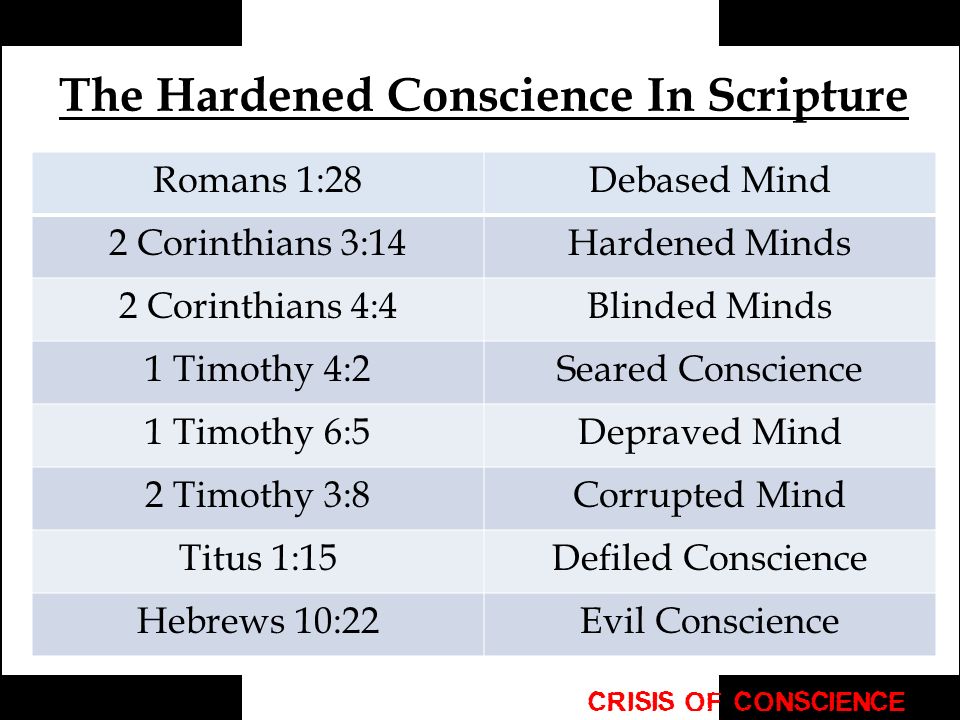 I do not want God to give me over to a depraved mind. This is dangerous!! What does it mean a reprobate mind? Reprobate. … Selfish, depraved, disreputable, a reprobate is not known for his inner goodness. In fact, reprobates were once considered “rejected by God,” the meaning of the noun in the 1500s. You can become a reprobate inside of my family if you want to, your!!!!!!!!!!!!!!!!!!!!!!!!!!!!!!!!!!!!!!!!!! A hard head makes a very soft gluteus maximus!! Attention: when it comes to the nieces and nephews, you know who God is right now!! You better act like it!!! I am talking to every last one of you. I have a lot of love for all of you. Don’t play with me!! All of you were raised by your Grandparents, Uncles, and Aunts. Please do not forget this!! I am keeping it real!!
Finally, I want to say that I have had a helping hand when it comes to dealing with my family members. If I would have raised all of you, you would not be on Facebook until I tell you to. That has a lot to do with your parents. All of those tattoos that you have on your bodies, you would not have them. Ever since your parents died, all of you have been doing whatever the hell you wanted to. You are never too old for a Country Whipping!! My nieces and nephews know the flavor before it is inside of the Kool Aid!!!

