Toggle navigation Search Browse The Bible Toggle Dropdown Search The Bible Find it! What Does It Mean to Pray in the Holy Spirit? Bible / Bible Study / Topical Studies Michael Jakes | Pastor, writer Monday, October 26, 2020 Share Tweet Save “But you, beloved, building yourselves up on your most holy faith, praying in the Holy Spirit, keep yourselves in the love of God, looking for the mercy of our Lord Jesus Christ unto eternal life” (Jude 1:20). “Pray at all times in the Spirit with every prayer and request, and stay alert with all perseverance and intercession for all the saints” (Ephesians 6:18). Prayer is a multifaceted dynamic given to us that we might touch God, enter into His presence, and receive those things which we need from Him. How important is prayer? The verses above reveal to us not only the need to pray, but also the manner in which we ought to pray. Without a doubt, prayer is our lifeline; it keeps us connected with the Lord. While it is one of the most important aspects of the Christian life, it may also be the most difficult to do. Our Approach to Prayer Prayer is the thing we forget to do; it is the thing we neglect to do; it is the thing we intend to do, and it is the thing we put off doing. And yet, it is the thing we need to do the most. When we fail to engage in it, we are overlooking the sheer magnificence of it. Think of it: being able to spend time in the presence of the Creator of the universe! And He invites me to do so! Shouldn’t we be running to Him? Because of the nature of prayer, it is important that we understand several things about it that should cause us to desire to do it biblically. First we should know that prayer is a portal. It is a gateway into the supernatural. Second, we should understand that prayer is a privilege. It is through prayer that we are given the unique opportunity to communicate personally with the God of the universe. This is an honor that we should not take lightly. Finally, when approached properly, as we will discuss, prayer is full of possibilities. This comes through faith, and praying in the Spirit. You have probably heard the phrase, “prayer changes things.” This familiar and often repeated statement has long since reached cliché status. But make no mistake: the words are no less true. However, should we look at prayer itself as a sort of “magical cure all”? I think not. What is it that makes prayer so powerful? It is the God in whom we trust that makes prayer so powerful. Understanding this simple truth, we should look at the kind of prayer that changes things. Photo credit: Unsplash/Ben White What Does it Mean to Pray in the Spirit? Our verses above state emphatically that we should “pray in the Spirit.” But what does it actually mean to pray in the Spirit? Before we explain what it means, let us first make clear what it does not mean. Many believe and conclude that praying in the Spirit means to pray in tongues, or in a “prayer language.” But what about the prayers of those who do not adhere to this belief? Are their prayers any less meaningful because they do not meet this specific criterion? And while this writer believes that speaking in tongues can be a viable part of the Christian life, it is not universal. And it is because of this that the aforementioned interpretation cannot bear up under scrutiny. It is true the Spirit intercedes for us when we pray, but does this have anything to do with speaking in tongues? We read from the apostle Paul: “Likewise the Spirit also helps in our weaknesses. For we do not know what we should pray for as we ought, but the Spirit Himself makes intercession for us with groanings which cannot be uttered. Now He who searches the hearts knows what the mind of the Spirit is, because He makes intercession for the saints according to the will of God” (Romans 8:26-27). This rather is the Holy Spirit operating in His intercessory ministry; the disciples and others were never said to be “groaning” in tongues, they spoke in tongues. The word “groanings” here refers to sighing (especially brought on by circumstances creating great pressure). How many times have we found ourselves in situations where we simply did not know what or how to pray? This verse begins to show us just what praying in the Spirit actually means. At its core, praying in the Spirit means to pray with the mind of the Spirit. When we pray this way, we are praying according to the will of God. Praying according to the will of God not only assures us that He hears our prayers, but also that He will answer them in His own way in His own time. We read: “Now this is the confidence that we have in Him, that if we ask anything according to His will, He hears us. And if we know that He hears us, whatever we ask, we know that we have the petitions that we have asked of Him” (1 John 5:14-15). Two Examples of Praying in the Spirit I would like to cite two individuals from scripture who help us to further understand and even appreciate the concept of being in the Spirit. Though it is not stated emphatically that they were praying at the time, the definite possibility exists that they may have been. Let us first look at the example of the apostle John. He writes: “I was in the Spirit on the Lord’s Day, and I heard behind me a loud voice, as of a trumpet” (Revelation 1:10). The very fact that John was able to receive this great vision tells us something more about being in the Spirit: it enables us to hear from God. It caused him to be “Revelation ready,” meaning that his spirit was open to whatever the Lord needed to communicate to him. The second example I’d like to cite comes from the apostle Paul: “It is doubtless not profitable for me to boast. I will come to visions and revelations of the Lord: I know a man in Christ who fourteen years ago – whether in the body I do not know, or whether out of the body I do not know, God knows – such a one was caught up to the third heaven. And I know such a man – whether in the body or out of the body I do not know, God knows – how he was caught up into Paradise and heard inexpressible words, which it is not lawful for a man to utter” (2 Corinthians 12:1-4). Much like the apostle John, Paul was granted the privilege to see things that no one else had seen. This helps to give us insight into the depth of writings. Of course we know that the Spirit carried him along as he wrote (2 Timothy 3:16), but because of the things that he saw, we can understand the urgency and power with which he wrote. His being caught up (this is the same phrase used in 1 Thessalonians 4:17 to describe the rapture of the saints), to the third heaven, was all due to the fact, I believe, that he was in the Spirit; a vessel ready to hear and receive from the Lord. Photo credit: Unsplash/nega The Necessity of Praying in the Spirit Why is it necessary to pray in the spirit? There are three most important things to remember. First, prayer is an excursion into the supernatural. This is true from the smallest and shortest prayer, to the more grandiose prayer. Whether you’re just saying, “Thank you Jesus,” or a plea for help, or even intercession, all prayer brings you out of the world that is seen, and into the world that is unseen, from the natural to the supernatural. We should next remember that prayer is warfare. When entering into the spirit world through prayer, you can expect to encounter unseen forces. This is true because the Enemy and all his minions know that prayer will catapult you into the presence of God, causing you to give glory and praise to the Him. Finally, as should be obvious, we need to pray in the Spirit because Satan seeks to hinder our prayers. He is more interested in our prayers than we realize because he desires to halt and frustrate our intimate fellowship with the Lord. Whatever he can do within his limited sphere of power to derail and obstruct our prayers, he will do. These three factors make it incumbent upon us to pray in such a way that will gain us an advantage over the wiles of the devil. So as we strive to pray in the Spirit, let us be mindful that prayer is not a monologue. As we pray, we should expect the Lord in turn, to speak back to us; making prayer a dialogue. We should anticipate hearing from Him because we have prayed in the Spirit. Related Articles 5 Essential Reasons We Know God Hears Our Prayers Why (and How) Should We Pray the Names of God? Did You Know Jesus is Praying for You? Photo credit: ©Getty Images/Javier Art Photography Michael Jakes is an Associate Pastor, Bible teacher, and writer. He is co-founder of That’s The Word! Ministries, a distinctly Cross-centered outreach. He has also been active in youth ministry for over 30 years, and hosts two live weekly podcasts, “The Bible Speaks Live,” and “The Cutting It Right Bible Study.” Michael is the author of, The Lights In The Windows, a book concerned with the need for the Church to evangelize. Michael and his wife Eddye have been married for 40 years, and reside in New York. You can follow him on Youtube and listen to his podcasts on Spreaker. Popular Articles 3 Reasons Why Halloween Is Not Satan’s Birthday and Never Will Be Jennifer Waddle What Does It Mean to Pray in the Holy Spirit? Michael Jakes What Does “Blessed Are the Peacemakers” Mean in Matthew 5:9? Stephanie Englehart How Can We “Give Thanks in All Things”? Bethany Verrett 5 Things Christians Need to Know about Idolatry Jessica Udall Applying the Wisdom of Proverbs Today Debbie W. Wilson Featured Verse Topics Healing Bible Verses Worry and Anxiety Bible Verses Prayer Bible Verses Bible Verses for Overcoming Grief Comforting Bible Verses Bible Verses About Protection God’s Promises – Verses in the Bible Bible Verses For Faith in Hard Times Encouraging Bible Verses Hope Bible Verses Friendship Bible Verses Forgiveness Bible Verses Strength Bible Verses Love Bible Verses Inspirational Bible Verses About Online Bible Sitemap Link to Us Advertise with Us Feedback Proud member of Salem Media Group. Copyright © 2020, Bible Study Tools. All rights reserved. Article Images Copyright © 2020 Getty Images unless otherwise indicated. California – Do Not Sell My Personal Information California – CCPA Notice
We Give Thanks in All Things
Toggle navigation Search Browse The Bible Toggle Dropdown Search The Bible Find it! How Can We “Give Thanks in All Things”? Bible / Bible Study / Topical Studies Share Tweet Save Bethany Verrett Sunday, October 25, 2020 Thankfulness is a complicated state of being. When life is good, and someone is getting what they want, it is easy to achieve. When life is hard, and nothing goes right, it is hard to have a spirit of gratitude. In fact, for many people, difficult times or circumstances are the easiest excuse to justify ingratitude. The Bible has much to say about being thankful, and its message runs counter to the instincts of man. In his letter to the church at Thessalonica, the Apostle Paul wrote, “Rejoice always, pray without ceasing, give thanks in all circumstances; for this is the will of God in Christ Jesus for you” (1 Thessalonians 5:16-18). Despite this seemingly difficult task for people, the Bible is full of hope, of God’s unshakable promises, and the sufficient reasons needed in order to give thanks in all things, even in 2020. Photo credit: Unsplash/Kiy Turk What Does It Mean to “Give Thanks in All Circumstances”? As difficulties pile on, it can be easy to look around and see nothing good, sinking into despair, perpetual anger, and an inability to feel gratitude. The Bible does not pretend there is no suffering, with the Book of Ecclesiastes acknowledged there will be, “a time to kill … a time to break down … a time to weep … a time to mourn” (Ecclesiastes 3:3-4). In order to be thankful at all times it is important to have sources of joy, something to always be grateful for, and reminders to turn to those sources of joy and good things when times are hard. What should be the Christian’s ultimate source of joy? To get through loss, suffering, and chaotic times, it would need to be something permanent and unchanging. Jesus prayed to His Father, “But now I am coming to you, and these things I speak in the world, that they may have my joy fulfilled in themselves” (John 17:13). He wants those who love Him to have His joy, and to be thankful for those things which bring joy. Jesus had joy when: – A sinner repented and became saved: Luke 15 – When the Father’s will is done: Luke 10:20-24 – When thinking about eternity together John 16:20-22 The Bible also encourages believers to be thankful for: – Jesus’ everlasting words: John 17:3 – God’s unchanging nature: Psalm 102:27 – Salvation through Jesus’ death and resurrection: 1 Corinthians 15:57 – The eternal home in Heaven: Hebrews 12:28 Ultimately, the Bible encourages believers to focus on eternal things. It is important to thank God for earthly blessings, but in order to always be thankful, there must be things to thank God for that do not rust, decay, or disappear. The way to always give thanks is to remember to thank God for His eternal gifts and promises. When the Bible says to give thanks in all things, it asks people to thank God for blessings both visible and invisible. When He blesses, thank Him, and thank Him for the things unseen in which Christians place their hope. Of course, the verse does not mean that every second of every day Christians should be muttering “thank you God” under their breath. Instead, it encourages an attitude adjustment, and a re-focusing of priorities. Thanking God for blessings through praise and prayer is the first step, and the second is by turning away from earthly wants and desires, and focusing on the future promises that will matter forever, that are guaranteed by the Word of God, so there is always something to thank Him for, even if current circumstances are difficult. Photo credit: ©Getty Images/Jair Ferreira Belafacce What Is the Context of this Verse? The Apostle Paul wrote the epistle containing this recommendation to be thankful to the church at Thessalonica, a Greek city with Gentile believers who had questions about their new faith. One of their persistent questions was about the Rapture – the moment when the Lord returns to take His church to Heaven before the Tribulation – and when it would happen. The first eleven verses of chapter five focus on this moment, where Paul encouraged them to live diligently, waiting for the Lord, but not to give up everything and wait around for it either. Instead, they are to live for God, obeying His commandments and commissions out of love. The rest of the chapter is a continuation of that encouragement about living a Christian life. His audience was eager to meet their Savior face-to-face, and earnestly speculated about His swift return. Paul wanted them to look forward to that return, but that living for Christ should be their priority. Part of living for God, according to this passage, includes giving encouragement to those who were weak in their faith, to work hard, to love and respect one another, and to reject evil. In the middle Paul told them to rejoice and be thankful, no matter what came their way. Because these people were so eager to see Jesus, it was easy to look around at the broken world and be ungrateful for what God gave them, in light of the glory and joy of being with their Lord and Savior. Being encouraged to rejoice and give thanks for God’s blessings is one of the ways Paul wanted them to live for God. Photo credit: ©SparrowStock What Else Does the Bible Say about Being Thankful? The Apostle Paul focused on thanksgiving in several of his letters to the churches in central Asia. At the end of his letter, Paul gave the Ephesians similar advice as he did to the Thessalonians; “And do not get drunk with wine, for that is debauchery, but be filled with the Spirit, addressing one another in psalms and hymns and spiritual songs, singing and making melody to the Lord with your heart, giving thanks always and for everything to God the Father in the name of our Lord Jesus Christ, submitting to one another out of reverence for Christ” (Ephesians 5:18-21). Paul is not the only contributor to the Bible who encourages an attitude of thankfulness, rooted in God’s blessings, and His eternal promises. King David was a man who experienced the highs and the lows of this world. He started as the youngest brother and a lowly shepherd, becoming the hero of his people, hunted by his king, then made king himself. He had an affair and lost the baby. His oldest son turned against him, and that son also had to die for David to return to his throne. Even during the lowest points of his life, David’s Psalms are full of praise and thanksgiving. He declared, “Oh give thanks to the Lord, for he is good, for his steadfast love endures forever!” (Psalm 107:1). David could thank God for the good things in life when he had them, and for God’s eternal love and goodness when he had nothing. From the Biblical perspective, being thankful is inherent to being a created being. God gave life to humanity, therefore people should give thanks. God provided a way for people to be redeemed, and that is something for which people should be grateful. The Book of James summarizes the nature of God’s goodness, and the characteristics that inspire gratitude in people when it says, “ Every good gift and every perfect gift is from above, coming down from the Father of lights, with whom there is no variation or shadow due to change” (James 1:17). In essence, in this life, God gives everyone what they need – physically and spiritually – by blessing them with opportunities to take those blessings and turn them into investments in eternity by sharing the Gospel and helping others. He has the same character yesterday, today, and forever, as described in Hebrews 13:8. Because God is constant, His promises will be fulfilled, His loving character does not change, and His will does not alter. Because of this consistency of character, and His blessings, meditating on these truths inspires gratitude, which should frame and form the way Christians go through life. This attitude shift makes a more consistent feeling of thankfulness possible, allowing believers to give thanks in all circumstances – even persecution. Photo credit: ©Getty Images/tatyana_tomsickova How Can We Give Thanks, Even in Hard Times? In 2020, the world has faced a multitude of calamities all at once. From COVID-19, to political unrest, and financial hardships, it seems harder to find the blessings for which to be thankful. Everything seems chaotic and uncertain. Focusing on blessings can seem difficult, so find simple and creative ways to cultivate an attitude of gratitude and thank God in all things. 1. Count Your Blessings This piece of advice can seem cliché, but it can be effective. Making a list of past, present, and future mercies and gifts from the Lord will remind you of how generous He is. Making lists or putting sticky notes in places around your home can be visible reminders to give thanks. 2. Reflect on How God Has Redeemed Your Troubles in the Past God always takes the bad things that happen and uses them for our good and His glory, making us more Christ-like in the process (Romans 8:28). “ As for you, you meant evil against me, but God meant it for good” (Genesis 50:20). While some of those moments will remain shrouded in mystery until Heaven, the Holy Spirit does clarify some of the times God worked in that way. Pray and meditate about how God pulled you through hard times in the past, and be assured He will get you through these trying times. 3. Give Back to Others in a Meaningful Way One way to focus less on oneself is to be generous, and it does not have to be financial. Ask your pastor if there are church members in a nursing home who would appreciate a phone call. Set up a virtual game night for a group of kids who have not seen each other in a while. Pray the Lord will put someone on your heart to invest in, and thank Him for the opportunity to be a blessing to someone else! 4. Spend Some Time Reading about Heaven It can feel like God’s promises are far away, and when life is full of daily pain, financial hardship, and loneliness defines daily life, focusing on distant blessings is hard. The Bible gives its readers glimpses into what eternity with Jesus will look like. Study some of these passages and focus on the blessed assurance of the future. Revelation 21-22 1 Corinthians 2:9 Philippians 3:15-21 Matthew 6:19-24 Matthew 13 Photo credit: ©Getty Images/Drazen Zigic A Prayer to Be Thankful in All Things When the temptation to wallow in ingratitude begins to creep in, or when the Holy Spirit nudges with a gentle reminder that God should be thanked for His many, daily blessings, go to Him in prayer. Holy Father, I come to You, in all humility, to thank you for the many blessings that You bestow upon Your people. Thank you for taking care of us, and loving us. Thank you for providing exactly what we need, when we need it, according to Your wisdom and not ours. Most importantly, thank you so much for sending Your Son, Jesus Christ, to pay the price for our sins, and thank you for His resurrection from the dead. Help us to remember everything You have done, and continue to do, for us. Holy Spirit, please remind us frequently of God’s mercies, and increase the fruit of gratitude in me. Lord, there are so many difficulties in this world. We face trials, temptations, disease, chaos, uncertainty, and evil. In our human weakness, we struggle to be grateful. Give us the power, the heart, and the attitude to be thankful in all things. Even in the darkest times, You love us, You are with us, and You saved us from our sins. And for that we are grateful. Help us remember these facts and be thankful. In Christ’s name, I pray, Amen. Sources Hitchcock, Joel. Thank You God The Power of Giving Thanks in Everything and for All Things. Independently Published, 2019. Kamin, Rabbi Ben. The Blessing of Sorrow: Turning Grief into Healing. Las Vegas: Central Recovery Press, 2018. Mohler, Mary. Growing in Gratitude. Epsom: Good Book Company, 2018. Photo credit: ©Getty Images/Freedom007 Bethany Verrett is a freelance writer and editor. She maintains a faith and lifestyle blog graceandgrowing.com, where she muses about the Lord, life, culture, and ministry. Popular Articles What Does “Blessed Are the Peacemakers” Mean in Matthew 5:9? Stephanie Englehart How Can We “Give Thanks in All Things”? Bethany Verrett 5 Things Christians Need to Know about Idolatry Jessica Udall Applying the Wisdom of Proverbs Today Debbie W. Wilson 3 Scary Stories in the Bible – and How God Is Still There Heather Adams 7 Beautiful Psalms of Praise in the Bible Jason Soroski Featured Verse Topics Healing Bible Verses Worry and Anxiety Bible Verses Prayer Bible Verses Bible Verses for Overcoming Grief Comforting Bible Verses Bible Verses About Protection God’s Promises – Verses in the Bible Bible Verses For Faith in Hard Times Encouraging Bible Verses Hope Bible Verses Friendship Bible Verses Forgiveness Bible Verses Strength Bible Verses Love Bible Verses Inspirational Bible Verses About Online Bible Sitemap Link to Us Advertise with Us Feedback Proud member of Salem Media Group. Copyright © 2020, Bible Study Tools. All rights reserved. Article Images Copyright © 2020 Getty Images unless otherwise indicated. California – Do Not Sell My Personal Information California – CCPA Notice
We Give Thanks in All Things
Toggle navigation Search Browse The Bible Toggle Dropdown Search The Bible Find it! How Can We “Give Thanks in All Things”? Bible / Bible Study / Topical Studies Share Tweet Save Bethany Verrett Sunday, October 25, 2020 Thankfulness is a complicated state of being. When life is good, and someone is getting what they want, it is easy to achieve. When life is hard, and nothing goes right, it is hard to have a spirit of gratitude. In fact, for many people, difficult times or circumstances are the easiest excuse to justify ingratitude. The Bible has much to say about being thankful, and its message runs counter to the instincts of man. In his letter to the church at Thessalonica, the Apostle Paul wrote, “Rejoice always, pray without ceasing, give thanks in all circumstances; for this is the will of God in Christ Jesus for you” (1 Thessalonians 5:16-18). Despite this seemingly difficult task for people, the Bible is full of hope, of God’s unshakable promises, and the sufficient reasons needed in order to give thanks in all things, even in 2020. Photo credit: Unsplash/Kiy Turk What Does It Mean to “Give Thanks in All Circumstances”? As difficulties pile on, it can be easy to look around and see nothing good, sinking into despair, perpetual anger, and an inability to feel gratitude. The Bible does not pretend there is no suffering, with the Book of Ecclesiastes acknowledged there will be, “a time to kill … a time to break down … a time to weep … a time to mourn” (Ecclesiastes 3:3-4). In order to be thankful at all times it is important to have sources of joy, something to always be grateful for, and reminders to turn to those sources of joy and good things when times are hard. What should be the Christian’s ultimate source of joy? To get through loss, suffering, and chaotic times, it would need to be something permanent and unchanging. Jesus prayed to His Father, “But now I am coming to you, and these things I speak in the world, that they may have my joy fulfilled in themselves” (John 17:13). He wants those who love Him to have His joy, and to be thankful for those things which bring joy. Jesus had joy when: – A sinner repented and became saved: Luke 15 – When the Father’s will is done: Luke 10:20-24 – When thinking about eternity together John 16:20-22 The Bible also encourages believers to be thankful for: – Jesus’ everlasting words: John 17:3 – God’s unchanging nature: Psalm 102:27 – Salvation through Jesus’ death and resurrection: 1 Corinthians 15:57 – The eternal home in Heaven: Hebrews 12:28 Ultimately, the Bible encourages believers to focus on eternal things. It is important to thank God for earthly blessings, but in order to always be thankful, there must be things to thank God for that do not rust, decay, or disappear. The way to always give thanks is to remember to thank God for His eternal gifts and promises. When the Bible says to give thanks in all things, it asks people to thank God for blessings both visible and invisible. When He blesses, thank Him, and thank Him for the things unseen in which Christians place their hope. Of course, the verse does not mean that every second of every day Christians should be muttering “thank you God” under their breath. Instead, it encourages an attitude adjustment, and a re-focusing of priorities. Thanking God for blessings through praise and prayer is the first step, and the second is by turning away from earthly wants and desires, and focusing on the future promises that will matter forever, that are guaranteed by the Word of God, so there is always something to thank Him for, even if current circumstances are difficult. Photo credit: ©Getty Images/Jair Ferreira Belafacce What Is the Context of this Verse? The Apostle Paul wrote the epistle containing this recommendation to be thankful to the church at Thessalonica, a Greek city with Gentile believers who had questions about their new faith. One of their persistent questions was about the Rapture – the moment when the Lord returns to take His church to Heaven before the Tribulation – and when it would happen. The first eleven verses of chapter five focus on this moment, where Paul encouraged them to live diligently, waiting for the Lord, but not to give up everything and wait around for it either. Instead, they are to live for God, obeying His commandments and commissions out of love. The rest of the chapter is a continuation of that encouragement about living a Christian life. His audience was eager to meet their Savior face-to-face, and earnestly speculated about His swift return. Paul wanted them to look forward to that return, but that living for Christ should be their priority. Part of living for God, according to this passage, includes giving encouragement to those who were weak in their faith, to work hard, to love and respect one another, and to reject evil. In the middle Paul told them to rejoice and be thankful, no matter what came their way. Because these people were so eager to see Jesus, it was easy to look around at the broken world and be ungrateful for what God gave them, in light of the glory and joy of being with their Lord and Savior. Being encouraged to rejoice and give thanks for God’s blessings is one of the ways Paul wanted them to live for God. Photo credit: ©SparrowStock What Else Does the Bible Say about Being Thankful? The Apostle Paul focused on thanksgiving in several of his letters to the churches in central Asia. At the end of his letter, Paul gave the Ephesians similar advice as he did to the Thessalonians; “And do not get drunk with wine, for that is debauchery, but be filled with the Spirit, addressing one another in psalms and hymns and spiritual songs, singing and making melody to the Lord with your heart, giving thanks always and for everything to God the Father in the name of our Lord Jesus Christ, submitting to one another out of reverence for Christ” (Ephesians 5:18-21). Paul is not the only contributor to the Bible who encourages an attitude of thankfulness, rooted in God’s blessings, and His eternal promises. King David was a man who experienced the highs and the lows of this world. He started as the youngest brother and a lowly shepherd, becoming the hero of his people, hunted by his king, then made king himself. He had an affair and lost the baby. His oldest son turned against him, and that son also had to die for David to return to his throne. Even during the lowest points of his life, David’s Psalms are full of praise and thanksgiving. He declared, “Oh give thanks to the Lord, for he is good, for his steadfast love endures forever!” (Psalm 107:1). David could thank God for the good things in life when he had them, and for God’s eternal love and goodness when he had nothing. From the Biblical perspective, being thankful is inherent to being a created being. God gave life to humanity, therefore people should give thanks. God provided a way for people to be redeemed, and that is something for which people should be grateful. The Book of James summarizes the nature of God’s goodness, and the characteristics that inspire gratitude in people when it says, “ Every good gift and every perfect gift is from above, coming down from the Father of lights, with whom there is no variation or shadow due to change” (James 1:17). In essence, in this life, God gives everyone what they need – physically and spiritually – by blessing them with opportunities to take those blessings and turn them into investments in eternity by sharing the Gospel and helping others. He has the same character yesterday, today, and forever, as described in Hebrews 13:8. Because God is constant, His promises will be fulfilled, His loving character does not change, and His will does not alter. Because of this consistency of character, and His blessings, meditating on these truths inspires gratitude, which should frame and form the way Christians go through life. This attitude shift makes a more consistent feeling of thankfulness possible, allowing believers to give thanks in all circumstances – even persecution. Photo credit: ©Getty Images/tatyana_tomsickova How Can We Give Thanks, Even in Hard Times? In 2020, the world has faced a multitude of calamities all at once. From COVID-19, to political unrest, and financial hardships, it seems harder to find the blessings for which to be thankful. Everything seems chaotic and uncertain. Focusing on blessings can seem difficult, so find simple and creative ways to cultivate an attitude of gratitude and thank God in all things. 1. Count Your Blessings This piece of advice can seem cliché, but it can be effective. Making a list of past, present, and future mercies and gifts from the Lord will remind you of how generous He is. Making lists or putting sticky notes in places around your home can be visible reminders to give thanks. 2. Reflect on How God Has Redeemed Your Troubles in the Past God always takes the bad things that happen and uses them for our good and His glory, making us more Christ-like in the process (Romans 8:28). “ As for you, you meant evil against me, but God meant it for good” (Genesis 50:20). While some of those moments will remain shrouded in mystery until Heaven, the Holy Spirit does clarify some of the times God worked in that way. Pray and meditate about how God pulled you through hard times in the past, and be assured He will get you through these trying times. 3. Give Back to Others in a Meaningful Way One way to focus less on oneself is to be generous, and it does not have to be financial. Ask your pastor if there are church members in a nursing home who would appreciate a phone call. Set up a virtual game night for a group of kids who have not seen each other in a while. Pray the Lord will put someone on your heart to invest in, and thank Him for the opportunity to be a blessing to someone else! 4. Spend Some Time Reading about Heaven It can feel like God’s promises are far away, and when life is full of daily pain, financial hardship, and loneliness defines daily life, focusing on distant blessings is hard. The Bible gives its readers glimpses into what eternity with Jesus will look like. Study some of these passages and focus on the blessed assurance of the future. Revelation 21-22 1 Corinthians 2:9 Philippians 3:15-21 Matthew 6:19-24 Matthew 13 Photo credit: ©Getty Images/Drazen Zigic A Prayer to Be Thankful in All Things When the temptation to wallow in ingratitude begins to creep in, or when the Holy Spirit nudges with a gentle reminder that God should be thanked for His many, daily blessings, go to Him in prayer. Holy Father, I come to You, in all humility, to thank you for the many blessings that You bestow upon Your people. Thank you for taking care of us, and loving us. Thank you for providing exactly what we need, when we need it, according to Your wisdom and not ours. Most importantly, thank you so much for sending Your Son, Jesus Christ, to pay the price for our sins, and thank you for His resurrection from the dead. Help us to remember everything You have done, and continue to do, for us. Holy Spirit, please remind us frequently of God’s mercies, and increase the fruit of gratitude in me. Lord, there are so many difficulties in this world. We face trials, temptations, disease, chaos, uncertainty, and evil. In our human weakness, we struggle to be grateful. Give us the power, the heart, and the attitude to be thankful in all things. Even in the darkest times, You love us, You are with us, and You saved us from our sins. And for that we are grateful. Help us remember these facts and be thankful. In Christ’s name, I pray, Amen. Sources Hitchcock, Joel. Thank You God The Power of Giving Thanks in Everything and for All Things. Independently Published, 2019. Kamin, Rabbi Ben. The Blessing of Sorrow: Turning Grief into Healing. Las Vegas: Central Recovery Press, 2018. Mohler, Mary. Growing in Gratitude. Epsom: Good Book Company, 2018. Photo credit: ©Getty Images/Freedom007 Bethany Verrett is a freelance writer and editor. She maintains a faith and lifestyle blog graceandgrowing.com, where she muses about the Lord, life, culture, and ministry. Popular Articles What Does “Blessed Are the Peacemakers” Mean in Matthew 5:9? Stephanie Englehart How Can We “Give Thanks in All Things”? Bethany Verrett 5 Things Christians Need to Know about Idolatry Jessica Udall Applying the Wisdom of Proverbs Today Debbie W. Wilson 3 Scary Stories in the Bible – and How God Is Still There Heather Adams 7 Beautiful Psalms of Praise in the Bible Jason Soroski Featured Verse Topics Healing Bible Verses Worry and Anxiety Bible Verses Prayer Bible Verses Bible Verses for Overcoming Grief Comforting Bible Verses Bible Verses About Protection God’s Promises – Verses in the Bible Bible Verses For Faith in Hard Times Encouraging Bible Verses Hope Bible Verses Friendship Bible Verses Forgiveness Bible Verses Strength Bible Verses Love Bible Verses Inspirational Bible Verses About Online Bible Sitemap Link to Us Advertise with Us Feedback Proud member of Salem Media Group. Copyright © 2020, Bible Study Tools. All rights reserved. Article Images Copyright © 2020 Getty Images unless otherwise indicated. California – Do Not Sell My Personal Information California – CCPA Notice
10 ways to stop Cliques inside the Church
Intersection of Life and Faith Toggle navigation 10 Ways to Stop Cliques in Your Church Donna Jones Crosswalk.com Contributing Writer 2020 25 Oct No matter what label dons the door of your church, one thing all churches can agree on is this: The church is meant to be a place where outsiders become insiders. Too often, though, otherwise well-meaning believers stifle others from becoming healthy, contributing, loving members of the body of Christ, simply by being unaware of how they’ve formed cliques. It’s good for church members to be close, but a close church can become a closed church — and that’s a problem. Here are 10 ways your church can stop cliques. Photo credit: ©Thinkstock/Wavebreakmedia 1. Be Aware of Nonverbal Cues That Separate Insiders from Outsiders My friend felt a nervous excitement when she signed up for the church women’s retreat — alone. It wasn’t easy to do, but she reasoned that spending a weekend with other Christian women would allow her to meet badly needed friends and integrate more quickly into the life of her new church. Her confidence was short-lived. After Friday night dinner, she walked alone to the auditorium as other women strolled with friends, their happy chatter a reminder that she was an outsider. Oh well, at least I’ll get a good seat, she thought, trying to stay positive in an uncomfortable situation. She walked toward the front and was shocked to see every seat taken, saved by the Bibles that women had placed there before dinner. She moved further back, only to find the same thing. The only seat open was a corner one on the very last row. Every Bible on every chair seemed to scream, “You aren’t welcome here. We already have friends, and you aren’t one of them”. Of course, this was not the intent. Still, it was a memory she never forgot. Photo Credit: ©Getty Images/LittleBee80 2. Model Inclusiveness from the Top My friend (the one who ended up sitting in the back corner) later became the Women’s Ministry Director of a large, thriving church. Because she experienced first-hand how isolating church can be (even unintentionally), she made it her goal to model inclusivity. She not only talked about being welcoming but also modeled it, making sure every person — whether on the leadership team or on the fringe — felt equally valued and included. She prayed for those things, too. And guess what? God honored her heart and her prayers. In all the years she served as Women’s Director, her ministry was marked by unity and love; in fact, the single most common observation newcomers made was “the women here are so loving and welcoming!” And no wonder, a clique-free church starts from the top. Photo Credit: ©GettyImages/santypan 3. Encourage Other-Centered Thinking and Acting Most churches have greeters. Many even set aside a minute or two during the worship service to greet those seated close by. While these things are good, they’re just the start. It does no good if greeters aren’t truly warm and friendly, or the welcome time leaves newcomers left standing alone. The key to making these things work is to be other-centered. Other-centered churches are made up of other-centered people. And here’s the key: other-centered people actively look for others to include. Being other-centered is not a function of your personality; it’s the fruit of your heart. Jesus was the ultimate other-centered person. He initiated conversation with the woman at the well; He saw Zacchaeus in the sycamore tree and invited him down to talk; He called Matthew to follow Him while Matthew was sitting at the tax booth. And even though Jesus had an inner circle of 12 disciples, their closeness never isolated people from Christ; instead, their closeness to Christ served to bring others close, too. Photo Credit: ©GettyImages/kk5hy 4. Stop Grumbling and Complaining in it’s Tracks While most of us tend to think of cliques forming through bonds of relationships, cliques can also form through bonds of resentments. For example, get a small group of people together who are upset about the style of worship music their church sings, and you have a clique. Or a group who shares the same distaste for the pastor’s style of preaching, or the youth pastor’s ministry style, or the way the budget is allocated, or…you get the point. Cliques can form around common interests, but they can also form around common complaints. Want to know what happened to the clique that complained and grumbled about Moses? They were destroyed. Ouch. God doesn’t mess around with cliques like this. 1 Corinthians 10:10 warns us against becoming a part of a clique who complains: “And do not grumble, as some of them did, and were destroyed by the destroyer.” Photo Credit: ©GettyImages 5. Expand Volunteer Base In most churches, 10 percent of the people do 90 percent of the work. Not only is this profoundly unhealthy (not to mention, unbiblical), but it also fosters division between those who do and those who don’t. This division is fertile soil for cliques to grow. Every church can make sure that it has ample opportunity for people to contribute by using their gifts. It must also be certain that opportunities to serve are easily accessed by folks who aren’t already involved and “in the know”. When people can’t break into a church’s inner circle — or don’t know how — they feel marginalized. Marginalized people never stay. But when a church expands its volunteer base, it expands its capacity to be a healthy, vibrant, clique-free place to worship Christ. Photo Credit: ©GettyImages/BrandXPictures 6. Don’t Show Favoritism It’s natural to gravitate toward people like us, or people we deem “worthy” of us. But God warns His body not to show favoritism. James 2:1 says, “My brothers and sisters, believers in our glorious Lord Jesus Christ must not show favoritism.” Wow! This is not a suggestion — it’s an outright command. Favoritism comes in various forms in today’s culture, not all of them obvious; for instance, church programs might favor married couples over singles or divorced folks. Other factors like clothing style, whether or not someone has tattoos, race, ethnicity, socio-economic levels, and education can affect whether or not someone is included or excluded. God’s kingdom is for everyone. Christ’s church is not simply a place for people we deem acceptable; His church is a place where people can be accepted. Church should be the ultimate clique-free zone. Photo Credit: ©GettyImages/digitalskillet 7. Make Sure Some Ministries Have an Open Door Policy Years ago my husband became the teaching pastor of a large church. We made a mid-year move — November to be exact. Eager to meet friends, I inquired about joining a women’s Bible study, only to find out I would need to wait until January to begin; in fact, there was not a single group or ministry I could join mid-session. I remember thinking that the women’s ministry leader didn’t seem to consider how difficult her policy made it for a new person to integrate into life of the church, not to mention make friends. But then again, she already had friends. She was already solidly settled into her comfortable church life. She was part of the clique, and didn’t even realize it. Of course, not all ministries can — or should — have an open door policy. But some can, and some should. Every church needs a few options for folks to join at any point; otherwise, the church is unknowingly creating a culture of cliques. Photo Credit: ©GettyImages/JPWALLET 8. Don’t Use Insider Language As a speaker, I travel across the country speaking to churches of all stripes. I’ve noticed a common thread between groups who seem particularly clique-free and those who aren’t: their word choices. And it’s not the word choices you might think. For instance, when someone says, “to sign up for XYZ, see Sally”, they’re implying that everyone knows Sally. Of course, people in the church clique know Sally, but what about everyone else? What about the guest the church is trying to reach? Or the person who attends church occasionally? Churches also unintentionally perpetuate cliques by what they name their ministries. Years ago, my mom was involved in a church group called BYKOTA, which stood for “Be ye kind, one to another”. Without knowing it, the very name these women chose created an “in” group and an “out” group. Who else would possibly know what BYKOTA stood for, except the women who were in the group? Photo Credit: ©GettyImages/CreativaImages 9. Invite Others in This one might seem obvious. But reality tells us that too often churches and church members don’t take the initiative to invite others in. Why? Because inviting others in takes us out. Out of our comfort zone. Out of our familiar routine. Out of our nice, safe, predictable life. But inviting others in also takes us out of a life of stale, powerless Christianity. The Leadership Pastor at our church likes to say, “Church gets exciting when people start inviting”. Jesus said, “Go make disciples” (Matthew 28:18) He didn’t say “stay in your safe little clique and hope others figure out how to follow Me”. Photo Credit: ©Pexels 10. Mix it Up Although we might like our small groups to stay the same, or our Sunday school class to be made up of people in our same life stage, it’s good to reach beyond our boundaries and live life with people we might not otherwise choose. Not only does this prevent cliques, but it also opens the door to new growth possibilities for us as Christ-followers; for instance, if a group includes folks in different seasons of life, the older members can share their wisdom, and the younger members can share their zeal. If a serving team, worship team, or hospitality team is comprised of different types of members, the capacity to genuinely love and care for people from all walks of life is expanded. It’s a win-win and a great way to prevent cliques. Photo Credit: ©GettyImages/Pablo_K Donna Jones is a national speaker who’s shared God’s Word and God’s love with folks in 20 states and on four continents. As a pastor’s wife, she has a front row seat into the in’s and out’s of church life. Donna is mom to three, and the author of several books, including Seek: A Woman’s Guide to Meeting God. She’d love to connect with you at http://www.donnajones.org, on twitter @donnajonesspeak, or on Instagram @donnaajones. Most Android Users Don’t Know This (Do It Today) SecuritySavers Sponsored by Revcontent Find Out More > 88,986 NEXT: 10 Christian Sayings That Need to Go About Us Contact Us Privacy Policy Terms of Use Crosswalk App California – Do Not Sell My Personal Information California – CCPA Notice
What Does Psalm 66:5 Means?
Verse of the Day ▼ Devotions ▼ Search Home Verse Of The Day Psalm 66:5 ◄ What Does Psalm 66:5 Mean? ► Come and see the works of God, Who is awesome in His deeds toward the sons of men. Psalm 66:5(NASB) Verse Thoughts As Christians, we have been directed to sing praises to the Lord and to give thanks to Him in all things. We have been instructed that in everything, by prayer and supplication, to make our requests known to God, and we are to do it with thanksgiving and praise, so that the peace of God will guard our hearts and minds in Christ Jesus our Lord. Over and again we are exhorted to pray without ceasing and to give thanks to our heavenly Father in everything… for this is the will of God in Christ Jesus concerning us. And here in the book of Psalms, we are called to make a joyful noise unto the Lord. We are exhorted to praise our heavenly God, for His awesome works, as we sing praises to His holy name. It is because of the greatness of His power and the awesome nature of His majesty, that the Psalmist cries out in ecstasy, “Come and see the works of God, Who is awesome in His deeds toward the sons of men.” This little verse is part of a symphony of praise, to the God of heaven and earth, for He is worthy of our adoration and worship. We are being invited to join in a celebration of thanksgiving and praise to God for the breathtaking things God has done for us. The writer of this psalm appeals to the whole earth to participate in the celebratory concert, which honours our heavenly Lord. The nations are urged to COME and to SEE, and to join in a unanimous chorus of thanksgiving and praise, for the wonderful works of God, and all that He has done for the children of men. He is to be held in reverence for the awesome deeds He has done, which are manifest in the lives of all who trust in Him. He forgives all our sins and heals all our diseases. He redeems our life from the pit and crowns our head with faithful love and gracious compassion. He leads us beside still waters and satisfies us with His goodness and grace.. and our youth is renewed like the eagle, when we reverence our God in the beauty of holiness. The Lord executes wonderful acts of righteousness and justice for all that are oppressed.. and in His grace, He has revealed His ways to the children of men. Let us never forget ALL that God has done for us, for He is compassionate and gracious, slow to anger and full of faithful love. He does not deal with us as our sins deserve nor does He repay us according to our offences. Indeed, eye has not seen, ear has not heard, nor has it entered into the imagination of man, the wonderful things that God has prepared for those that love Him. Surely the goodness and mercy of God shall follow us all the days of our life, and we should not hesitate to delight to sing His eternal praises, and offer Him the thanksgiving and honour that is due to His holy name. My Prayer Heavenly Father, how I praise and thank You for the wonderful works of Your hand and the awesome deeds that You have done for me. Thank You that Jesus came to redeem me and to die in my place, so that I could be raised into newness of life, and live with You in the eternal ages to come. How awesome are Your works and how great is Your power. All the earth will worship You and sing praises to Your holy name, for You alone are worthy of our honour and thanksgiving, our worship and praise. In Jesus’ name I pray, AMEN. ◄ Previous: Psalm 66:1 Next: Psalm 71:16 ► Choose a Verse from Psalm 66 1234567891011121314151617181920 Mark 3:35 Psalm 12:6 Matthew 27:29 Acts 9:20 Follow us Psalm 66:5 Further Study Psalm 66:5 in the Parallel Bible Psalm 66:5 in the Thematic Bible Psalm 66:5 Cross References Psalm 66:5 Treasury of Scripture Knowing Psalm 66:5 Prayers Psalm 66:5 Images Psalm 66:5 Devotionals Choose Chapter Subscribe to the Verse of the day Today’s Devotionals 1 Peter 4:7 A Burden For the Lord Matthew 28:20 Side Effects The Eternal Crush Of Things God’s Unfolding Plan The Blood of the Lamb Doctrinal Statement / Privacy Policy / Use of Pictures / Donate / Contact Us © Copyright [2011 – 2020] Knowing-Jesus.com – All Rights Reserved
Why Do Criminals Avoid Prosecution?
Why do Criminals Avoid Prosecution?

Let’s ask this very important question. Why do criminals avoid prosecution? The reason why criminals avoid prosecution is simple. First, they are afraid of suffering.
The reason why there is a sense of apprehension on the criminals’ part is because their sense of consciousness has eroded. Another reason is they are afraid of facing their victims. They are afraid of facing their victims because they are not able to repay their personal debt to them. Another reason is that suffering is far greater for the defendant than the victims themselves. Suffering is a method that most defendants face each day by avoiding prosecution. This is because of the fact that society prefers incarceration than entering into a work release program.
Second, another reason why criminals avoid prosecution is simply because they are afraid of getting shot and killed. This is because they are afraid of showing their faces to the public that hiding is the better alternative. Men are afraid of facing prosecution because they have a tendency to hide out much longer than women. Men are prone to avoid prosecution, and in some cases would prefer a harsher punishment when captured.
Women on the other hand, have a sense of conscious and they are apt to turn themselves in much quicker than an average man. It is not that women have a profound fear of prosecution; it’s that women tend to reflect on the consequences and repercussions to criminal justice.
Why is it that women are more than likely than men to turn themselves in to the authorities than men? The answer to this important question is that they tend to reflect on their future and their families. Men are the opposite.
Men reflect on the negatives and they tend to possess a nothing to lose attitude. There are some women who might possess this disposition, however; if women have a family or a concern for their own personal safety, then this is the reason why this tend to exist.
Third, men and women alike tend to avoid prosecution for various reasons. In some cases, both men and women are not aware of their set of circumstances to begin with. This is because women who tend to explore more alternatives than men. The alternatives to avoiding prosecution are using an alias. There are women who use multiple names to avoid dealing with the authorities. There are men who engage in this behavior on a daily basis. Why are men and women using aliases more than usual?
The answer is very simple. This is because they are really reluctant to face their victims. The victims themselves prefer justice that is feasible to their personal needs. It is not that the criminal justice system is flawed, there are times that it works and times when it does not work. However, hard work pays off as long as a plaintiff represents themselves professionally in court, a positive outcome is possible.
Fourth, men are always avoiding prosecution simply because they are the cowards of society. They are afraid of facing anyone they have a personal problem with on a daily basis. It is not that women are following suit. Gender is specified in this case because women tend to think of the circumstances and the nature of the crimes itself. Men on the other hand, tend to take an aggressive stand when it comes to facing members of law enforcement. Maybe it’s that men are reluctant to facing a much stiffer sentence. Women usually take a different approach when it comes to avoiding prosecution. For instance, women tend to hide with men who they are not familiar with.
Women who are on the run have a tendency to hide with other criminals themselves. Over 50% of the women who are captured in the United States are with a significant other that is not married to them. Oftentimes, women are hiding inside of other countries and cities just to avoid getting prosecuted. The statistics are according to the United States Department of Justice.
Recent statistics also reveal that women who are on the run are around males with an extensive criminal history themselves. Women who are on the run even for minor offenses are more than likely to hide in other cities and deny the existence of their crimes. Both men and women are in denial when it comes to even having an involvement with the persons that they are accused of hurting in the first place.
Finally, what are the alternatives for these criminals? The answer is getting them to justice by getting the general public involved. Also, the media is an outlet when it comes to assisting in the efforts to capturing criminals. The assistance of the media, law enforcement, and the general public is very important. There is also a sense of reluctance when it pertains to the general public getting involved in capturing criminals. Men and women alike who are responsible for committing crimes against humanity need to face justice. Women are more inclined to turn themselves in to law enforcement because they feel safe and secure and relieved because at least the burden is completely off of their backs.
The men that are with them are aiding and preventing these women from facing the people that they have wronged personally. The men are involved because they are harboring criminals. The men who are involved in criminal activities tend to be more nonchalant than women. They are more apathetic, discontent, unconcerned for personal safety, and are reluctant to deal with their problems. Men are not cognizant of the circumstances and in some cases, aren’t aware themselves that they have committed a crime. There are times, they talk about it boastfully as well as women, but they refuse to deal with the problem. Thank you for reading my report.
Job 31:1 And What It Means to All People!!
What Does Job 31:1 mean to all Men of the World?
By: Anthony Joseph Hopkins/ February 28, 2020

Praise The Lord Saints!! Praise The Lord!! How are you doing today? Fine, I hope. I have a question to ask everyone. What does Job 31:1 Mean to you? What it means to me is that I have to be very careful.
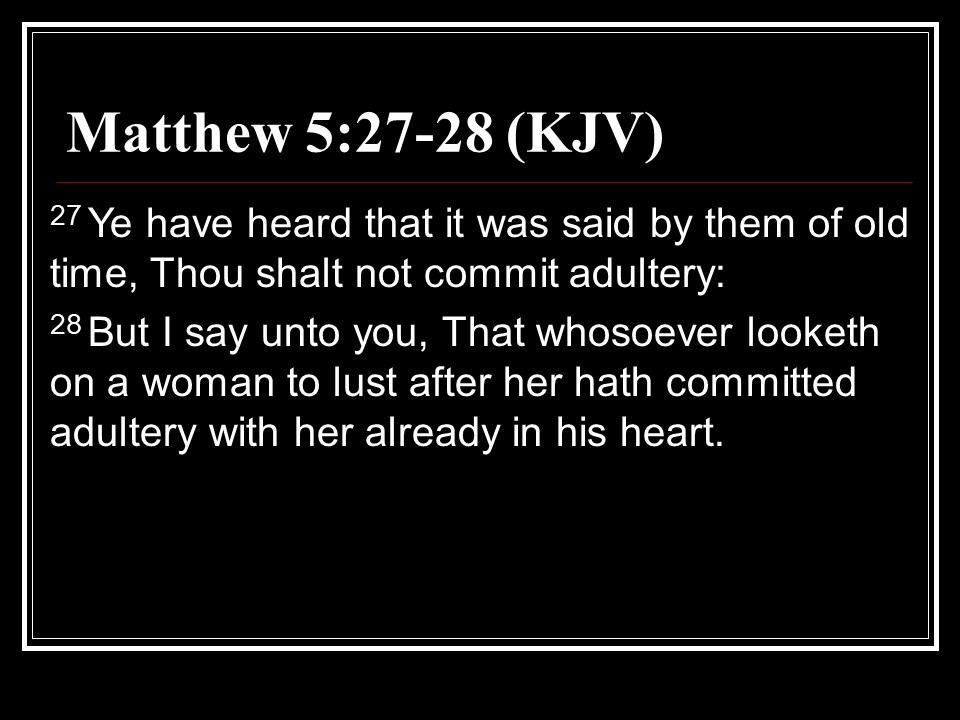
Next, I want to inform all of you that this is really pertaining to men of the world. I want to inform all men that we cannot always consider women as sex objects. Women are designed as a man’s helpmate. Therefore, they are a companion for man himself. I think the reason why this Bible verse exist because men tend to stray with their eyes, and they do not know it.
Moreover, I want to say that I even have to be very careful on how I actually look at women. For Instance, I remember working at the Skyline Chili Restaurant, and there was a young lady that I actually had a crush on. She was one of my co- -workers. Anyway, I stared at her every single day for at least three months. Afterwards, she called one of her brothers to confront me. I would have fought this young lady’s brother. So, I ended up apologizing to her by saying that I am very sorry for starring at her for three consecutive months.
In Addition, I want to say that it was my fault for looking at my co-worker in a sexual manner. However, I have been involved in relationships that were not feasible for me. I was only involved in the relationship to satisfy my sexual appetite. I know that Job was married to his wife, but he lost his children because Satan had killed them.
Further, I want to say that I used to purchase sex from female prostitutes from June 20, 1986 until July 3, 2010. I have spent an undetermined amount of cash on sex. I know that this is wrong. Currently, I am being very careful myself because I have over 5,000 female friends on Facebook, and 7,000 female friends on Mocospace.
I know that I am only a work in Progress. I really need prayer in this area right now. I know that I have a whole lot of female friends. I do not have a crush on them. Some of them were my Church members. I know that even looking at a woman the wrong way would cause a man to end up in jail. The charge is called Aggravated Menacing. This is the reason why I am being very careful of my own personal behavior.
Also, I have not had sex in almost 10 years right now. I know that I have spent a lot of money on female prostitutes. I even had sex with married women. I would like for all of you to please keep me in your prayers because I am asking God to help me in this area of my life. I know that it takes years to recover from a sexual addiction. This is a life- long process. I also know that I grew up being scared of women. I did not have sex for the very first time until I was 20 years old.
Finally, I am actually scared of women. I do not want to be around women or anyone who quarrel. Even though it might be my fault for causing the argument. I only need time to redeem myself personally. People might call me out of my name for being a hypocrite in one way or another. I am only sharing my personal experiences concerning women and Job 31:1.
Matthew 10:36-37 And What It Means to All People!!
What Does Job 31:1 mean to all Men of the World?
By: Anthony Joseph Hopkins/ February 28, 2020

Praise The Lord Saints!! Praise The Lord!! How are you doing today? Fine, I hope. I have a question to ask everyone. What does Job 31:1 Mean to you? What it means to me is that I have to be very careful.

Next, I want to inform all of you that this is really pertaining to men of the world. I want to inform all men that we cannot always consider women as sex objects. Women are designed as a man’s helpmate. Therefore, they are a companion for man himself. I think the reason why this Bible verse exist because men tend to stray with their eyes, and they do not know it.
Moreover, I want to say that I even have to be very careful on how I actually look at women. For Instance, I remember working at the Skyline Chili Restaurant, and there was a young lady that I actually had a crush on. She was one of my co- -workers. Anyway, I stared at her every single day for at least three months. Afterwards, she called one of her brothers to confront me. I would have fought this young lady’s brother. So, I ended up apologizing to her by saying that I am very sorry for starring at her for three consecutive months.
In Addition, I want to say that it was my fault for looking at my co-worker in a sexual manner. However, I have been involved in relationships that were not feasible for me. I was only involved in the relationship to satisfy my sexual appetite. I know that Job was married to his wife, but he lost his children because Satan had killed them.
Further, I want to say that I used to purchase sex from female prostitutes from June 20, 1986 until July 3, 2010. I have spent an undetermined amount of cash on sex. I know that this is wrong. Currently, I am being very careful myself because I have over 5,000 female friends on Facebook, and 7,000 female friends on Mocospace.
I know that I am only a work in Progress. I really need prayer in this area right now. I know that I have a whole lot of female friends. I do not have a crush on them. Some of them were my Church members. I know that even looking at a woman the wrong way would cause a man to end up in jail. The charge is called Aggravated Menacing. This is the reason why I am being very careful of my own personal behavior.
Also, I have not had sex in almost 10 years right now. I know that I have spent a lot of money on female prostitutes. I even had sex with married women. I would like for all of you to please keep me in your prayers because I am asking God to help me in this area of my life. I know that it takes years to recover from a sexual addiction. This is a life- long process. I also know that I grew up being scared of women. I did not have sex for the very first time until I was 20 years old.
Finally, I am actually scared of women. I do not want to be around women or anyone who quarrel. Even though it might be my fault for causing the argument. I only need time to redeem myself personally. People might call me out of my name for being a hypocrite in one way or another. I am only sharing my personal experiences concerning women and Job 31:1.
Matthew 10:36 And What it Means to All People!!
Matthew 10:36 and How it Pertains to All People!!
By: Anthony Joseph Hopkins January 31, 2020
Praise The Lord Saints!! Praise The Lord!! How are all of you doing tonight? Fine, I hope. I would like to start things off by asking everyone a very important question. What does Matthew 10:36 really mean to all of us? The answer is simple. A Man’s enemies will be those of his own household. What is the definition of the word foe? A foe is a chief or principle enemy. This can become in a form of principalities, powers, and demonic spirits.
Therefore, I want to inform all of you that I am powerless over people, places, and things. However, when it comes to the institution of the family, things can breakdown very easily. There can be disagreements over comments and other issues. It is that the very first family in the Bible was Adam and Eve. They had two children named Cain and Abel. I am focusing on these two individuals because God favored one over the other. Eventually, Cain killed Abel over the simple fact that Abel was favored by God.
Next, I want to inform all of you that in my family, I had 5 brothers and 3 sisters. My mother had me out of wedlock. I am saying this because my siblings and I do not get along with each other. I want to say that it is not very easy to have brothers and sisters by different parents. My Father’s name is Joseph Webb. He was married at the time that I was conceived. My mother made a conscious decision to take me to my grandmother’s house because she suffered from Post-Partum Depression. I ended up staying with my grandparents for the first seven years of my life.
Further, I can relate with this Bible verse because all of our hairs on top of our head are all numbered. When it comes to the subject at hand, I was subjected to having my name changed to Anthony Joseph Russell. This is simply because my mother got married as soon as my sister was born. My mother did this out of false pretense. I did not understand why my mother had changed my name just to affiliate with a man. That does not make any sense. To me personally, I attended Edison Elementary School in Dayton, Ohio from 1971 -1976. My mother changed my name to appease her husband Mr. Willie Andrew Russell Sr.
Moreover, I want to inform all of you that my mother had 8 consecutive children by Willie Andrew Russell Sr. This has taken place from 1967 to 1980. I am simply saying all of this because this man tried his best to kill me by putting my head inside of a very hot stove back on May 30, 1972. I will admit that I was staying with my mother at the time. I came home from school hungry and I decided to get something to eat. This man grabbed me and slapped me a few times on my face. He put my head inside of a hot stove because he did not know how to properly discipline children. He was not my father in the first place.
In Addition, I want to say that this man was very abusive both physically and verbally. My mother shot him at the time because what he had done to me. My half siblings and I really do not get along because we have never learned how to really relate well with one another. I also will admit that I became the Man of The House at the time because my mother and stepfather used to leave the house for a long period of time. I also understand that I am not supposed to say things that are against God in any way. This means that God is taking an account of what we actually say out of our mouths. We will be held accountable for our actions.
Finally, this is the reason why I do not believe in men and women having children out of wedlock to begin with. Anytime that men and women get together, it is best to start things off by being friends; instead of having sex with each other. This is simply because it makes things worse. When it comes to Matthew 10:36, my own family members and I do not get along with each other. I know that this pertains to those who live inside of our household. I know that it is not very easy for me to really relate well with people who are very contentious.
In Conclusion, I know that when I was a child, I stayed with my grandparents for safety sake. This is simply because I was around someone who really did not like me as a person. My baby brothers and I relate a whole lot better than the middle children. I can really say that: there is also a lot of division inside of all of the members of the family. There is also a lot of use of vulgarity and a lack of love in the first place. My family members tend to group with one another and forsake those who are older than them.
In Summary, I want to inform all of you that I am in serious need of all of your prayers. This is simply because there are members of my family, who are really against me personally. Matthew 10:36 is very serious to me because I am not accustomed to drama. I cannot stand anyone who goes against the truth. I am not supposed to fellowship with darkness in any form.
Even when it has a whole lot to do with this world. Favoritism also exist in my own family. This is a complete shame. Favoritism also goes against God’s principles. My family members really choose these things. I am saying all of this because I am not used to this form of behavior. Please pray for me and the rest of my family. Thank you very much!!
How to Handle Responsibilities: Especially When It Comes to The Flock and Eldership!!
How to Handle Responsibilities: Especially When It Comes to The Flock and Eldership by Anthony Hopkins 10/22/20
Good Day Everyone!! Greetings!! How are all of you doing today? Fine, I hope. This is an essay concerning the eldership and the flock. First, I want to say that an elder is a mature person of the Church. An elder is a person who is older and very wise. Second, elders are to serve the flock by attention and prayer. I want to inform all of you that I have been writing about the Bible for the past 11 years now.
I want to inform all of you that we are supposed to bear the responsibilities of an elder; especially when it comes to taking care of others. Hebrews 12:17 says: For you know that afterward, when he wanted to inherit the blessing, he was rejected, for he found no place for repentance, though he sought it diligently with tears. I want to inform all of you that Esau was rejected of his blessing from God because he has given up his birthright to his brother Jacob. Esau sold his birthright for some food. When it comes to the elders, the elders are supposed to be responsible for his own family members as well as the Church.
Acts 20:35 says: It is more blessed to give than to receive. This Bible verse means that we are supposed to help others. Jesus Christ stated that we are supposed to be imitators of Christ. For me personally, I am the type of person who loves to share everything that I have right now. I know that I have been taken advantage of by numerous of people. I guess some people do not want your kindness whatsoever. It hurts me because I will do my very best to help anyone. It does not matter who they are personally. I do not know right now because I have to start paying my tithes and offerings to my Church. A close friend told me that I should pay all of my tithes and offerings first and foremost.
Next, when it comes to the eldership and the flock, I have to learn how to be more responsible for myself and others. I know that being an elder requires a lot of responsibility. The flock is the sheep. The flock is the people who are members of the Church. I have to view the flock as people, who are in need. The flock, can also be non-members of the Church.
The Cost of Discipleship is very important. Discipleship is an action word. It consists of things that must be done for the Lord. I know that How do you define discipleship?
1: one who accepts and assists in spreading the doctrines of another: such as. a Christianity: one of the twelve in the inner circle of Christ’s followers according to the Gospel accounts. b: a convinced adherent of a school or individual a disciple of Freud. In Christianity, disciple primarily refers to a dedicated follower of Jesus. …
In the ancient world, a disciple is a follower or adherent of a teacher. It is not the same as being a student in the modern sense. A disciple in the ancient biblical world actively imitated both the life and teaching of the master.
Elders are supposed to protect the Church from false teachers. Elders are supposed to contend for the faith, refuting and rebuking false teachers. This means that an elder is supposed to protect his flock. An elder is a responsible leader. An elder is a person who is always observant, gentle, honest, kind, and protective of the Church. An elder is supposed to preach and teach members of his flock or the Church.
Elders are supposed to pay close attention to the things around him. An elder is supposed to be the overseers of the Church. Elders are leaders as well as a person who is solely responsible for his family as well as his Church. Thank you for reading my essay. Please have a wonderful day!!
 Site Title