The Importance of The First Will Be Last!!

Why Does Jesus Say the “First Will Be Last”?

 Share Tweet Save

Dave JenkinsLine of people waitingFriday, November 6, 2020https://bf5018941f963f76cfcc46667f327d08.safeframe.googlesyndication.com/safeframe/1-0-37/html/container.html#xpc=sf-gdn-exp-4&p=https%3A//www.biblestudytools.com

Matthew 20:16, “So the last will be first, and the first last.”

The condition of a sinners’ heart before the Lord matters, for He not only knows but sees the heart of man and whether they belong to Him or not. Further, He sees the hearts of the people of God and the way they render service under His searching gaze. The Lord owes salvation to no one but gives it freely as a gift of His grace, so we have no right to complain when grace is shown to others as it has been shown to us.

What Is Leading Up to This Verse?

The context of Matthew 20 begins in Matthew 19:1 and runs through 20:34. The Galilean ministry of the Lord Jesus has now ended, and Jesus and His disciples begin the journey towards Jerusalem. In 19:3-12, Jesus explains the sanctity of marriage and reveals the tragedy of the rich young man (Matthew 19:16-22) in contrast to the gracious reward awaiting those who follow him (Matthew 19:23-30). This then leads to the parable of the vineyard workers in Matthew 20:1-16.

Jesus then gives the third prediction of His death (Matthew 20:17-19) and sets an example for community sacrifice, suffering, and service (Matthew 20:20-28). As he and his disciples begin their ascent to Jerusalem, Jesus mercifully heals the blind man in Jericho (Matthew 20:29-34).

After promising Peter a great reward for leaving everything behind to follow Him (Matthew 19:27-30), Jesus tells the Parable of the laborers in the vineyard (Matthew 20:1–16).

Photo credit: ©Getty Images/jacoblund

Line of people waiting

Matthew 20:16 and the Parable of the Workers in the Vineyard

https://bf5018941f963f76cfcc46667f327d08.safeframe.googlesyndication.com/safeframe/1-0-37/html/container.html

The Old Testament prophets sometimes spoke of Israel as the vineyard of the Lord (Isaiah 5:1-7; 27:2-11; Jeremiah 12:10-11). When Jesus spoke of a landowner hiring idle day-laborers for his vineyard, his listeners would have thought of the Lord urging individuals, even those on the margins of society, to join his people (Matthew 8:1-17; 9:10-13; 20-22; 32-34; 11:5; 12:9-14; 15:21-31; 17:14-21).  

The Parable in Matthew 20 about the workers and the vineyard is found only here in Matthew 20:1-16 and is given in response to Peter’s question in Matthew 19:27. Peter wanted to know the reward that would be given to those who give up everything to follow Him. Jesus’ response helps the disciples, and Christians today, understand the truth about the Kingdom of heaven

Matthew 20:16 means that a disciple of the Lord Jesus should not measure their worth by comparing it with accomplishment and sacrifices of others, but should focus on serving the Lord and others with a heart of gratitude in response to the grace of God. 

Jesus is not denying degrees of reward (1 Corinthians 3:14-15) but affirming that the generosity of God is more abundant than anyone would expect: all the laborers except the very first got more than they deserved. 

Furthermore, Jesus’ teaching here is not saying all there is about rewards (Matthew 25:14-30). By grace alone, the Lord makes all Christians citizens of the Kingdom of God regardless of their service or zeal. None deserve the grace of God, nor any rewards, so we should not be resentful of fellow Christians who are influential or prominent, but humbly serve the Lord where He has placed us.

Photo credit: Unsplash/Amos Bar-Zeev

Line of people waiting

How Will the First Be Last?

https://bf5018941f963f76cfcc46667f327d08.safeframe.googlesyndication.com/safeframe/1-0-37/html/container.html

Jesus first made the statement about the first being last in Matthew 19:30. The first statement’s context is made in the encounter with the rich young ruler in Matthew 19:16-30. The young man Jesus spoke with turned away from him, unable to give up his great wealth (Matthew 19:22). Jesus’ disciples asked the Lord what reward they would have in heaven since they had given up everything to follow Him (Matthew 19:27-30). Jesus promised them “a hundred times as much” plus eternal life (Matthew 19:29). Jesus’ response in Matthew 19:30 is, “But many who are first will be last, and many who are last will be first.”

Jesus’ point in Matthew 20:16 illustrates the point made to the rich young ruler in Matthew 19:16-30. The point isn’t that the rich are always last in heaven, nor are the poor always first. Neither is the point that Christians will enjoy influence and wealth in this life or that earthly rank translates into a heavenly rank. Jesus’ point is that God, who sees the heart, will reward accordingly.

The disciples are an example of those who may be first, and they were poor, but the rich young ruler is an example of one who may be last. His wealth did not make him last, but his response to Jesus did. The best way to understand Jesus’ point in Matthew 19:30 and 20:16 is all Christians, no matter how hard they work during their lives, will receive the same reward: eternal life. The thief on the cross in Luke 23:39-43 was limited to a moment of repentance and confession of faith in Jesus, received the same reward as Timothy, who served the Lord for years. The ultimate reward of eternal life will be given equally to all based on the grace of God in Jesus.

Matthew 20:16 helps Bible readers understand there will be many surprises in heaven because heaven’s value system is far different from the earth’s. Those who are esteemed and respected like the rich young ruler will be frowned upon by the Lord. God will reward those despised and rejected, like Jesus and the disciples, and even as some Christians are treated by the world today.

Jesus wants Christians not to get caught up in worldly thinking and fall into error but be faithful to Him. Those who are first in their opinion of others may be shocked to learn on Judgment Day they are last in the opinion of the One that matters most, the Lord God.

Photo credit: ©Getty Images/Monkey Business Images

Line of people waiting

What Does This Parable Teach Us about the Kingdom of Heaven?

https://bf5018941f963f76cfcc46667f327d08.safeframe.googlesyndication.com/safeframe/1-0-37/html/container.html

Here in the Parable of laborers in the vineyard, we learn that God makes entry into His Kingdom possible for all types of people, with no distinction based on their abilities, efforts, or social standing. Joining the people of God, entering the Kingdom, and experiencing salvation come by the power of God through the grace of God, apart from anything that can be done to earn them.

Because of this, many whom the unbelieving world system of values would assign to the lowest place in any system of government or culture will occupy the highest place when God fully established His rule at His Second Coming. 

What Does This Verse Mean for Us Today?

People today equate fairness with getting what they deserve. If I say, “I deserve this” and then state what I deserve in terms of demanding my rights be satisfied, I’m arguing I deserve fairness because of my rights. All people deserve to be treated fairly because every person is made in the image and likeness of God. When it comes to fairness and eternal life, what we deserve isn’t eternal life, but hell. Eternal life is so precious because Jesus came in His Incarnation under the sentence of death, giving us eternal life.

In the Parable, the master gave all as he promised, a fair and agreeable wage. Central in the ministry of Jesus was eternal life, and so the lesson is that God never deprives anyone of anything they deserve and never gives us less than what we deserve. 

The biblical God is not only the Creator, but He is our Covenant Lord as Christians. By all rights, the One who gives life and sustains life has the right to tell us what to do and to tell us what our lives should be like. By all rights, the Lord has every right to be a cruel taskmaster, but He is not. The Lord is always fair.

Photo credit: ©Getty Images/Romolo Tavani

Line of people waiting

Is This Verse Fair?

The accusation often goes out that the Lord is unfair in judgment. What sinners deserve is death and damnation, but what the Lord gives sinners through the finished and sufficient work of Jesus is grace and mercy. There are two choices here in response to this teaching: salvation by grace or damnation by works; no one is good enough to earn God’s presence apart from Jesus. In the death of Jesus, the wrath of God was fully satisfied by Him. The Lord, in His death and resurrection, has given man the greatest gift ever so His own could be forgiven, adopted, and loved by Him. 

In the Parable, in Matthew 20, everyone gets one denarius, which is what a worker needs to live. The payment represents eternal life, and the workers represent the people of God. Some people work hard and long like Timothy, others only serve Him for a little while. Others, like the thief on the cross, believe in Jesus and go immediately to heaven

The story Jesus tells us helps us understand the fairness of God’s justice and also celebrates the Lord Jesus’s generosity. Whether we have believed in Jesus at a young age or an old age, we all have received the greatest gift of God possible in the grace of the Lord Jesus. Jesus’ point here is that He is fair to everyone whether they labor all day or one hour in His name. The workers’ point in the story is that the people of God know that God mistreats no one, so if they stumble, they stumble over the grace of God and His generosity, not His injustice. 

God is gracious to those who deserve nothing, for it is His sovereign pleasure to give good gifts to the people of God, which is why all Christians receive the same gift, eternal life. The Parable means that even when Christians balk at the generosity of the grace of God from time to time, we do so because we have within us remnants of the Pharisees. This is why every Christian needs to meditate on the generosity of God, turn from our pride, and trust in the perfect righteousness of Jesus alone as recovering Pharisees (1 John 1:9; 2:1-2).

Photo credit: Pixabay/Arek Socha

Line of people waiting

Love the Giver More Than the Reward

The Parable of the workers in the vineyard helps Christians to delight in the grace of God that is theirs in union with the Lord Jesus. It also serves as a warning that we should never serve Jesus for the sake of a reward we think the Lord owes us. Such an attitude shows that we love the reward rather than the giver of the gift, which also reveals the force of Jesus’ warning in Matthew 20:16, “So the last will be the first, and the first will be the last.” 

The rich young ruler is significant in this story because he wanted power and prestige but wasn’t willing to follow Jesus. The greatest danger in the world is that we will do what God asks and then focus on our performance rendered to Jesus rather than to the Lord to whom we render it. The Lord Jesus knows this and loves the people of God enough to warn them about it. With that said, He also does more than warm us about it, but He calls us back to Himself to delight in the grace of God and the gifts of God, so to love him heart, mind, and soul (Matthew 22:37-40).

The Importance of Jesus Wept!!


Short and Sweet: Why It’s So Important That “Jesus Wept”

Bethany Verrettjesus wept bible verse meaningSunday, November 1, 2020 Share Tweet Save

Some of the most powerful concepts in the Bible come in short books, passages, and even little verses. Studying these passages can be informative and spiritually nourishing. One tiny verse, considered the shortest verse in the English language, that contains a lot of important spiritual truth and shows a great deal about Jesus Christ is John 11:35. “Jesus wept.”

It reveals aspects of His human nature, though He was God incarnate, as well as His great care for the people He came to save. By understanding that even the Lord Jesus grieved, experienced sorrow, and felt the weight of loss, it gives believers permission to feel sad when a loved one passes away, even though believers who die go to be with the Lord and will be resurrected bodily one day when Jesus returns. For those left behind, there will be tears, but Jesus understands, and is there to provide comfort and hope. 

What Is the Context of This Verse?

Surrounding this small verse is one of the important accounts of the life of Jesus Christ. He had friends in the town of Bethany, which was situated outside of Jerusalem in what is now the West Bank area. This family was made of two sisters, Mary and Martha, and their brother Lazarus.

At the beginning of the chapter, they ask Jesus to come quickly to see them, because Lazarus was sick. Unbeknownst to the sisters, Jesus had to wait to fulfill the Scriptures and the prophecies about the Messiah. When Jesus finally arrived, his friend had been dead for three days. He speaks to the sisters who both affirm they believed Jesus could heal Him, and their faith that He was the Messiah had not been shaken. When He saw the tears of Mary, and the sisters offered to take Him to the body, the Bible records this is when He wept. 

This picture of the Messiah weeping powerfully shows the dichotomy of being both fully-God and fully-man. He had the full power to restore His friend to life and knew that He would be doing so imminently. Yet He was moved by the sorrow of those He loved and cried alongside them.

The Book of Isaiah prophesied the Messiah would be a man of sorrows. “Surely he has borne our griefs and carried our sorrows” (Isaiah 53:4a). Jesus was burdened by the grief of others. Though He knew everything was about to change for the better, He cried and mourned with others because He was keenly aware they could not know the miracle about to be performed. 

What Does This Verse Mean?

The direct meaning of this verse is simple, when He went to the tomb of Lazarus, He shed tears. Its deeper implications touch on the complicated nature of Jesus Christ. Because Jesus is God the Son, He is one with God, and even participated in the Creation of the world with the Father and the Spirit.

The Book of John says, “In the beginning was the Word, and the Word was with God, and the Word was God” (John 1:1). Jesus knew the will of God and that Lazarus would be returned to life. He did not weep because He was uncertain of His ability to do this miracle or because He feared Lazarus would stay dead. Jesus wept because He experienced and understood the same feelings as the people around Him. 

The Lord Jesus lived a perfect life, overcoming sin, suffering, and even death itself despite being clothed in flesh and subject to human weaknesses. Despite living a perfect life, standing before a tomb, He cried. For people, it does show that it is okay to grieve, to process strong emotions and terrible situations, and to cry.

Some Christians suppress their emotions, or mistakenly believe because there are verses which make statements such as, “Rejoice in the Lord always; again I will say, rejoice,” (Philippians 4:4) that it is sinful, wrong, and inappropriate for them to grieve. They fake joy in moments when they should feel upset. Some people do not allow themselves to grieve out of misplaced pride. Jesus being willing to cry demonstrates this misplaced pride is not appropriate. In fact, Paul wrote, “Have this mind among yourselves, which is yours in Christ Jesus,who, though he was in the form of God, did not count equality with God a thing to be grasped,but emptied himself, by taking the form of a servant, being born in the likeness of men. And being found in human form, he humbled himself by becoming obedient to the point of death, even death on a cross” (Philippians 2:5-8).

Jesus was humble to the point of shedding His glory, coming down from Heaven, and even humble enough to cry with people in mourning.                                              

Is This Really the Shortest Verse in the Bible?

This verse is the shortest verse in many, but not all languages. In certain languages, the grammar structure requires an extra word for it to be correct. In different languages there are other sentences that are shorter because of the variety of language structures in the world. In the Hebrew Bible, Job 3:2 is the shortest verse. In English, it reads, “And Job said,” in part because of the Hebrew practice of removing vowels.

Some translations of John 11:35 include:

– English: Jesus wept

– German: Jesus weinte

– French: Jésus a pleuré

– Spanish: Jesús lloró

– Arabic: بكى المسيح

– Greek: Ο Ιησούς έκλαψε

– Korean: 예수가 울다

The length of the verse varies depending on the language, but the importance and meaning of the verse does not change. All these translations refer to Jesus Christ crying out of grief at the tomb of His friend Lazarus. 

Praying women on a couch, Remember the sanctity of home as we return to physical churches

Photo credit: Unsplash/Ben White

How Can We Know That God Understands Our Pain?

God is omnipotent, and He knows all things, including how His creation feels. In fact, humans were created to feel, because God feels.

“Then God said, ‘Let us make man in our image, after our likeness….So God created man in his own image, in the image of God he created him; male and female he created them’ (Genesis 1:26a, 27). He created people with emotions and He understands them. The Bible tells its readers that God loves, “For God so loved the world, that he gave his only Son, that whoever believes in him should not perish but have eternal life” (John 3:16).

It also says that He sorrows. One example of God’s distress is when speaking through the prophet Jeremiah to the nation of Israel; “My joy is gone; grief is upon me; my heart is sick within me…. I mourn, and dismay has taken hold on me” (Jeremiah 8:18a, 21b). He desires to see everyone saved, and is grieved that people reject eternal salvation, and turn from His love. 

Ultimately, believers can be assured that God understands the pain of His creation, for many reasons. He gave them, created them, and feels them Himself. For those who are currently mourning, His Spirit is with them. “The Lord is near to the brokenhearted and saves the crushed in spirit” (Psalm 34:18). Jesus reaches out to those who are poor, in pain, and who suffer, because He has experienced that same loss. By the time He comes of age, it is implied He lost His step-father Joseph. His cousin and prophet John the Baptist was beheaded. Lazarus was a good friend, and Jesus grieved. He wept, and He understands why people cry.

When mourning, reach out to Him, pray for comfort, and He will respond. 

Sources

Brownlow, Leroy. Jesus Wept Trusting the Good Shepherd When You Lose a Loved One. Fort Worth: Brownlow Publishing Company, 1969.

Omokri, Reno. Why Jesus Wept. United States of America: RevMedia, 2015.

Tozer, A.W. Jesus Our Man in Glory: 12 Messages from the Book of Hebrews. Chicago: Moody Publishers, 1987.

One

Touching Lives with James Merritt DAILY DEVOTIONAL EMAIL Subscribe to receive the daily devotional from Dr. James Merritt right into your inbox SUBSCRIBE One November 2, 2020 “Just as a body, though one, has many parts, but all its many parts form one body, so it is with Christ. For we were all baptized by one Spirit so as to form one Body – whether Jews or Gentiles, slave or free – and we were all give the one Spirit to drink.” 1 Corinthians 12:12-13 There is a word that is used repeatedly in 1 Corinthians 12:12-13 – One. Five times the Apostle Paul writes about the Body of Christ being “one.” Before the Holy Spirit came at Pentecost it was impossible for Jewish, Gentile, or Samaritan believers to come together as one. They had no unity because there was no basis for unity…no unifying power. But when the Holy Spirit came, even on the first day, God took people from different backgrounds, races, and regions and made them one. For the first time, diversity and unity could coexist. It wasn’t just that people came together; the Holy Spirit supernaturally connected them. On that one day, God did something never before seen in the history of this world. He took people from different races, regions, social classes and genders and made them into one Body. Because of the baptism of the Holy Spirit, Christians are not just friends who have fellowship; we are family. We have all been made a part of the Body of Christ. The only answer to racism is the baptism of the Holy Spirit. You can try education and legislation, but the only lasting answer is regeneration by the Holy Spirit. Christianity is about tearing down walls and building bridges. Just look at the Body of Christ. We have males and females. We have liberals and conservatives. We have blacks, whites, Asians, Indians, and Hispanics. But we are not many – we are one by the Spirit of the living God. What unites us is far greater than anything that might divide us. The Holy Spirit baptizes us together into the Church and also unites us together within the Church. There is no room for racism within the Body of Christ. There is no room for factions, division, gossip, or unforgiveness. These are contrary to the Word of God, and to the unity of the Spirit of God. Christ said the world would know His Church by our love for one another. The Holy Spirit makes this love not only possible, but also tangible. What would happen in our world if the Body of Christ reflected the true unity of the Spirit? Dear Lord, thank you that even during times of such division, we can find unity in you. Help me to reflect the true unity of your Spirit and to love those around me the way you love me. In Jesus’ name, amen. Topics: Racial Reconciliation Bible Reference 1 Corinthians 12:12-13 For just as the body is one and has many members, and all the members of the body, though many, are one body, so it is with Christ. For in one Spirit we were all baptized into one body—Jews or Greeks, slaves or free—and all were made to drink of one Spirit. About Contact Us Jobs Pastor Resources Prayer Request Privacy Policy Copyright © 2019 Touching Lives, Inc. | 1800 Satellite Blvd, Duluth, GA 30097 | United States | 770-982-0168 Touching Lives is a 501(c)(3) not-for-profit organization

Ephesians 5:1-2: And What It Really Mean to All People!!

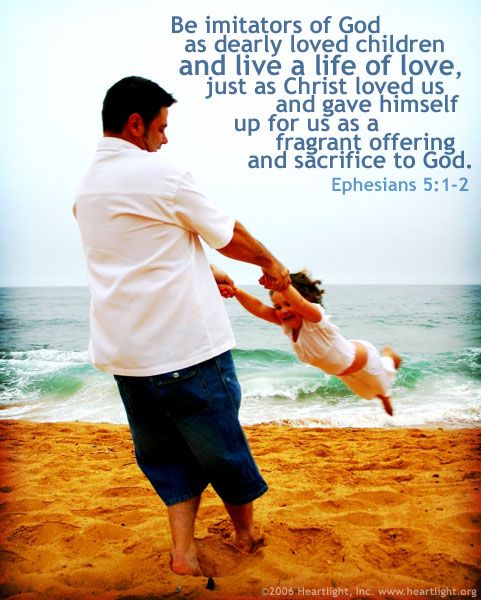
Ephesians 5:1-2: And What It Means to All People!!  By Anthony Joseph Hopkins October 31, 2020

        Praise the Lord Saints!!  Praise the Lord Everyone!!  How are all of you doing today?  Fine, I hope.  I would like to start this essay off by asking a very important question.  How do you go by becoming an imitator of Jesus Christ?  I am asking this question because I had to learn how to become an imitator of Jesus Christ from being around my mother, grandmothers, aunt, and from my grandfather. 

Next, I want to say to everyone that I really need your prayers right now.  I want to be transparent by saying that I had to start all over again.  This is because I am a hoarder; I am a very lazy person.  I also want to say that my apartment is very messy.  I have been very generous to everyone else except myself.

Furthermore, I also want to say is that I help others more than myself.  I realize that right now that the money that we earn each month does not belong to us.  Our money belongs to God.  The air that we breathe out of our mouth does not belong to us.  According to Psalm 144:4 says: Man is like a breath.  His days is like a passing shadow.

How do we learn to become imitators of Jesus Christ as dear children?  First, we have to make an honest omission and confession to God, to ourselves, and to others.  We have to let go and let God.  We have to give God an opportunity to work in our lives.  I will admit that I hear voices that others do not hear.  These voices are not the Holy Spirit.  I listen to secular music from Mary J. Blige because it soothes me from hearing the voices.

Frankly, I suffer from a mental illness called schizoid affective disorder.  This means that I suffer from schizophrenia and bipolar disorder at the same time.  I do not want to be labeled as a double minded person.  I have been listening to church sermons rather than secular music.  I am very overwhelmed by the voices that I hear that other people do not hear.

I am completely ready to submit to God.  I have to learn how to take salvation very seriously.  Another Example, is that my neighbors, who live inside of my apartment building play loud music all night long.  They also drink alcohol, and smoke marijuana.  I have been living inside of my apartment for almost 10 years now.

In Addition, I attend Fort McKinley United Methodist Church in Dayton, Ohio.  I have been a member of the church for almost 6 years now.  I am a Christian man.  I am confessing my faults and trespasses to everyone.  My neighbors keep me up all night by playing loud music.  They smoke cigarettes inside of the hallway inside of my apartment building.  It bothers me because I suffer from asthma right now.

Finally, I still have a question to ask.  How do you really deal with very difficult people?  My neighbors, who live on my floor are very apathetic.  I really need help this time around because I am trying my best to stay out of trouble.  Thank you for understanding me as a person.  I have been praying to God about my personal problems but God does not hear me because I am viewed as a sinner myself.

2nd Chronicles 20:15: And What It Means To All People!!

2nd Chronicles 20:15: And What It Means to All People!!  By Anthony Joseph Hopkins October 30, 2020

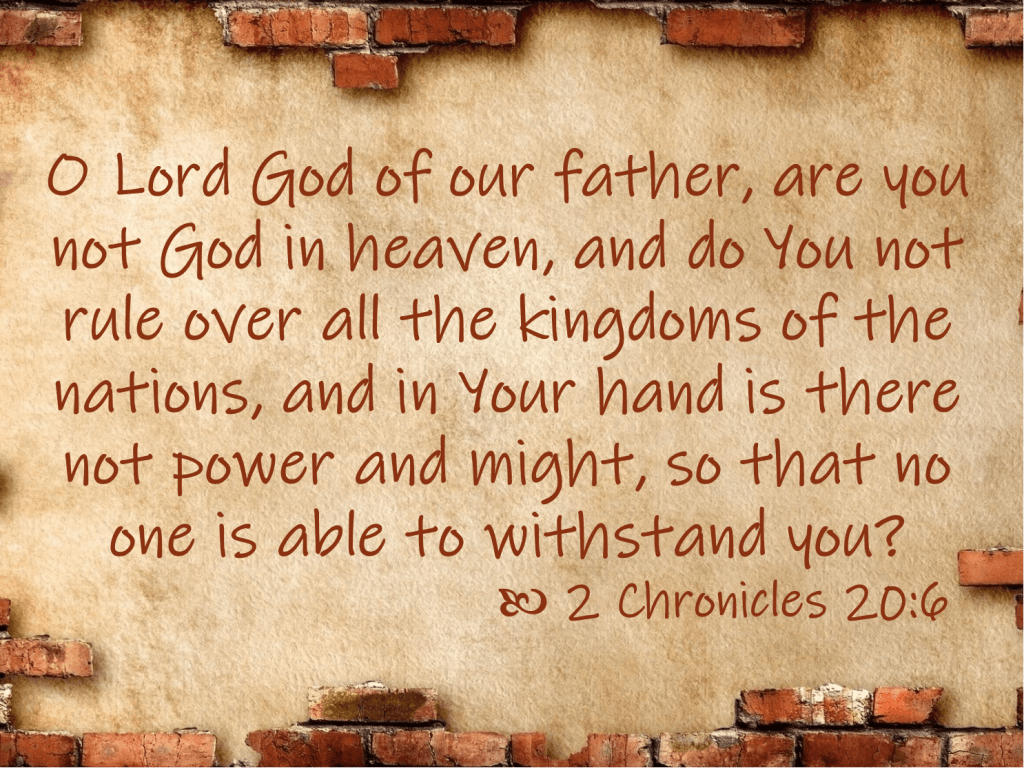
        Praise the Lord Saints!!  Praise the Lord!!  How are all of you doing today?  Fine, I hope.  I want to inform all of you that this is an essay about one Bible verse.  The Bible verse that I am talking about is 2nd Chronicles 20:15; This Bible verse says as follows: And he said “Listen all of you Judah and you inhabitants of Jerusalem, and you King Jehoshaphat Thus says the Lord to you:

“Do not be afraid nor dismayed because of this great multitude, for the battle is not yours, but God’s.  This Bible verse means that our battles do not belong to us.  Our battles belong to God!!  I want to inform all of you that I read 2nd Chronicles, but I did not understand it.

Next, I want to inform all of you that God has been fighting our battles for years.  God is in control of all things.  This is the reason why I praise Him.  I also give Him thanks for all things.  I want everyone to know that God is my Personal Savior.  I really love this Bible verse because it gives me hope, protection, and peace.  I want to mention that we should give God the praise everyday of our lives.

Moreover, for the battle is not yours, but God’s: gives me an indication that God is here for all of us.  I love the Lord so much that I am so happy to have Him on my side.

  Proverbs 18:10 Says: The name of the Lord is a Strong Tower; the righteous run to it and are safe.  The Lord is our Provider, Savior, and a Strong Tower.  I love the Lord so much that I am willing to do anything for Him.

Lifelong Honesty

Touching Lives with James Merritt DAILY DEVOTIONAL EMAIL Subscribe to receive the daily devotional from Dr. James Merritt right into your inbox SUBSCRIBE Lifelong Honesty October 30, 2020 Better is a poor person who walks in his integrity than one who is crooked in speech and is a fool. (Proverbs 19:1) Yesterday we talked about young Samuel and his choice to tell the truth under difficult circumstances. Now let’s fast forward about forty years. Samuel is in his mid-fifties, his ministry is coming to a close, Israel has decided they want a king and he leads them to find a king. It is time for him to leave the stage, and he is giving his swansong. As he does, he is able to once again portray complete honesty with his people. Is there any better thing in life than to come to the end of it and be able to review your life, your ministry, the way you walked, the way you talked, the way you acted, the way you lived and not be afraid or ashamed? What was the conclusion of the people who were appointed as both judge and jury over his life? Samuel is going to walk away with a divine certification of his honesty, and his decency, and his integrity. There is nothing better, nothing greater, nothing higher in ending whatever career God has given you than to know what everyone else knows you always speak truth with your lips, and you show truth in your actions. So, this superstar Samuel began his life by being honest and telling nothing but the truth and he ended his life by being honest and telling nothing but the truth. God is always looking for honest people. People who will be honest whether anyone is looking or not. People who will tell the truth even when it is not popular, who will keep their promises, and whose word is their bond, because when He speaks, He doesn’t tell us anything but the truth and when we speak neither should we. Dear Father, how grateful I am that you are an honest God who tells me nothing but the truth, for you are the Truth! I pray that you would help me to strive to be honest all the days of my life, and that I would live a life of integrity and therefore represent you well. In Jesus’ name, amen. Topics: Honesty Bible Reference Proverbs 19:1 Better is a poor person who walks in his integrity than one who is crooked in speech and is a fool. About Contact Us Jobs Pastor Resources Prayer Request Privacy Policy Copyright © 2019 Touching Lives, Inc. | 1800 Satellite Blvd, Duluth, GA 30097 | United States | 770-982-0168 Touching Lives is a 501(c)(3) not-for-profit organization

What Does 1st John 2:8 Mean?

Verse of the Day ▼ Devotions ▼ Search Home Verse Of The Day 1 John 2:8 ◄ What Does 1 John 2:8 Mean? ► On the other hand, I am writing a new commandment to you, which is true in Him and in you, because the darkness is passing away and the true Light is already shining. 1 John 2:8(NASB) Verse Thoughts It was the Father’s love that Christ came to display, for God so loved the world that He gave His only begotten Son, that whosoever believes in Him shall not perish, but have eternal life. And as His children we are to reflect this holy love of God in our lives. God demonstrates His own love toward us, in that while we were yet sinners, Christ died for us. God is Love, and by this.. the love of God is manifested within us, in that God has sent His only begotten Son into the world, so that we might live through Him. From the start of His ministry to His cruel crucifixion on Calvary’s Cross, Jesus taught His disciples to love one another, with a godly love. “Love one another as I have loved you, by this shall all men know that ye are My disciples.” The love of God for us is displayed, from the beginning of Christ’s ministry – it is displayed from His birth in Bethlehem to His sacrificial offering on the Cross and glorious Resurrection. Indeed, God purposed to redeem fallen man before the foundation of the world and His work of reconciliation continues unabated today. SURELY – if, while we were enemies of God, we were reconciled to Him through the death of His Son, how much more, having been reconciled, we shall be saved by His life. Our love for the Lord has nothing to do with our goodness. It is because He loved us first and determined to redeem us through the precious blood of His only begotten Son. Our loving, heavenly Father did not spare His dearly beloved Son, but delivered Him up to be crucified for us all – so that by faith in His sacrificial death and glorious Resurrection, we might be redeemed and declared holy – by faith. If His amazing love for us is the glorious truth of our reconciliation to God.. how can we fail to believe that He will not keep His many precious promises – which are YES and AMEN in Christ. How can we fail to trust that He will complete the good work that He has started in each of our lives? Love is the essence of God which permeates His character and John is explaining here, that he was not calling us to adopt a new and different commandment. He was simply reiterating the same glorious commandment that he himself had heard, from the lips of the Lord Jesus, just before His sacrificial death and glorious Resurrection – so many years before. “A new commandment I give unto you,” were the staggering words of Jesus to His disciples that day. “A new commandment I give to you, that you love one another. As I have loved you – you are also to love one another. By this, all men will know that you are My disciples… if you have love, one for another.” However, that beautiful, old command that the Lord Jesus gave to His disciples only hours before His death, to love as HE loved you, is as fresh and new today as it was when first spoken to His disciples in the upper room – or written by John, many years later, in his first epistle. The supernatural love which was demonstrated in Christ’s life towards His beloved disciples, can equally be manifested in our lives, for Jesus is the Light of the world, Who was sent by the Father to dispel the shadows of darkness.   And we, who are His children, have been assigned to be lights in this darkened, sin-sick world, in Christ’s absence. We are to shine as lights in the world and reflect the love of God in our lives. We are to shine the truth of the glorious gospel of Christ into the lives of others, in word and in deed. We are to love as Christ loved us and be used by Him to dispel the darkness by proclaiming the truth – because JESUS, the True Light has come into the world and is already shining forth the truth. The enemy, who has sought to shroud the truth of the glorious gospel of God, and seeks to prevent it from shining into the hearts of those that trust His word, was defeated at Calvary…. and we have been given ALL we need for life and godliness. We have the power of the indwelling Spirit shining in our hearts, and we are to act as gleaming mirrors of Christ’s beauty, reflecting His love and grace  – as we abide in Him and He in us. Let us never hide behind self-inspired excuses, for we have been enabled to love as Christ loved us, through His Holy Spirit. However, we are only enabled to display this supernatural love, as we appropriate ALL that is ours in Him. It is IN Him and BY Him and FOR Him, that we are enabled to become the ‘light of Christ’, shining in a shrouded world, where by faith, darkness is passing away as the glorious Light of the gospel of grace floods into the lives of those that are saved by grace through faith in Him – as witnesses of the truth. My Prayer Heavenly Father, thank You for the beautiful commandment of Christ, to love as He loves, which is ever old, yet ever new. Thank You that the thick, gloomy darkness, that has shrouded the heart of man for so long, was overcome by Jesus Christ, the Light of the world. Thank You that the darkness of sin, Satan, death, and hell is passing away and that the true Light of Life is already shining in our hearts, and in the lives of all who are saved by grace through faith in Him. May I be a true witness to Your goodness and grace, and may I learn to love as Christ loved, and to mirror His supernatural love in my life, for His praise and glory. This I ask in Jesus’ name AMEN. ◄ Previous: 1 John 2:7 Next: 1-John 2:11 ► Choose a Verse from 1 John 2 1234567891011121314151617181920212223242526272829 Matthew 25:23 Ezekiel 36:26 John 8:19 Colossians 3:14 Follow us 1 John 2:8 Further Study 1 John 2:8 in the Parallel Bible 1 John 2:8 in the Thematic Bible 1 John 2:8 Cross References 1 John 2:8 Treasury of Scripture Knowing 1 John 2:8 Sermons 1 John 2:8 Prayers 1 John 2:8 Images 1 John 2:8 Devotionals Choose Chapter Subscribe to the Verse of the day Today’s Devotionals Faith The Reality of ‘Knowing’ Lamentations 3:26 Song of Solomon 2:15 Personal Poverty Faith Fundamentals Patiently Endure Doctrinal Statement / Privacy Policy / Use of Pictures / Donate / Contact Us © Copyright [2011 – 2020] Knowing-Jesus.com – All Rights Reserved ×

Deuteronomy 22:5: And What it Means to All People!!

Deuteronomy 22:5: And What It Means to All People!!  By Anthony Joseph Hopkins October 29, 2020

        This is an essay that is pertaining to one Bible verse.  The Bible verse is Deuteronomy 22:5: Says A Woman shall not wear anything that pertains to a man, nor shall a Man put on Women’s garment, for all who do so are an abomination to the Lord your God.  I personally understand that it is the 21st Century.  It is that men and women are not reading the Bible.

Next, this Bible verse is very simple.  A man is not supposed to wear anything that belongs to a woman, and a woman is not supposed to wear anything that belongs to a man.  This is the reason why there is something called unisex.

21st Century

        Today, Women are wearing Men’s clothes and shoes today.  I have noticed that mean is getting sex change operations.  Men are dating other men, whereas, Women are dating each other.

 Further, less than 10% of the United States Population are transsexuals.  In Addition, Men and Women are dating the same sex. 

        I have selected this topic because we are living in the Last Days Worldwide: according to the Bible.  During the President Obama Administration, the United States Supreme Court approved of same sex unions in the United States.  The Supreme Court has been biased when it comes to their decision-making processes.

        Moreover, during the past 30 years, textile industries have been making unisex clothes.  There are certain things, or customs that are socially acceptable for both men and women today.  I want to inform everyone that when it comes to outer apparel, companies are making coats and jackets for both men and women.  I even know that it seems like our society has accepted a same sex agenda.

        In Addition, I want to say that certain equipment that we use for general purposes are now unisex equipment.  When it comes to Deuteronomy 22:5, this Bible verse is being ignored today.  I say this because people are doing exactly what their hearts desired.

        Furthermore, I want to say that everything has changed so much that it is leading to a state of demoralization right now.  To be honest, I really think that the same sex agenda should be abolished in the United States.

        Finally, I want to inform all of you that everyone should read this Bible verse.  This is the reason for the Torah.  The Torah means Mosaic Laws.  The Laws from the Old Testament in the Bible.  The Bible verse that I am talking about is simple.  Men should practice things that pertains to men, and women should practice things that are feasible for women.  We have to learn how to be transparent in our behavior and actions.

What Does 2nd Timothy 3:14 Mean?

Verse of the Day ▼ Devotions ▼ Search Home Verse Of The Day 2 Timothy 3:14 ◄ What Does 2 Timothy 3:14 Mean? ► You, however, continue in the things you have learned and become convinced of, knowing from whom you have learned them, 2 Timothy 3:14(NASB) Verse Thoughts I am sure as Paul reflected on his life, in that dark, dank, dreary dungeon in Rome, his heart was gladdened when he thought of Timothy, his spiritual son in the Lord. But Paul also recognised that the days were becoming darker and increasingly evil, when men would become lovers of themselves, and would not tolerate sound doctrine. He wanted to warn this beloved disciple that a time was fast approaching when people would pursue false teachings, and the philosophies of Satan’s fallen world system would infiltrate and infect Christendom. We discover in this last recorded letter from Paul, that everyone had deserted him. Yet it is to his faithful young follower and beloved ‘son in the faith’ – Timothy, that the Holy Spirit inspired Paul to write. And in this final epistle of encouragement and warning, he trumpeted a call to faithfulness in ministry, courage in the challenges of life, and patient endurance when facing the inevitable hardships that pursue all who live godly in Christ Jesus. If there is a theme that threads its way through the entire epistle, it would be the urgent call to ‘faithfulness.’ Timothy was admonished to be faithful in ministry, faithful in conduct, faithful in preaching the foundational truth of the Word.. and faithful to our brothers and sisters within the Body of Christ. He was also warned of the consequences of unfaithfulness and the need to patiently endure hardship and opposition for Christ’s sake. However, Paul always brought his focus back to the foundational truth of the gospel of Jesus Christ, and the need to, “continue in the things you have learned, and to become firmly convinced of them in your heart, knowing from whom you have learned them.” Timothy had travelled with Paul on several of his missionary journeys, and although he had been taught the Holy Scriptures from his childhood, due to the faithful instruction he received from his mother and grandmother, it was Paul who introduced this young man to the Lord Jesus Christ and the gospel of grace. And Paul knew that Timothy would be one who would continue to carry the flaming torch of truth after his own departure. No doubt he saw Timothy grow in grace and in a knowledge of the Lord Jesus during their ministry together, but as the time for his parting drew ever closer, Paul was prompted to write to his young co-labourer, exhorting him to continue in the things that he had learned from him.. to stand firm in the faith, to know the truth and to reckon it as fact – to trust resolutely in the Word of God and the gospel of grace, and to remember how he had learned these truths – through the teachings of Paul, and the Holy Scriptures that he had been taught from his early childhood. The reminder Paul gave to Timothy is equally as vital for Christians today, as we are pounded on every side by twisted teachings, false doctrine, a sacrilegious ‘spirituality’ that has slithered into the Church today, and a compromised, watered-down gospel that is causing many to stumble in their Christian walk. Not only are we to hear the truth, but to know the Word of God intimately. We are to come to a personal assurance that God’s Word is true and His promises never fail. We must remember that nothing is more important in this God-hating, Christ-rejecting, sinful world than to walk in the light of the glorious gospel of grace, and KNOW in Whom we have believed. We live in a time where everything of this world system is being shaken and deception has polluted many people and politicians in this increasingly hostile environment. Let us trust the Lord in the certain knowledge that He is ultimately in control and will one day right all wrongs. Let us continue faithfully in the things that we have learned and of which we have become convinced.. and let us finish the good work that God has started in each of our lives, and enable Him to use us for His honour and glory.. as we submit to His leading and guidance. My Prayer Heavenly Father, thank You for the amazing encouragement that we have received in this final letter of Paul to his spiritual son, Timothy. I pray that I may continue to grow in grace and be faithful in the work that You have called me to do. Keep me faithful in ministry, faithful in conduct, faithful in sharing the foundational truth of the Word of God with those I come in contact, and I pray that I may be faithful in my attitude and actions towards my brothers and sisters, and honour You in all I say and do. This I ask in Jesus’ name, AMEN. ◄ Previous: 2 Timothy 3:12 Next: 2-Timothy 3:15 ► Choose a Verse from 2 Timothy 3 1234567891011121314151617 Colossians 2:4 2 Chronicles 16:9 John 3:18 1 Peter 3:15 Follow us 2 Timothy 3:14 Further Study 2 Timothy 3:14 in the Parallel Bible 2 Timothy 3:14 in the Thematic Bible 2 Timothy 3:14 Cross References 2 Timothy 3:14 Treasury of Scripture Knowing 2 Timothy 3:14 Sermons 2 Timothy 3:14 Prayers 2 Timothy 3:14 Images Choose Chapter Subscribe to the Verse of the day Today’s Devotionals The Unchangeable Ground of Christ Song of Solomon 5:16 1 Samuel 30:6 No Word, No Truth Substitution The Unique Book of Acts The Besetting Sin Doctrinal Statement / Privacy Policy / Use of Pictures / Donate / Contact Us © Copyright [2011 – 2020] Knowing-Jesus.com – All Rights Reserved

What Does It Mean To Pray in the Holy Spirit ?

Toggle navigation Search Browse The Bible Toggle Dropdown Search The Bible Find it! What Does It Mean to Pray in the Holy Spirit? Bible / Bible Study / Topical Studies Michael Jakes | Pastor, writer Monday, October 26, 2020 Share Tweet Save “But you, beloved, building yourselves up on your most holy faith, praying in the Holy Spirit, keep yourselves in the love of God, looking for the mercy of our Lord Jesus Christ unto eternal life” (Jude 1:20). “Pray at all times in the Spirit with every prayer and request, and stay alert with all perseverance and intercession for all the saints” (Ephesians 6:18). Prayer is a multifaceted dynamic given to us that we might touch God, enter into His presence, and receive those things which we need from Him. How important is prayer? The verses above reveal to us not only the need to pray, but also the manner in which we ought to pray. Without a doubt, prayer is our lifeline; it keeps us connected with the Lord. While it is one of the most important aspects of the Christian life, it may also be the most difficult to do. Our Approach to Prayer Prayer is the thing we forget to do; it is the thing we neglect to do; it is the thing we intend to do, and it is the thing we put off doing. And yet, it is the thing we need to do the most. When we fail to engage in it, we are overlooking the sheer magnificence of it. Think of it: being able to spend time in the presence of the Creator of the universe! And He invites me to do so! Shouldn’t we be running to Him? Because of the nature of prayer, it is important that we understand several things about it that should cause us to desire to do it biblically. First we should know that prayer is a portal. It is a gateway into the supernatural. Second, we should understand that prayer is a privilege. It is through prayer that we are given the unique opportunity to communicate personally with the God of the universe. This is an honor that we should not take lightly. Finally, when approached properly, as we will discuss, prayer is full of possibilities. This comes through faith, and praying in the Spirit. You have probably heard the phrase, “prayer changes things.” This familiar and often repeated statement has long since reached cliché status. But make no mistake: the words are no less true. However, should we look at prayer itself as a sort of “magical cure all”? I think not. What is it that makes prayer so powerful? It is the God in whom we trust that makes prayer so powerful. Understanding this simple truth, we should look at the kind of prayer that changes things. Photo credit: Unsplash/Ben White What Does it Mean to Pray in the Spirit? Our verses above state emphatically that we should “pray in the Spirit.” But what does it actually mean to pray in the Spirit? Before we explain what it means, let us first make clear what it does not mean. Many believe and conclude that praying in the Spirit means to pray in tongues, or in a “prayer language.” But what about the prayers of those who do not adhere to this belief? Are their prayers any less meaningful because they do not meet this specific criterion? And while this writer believes that speaking in tongues can be a viable part of the Christian life, it is not universal. And it is because of this that the aforementioned interpretation cannot bear up under scrutiny. It is true the Spirit intercedes for us when we pray, but does this have anything to do with speaking in tongues? We read from the apostle Paul: “Likewise the Spirit also helps in our weaknesses. For we do not know what we should pray for as we ought, but the Spirit Himself makes intercession for us with groanings which cannot be uttered.  Now He who searches the hearts knows what the mind of the Spirit is, because He makes intercession for the saints according to the will of God” (Romans 8:26-27). This rather is the Holy Spirit operating in His intercessory ministry; the disciples and others were never said to be “groaning” in tongues, they spoke in tongues. The word “groanings” here refers to sighing (especially brought on by circumstances creating great pressure). How many times have we found ourselves in situations where we simply did not know what or how to pray? This verse begins to show us just what praying in the Spirit actually means. At its core, praying in the Spirit means to pray with the mind of the Spirit. When we pray this way, we are praying according to the will of God. Praying according to the will of God not only assures us that He hears our prayers, but also that He will answer them in His own way in His own time. We read: “Now this is the confidence that we have in Him, that if we ask anything according to His will, He hears us.  And if we know that He hears us, whatever we ask, we know that we have the petitions that we have asked of Him” (1 John 5:14-15). Two Examples of Praying in the Spirit I would like to cite two individuals from scripture who help us to further understand and even appreciate the concept of being in the Spirit. Though it is not stated emphatically that they were praying at the time, the definite possibility exists that they may have been. Let us first look at the example of the apostle John. He writes: “I was in the Spirit on the Lord’s Day, and I heard behind me a loud voice, as of a trumpet” (Revelation 1:10). The very fact that John was able to receive this great vision tells us something more about being in the Spirit: it enables us to hear from God. It caused him to be “Revelation ready,” meaning that his spirit was open to whatever the Lord needed to communicate to him. The second example I’d like to cite comes from the apostle Paul: “It is doubtless not profitable for me to boast. I will come to visions and revelations of the Lord: I know a man in Christ who fourteen years ago – whether in the body I do not know, or whether out of the body I do not know, God knows – such a one was caught up to the third heaven. And I know such a man – whether in the body or out of the body I do not know, God knows – how he was caught up into Paradise and heard inexpressible words, which it is not lawful for a man to utter” (2 Corinthians 12:1-4). Much like the apostle John, Paul was granted the privilege to see things that no one else had seen. This helps to give us insight into the depth of writings. Of course we know that the Spirit carried him along as he wrote (2 Timothy 3:16), but because of the things that he saw, we can understand the urgency and power with which he wrote. His being caught up (this is the same phrase used in 1 Thessalonians 4:17 to describe the rapture of the saints), to the third heaven, was all due to the fact, I believe, that he was in the Spirit; a vessel ready to hear and receive from the Lord. Photo credit: Unsplash/nega The Necessity of Praying in the Spirit Why is it necessary to pray in the spirit? There are three most important things to remember. First, prayer is an excursion into the supernatural. This is true from the smallest and shortest prayer, to the more grandiose prayer. Whether you’re just saying, “Thank you Jesus,” or a plea for help, or even intercession, all prayer brings you out of the world that is seen, and into the world that is unseen, from the natural to the supernatural. We should next remember that prayer is warfare. When entering into the spirit world through prayer, you can expect to encounter unseen forces. This is true because the Enemy and all his minions know that prayer will catapult you into the presence of God, causing you to give glory and praise to the Him. Finally, as should be obvious, we need to pray in the Spirit because Satan seeks to hinder our prayers. He is more interested in our prayers than we realize because he desires to halt and frustrate our intimate fellowship with the Lord. Whatever he can do within his limited sphere of power to derail and obstruct our prayers, he will do. These three factors make it incumbent upon us to pray in such a way that will gain us an advantage over the wiles of the devil. So as we strive to pray in the Spirit, let us be mindful that prayer is not a monologue. As we pray, we should expect the Lord in turn, to speak back to us; making prayer a dialogue. We should anticipate hearing from Him because we have prayed in the Spirit. Related Articles 5 Essential Reasons We Know God Hears Our Prayers Why (and How) Should We Pray the Names of God? Did You Know Jesus is Praying for You? Photo credit: ©Getty Images/Javier Art Photography Michael Jakes is an Associate Pastor, Bible teacher, and writer. He is co-founder of That’s The Word! Ministries, a distinctly Cross-centered outreach. He has also been active in youth ministry for over 30 years, and hosts two live weekly podcasts, “The Bible Speaks Live,” and “The Cutting It Right Bible Study.” Michael is the author of, The Lights In The Windows, a book concerned with the need for the Church to evangelize. Michael and his wife Eddye have been married for 40 years, and reside in New York. You can follow him on Youtube and listen to his podcasts on Spreaker. Popular Articles 3 Reasons Why Halloween Is Not Satan’s Birthday and Never Will Be Jennifer Waddle What Does It Mean to Pray in the Holy Spirit? Michael Jakes What Does “Blessed Are the Peacemakers” Mean in Matthew 5:9? Stephanie Englehart How Can We “Give Thanks in All Things”? Bethany Verrett 5 Things Christians Need to Know about Idolatry Jessica Udall Applying the Wisdom of Proverbs Today Debbie W. Wilson Featured Verse Topics Healing Bible Verses Worry and Anxiety Bible Verses Prayer Bible Verses Bible Verses for Overcoming Grief Comforting Bible Verses Bible Verses About Protection God’s Promises – Verses in the Bible Bible Verses For Faith in Hard Times Encouraging Bible Verses Hope Bible Verses Friendship Bible Verses Forgiveness Bible Verses Strength Bible Verses Love Bible Verses Inspirational Bible Verses About Online Bible Sitemap Link to Us Advertise with Us Feedback Proud member of Salem Media Group. Copyright © 2020, Bible Study Tools. All rights reserved. Article Images Copyright © 2020 Getty Images unless otherwise indicated. California – Do Not Sell My Personal Information  California – CCPA Notice