Subscribe
Microvascular Ischemic Disease
Medically reviewed by Gerhard Whitworth, R.N. — Written by Stephanie Watson — Updated on May 9, 2023
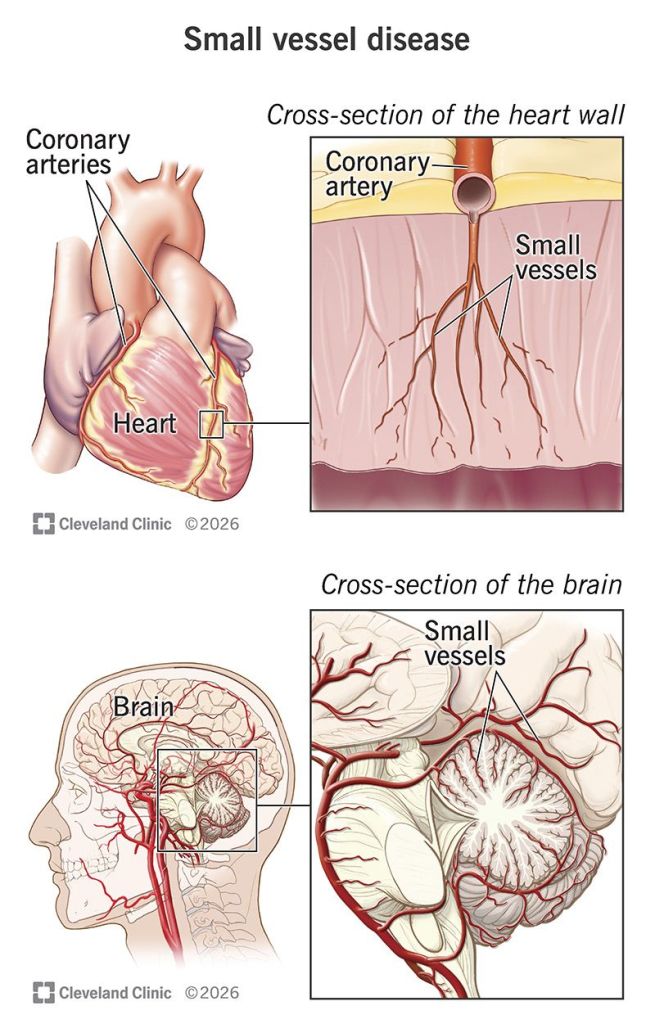
Microvascular ischemic disease is a term that’s used to describe changes to the small blood vessels in the brain. Changes to these vessels can damage white matter, the brain tissue that contains nerve fibers and serves as the connection point to other parts of the brain.
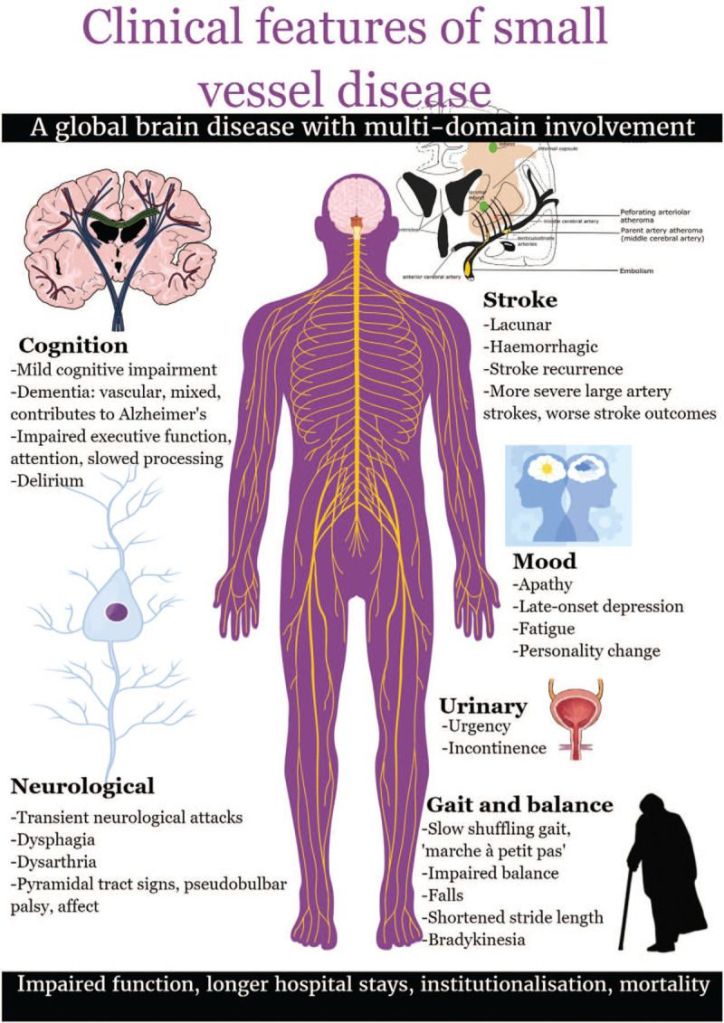
Small vessel ischemic disease is very common in older adults. If left untreated, it can contribute to mental decline, strokes, walking and balance problems, and dementia.
Microvascular ischemic disease is also called:
- small vessel ischemic disease
- cerebral small vessel disease
Symptoms
Microvascular ischemic disease can be mild, moderate, or severe.
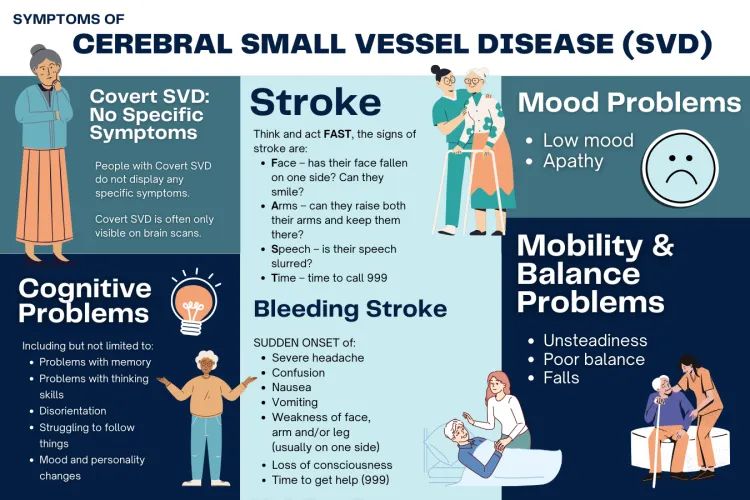
Many older adults — especially those with a mild form of the disease — have no symptoms, even though there are areas of damage in the brain. This is called “silent” disease. In one study, up to 20 percentTrusted Source of healthy elderly people had silent damage in their brain, most of which was caused by small vessel disease.
Even though you might not notice any symptoms, you may have subtle changes in your thinking and physical abilities.
More severe small vessel disease can cause symptoms like these:
- loss of thinking skills (cognitive impairment)
- problems with walking and balance
- depression
If small vessel disease causes a stroke, symptoms can include:
- numbness or weakness, especially on one side of the body
- sudden confusion
- trouble speaking or understanding
- vision loss in one or both eyes
- dizziness
- loss of balance or coordination
- sudden, severe headache
A stroke is a medical emergency that needs to be treated right away.
Causes and risk factors
The cause of microvascular ischemic disease isn’t completely understood. It can be the result of plaque buildup and hardening (atherosclerosis) that damages the small blood vessels nourishing the brain. This is the same process that narrows and damages blood vessels to the heart and can lead to heart attacks.
Damage can block blood flow through the blood vessels in the brain, depriving brain cells (neurons) of oxygen. Or, it can cause blood vessels in the brain to leak and bleed, which can damage neighboring neurons.
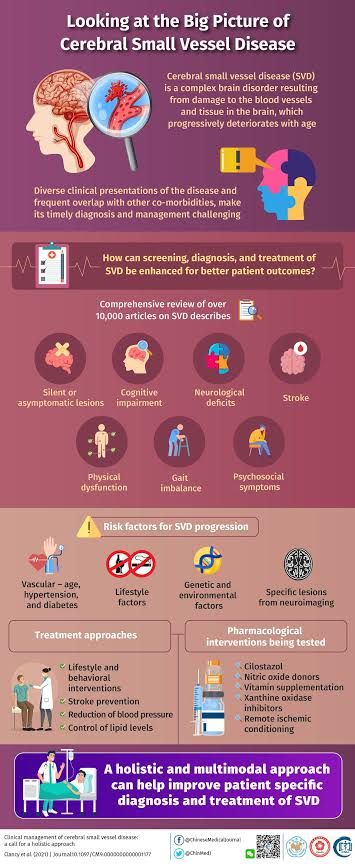
Risk factors for microvascular ischemic disease include:
- high blood pressure
- high cholesterol
- aging
- smoking
- diabetes
- hardened arteries
- atrial fibrillation
Learn about Huntington’s Disease
How is it diagnosed?
If you’re concerned about your risks for microvascular ischemic disease, or you’ve had symptoms, see your doctor. The main test used to diagnose this condition is magnetic resonance imaging (MRI).
An MRI uses strong magnets and radio waves to create detailed pictures of your brain. Microvascular ischemic disease can appear on an MRI in a few different ways:
- small strokes (lacunar infarcts)
- white matter lesions that show up as bright spots on the scan (white matter hyperintensities)
- bleeding from small blood vessels in the brain (cerebral microbleeds)
Treatment options
Treatment generally involves managing the risk factors that contribute to small blood vessel damage in the brain. Which treatment strategy your doctor recommends will depend on your specific risk factors, but it might include:
- Lowering your blood pressure with diet, exercise, weight loss, and medication. The goal for people age 60 and over is a systolic blood pressure (the top number) below 150.
- Lowering your cholesterol level with diet, exercise, and statin drugs if needed.
- Taking B vitamins to lower homocysteine levels. Homocysteine is an amino acid that at high levels has been linked to atherosclerosis and blood clots.
- Taking aspirin or blood thinning drugs to prevent strokes.
- Quitting smoking.
Prevention tips
Follow these tips to protect the small blood vessels in your brain and prevent a stroke:
- If you’re overweight, work with your doctor and a dietitian to bring your weight into a healthy range.
- Follow a healthy diet plan, like the Mediterranean or DASH diet, which are high in nutrition and low in saturated fat, sugar, and sodium.
- If you smoke, choose a quit-smoking method that works for you. You might try counseling, nicotine replacement products, or medications that reduce your urge to smoke.
- Know your blood pressure, cholesterol, and blood sugar levels. If they are out of range, work with your doctor to control them.
- Exercise for at least 30 minutes on most days of the week.
- Limit or avoid alcohol.
Ask your doctor what other preventive steps you should take based on your personal risk factors.
Outlook
Ischemic small-vessel disease can be very serious, leading to stroke, dementia, and death if it isn’t treated. It causes about 45 percent of dementia cases and 20 percent of strokes.
The best way to avoid these complications is to prevent small blood vessel damage in the first place. Follow a healthy diet, exercise regularly, and take the medication your doctor recommends to control your blood pressure and cholesterol levels.
ADVERTISEMENT
Noom
Noom’s 5–minute quiz unlocks a weight loss program customized for you – now with GLP-1 options – so you can manage your health and form habits that last.
Exclusive 21-day free trial!
45 Million+ downloads
“Nutritionist Approved”
45k+ 5 ★ reviews
How we reviewed this article:
SourcesHistory
Share this article
Read next
- Voranigo and Pregnancy, Breastfeeding, and Birth ControlMedically reviewed by: Kiran Khanani, PharmDLearn about Voranigo and the effects it might have on pregnancy, breastfeeding, and fertility.
- Voranigo Overview: Side Effects, Uses, Dosage, and More
- What Is Chronic Obstructive Pulmonary Disease (COPD)?
- What Is an Ischemic Stroke and How Do You Identify the Signs?
- What to Know About Hemorrhagic Stroke
Get our wellness newsletter
Filter out the noise and nurture your inbox with health and wellness advice that’s inclusive and rooted in medical expertise.
Your privacy is important to us
- About Us
- Contact Us
- Terms of Use
- Privacy Notice
- Privacy Settings
- Advertising Policy
© 2026 Healthline Media LLC. All rights reserved. Healthline Media is an RVO Health Company. Our website services, content, and products are for informational purposes only. Healthline Media does not provide medical advice, diagnosis, or treatment. See additional information.
OUR BRANDSHealthlineMedical News TodayGreatistPsych CentralBezzy
Please pray for me because I really have these 2 brain diseases and disorders right now. I am very scared right now. Please everyone 🙏 pray for me because I really didn’t know that I have these brain problems. Please everyone get A MRI AND CHECK TO SEE WHETHER OR NOT YOU HAVE THIS DISORDER AND DISEASE OF THE BRAIN.



7181070075406532623.jpg)


2888538306304397169.jpg)


5886981662125692144.jpg)
1250798279324951485.jpg)


