Subscribe to receive the daily devotional from Dr. James Merritt right into your inboxSUBSCRIBE
Pro-Grace
March 22, 2021
“He has shown you, O mortal, what is good. And what does the Lord require of you? To act justly and to love mercy and to walk humbly with your God.” Micah 6:8
If I asked you to describe a Christian, what would you say? Would you use words like love, compassion, and grace? Or, would you instead describe a person who is anti-something? Unfortunately, many people outside the Church view Christians as the latter instead of the former.
While Jesus was not primarily known for what He was against, many Christians today are. Jesus was known for serving people who had needs, feeding people who were hungry, healing people who were sick, and even raising people who were dead. Today, however, His followers are often known most widely for what they stand against. Christians are anti-abortion, anti-pre marital sex, or anti-getting drunk.
While we should stand on the truth of God’s Word and speak out against all sin, being anti-sin should not necessarily define us. Jesus was most definitely anti-sin. No one in the history of the world was more against sin than Jesus. But His voice of grace shouted louder than His voice of condemnation. He used His knowledge of God’s truth to encourage people to drop their rocks of judgment and show mercy. He didn’t do this to condone sin, but rather to show the fullness of God’s love. God hates sin…but He loves redemption more.
How would you describe yourself? Is your Christianity more about being for salvation or being against sin? You see, it is impossible to be for Biblical salvation and not be against sin. But it is possible to have an attitude of condemnation towards sinners without being for their salvation. We must choose to keep our eyes on Christ, so that we can be pro-grace while still holding firmly to the truth of His Word.
Dear Father, thank for today’s reminder that I should always strive to be acting justly, loving mercy, and walking humbly with you. Please help me to use Micah 6:8 as a marker for how I live my life each day. In Jesus’ name, amen.
John 3:27: And What it Means to all People. Praise the Lord saints. Praise the Lord. How are you doing today? Fine, I hope. I want to inform you that today’s Bible verse comes from John 3:27. It says: John answered and said A man can receive nothing unless it has been given to him from heaven. This means that the things that we have in our possession does not belong to us. Everything belongs to God.
Praise the Lord Saints!! Praise the Lord!! How are you doing today? Fine, I hope. I want to inform all of you that this Bible verse in Amos 8:11-12 Says: Behold, days are coming, declares the Lord God, when I will send a famine on the land. Not a famine for bread or a thirst for water, but rather for hearing the words of the Lord. This is very serious because it has happened before. For 400 years, before the messenger Malachi’s Prophesy. There was a drought because God has not spoken to anyone for that length of time. The reason why God has not spoken is because of man’s disobedience towards God.
Next, it would be very difficult to hear from God. If this happens again in the present time, it means that life will end abruptly. I know for me personally, I have never heard God’s Voice before in my entire life. This means that I do not belong to God. However, I am hearing God’s Voice by reading the Bible, praying, and listening to Church sermons. I know that it is very difficult for mankind to figure out God’s Voice. During that time, people will be wandering from sea to sea, north to east, and traveling from to and fro, but the word of the Lord they shall not find it. This is not a laughing matter because when this happens, people every where will be bewildered. People will panic!! People will be scared.
Moreover, people everywhere will become nervous. I know that if It happens to me, I will panic and become fearful because I rely on God’s Word through other means. If this supply is cut off, I will be very scared.
As I recall, King Saul went through the same exact thing because of his disobedience to the Lord. 1st Samuel 28:6 says: And when Saul inquired of the Lord, the Lord answered him not, neither by dreams, not by Urim, nor by prophets. Who is Urim? How did the Urim and the Thummim function?
Here’s probably the best word on the Urim and Thummim. It’s a couple of paragraphs from Dr. Bruce Waltke’s excellent book (which I highly recommend), entitled, “Finding the Will of God” (pp. 62-64):
“The priest could use the urim and thummin to determine God’s will in a particular situation. We are not exactly sure what the urim and thummin were, but the priest carried in his breastplate perhaps two sticks or stones, one white and the other black, that would give a yes or no answer to a specific question. Should Israel be preparing for battle, they would somehow shake or toss the sticks? If they turned up black the Israelites would not go to battle, and if they turned up white they would proceed into battle with the knowledge that they were in the will of God. That is one form of divination that God allowed in the Old Testament. We read in Exodus 28:30, “Also put the Urim and the Thummin in the breastpiece, so they may be over Aaron’s heart whenever he enters the presence of the Lord. Thus, Aaron will always bear the means of making decisions for the Israelites over his heart before the Lord.”
Much has been made of the urim and thummin by modern mystics, who want to find in them the key to the divine mind. All sorts of fanciful explanations have been put forward, including that the items may have glowed, that they had secret words engraved on them, or that they were ancient artifacts with magical powers. However, it should be noted that 1 Samuel 28:6 makes clear a definite answer was not always obtainable, so it may not have been as simple as tossing two stones on ground. Moses never used them; they were given for the high priest in aiding those who could not find God’s guidance any other way.
Some translate the words urim and thummin to mean “curse” and “blessing,” others simply “dark” and “light,” although the literal translation seems to be “light” and “perfections.” There is no proof that there were only two items; some early rabbis believed that the urim and thummin were a series of stones with Hebraic characters on them by which the Lord could spell out a message for the high priest. However, most scholars believe them to be two sticks or stones, perhaps precious stones, that God used in a miraculous way to reveal His will. They were used for national decisions like going to war, and for priestly matters.
The Old Testament seems to indicate that the urim and thummin faded from use during the early days of Israel’s monarchy, and are only referred to once after the Babylonian exile. This may be so because the institution of monarchy God inaugurated the office of prophet. The prophets now participated in God’s heavenly court and communicated God’s messages to the courts in Jerusalem and Samaria. Apparently, prophets who revealed God’s word to the king replaced the urim and thummin, through which He revealed His mind to the priest. Nevertheless, we still find Ezra using this device to determine the ancestry of the priests who returned from the exile in Ezra 2:63. After this the Bible never mentions the urim and thummin again. God did not preserve it for His people. They are one more allowance from God to assist His people at a certain point in history.”
Finally, I believe that Urim and Thummin are considered as medium psychics in the Bible. I believe this because these two people were appointed from the office of the prophet. Urim and Thummin did not exist anymore after the Old Testament. I guess Saul was looking for a mediator between God and himself.
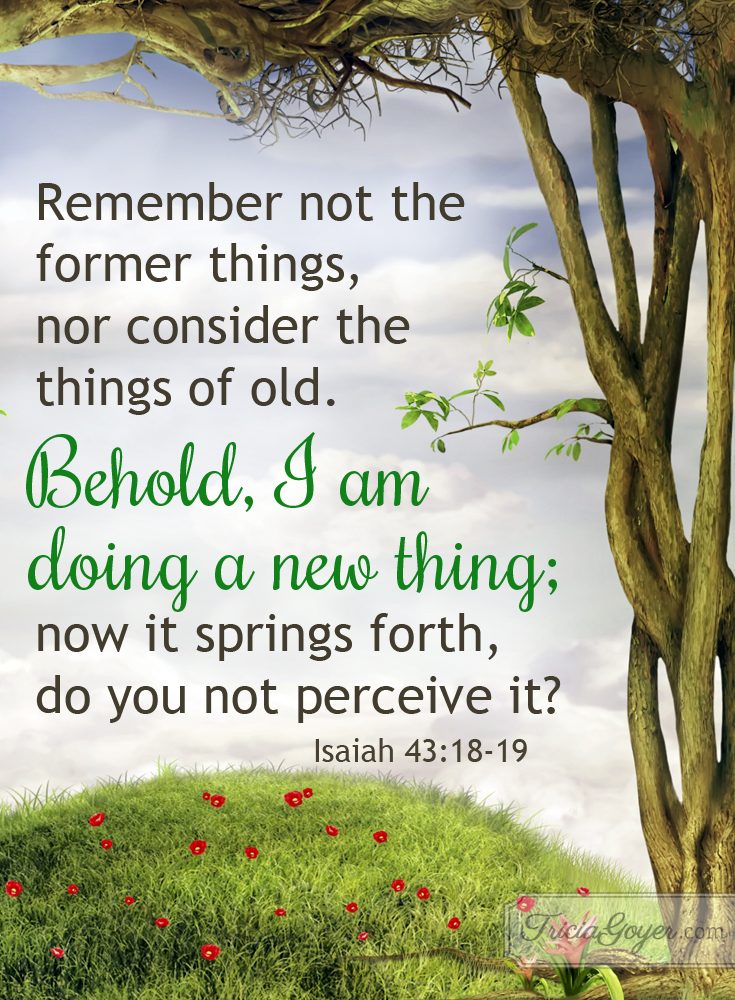
Praise the Lord Saints!! Praise the Lord!! How are you doing today? Fine, I hope. I want to inform all of you that Isaiah 43:18 Says: Remember not the former things, nor consider the things of old.
This means that we are not supposed to remember the former things when it comes to the affairs of others. I want to say that we are supposed to love one another and forgive each other as well. For example, my brothers and sisters constantly talk about the past when it comes to me. I do not understand why my siblings do this all of the time? The only thing that I have been doing is praying for my family members. I know that something is not right, especially when it comes to my family members.
Next, I want to inform everyone that my family members are constantly cursing me out each time I affiliate with them. I do not understand why my family members do me this way? Frankly, I want to say to everyone that I need all of you to please keep me and my family members in your prayers.
Further, please allow me to explain what it means to live in the past. Do you spend a lot of time reminiscing about the past? If the answer is yes, that’s okay. Thinking fondly about the past and looking back at the way things used to be isn’t a bad thing until it is. There is a difference between thinking about the past and living in it. Sometimes we live in the past because it’s familiar — we know what happened; there are no surprises. Think about why you watch your reruns of your favorite old sitcoms over and over again.
This is what happens when we live in the past.
We choose to live there because it’s familiar. We know everything that happened. When the past was really good, you can live there because just thinking back on it gives you a feeling of comfort and happiness.
Moreover, please answer the following question regarding the past.
Is there one particular period from the past that you find yourself clinging on to? 2. Do you feel that you will never reach that level of happiness/status/satisfaction/acceptance/etc. again? 3. Are you frustrated with where you currently are in life? 4. Are you fearful of the future? 5. Does thinking about the past actually make you sad?
If you find that you are clinging to a specific period from your past because you don’t feel there is anything in the present or future that could possibly better, and if thinking about the past in that way actually makes you sad, you may be stuck in the past.
Why is this a problem?
Living in the past is a problem because it robs you of the opportunity to enjoy the present. Not enjoying the present? If you aren’t happy where you are, living in the past won’t help! Living in the past allows you to avoid dealing with issues in the present.
In my family, my siblings always constantly remind me of the things that I have done in the past. It really hurts me when my family members and friends talk to me about the past. Therefore, I refuse to affiliate with my family members and friends because they constantly bring up things from the past.
It damages my self-esteem and self-confidence. I would rather be alone instead of being around condemning people. It makes me feel sad and depressed because every time my family members and friends say something about my past, it hurts me to the point that I cannot deal with them after all.
Finally, I would like for everyone who is reading this essay to please find it in your heart to pray for me. Please pray for my family members.
Like they say in Court, you are innocent until proven guilty under a Court of Law. I am saying this because there is a period of innocence and there is a period where a person is guilty. I guess I am guilty of the things in my past. I do not need to be reminded of my human past from anyone. Only God can Judge Me!!!!! I might be hurt by the things that I have done to other people in the past. Currently, I am seeking peace from all parties involved. God Bless All of You!!! I love all of you!! I love all of my family members and friends. It is that, I want peace!!!
What if nothing in the future will ever feel as good as what has happened in the past?
You may be fearful of the future if:
1. You find yourself feeling very anxious about what may happen in the next few months and/or years. 2. You avoid making long-term plans. 3. You currently feel frustrated or “stuck” in life and have no plan for how to move ahead. 4. You honestly and truly believe that your best days are behind you.
If you are fearful of the future, there are a few things you can do to help you move to a healthier and more optimistic place.
Take stock of what you currently have in your life and all the things you have to be grateful for. 2. Spend some time planning ahead. The future will seem a lot less scary if you have some kind of plan in place and a direction and goals to move towards.
3. Acknowledge that there are some things in life that you just can’t control. Learn to let go of those things and feel some of the weight lift off your shoulders.
Life is hard. Anyone who said it wasn’t lied to you. Harsh, I know, but very true. But the good news is that you do have control over much of your life; you just have to learn to exercise that control.
And remember this old adage, “Yesterday is history, tomorrow is a mystery, today is a gift; that’s why they call it the present!”
Isaiah 43:18: And What it means to All People!!!
By Anthony Joseph Hopkins March 18, 2021
Praise the Lord Saints!! Praise the Lord!! How are you doing today? Fine, I hope. I want to inform all of you that Isaiah 43:18 Says: Remember not the former things, nor consider the things of old.
This means that we are not supposed to remember the former things when it comes to the affairs of others. I want to say that we are supposed to love one another and forgive each other as well. For example, my brothers and sisters constantly talk about the past when it comes to me. I do not understand why my siblings do this all of the time? The only thing that I have been doing is praying for my family members. I know that something is not right, especially when it comes to my family members.
Next, I want to inform everyone that my family members are constantly cursing me out each time I affiliate with them. I do not understand why my family members do me this way? Frankly, I want to say to everyone that I need all of you to please keep me and my family members in your prayers.
Further, please allow me to explain what it means to live in the past. Do you spend a lot of time reminiscing about the past? If the answer is yes, that’s okay. Thinking fondly about the past and looking back at the way things used to be isn’t a bad thing until it is. There is a difference between thinking about the past and living in it. Sometimes we live in the past because it’s familiar — we know what happened; there are no surprises. Think about why you watch your reruns of your favorite old sitcoms over and over again.
This is what happens when we live in the past.
We choose to live there because it’s familiar. We know everything that happened. When the past was really good, you can live there because just thinking back on it gives you a feeling of comfort and happiness.
Moreover, please answer the following question regarding the past.
Is there one particular period from the past that you find yourself clinging on to? 2. Do you feel that you will never reach that level of happiness/status/satisfaction/acceptance/etc. again? 3. Are you frustrated with where you currently are in life? 4. Are you fearful of the future? 5. Does thinking about the past actually make you sad?
If you find that you are clinging to a specific period from your past because you don’t feel there is anything in the present or future that could possibly better, and if thinking about the past in that way actually makes you sad, you may be stuck in the past.
Why is this a problem?
Living in the past is a problem because it robs you of the opportunity to enjoy the present. Not enjoying the present? If you aren’t happy where you are, living in the past won’t help! Living in the past allows you to avoid dealing with issues in the present.
In my family, my siblings always constantly remind me of the things that I have done in the past. It really hurts me when my family members and friends talk to me about the past. Therefore, I refuse to affiliate with my family members and friends because they constantly bring up things from the past.
It damages my self-esteem and self-confidence. I would rather be alone instead of being around condemning people. It makes me feel sad and depressed because every time my family members and friends say something about my past, it hurts me to the point that I cannot deal with them after all.
Finally, I would like for everyone who is reading this essay to please find it in your heart to pray for me. Please pray for my family members.
Like they say in Court, you are innocent until proven guilty under a Court of Law. I am saying this because there is a period of innocence and there is a period where a person is guilty. I guess I am guilty of the things in my past. I do not need to be reminded of my human past from anyone. Only God can Judge Me!!!!! I might be hurt by the things that I have done to other people in the past. Currently, I am seeking peace from all parties involved. God Bless All of You!!! I love all of you!! I love all of my family members and friends. It is that, I want peace!!!
What if nothing in the future will ever feel as good as what has happened in the past?
You may be fearful of the future if:
1. You find yourself feeling very anxious about what may happen in the next few months and/or years. 2. You avoid making long-term plans. 3. You currently feel frustrated or “stuck” in life and have no plan for how to move ahead. 4. You honestly and truly believe that your best days are behind you.
If you are fearful of the future, there are a few things you can do to help you move to a healthier and more optimistic place.
Take stock of what you currently have in your life and all the things you have to be grateful for. 2. Spend some time planning ahead. The future will seem a lot less scary if you have some kind of plan in place and a direction and goals to move towards.
3. Acknowledge that there are some things in life that you just can’t control. Learn to let go of those things and feel some of the weight lift off your shoulders.
Life is hard. Anyone who said it wasn’t lied to you. Harsh, I know, but very true. But the good news is that you do have control over much of your life; you just have to learn to exercise that control.
And remember this old adage, “Yesterday is history, tomorrow is a mystery, today is a gift; that’s why they call it the present!”
And remember this old adage, “Yesterday is history, tomorrow is a mystery, today is a gift; that’s why they call it the present!”
Praise the Lord Saints!! Praise the Lord!! How are you doing today? Fine, I hope. I want to inform all of you that Isaiah 43:18 Says: Remember not the former things, nor consider the things of old.
This means that we are not supposed to remember the former things when it comes to the affairs of others. I want to say that we are supposed to love one another and forgive each other as well. For example, my brothers and sisters constantly talk about the past when it comes to me. I do not understand why my siblings do this all of the time? The only thing that I have been doing is praying for my family members. I know that something is not right, especially when it comes to my family members.
Next, I want to inform everyone that my family members are constantly cursing me out each time I affiliate with them. I do not understand why my family members do me this way? Frankly, I want to say to everyone that I need all of you to please keep me and my family members in your prayers.
Further, please allow me to explain what it means to live in the past. Do you spend a lot of time reminiscing about the past? If the answer is yes, that’s okay. Thinking fondly about the past and looking back at the way things used to be isn’t a bad thing until it is. There is a difference between thinking about the past and living in it. Sometimes we live in the past because it’s familiar — we know what happened; there are no surprises. Think about why you watch your reruns of your favorite old sitcoms over and over again.
This is what happens when we live in the past. We choose to live there because it’s familiar. We know everything that happened. When the past was really good, you can live there because just thinking back on it gives you a feeling of comfort and happiness.
Moreover, please answer the following question regarding the past.
Is there one particular period from the past that you find yourself clinging on to? 2. Do you feel that you will never reach that level of happiness/status/satisfaction/acceptance/etc. again? 3. Are you frustrated with where you currently are in life? 4. Are you fearful of the future? 5. Does thinking about the past actually make you sad?
If you find that you are clinging to a specific period from your past because you don’t feel there is anything in the present or future that could possibly better, and if thinking about the past in that way actually makes you sad, you may be stuck in the past.
Why is this a problem?
Living in the past is a problem because it robs you of the opportunity to enjoy the present. Not enjoying the present? If you aren’t happy where you are, living in the past won’t help! Living in the past allows you to avoid dealing with issues in the present.
In my family, my siblings always constantly remind me of the things that I have done in the past. It really hurts me when my family members and friends talk to me about the past. Therefore, I refuse to affiliate with my family members and friends because they constantly bring up things from the past.
It damages my self-esteem and self-confidence. I would rather be alone instead of being around condemning people. It makes me feel sad and depressed because every time my family members and friends say something about my past, it hurts me to the point that I cannot deal with them after all.
Finally, I would like for everyone who is reading this essay to please find it in your heart to pray for me. Please pray for my family members. Like they say in Court, you are innocent until proven guilty under a Court of Law. I am saying this because there is a period of innocence and there is a period where a person is guilty. I guess I am guilty of the things in my past. I do not need to be reminded of my human past from anyone. Only God can Judge Me!!!!! I might be hurt by the things that I have done to other people in the past. Currently, I am seeking peace from all parties involved. God Bless All of You!!! I love all of you!! I love all of my family members and friends. It is that, I want peace!!!
What if nothing in the future will ever feel as good as what has happened in the past?
You may be fearful of the future if:
1. You find yourself feeling very anxious about what may happen in the next few months and/or years. 2. You avoid making long-term plans. 3. You currently feel frustrated or “stuck” in life and have no plan for how to move ahead. 4. You honestly and truly believe that your best days are behind you.
If you are fearful of the future, there are a few things you can do to help you move to a healthier and more optimistic place.
1. Take stock of what you currently have in your life and all the things you have to be grateful for. 2. Spend some time planning ahead. The future will seem a lot less scary if you have some kind of plan in place and a direction and goals to move towards. 3. Acknowledge that there are some things in life that you just can’t control. Learn to let go of those things and feel some of the weight lift off your shoulders.
Life is hard. Anyone who said it wasn’t lied to you. Harsh, I know, but very true. But the good news is that you do have control over much of your life; you just have to learn to exercise that control.
And remember this old adage, “Yesterday is history, tomorrow is a mystery, today is a gift; that’s why they call it the present!”
What Does it Mean that “God So Loved the World” in John 3:16?
Jennifer Slattery| JenniferSlatteryLivesOutLoud.com201926 Nov
For God so loved the world that he gave his one and only Son, that whoever believes in him shall not perish but have eternal life.” – John 3:16null
John 3:16 can easily run through our brains without much cognizant thought, but have we paused to consider what it truly means? Have we contemplated the depth of truths packed within this verse, preserved by God Himself, throughout countless generations? Most importantly, how do we live in the reality that John 3:16presents—that God, who is love, actively demonstrated His love through Jesus Christ, His only begotten Son, and through Him, offered salvation to all mankind.
Let’s take a look at that verse now. It reads, “For God so loved the world,” or, as the NLT puts it, “This is how God loved the world: He gave His only Son, so that everyone who believes in Him will not perish but have eternal life.” There’s so much to unpack in those words, but first, we need to understand the historical and literary context surrounding them. We find John 3:16, perhaps one of the clearest presentations of the gospel, tucked in a conversation between Jesus and a prestigious religious ruler. You may be familiar with the story.
One night, presumably after many of his colleagues were home in bed, a Pharisee named Nicodemus from the Jewish ruling council came to Jesus. “Rabbi,” he said, “we know that You are a teacher who comes from God. For no one could perform the signs You are doing if God were not with him” (John 3:2). This statement suggests a few things: Nicodemus was familiar with Jesus, most likely respected Him, and recognized that He indeed came from God, just like John 3:16 later states. Nicodemus obviously knew of the miracles Jesus had performed. He’d probably heard many truths Jesus spoke as well, all of which seemed to have triggered a driving question: Who are you? Perhaps you’ve asked God that yourself. Beneath his words of affirmation, of wonderment, Nicodemus appears to be investigating Jesus’ identity. To which Jesus replied, “Very truly I tell you, no one can see the kingdom of God unless they are born again” (John 3:6).null
Initially, one might call His words a redirect, but Jesus was probing something deeper. You see, we must remember whom Christ was speaking to, what kind of life he lived, and how Nicodemus was accustomed to relating to God—through religious works. Can you imagine how confusing Jesus’ statement must have been? I’m not just talking about the whole rebirth analogy, but consider as well the message conveyed to this well-educated, well-trained, and presumably “righteous” man. Jesus, in essence, told Nicodemus that all his years progressing in Judaism, all the time he spent reciting prayers and participating in festivals, accounted for nothing. Oh, they laid the groundwork, a foundation, if you will, for the truths Jesus was presenting. But they didn’t have the strength to carry Nicodemus to salvation.
Why Did Jesus Use an Old Testament Reference to Explain His Point?
“‘Just as Moses lifted up the snake in the wilderness, so the Son of Man must be lifted up, that everyone who believes may have eternal life in him.’ For God so loved the world that he gave his one and only Son, that whoever believes in him shall not perish but have eternal life. For God did not send his Son into the world to condemn the world, but to save the world through him. Whoever believes in him is not condemned, but whoever does not believe stands condemned already because they have not believed in the name of God’s one and only Son” (John 3:14-18).
To illustrate the point further to Nicodemus, Jesus referenced the bronze snake Moses raised in the wilderness, back when the Israelites wandered in the desert vacillating between rebellion and repentance (Num. 21:4-9). As recorded in the Book of Numbers, a book Nicodemus would have been extremely familiar with, the Israelites chose rebellion and were punished for it in the form of venomous snake bites. To receive healing, they had to look at a bronze snake on a pole. Looking at the snake on the pole was an act of faith, and when they looked they were healed by God. The Israelites knew this was the only way they could be saved from this certain death by venom.
To get the full extent of this picture we need to remember Israel’s pattern when they left Egypt: the people would rebel, the Lord’s judgment would come, Moses would intercede on their behalf, and the Lord responded mercifully (NIV Biblical Theology Study Bible). In Jesus’ earthly days the people of Israel were still rebelling, but this time there was a different intercessor . . . this time Jesus was the One whom the Lord would lift up and grant mercy through. However, this mercy that comes through Jesus the Son, our Savior, is an everlasting mercy. When Nicodemus heard about Jesus’ death on the cross, you can imagine his memory of these words. Just like the rebellious Israelites in the desert, Nicodemus needed an intercessor so that he could have salvation and be ‘born again.’ It is an illustration that likely stayed with Nicodemus for the rest of his earthly life. null
“For God So Loved the World” Is a Picture of Love
John 3:16 follows this rich and theologically dense explanation of sin and salvation. “This,” Jesus said, “is how much God loves you. He sent you Me” (paraphrased). In Christ, we see a love so intense, so sacrificial, so incomprehensible, it makes all human expressions seem frivolous in comparison. The words Jesus spoke likely didn’t make much more sense to Nicodemus than Jesus’ talk of rebirth. After all, he likely had no idea Jesus was planning to die—for him (and us). He didn’t understand that Christ would, quite literally, be lifted on a pole, just as the snake had been, and that Christ’s death and resurrection, not well-spoken prayers or good deeds, would bring life. But we do have that knowledge, thanks to Scripture.
Now, considering all Jesus suffered, all God watched Him suffer, for you and I, evaluate the beginning of John 3:16 again, “This is how God loved the world,” and everyone in it. “He gave His one and only Son.” Through His death, Christ revealed what pure, unfathomable love looks like. But He did more than that. Through the cross, God proved the depths of His love, because “While we were still sinners, Christ died for us” (Romans 5:8). Such a passionate, self-sacrificing act is hard for my mind to comprehend. God reached out, expecting nothing in return, and emptied Himself completely, for the very ones who spurned Him. You and I included.
God knew how helpless we were. Watching us hurt, manipulate, use, and kill one another, God could’ve left us to our destruction. He could’ve been repelled and turned away in disgust. Instead, He drew near. Speaking of Jesus, Philippians 2:6-8says, “being in very nature God, [He] did not consider equality with God something to be used to His own advantage; rather, He made Himself nothing by taking the very nature of a servant, being made in human likeness. And being found in appearance as a man, He humbled Himself by becoming obedient to death—even death on a cross.” God took action from the beginning of time, from that first sin in the Garden of Eden. The first thing God did was to remove the tree of life, lest we be trapped in a life of sin forever. He acted throughout history, weaving a plan and keeping His promise to save His people. He acted when He sent His Son through the Holy Spirit to be born incarnate of the virgin, Mary. And He acted when His Son was laid upon the cross, offering a sacrifice of His perfect life for our stained lives, which was the payment for sin. null
Whenever I think of the cross, I’m reminded of the price Christ paid so I could be free. But I’m also reminded of how much I needed that freedom.
“For God So Loved the World” Is the First Part of God’s Rescue Plan
Jesus came so that, though we were guilty and tarnished by sin, we could receive forgiveness and pardon for all we’d done or will do. Because of Jesus, we can have peace with God the Father, be adopted as His child, and empowered by the Holy Spirit to live, fully, in His freedom. Christ’s life and death were prophesied and the gift of salvation promised, from the beginning of time. Adam and Eve rebelled against their good, attentive, and faithful Father. They chose pleasure in the moment over the peace and joy of a relationship with God. They chose their will and their wants, over trusting and obeying their God, and in this, they tried to elevate themselves above the very Creator who had loved them so faithfully.
Jesus is not surprised by sin; He was there in the beginning, the second person of the Trinity, and after He was born incarnate of the virgin, Mary, He learned God’s Word from an early age and kept it in His heart. In Genesis 3:15, He said, “I will put enmity between you and the woman, and between your offspring and her offspring; he shall bruise your head, and you shall bruise his heel” (ESV).
In this, God promised sin would not win; though a battle would rage between light and dark, between good and evil, Christ would ultimately prevail, and He did. He secured His victory through His death on the cross. Colossians 2:15 puts it this way, “He disarmed the rulers and authorities” of darkness “and put them to open shame, triumphing over them” (ESV). This allows all who believe in Christ to say, “Death has been swallowed up in victory. ‘Where, O death, is your victory? Where, O death, is your sting.’ The sting of death is sin, and the power of sin is the law. But thanks be to God! He gives us the victory through our Lord Jesus Christ” (1 Cor. 15:55-57).null
“For God So Loved the World” He Sent His One and Only Son to Save
God sent Christ for one reason only, and here’s why: “So that everyone who believes in Him will not perish but have eternal life.” We receive God’s free gift of eternal life through faith, by believing Jesus is who He says He is—the sinless Son of God who paid for the world’s sins—and did what He said He did—died in our place to grant us entrance into eternity with Him. But to receive that precious gift, we must acknowledge we need it. That’s hard because it pricks against our pride. We often take great satisfaction in our achievements and knowing we’ve progressed solely through our own merits. But the Holy Spirit helps us realize the futility of our efforts; we cannot earn grace, but we can accept it by the power of the Holy Spirit.
Paul stated, “Who will deliver me from this body of death? Thanks be to God through Jesus Christ our Lord!” (Romans 7:24-25).
This was the offer Jesus made to Nicodemus on that dark night so long ago. The offer was free. Nicodemus didn’t have to earn it; he simply needed to accept it. To step out of the darkness and into the light, out of death and into life. We don’t know how that conversation ended that night. Perhaps Nicodemus’ heart leapt with hope and he embraced the grace that Christ offered. Or perhaps he retreated, contemplated, and wrestled with his sin and pride, before finally finding the courage to surrender. Regardless, we know Christ revealed a beautiful picture of love, of grace, and the freedom of complete absolution. No more guilt. No more shame. Zero condemnation. Only freedom, light, and life, and all because God so loved this world.
This article is part of our larger resource library of popular Bible verse phrases and quotes. We want to provide easy to read articles that answer your questions about the meaning, origin, and history of specific verses within Scripture’s context. It is our hope that these will help you better understand the meaning and purpose of God’s Word in relation to your life today.
Subscribe to receive the daily devotional from Dr. James Merritt right into your inboxSUBSCRIBE
Extravagant Grace
March 16, 2021
“This is love: not that we loved God, but that He loved us and sent His Son as an atoning sacrifice for our sins.” 1 John 4:10
In his book, PROOF: Finding Freedom through the Intoxicating Joy of Irresistible Grace, Timothy Paul Jones shares a story about taking his adopted daughter to Disney World for the first time. This little girl joined his family at 8 years old, after another family dissolved her previous adoption. For reasons unknown, that first family would take their biological kids to Disney World, but leave their adopted daughter behind with family friends. By the time she was adopted into the Jones family, she had heard all about the “Most Magical Place on Earth,” but had never experienced it herself.
When her new parents shared their plans to take a family trip to Disney World, a peculiar thing happened. For months leading up to the vacation, Jones’ wrote that his daughter started acting out in a variety of ways. Her behavior was rebellious and even cruel. One evening when he was about to correct her she looked at him and asked, “You aren’t going to take me to Disney World, are you?”
You see, this little girl had learned many years before that she could not earn her way there. She had tried to be good, and when her previous family left her home, she reasoned it was because she wasn’t good enough. So this time she was living in a way that distanced her far from the Magic Kingdom. Her dad reassured her that she was part of the family, so she was going on the trip no matter what.
Jones shared a beautiful moment that happened the night after the family’s first day in the Theme Park. Back at the hotel as he tucked his daughter in bed he asked her how her first day at Disney World was. She thought for a moment and then said, “Daddy, I finally got to go to Disney World. But it wasn’t because I was good; it’s because I am yours.”
This is the message of God’s amazing grace. This is the Gospel. God’s grace isn’t something we can ever earn. God’s grace pursues us when we are His enemy. When we rebel with dark, untrusting hearts…testing limits and pushing against God’s love, still He calls us. Still He loves us…not because we are good, but because we are His.
Dear Lord, thank you that I don’t have to be “good enough” to earn your love and grace. Help me to live in the freedom that comes with that truth, and to rest in the fact that you were perfectly good so I don’t have to be. In Jesus’ name, amen.
Bible Study Resources – Tips, Online Bible Search, Devotions
Toggle navigationnull
10 Warnings in the Bible We Don’t Take Seriously Enough
Lynette KittleiBelieve Contributors
20193 Apr
Although the Bible warns us of attitudes and activities to stay away from, how seriously do most Christians follow biblical counsel?
God’s cautions are for our good, and ignoring His guidance and commands opens us up to being misled. To help us keep our feet on the path that leads to life, below are 10 biblical warnings Christ’s followers should take more seriously.
Photo Credit: Unsplash/Tom Morelnull
1. Resist Being A People PleaserIn this age of Social Media, it’s so easy to get caught up in gaining others’ “likes” and “shares,” and dwell too much on being accepted rather than speaking God’s truth.If our goals are to be popular and well-liked, maybe we need to consider the following promise:“If you belonged to the world, it would love you as its own. As it is, you do not belong to the world, but I have chosen you out of the world. This is why the world hates you.” (John 15:19)Having “haters” doesn’t necessarily mean we are on the right track, but if we are committed to speaking truth instead of flattery, not everyone is going to respond with praise and affection. All over the world, believers are persecuted and rejected because of their commitment to sharing about the life of Jesus.Whatever you face in your context, instead of shrinking back, or pleasing others out of fear, find encouragement and boldness knowing we all are in good company with Jesus.Photo Credit: Unsplashhttps://dc7fa9cae5cab1d6058d531a1395ea39.safeframe.googlesyndication.com/safeframe/1-0-37/html/container.html
2. Be Very Careful How You LiveWith so many voices and opinions bombarding our thoughts today, us humans can be swayed off-track without even realizing the direction we are headed. Ephesians 5:15warns to, “Be very careful, then, how you live—not as unwise but as wise.”How we choose to live matters. The daily choices we make add up to a lifetime, so in making daily choices it is good to consider how we might look back at our decisions twenty years from now, and how they may affect our life overall.Romans 12:2 urges, “Do not conform to the pattern of this world, but be transformed by the renewing of your mind. Then you will be able to test and approve what God’s will is—His good, pleasing and perfect will.”Focusing more on God’s truth, rather than what the world says is truth, will renew our minds, transform our thoughts, and lead us to follow His will for our lives.Photo Credit: Thinkstockhttps://tpc.googlesyndication.com/safeframe/1-0-37/html/container.html
3. Make Sure to Test the SpiritsMany people are quick to jump on board of new ideas and trends. Yet consider the following words: “Dear friends, do not believe every spirit, but test the spirits to see whether they are from God, because many false prophets have gone out into the world” (1 John 4:1).So how do we test the spirits? Often, our own feelings and understanding can lead us astray as Proverbs 16:25 describes, “There is a way that appears to be right, but in the end it leads to death.”Instead, Scripture urges us to “Trust in the Lord with all your heart and lean not on your own understanding; in all your ways submit to Him, and He will make your paths straight”(Proverbs 3:5,6).By turning to God’s word to see what is written concerning a new idea or trend, along with praying and asking God to reveal the truth to us, we can test the spirits.Photo Credit: Getty Images null
4. Let Go of Empty WordsWhy are words so important? Does it really matter what we say?Jesus explained why they do matter, “But I tell you that everyone will have to give account on the day of judgment for every empty word they have spoken” (Matthew 12:36).So what exactly is an empty word? “Do not let any unwholesome talk come out of your mouths, but only what is helpful for building others up according to their needs, that it may benefit those who listen” (Ephesians 4:29).Ephesians 5:4 goes on to explain in more detail, “Nor should there be obscenity, foolish talk, or crude joking, which are out of character, but rather thanksgiving.”Even if we have spoken empty words in the past, going forward we can commit to choosing our words carefully. As Colossians 4:6 encourages, “Let your conversation be always full of grace, seasoned with salt, so that you may know how to answer everyone.”Like David, we can commit our words to God. “May these words of my mouth and this meditation of my heart be pleasing in your sight, Lord, my Rock and my Redeemer”(Psalm 19:14).Photo Credit: Thinkstock/Bruno Montenyhttps://dc7fa9cae5cab1d6058d531a1395ea39.safeframe.googlesyndication.com/safeframe/1-0-37/html/container.html
5. Put Aside RevengeAs Christians, how do we handle being lied about, wronged, mistreated, or cheated out of things such as promotions, positions, or belongings that should have rightfully been ours?Do we follow current social protocol, such as going online to expose the injustice and spread the word of what the offender did to us? Or do we submit the wrong to God and trust Him to make things right?Scripture urges, “Do not say, ‘I’ll pay you back for this wrong!’ Wait for the Lord, and He will avenge you” (Proverbs 20:22).Jesus is the ultimate example of trusting God, as described in 1 Peter 2:23: “When they hurled their insults at Him, He did not retaliate; when He suffered, He made no threats. Instead, He entrusted Himself to Him who judges justly.”In suffering, we can look to Christ and follow His steps as our example in walking through it (1 Peter 2:21).Photo Credit: Thinkstocknull
6. Use Your Influential Power WiselyHas anyone ever introduced you or pushed you to try certain activities with the potential to lead you astray and away from God?If so, consider what “Jesus said to His disciples: ‘Things that cause people to stumble are bound to come, but woe to anyone through whom they come’” (Luke 17:1).Stressing the seriousness of leading others astray, Jesus said, “If anyone causes one of these little ones—those who believe in me—to stumble, it would be better for them to have a large millstone hung around their neck and to be drowned in the depths of the sea” (Matthew 18:6).It’s important for us to be extremely careful how we influence others, understanding God’s warning concerning leading others astray. 1 Thessalonians 5:11 urges us to encourage one another and build each other up.Likewise, Hebrews 10:24 say, “And let us consider how we may spur one another on toward love and good deeds.” Photo Credit: Thinkstocknull
7. Say “No” to Imitating EvilIn today’s society, it’s not uncommon to see individuals take on the look, sayings, and behaviors of popular celebrities, book, and movie figures of less than honorable character—dressing like they dress, adopting their mottos as their own, and taking on their overall personas.Maybe it just seems like a harmless, fun thing to do, but look at what 3 John 1:11 has to say about it. “Dear friend, do not imitate what is evil but what is good. Anyone who does what is good is from God. Anyone who does what is evil has not seen God” (3 John 1:11).Although it’s easy to get caught up in the charm and likeability of clever and rebellious characters, Scripture warns us to, “Reject every kind of evil” (1 Thessalonians 5:22).As 1 Peter 2:21 urges, when looking for a role model in life, follow Jesus’ example. Photo Credit: Aaron Amat/Thinkstocknull
8. Keep Your Vows to GodSome Christians may believe that since we live under grace, we’re not obligated to keep our vows to God because we’re already forgiven, He’ll understand, and it doesn’t really matter to Him.Yet, Deuteronomy 23:21 states, “If you make a vow to the Lord your God, do not be slow to pay it, for the Lord your God will certainly demand it of you and you will be guilty of sin.”From breaking marriage vows to promising God various things in times of crisis, many individuals rationalize not keeping their word to Him.Still Numbers 30:2 urges, “When a man makes a vow to the Lord or takes an oath to obligate himself by a pledge, he must not break his word but must do everything he said.”God is faithful and keeps His word to us. Deuteronomy 7:9 reminds us, “Know therefore that the Lord your God is God; He is the faithful God, keeping His covenant of love to a thousand generations of those who love Him and keep His commandments.”When tempted to break your word to God, ask Him to help you to be faithful, as He is faithful to you. Photo Credit: Thinkstocknull
9. Avoid Sexual Sin1 Corinthians 6:18 warns to, “Flee from sexual immorality. All other sins a person commits are outside the body, but whoever sins sexually, sins against their own body.”Unfortunately, even Christians are caught up in viewing pornography, participating in a hook-up society, and playing around with adulterous temptations. Online sites and phone apps make it easier than ever to be tempted and offer endless opportunities to pursue sexual sin. Yet, 1 Thessalonians 4:3 explains, “It is God’s will that you should be sanctified; that you should avoid sexual immorality.”As God’s word encourages, “Therefore, I urge you, brothers and sisters, in view of God’s mercy, to offer your bodies as a living sacrifice, holy and pleasing to God—this is your true and proper worship” (Romans 12:1).If you struggle with sexual sin, ask God to help you resist its temptations. As 1 Corinthians 10:13 assures, “No temptation has overtaken you except what is common to mankind. And God is faithful; He will not let you be tempted beyond what you can bear. But when you are tempted, He will also provide a way out so that you can endure it.”Photo Credit: Thinkstocknull
10. Refuse to Call Evil GoodThe Bible warns in Isaiah 5:20, “Woe to those who call evil good and good evil, who put darkness for light and light for darkness, who put bitter for sweet and sweet for bitter.”Our current day society, including more and more churches, is in the process of calling things good that God has called evil. As governments are creating new laws in the land, renaming and legalizing sinful practices, many are churches joining in by changing doctrines to support the culture.Ephesians 5:11-12 warns, “Have no fellowship with the fruitless deeds of darkness, but rather expose them. For it is shameful even to mention what the disobedient do in secret.”By looking at what the Bible says and seeking God for wisdom and understanding, we can resist calling what is evil, good, and instead pursue a life that is “acceptable and pleasing to him” (Philippians 4:18), so that we may produce good fruit and grow in our love and knowledge of our Father. Lynette Kittle is married with four daughters. She enjoys writing about faith, marriage, parenting, relationships, and life. Her writing has been published by Focus on the Family, Decision, Today’s Christian Woman, kirkcameron.com, Ungrind.org, StartMarriageRight.com, and more. She has an M.A. in Communications from Regent University and serves as associate producer for Soul Check TV.Photo Credit: Thinkstock










 1. Resist Being A People PleaserIn this age of Social Media, it’s so easy to get caught up in gaining others’ “likes” and “shares,” and dwell too much on being accepted rather than speaking God’s truth.If our goals are to be popular and well-liked, maybe we need to consider the following promise:“If you belonged to the world, it would love you as its own. As it is, you do not belong to the world, but I have chosen you out of the world. This is why the world hates you.” (
 2. Be Very Careful How You LiveWith so many voices and opinions bombarding our thoughts today, us humans can be swayed off-track without even realizing the direction we are headed.
  3. Make Sure to Test the SpiritsMany people are quick to jump on board of new ideas and trends. Yet consider the following words: “Dear friends, do not believe every spirit, but test the spirits to see whether they are from God, because many false prophets have gone out into the world” (
 4. Let Go of Empty WordsWhy are words so important? Does it really matter what we say?Jesus explained why they do matter, “But I tell you that everyone will have to give account on the day of judgment for every empty word they have spoken” (
 5. Put Aside RevengeAs Christians, how do we handle being lied about, wronged, mistreated, or cheated out of things such as promotions, positions, or belongings that should have rightfully been ours?Do we follow current social protocol, such as going online to expose the injustice and spread the word of what the offender did to us? Or do we submit the wrong to God and trust Him to make things right?Scripture urges, “Do not say, ‘I’ll pay you back for this wrong!’ Wait for the Lord, and He will avenge you” (
 6. Use Your Influential Power WiselyHas anyone ever introduced you or pushed you to try certain activities with the potential to lead you astray and away from God?If so, consider what “Jesus said to His disciples: ‘Things that cause people to stumble are bound to come, but woe to anyone through whom they come’” (
 7. Say “No” to Imitating EvilIn today’s society, it’s not uncommon to see individuals take on the look, sayings, and behaviors of popular celebrities, book, and movie figures of less than honorable character—dressing like they dress, adopting their mottos as their own, and taking on their overall personas.Maybe it just seems like a harmless, fun thing to do, but look at what
  8. Keep Your Vows to GodSome Christians may believe that since we live under grace, we’re not obligated to keep our vows to God because we’re already forgiven, He’ll understand, and it doesn’t really matter to Him.Yet,
  9. Avoid Sexual Sin
 10. Refuse to Call Evil GoodThe
  Lynette Kittle is married with four daughters. She enjoys writing about
  Site Title