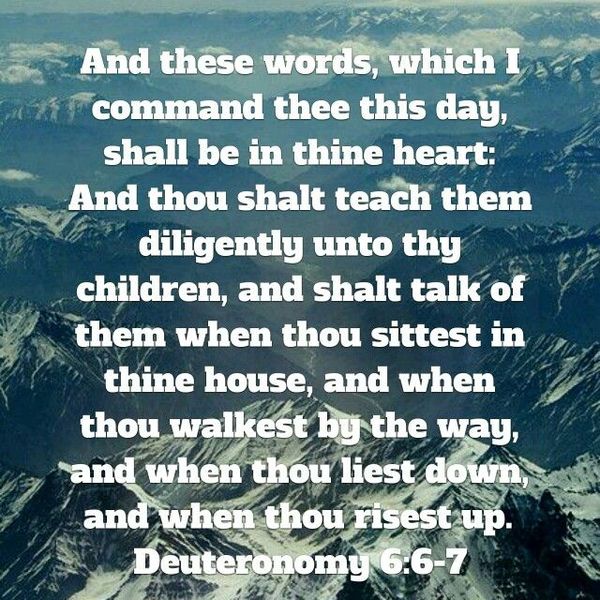
This is an essay that ask a very important question. How do we teach our children how to obey God? According to Deuteronomy 6:7 says: And thou shalt teach them diligently unto thy children, and shalt talk of them when thou sittest in thine house, and when thou walkest by the way, and when thou liest down, and when thou risest up. This means our primary emphasis is to teach our children how to love the Lord God.
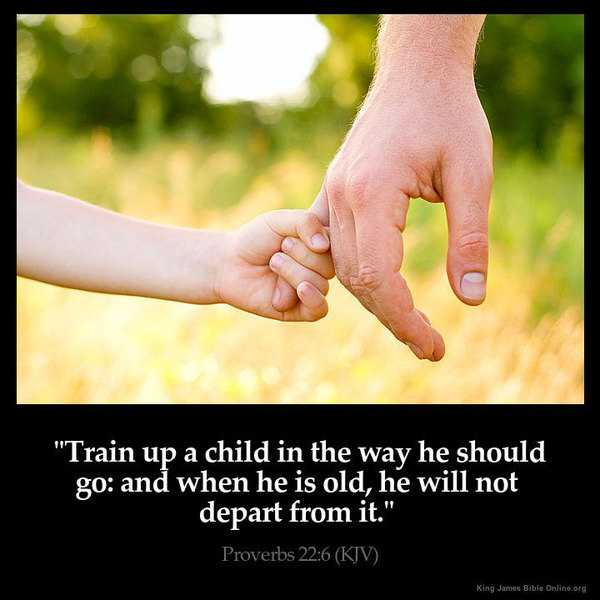
This also means that we are supposed to love the Lord with all of thy heart, soul, mind, and strength. When it comes to teaching our children about the Bible, they learn by watching their parents. If the parents are reading the Bible to their children, teaching their children how to pray, and taking them to church all of the time, and conducting themselves like a true Christian, then a child will never forget about the Lord. According to proverbs 22:6 says: Train up a child in the way he should go, and when he gets old, he will not depart from it.
I remember when I was growing up in the Dayton, Ohio Area from 1970-1990. I attended church with my grandmothers on a regular basis. My Great Grandmother indicated that she was taking me to church, so that I can grow up and be a real man. She read the Bible to me on a regular basis. I attended Bethel Church of God in Christ in Dayton, Ohio. My Great Grandmother stated to me that she was raising me because my mother suffered from postpartum depression. This is a mental illness that affects pregnant mothers worldwide. My mother made a decision to take me to my Grandmother’s house and I had a lot of fun.
At first, I did not understand what was going on with my mother at that time. I went through a lot of changes myself because on May 30, 1972, I went to live with my mother and afterwards, I started drinking and smoking marijuana at the age of 7 years old. However, I was born with alcohol inside of my bloodstream because my mother was drinking alcohol during that time. My mother was also responsible for taking me to church on a regular basis herself. One mistake that my mother made was trying to change my name. My birth name is Anthony Joseph Hopkins. She changed my name because she was married to a man that was not my own biological father.
I had to make changes to my own school records because I told my school counselor that the name that I was using Anthony Joseph Russell was not my real name. I officially changed my name because it did not make sense what my mother had done to me as a person. My own mother tried to alter my identity. I have forgiven my mother for what she had done to me. I will admit that I felt ashamed about having that name. I used to examine my birth certificate and social security card and say to myself, why did Mom do this to me?
I have read the Bible over and over for the past 40 years. I have always wondered why all of the bad things happened to me as a person. My own stepfather stabbed me when I was a senior in high school. I had to protect my own little brother on November 25, 1985. If I didn’t put my arm in the way shielding my little brother, he would have been dead. Therefore, I got stabbed with a hook knife. To be perfectly honest, I almost bled to death from my injuries.
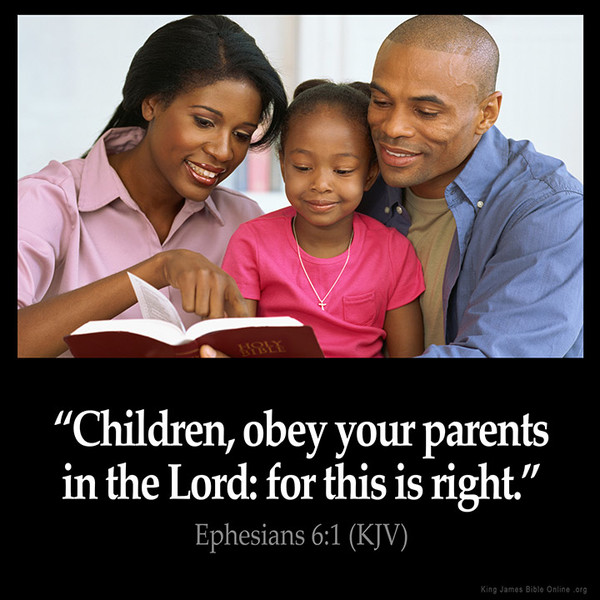
I will admit that there are things that I had done to my own mother and stepfather when I was much younger. Like they say in Ephesians 6:1, Children, obey your parents in the Lord: for this is right. There are times when I was a child that I even resented my own stepfather. I even got into a fist fight with him immediately after he stabbed me with the hook knife that he had in his possession at the time. There are times when I have actual flashbacks from the things that I had to endure in my personal life.
Finally, I am very sorry for mentioning all of this, but I have to tell the truth. My name is Anthony Joseph Hopkins, and I am a 53 year old man from Dayton, Ohio. I used to live in Charlotte, NC for 12 years. I have been incarcerated a total of 26 times within the past 21 years. I graduated from the University of Toledo in Toledo, Ohio on June 12, 1993 and June 17, 1995 respectively. There are times when I meditate about the past and there are times when my own family members argue with me about the past. God loves me and this is all that matters to me right now. I have come a very long way in my personal life.
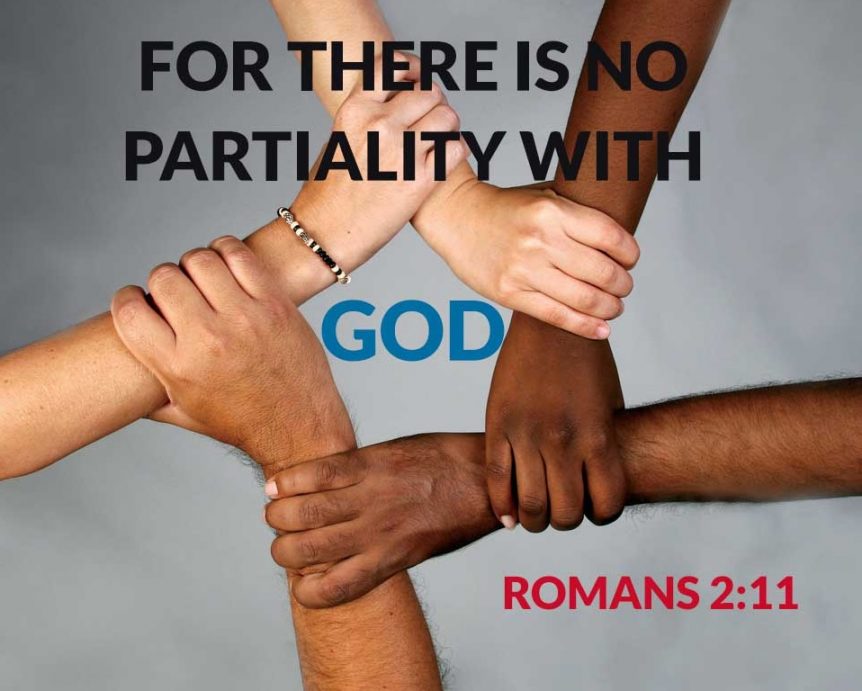
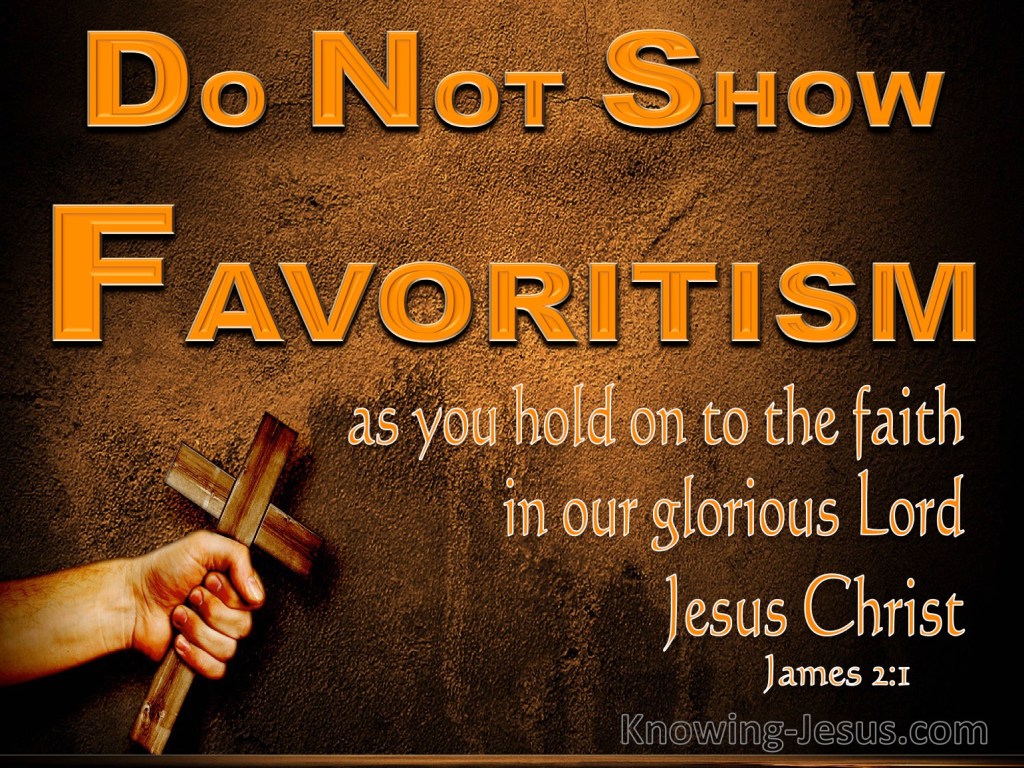
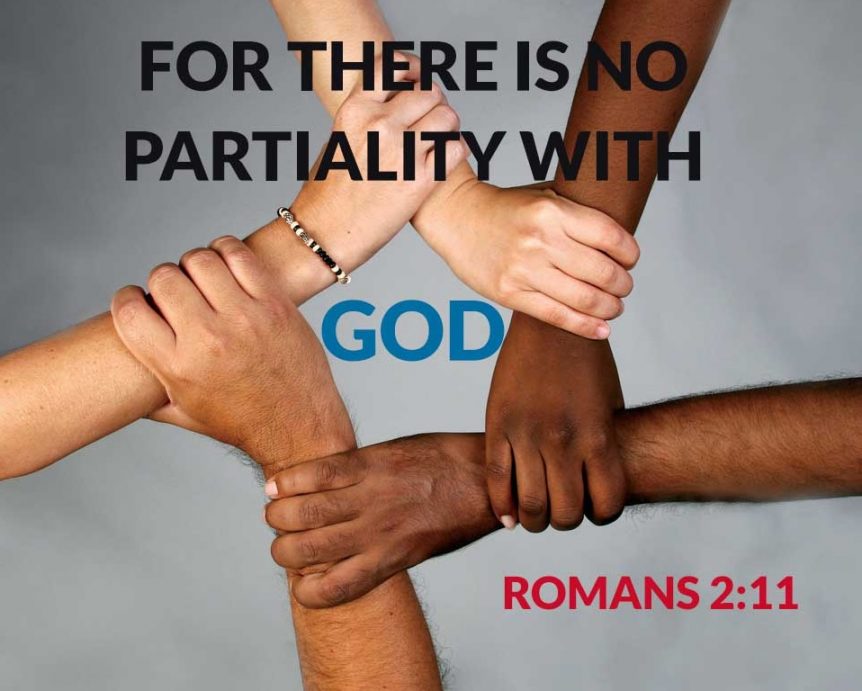
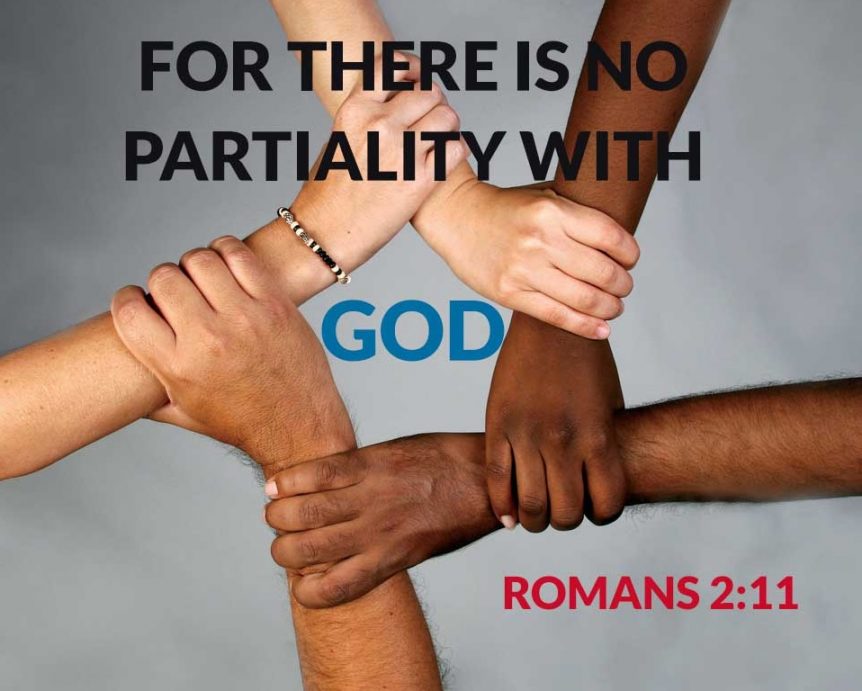
What is the definition of the word Partiality? The word Partiality means favoritism or choosing sides. Partiality is the habit of favoring something — taking its part. … Partiality is like bias. It means that your favorite person, type of food, or way of operating tends to get priority when you’re making up your mind. God does not show partiality because it is a sin.
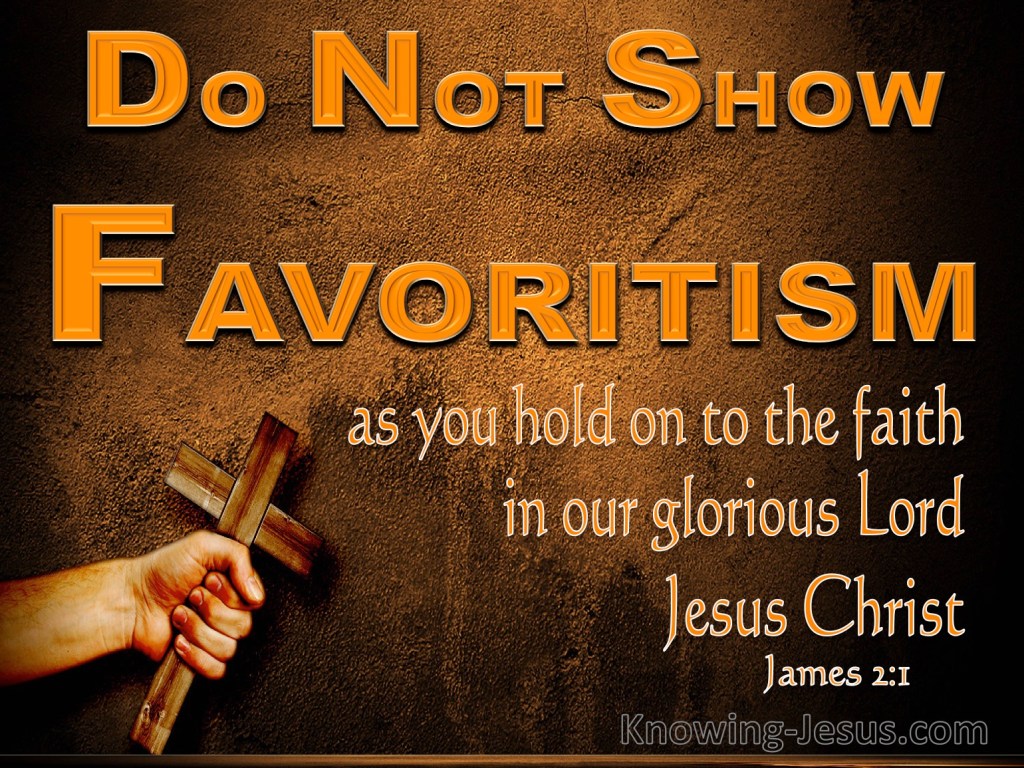
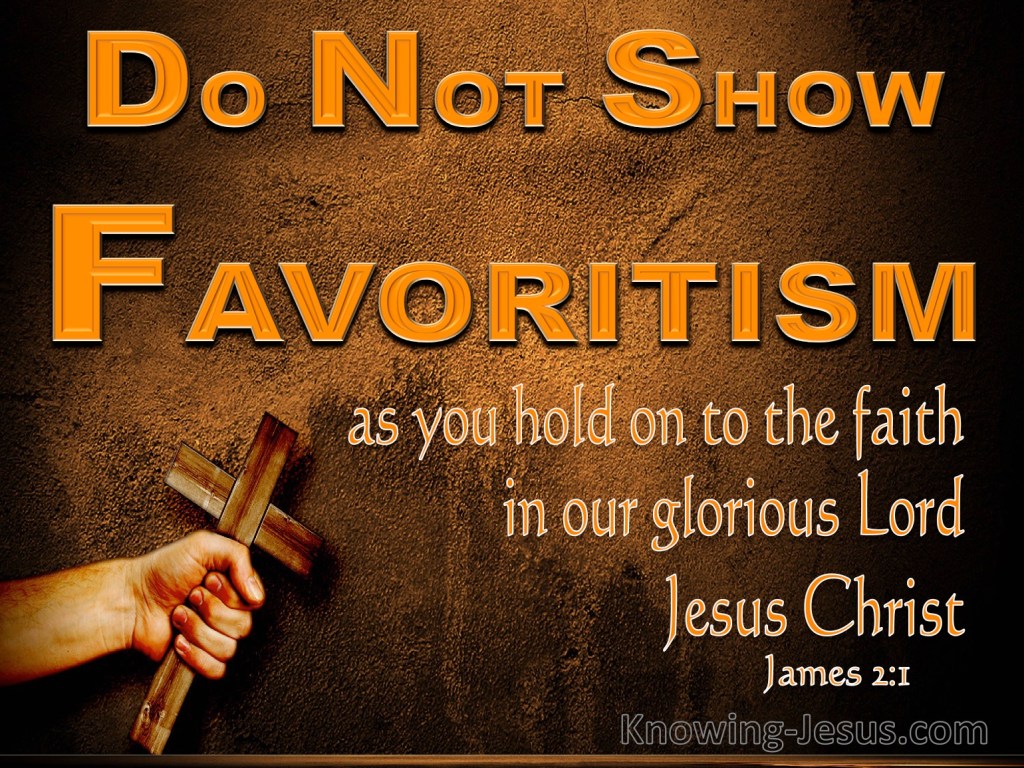
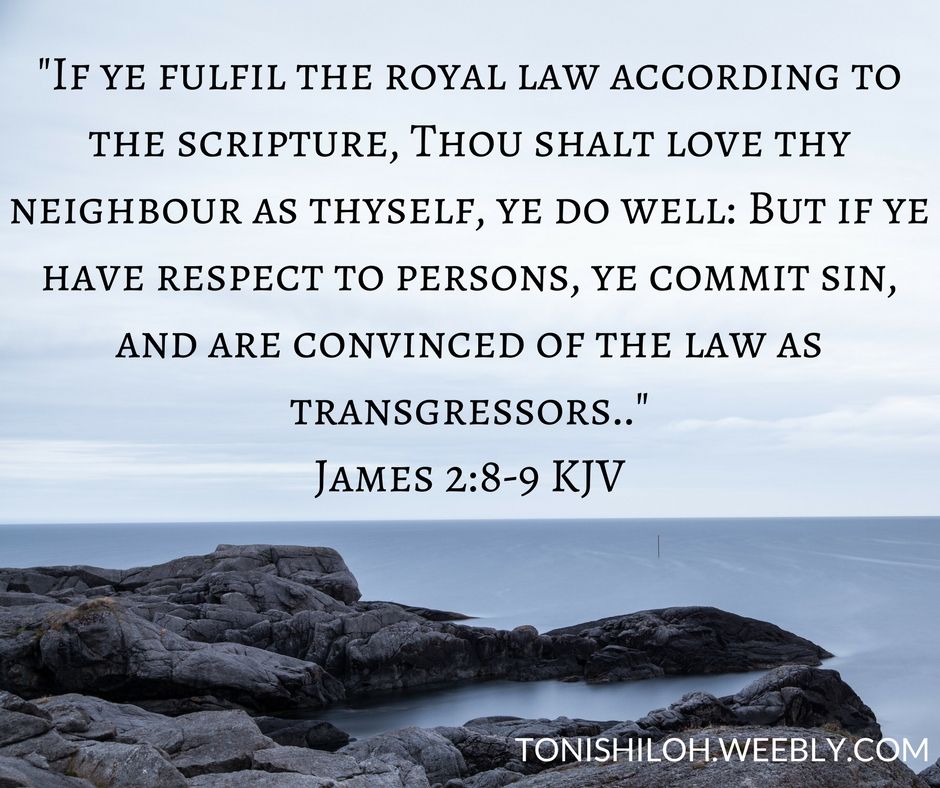
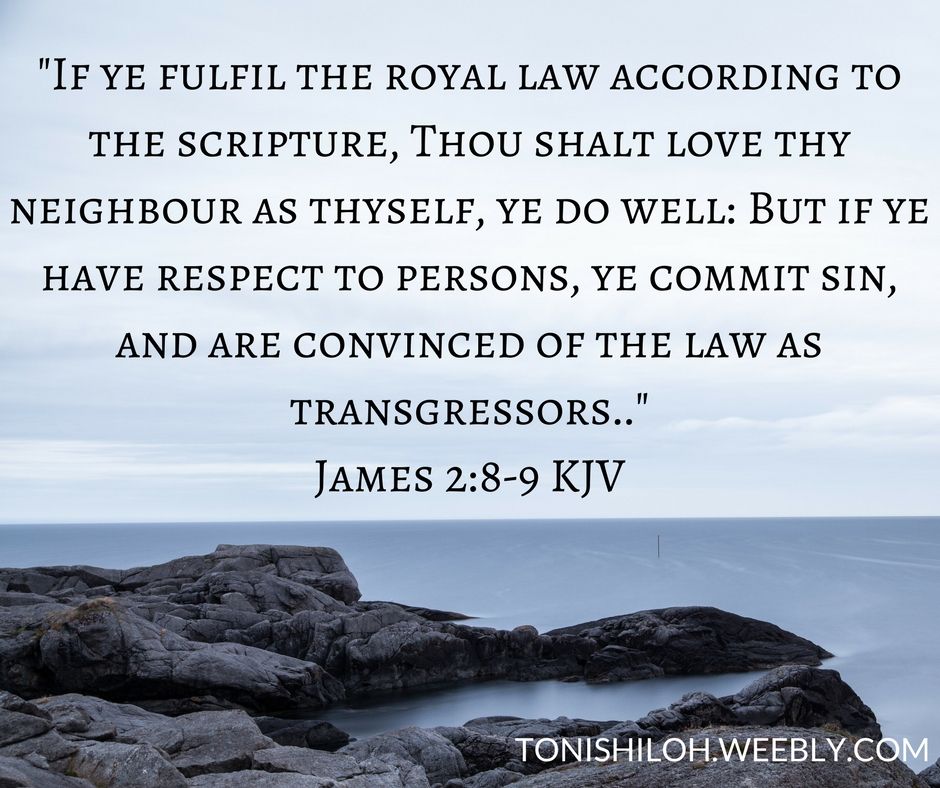
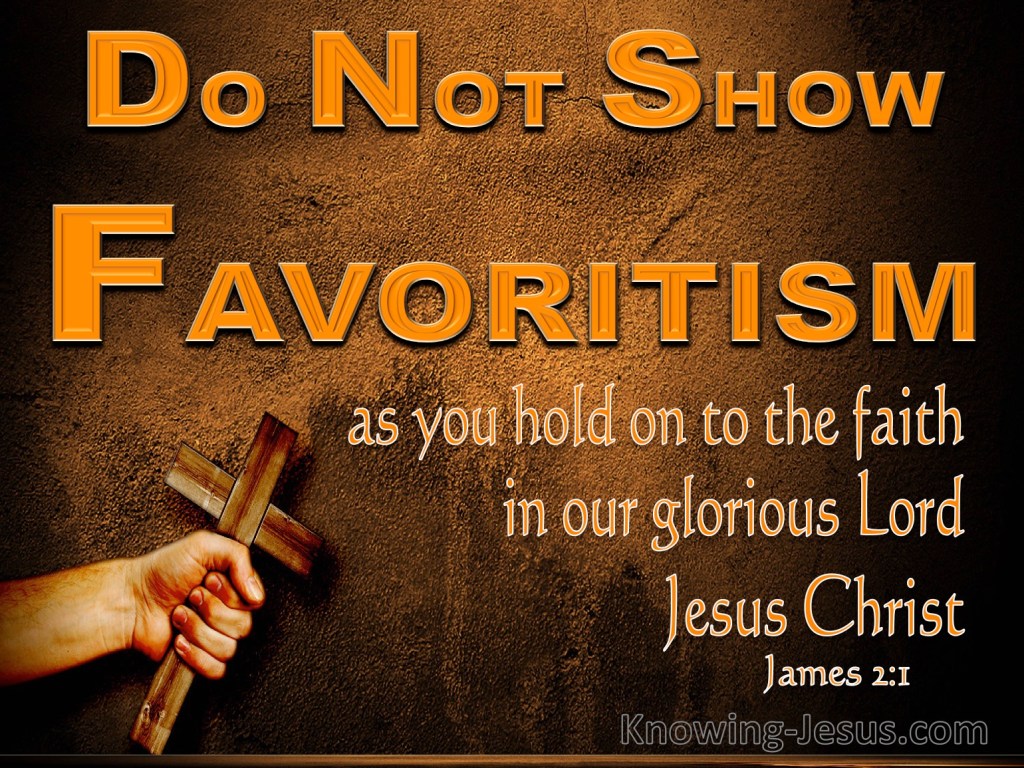
One thing that I can say about myself is that I do not show favoritism. God does not do it, and so do I. I want to inform all of you that when someone shows favoritism, you are committing a sin. You will be deemed as a transgressor.
I also noticed in my family that there are favorite Uncles and Aunts. I really do not understand why people are showing favorites, or choosing sides when it comes to people, places, and things. The only thing that I know is that my family members are committing a sin. When it comes to the word Partiality, it is very serious if any person that I know has committed this offense.
What does the word favoritism mean? Favoritism means to 1: the showing of special favor: partiality. 2: the state or fact of being a favorite. I know that my nieces and nephews have stated that I was their favorite Uncle in the family. I try to tell all of my family members that you are committing a sin whenever you have a favorite person. Frankly, I treat everyone the same.
According to the Bible, God does not show favoritism whatsoever. I realize that what I was doing is telling my family members and friends the truth. I understand that God is love. Favoritism can get someone in trouble with God. I remember when I was a little boy, I used to have a favorite football team growing up. However, my team used to lose all of their football games. Currently, I do not have a favorite team whatsoever. I say that I love everything equally.
What is the Definition of the word Partiality?
By: Anthony Joseph Hopkins April 23, 2021
What is the definition of the word Partiality? The word Partiality means favoritism or choosing sides. Partiality is the habit of favoring something — taking its part. … Partiality is like bias. It means that your favorite person, type of food, or way of operating tends to get priority when you’re making up your mind. God does not show partiality because it is a sin.
One thing that I can say about myself is that I do not show favoritism. God does not do it, and so do I. I want to inform all of you that when someone shows favoritism, you are committing a sin. You will be deemed as a transgressor.
I also noticed in my family that there are favorite Uncles and Aunts. I really do not understand why people are showing favorites, or choosing sides when it comes to people, places, and things. The only thing that I know is that my family members are committing a sin. When it comes to the word Partiality, it is very serious if any person that I know has committed this offense.
What does the word favoritism mean? Favoritism means to 1: the showing of special favor: partiality. 2: the state or fact of being a favorite. I know that my nieces and nephews have stated that I was their favorite Uncle in the family. I try to tell all of my family members that you are committing a sin whenever you have a favorite person. Frankly, I treat everyone the same.
According to the Bible, God does not show favoritism whatsoever. I realize that what I was doing is telling my family members and friends the truth. I understand that God is love. Favoritism can get someone in trouble with God. I remember when I was a little boy, I used to have a favorite football team growing up. However, my team used to lose all of their football games. Currently, I do not have a favorite team whatsoever. I say that I love everything equally.
What is the Definition of the word Partiality?
By: Anthony Joseph Hopkins April 23, 2021
What is the definition of the word Partiality? The word Partiality means favoritism or choosing sides. Partiality is the habit of favoring something — taking its part. … Partiality is like bias. It means that your favorite person, type of food, or way of operating tends to get priority when you’re making up your mind. God does not show partiality because it is a sin.
One thing that I can say about myself is that I do not show favoritism. God does not do it, and so do I. I want to inform all of you that when someone shows favoritism, you are committing a sin. You will be deemed as a transgressor.
I also noticed in my family that there are favorite Uncles and Aunts. I really do not understand why people are showing favorites, or choosing sides when it comes to people, places, and things. The only thing that I know is that my family members are committing a sin. When it comes to the word Partiality, it is very serious if any person that I know has committed this offense.
What does the word favoritism mean? Favoritism means to 1: the showing of special favor: partiality. 2: the state or fact of being a favorite. I know that my nieces and nephews have stated that I was their favorite Uncle in the family. I try to tell all of my family members that you are committing a sin whenever you have a favorite person. Frankly, I treat everyone the same.
According to the Bible, God does not show favoritism whatsoever. I realize that what I was doing is telling my family members and friends the truth. I understand that God is love. Favoritism can get someone in trouble with God. I remember when I was a little boy, I used to have a favorite football team growing up. However, my team used to lose all of their football games. Currently, I do not have a favorite team whatsoever. I say that I love everything equally.
What is the Definition of the word Partiality?
By: Anthony Joseph Hopkins April 23, 2021
What is the definition of the word Partiality? The word Partiality means favoritism or choosing sides. Partiality is the habit of favoring something — taking its part. … Partiality is like bias. It means that your favorite person, type of food, or way of operating tends to get priority when you’re making up your mind. God does not show partiality because it is a sin.
One thing that I can say about myself is that I do not show favoritism. God does not do it, and so do I. I want to inform all of you that when someone shows favoritism, you are committing a sin. You will be deemed as a transgressor.
I also noticed in my family that there are favorite Uncles and Aunts. I really do not understand why people are showing favorites, or choosing sides when it comes to people, places, and things. The only thing that I know is that my family members are committing a sin. When it comes to the word Partiality, it is very serious if any person that I know has committed this offense.
What does the word favoritism mean? Favoritism means to 1: the showing of special favor: partiality. 2: the state or fact of being a favorite. I know that my nieces and nephews have stated that I was their favorite Uncle in the family. I try to tell all of my family members that you are committing a sin whenever you have a favorite person. Frankly, I treat everyone the same.
According to the Bible, God does not show favoritism whatsoever. I realize that what I was doing is telling my family members and friends the truth. I understand that God is love. Favoritism can get someone in trouble with God. I remember when I was a little boy, I used to have a favorite football team growing up. However, my team used to lose all of their football games. Currently, I do not have a favorite team whatsoever. I say that I love everything equally.
What is the Definition of the word Partiality?
By: Anthony Joseph Hopkins April 23, 2021
What is the definition of the word Partiality? The word Partiality means favoritism or choosing sides. Partiality is the habit of favoring something — taking its part. … Partiality is like bias. It means that your favorite person, type of food, or way of operating tends to get priority when you’re making up your mind. God does not show partiality because it is a sin.
One thing that I can say about myself is that I do not show favoritism. God does not do it, and so do I. I want to inform all of you that when someone shows favoritism, you are committing a sin. You will be deemed as a transgressor.
I also noticed in my family that there are favorite Uncles and Aunts. I really do not understand why people are showing favorites, or choosing sides when it comes to people, places, and things. The only thing that I know is that my family members are committing a sin. When it comes to the word Partiality, it is very serious if any person that I know has committed this offense.
What does the word favoritism mean? Favoritism means to 1: the showing of special favor: partiality. 2: the state or fact of being a favorite. I know that my nieces and nephews have stated that I was their favorite Uncle in the family. I try to tell all of my family members that you are committing a sin whenever you have a favorite person. Frankly, I treat everyone the same.
According to the Bible, God does not show favoritism whatsoever. I realize that what I was doing is telling my family members and friends the truth. I understand that God is love. Favoritism can get someone in trouble with God. I remember when I was a little boy, I used to have a favorite football team growing up. However, my team used to lose all of their football games. Currently, I do not have a favorite team whatsoever. I say that I love everything equally.
What is the Definition of the word Partiality?
By: Anthony Joseph Hopkins April 23, 2021
What is the definition of the word Partiality? The word Partiality means favoritism or choosing sides. Partiality is the habit of favoring something — taking its part. … Partiality is like bias. It means that your favorite person, type of food, or way of operating tends to get priority when you’re making up your mind. God does not show partiality because it is a sin.
One thing that I can say about myself is that I do not show favoritism. God does not do it, and so do I. I want to inform all of you that when someone shows favoritism, you are committing a sin. You will be deemed as a transgressor.
I also noticed in my family that there are favorite Uncles and Aunts. I really do not understand why people are showing favorites, or choosing sides when it comes to people, places, and things. The only thing that I know is that my family members are committing a sin. When it comes to the word Partiality, it is very serious if any person that I know has committed this offense.
What does the word favoritism mean? Favoritism means to 1: the showing of special favor: partiality. 2: the state or fact of being a favorite. I know that my nieces and nephews have stated that I was their favorite Uncle in the family. I try to tell all of my family members that you are committing a sin whenever you have a favorite person. Frankly, I treat everyone the same.
According to the Bible, God does not show favoritism whatsoever. I realize that what I was doing is telling my family members and friends the truth. I understand that God is love. Favoritism can get someone in trouble with God. I remember when I was a little boy, I used to have a favorite football team growing up. However, my team used to lose all of their football games. Currently, I do not have a favorite team whatsoever. I say that I love everything equally.
What is the Definition of the word Partiality?
By: Anthony Joseph Hopkins April 23, 2021
What is the definition of the word Partiality? The word Partiality means favoritism or choosing sides. Partiality is the habit of favoring something — taking its part. … Partiality is like bias. It means that your favorite person, type of food, or way of operating tends to get priority when you’re making up your mind. God does not show partiality because it is a sin.
One thing that I can say about myself is that I do not show favoritism. God does not do it, and so do I. I want to inform all of you that when someone shows favoritism, you are committing a sin. You will be deemed as a transgressor.
I also noticed in my family that there are favorite Uncles and Aunts. I really do not understand why people are showing favorites, or choosing sides when it comes to people, places, and things. The only thing that I know is that my family members are committing a sin. When it comes to the word Partiality, it is very serious if any person that I know has committed this offense.
What does the word favoritism mean? Favoritism means to 1: the showing of special favor: partiality. 2: the state or fact of being a favorite. I know that my nieces and nephews have stated that I was their favorite Uncle in the family. I try to tell all of my family members that you are committing a sin whenever you have a favorite person. Frankly, I treat everyone the same.
According to the Bible, God does not show favoritism whatsoever. I realize that what I was doing is telling my family members and friends the truth. I understand that God is love. Favoritism can get someone in trouble with God. I remember when I was a little boy, I used to have a favorite football team growing up. However, my team used to lose all of their football games. Currently, I do not have a favorite team whatsoever. I say that I love everything equally.
According to the Bible, God does not show favoritism whatsoever. I realize that what I was doing is telling my family members and friends the truth. I understand that God is love. Favoritism can get someone in trouble with God. I remember when I was a little boy, I used to have a favorite football team growing up. However, my team used to lose all of their football games. Currently, I do not have a favorite team whatsoever. I say that I love everything equally.
According to the Bible, God does not show favoritism whatsoever. I realize that what I was doing is telling my family members and friends the truth. I understand that God is love. Favoritism can get someone in trouble with God. I remember when I was a little boy, I used to have a favorite football team growing up. However, my team used to lose all of their football games. Currently, I do not have a favorite team whatsoever. I say that I love everything equally.
According to the Bible, God does not show favoritism whatsoever. I realize that what I was doing is telling my family members and friends the truth. I understand that God is love. Favoritism can get someone in trouble with God. I remember when I was a little boy, I used to have a favorite football team growing up. However, my team used to lose all of their football games. Currently, I do not have a favorite team whatsoever. I say that I love everything equally.
According to the Bible, God does not show favoritism whatsoever. I realize that what I was doing is telling my family members and friends the truth. I understand that God is love. Favoritism can get someone in trouble with God. I remember when I was a little boy, I used to have a favorite football team growing up. However, my team used to lose all of their football games. Currently, I do not have a favorite team whatsoever. I say that I love everything equally.
According to the Bible, God does not show favoritism whatsoever. I realize that what I was doing is telling my family members and friends the truth. I understand that God is love. Favoritism can get someone in trouble with God. I remember when I was a little boy, I used to have a favorite football team growing up. However, my team used to lose all of their football games. Currently, I do not have a favorite team whatsoever. I say that I love everything equally.
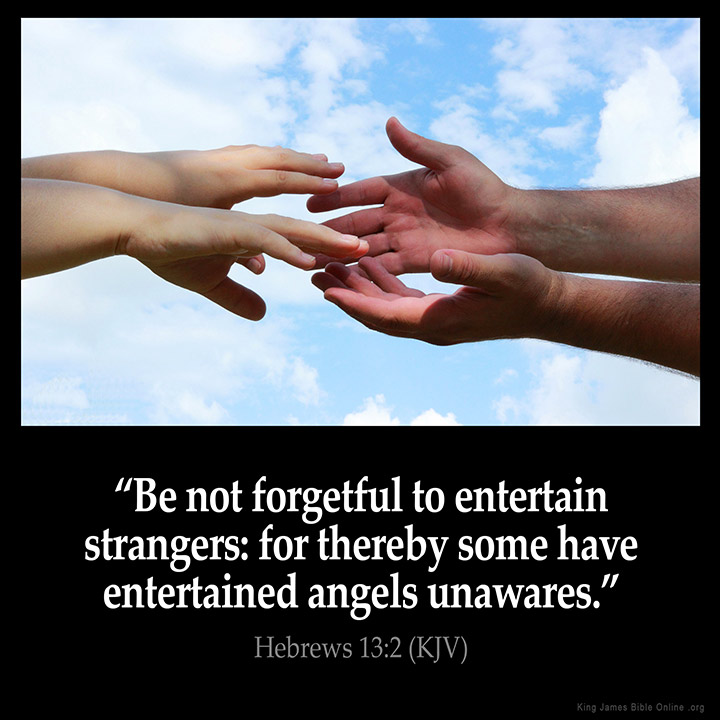
Praise the Lord Saints!! Praise the Lord!! How are you doing today? Fine, I hope. I want to inform all of you that the Bible verse Hebrews 13:2 really makes sense. It says Be not forgetful to entertain strangers: for thereby so have entertained angels unawares.
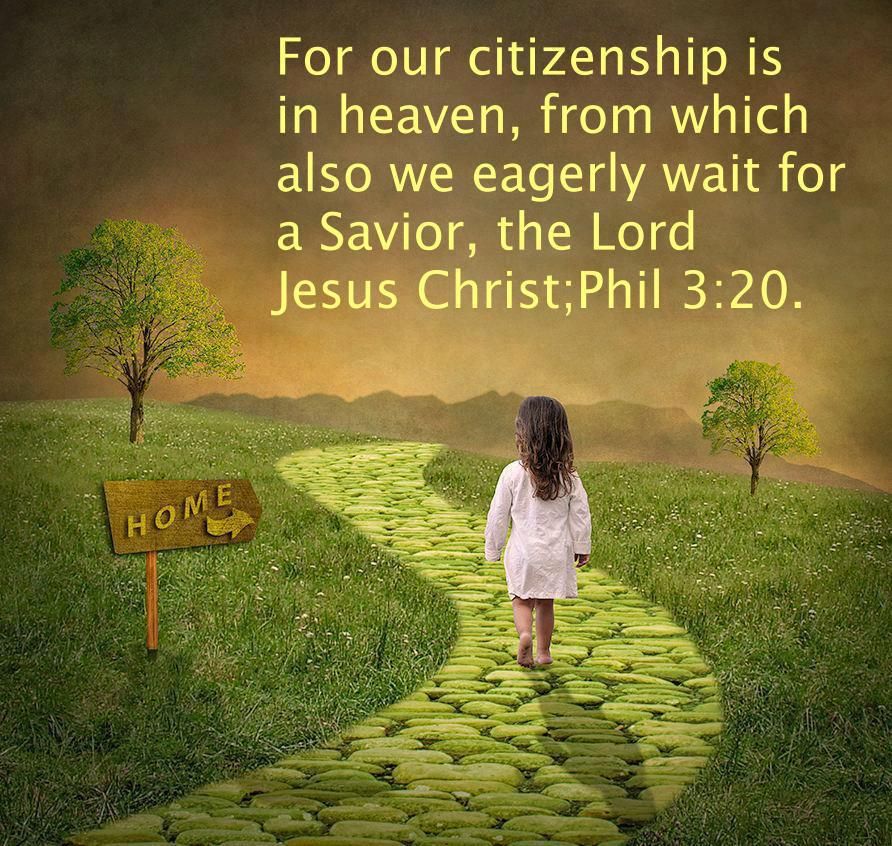
This is a very good Bible verse because it pertains to people, and the ability, according to the Bible, have entertained strangers. Frankly, we are all strangers and angels on planet earth. I am saying this because we are here on earth temporarily. I want to say that I understand that our fellowship permanently is heaven.
Do you know that everything inside of the Bible is true? It is true because it has a whole lot to do with real life as it pertains to God’s creation. I know that we are going to be evaluated. We are going to be evaluated according to our behavior, actions, and what we have done for God. I even know that we are going to be evaluated by the way we have managed our money for the Lord.
Next, I keep informing everyone that we receive everything from God. When it talks about every single thing, I am talking about everything comes from God. John 3:27 says; John answered and said, A man can receive nothing except it be given him from heaven. This is true because everything belongs to God.
Further, I want to inform all of you that we are all blessed on a daily basis. Life itself is only a vapor. This is the truth. The air that we breathe does not belong to any of us. Psalms 144:4 says that Man is like a breath, his days are a passing shadow. This is true because God’s Spirits is inside of all of us. I know that my essay consists of things that pertains to this life. I am only writing a basic essay just to prove my point that; the Bible is real.
In Addition to the necessities of life. All things are created to established harmony on earth. I know that human behavior is learned according to psychology. I guess everyone we meet are strangers to all of us: with the exception of our family members. Our friends, who know about our outer appearance. The inside of our bodies, God knows about better than mankind.
Finally, I know that everyone matters on earth. I am very happy that God is examining all of us every single day of the week. God loves all of us equally. We are strangers in a land called Planet Earth!!
Good Day Everyone!! How are all of you doing today? Fine, I hope. God is an amazing God. God is so amazing that words cannot describe His mighty awesomeness. The reason why I am feeling depressed is simply because I have purchased some phones and suddenly, I do not know how to use it. God is amazing God because I know that The God who created the world and everything inside of it; will show me how to use my new cell phone.
Next, God is so amazing that one of my own friends betrayed me today. For instance, my friend told me inside of my face that he did not get his Stimulus Check. Therefore, I had given him an extra $20.00 as well as purchased three cell phones. I have been feeling up and down when it pertains to my behavior this month. God is so awesome to me because I did not get into any trouble.
Further, I want to say to everyone that I have been feeling very uneasy as of late. God has made it possible for me to breathe his air. I am blessed today because I have the opportunity to stand erect like normal people. I will admit that I have memory problems. God has been walking with me. I thank Him for allowing me to do the things that I do for other people. God is amazing because I have a whole new attitude and a new mind.
Moreover, I want to say to everyone that I have been hesitant as of late. You know something, my friend has been using me for 11 years now. Lord, I am very sorry for allowing other people to take advantage of me. Lord Jesus, I am very sorry for not paying my tithes and offerings to the church. My tithes and offerings were drafted out of my account. The people who have been my friends for over 45 years, have taken advantage of me as well.
In Addition, I want to say that I am truly blessed. I am blessed by God Himself. I will admit that I might stumble from time to time, but God is still with me. I want to inform everyone that I need all of your prayers. It will take me at least one month for me to get used to my new cell phone. I want to say that God is so amazing to me personally because He has blessed me with the things that I currently have.
Finally, I want to inform all of you that for some apparent reason, I feel very apprehensive. I do not know what is wrong with me, but I can say is God is so amazing to me. I really love all of you very much. God is so amazing to me because he saved me from getting trouble today. God has saved me on February 15, 2015. I am a Child of The Highest God. I am happy right now. I have to go back to the store and pick up my receipt. Thank You for understanding my situation.
Scripture clearly says that prayer is important. But have you ever wondered how effective it really is? When we see results, we can think our prayers have made the difference. But when a request seems to go unanswered, we can doubt. null
Both of those assumptions use the wrong measurement, though. The Bible clearly says that the power to create, fix and heal comes from God alone. But our prayers do matter to Him, and can even move Him, when they are aligned with His heart.
“Take delight in the Lord, and he will give you the desires of your heart. Commit your way to the Lord; trust in him and he will do this…” (Psalm 37:4-5).
“This is the confidence we have in approaching God: that if we ask anything according to his will, he hears us. And if we know that he hears us—whatever we ask—we know that we have what we asked of him” (1 John 5:14-15).
When we are tuned to God, our prayers can have the effect of displaying more of God’s character and desires. And that can have a big impact within and around us.
What the Bible Says About Prayer
Part of aligning our prayers more closely with God’s will is learning the kind that pleases Him. Lessons and examples of this are woven throughout Scripture.
How We Are to Pray
In the Gospels, Jesus gives us a model for prayer. It opens with a humble acknowledgement of God’s sovereignty.
“‘Our Father in heaven, hallowed be your name, your kingdom come, your will be done, on earth as it is in heaven’“ (Matthew 6:9-10).
God promises to honor the prayers of those who submit to His rule in their lives.
“…if my people, who are called by my name, will humble themselves and pray and seek my face and turn from their wicked ways, then I will hear from heaven…” (2 Chronicles 7:14).
The New Testament authors wrote about righteousness and faith being essential elements of the prayer that delights God. They also urge us to trust in the Lord’s ability and faithfulness to answer prayer.
“But when you ask, you must believe and not doubt, because the one who doubts is like a wave of the sea, blown and tossed by the wind.That person should not expect to receive anything from the Lord” (James 1:6-7).
Why We Are to Pray
A lot of what Scripture says about prayer has to do with our motivation for lifting up a request. Jesus said it plainly in John 15.
“If you remain in me and my words remain in you, ask whatever you wish, and it will be done for you” (John 15:7).
In this short verse, Jesus teaches us an important principle. By staying close to Him, we’ll become less self-centered. The things we’ll pray about start to reflect God’s vision for His people and the world. And these are prayers that God wants to answer.
As we start to learn more of God’s heart, the items on our prayer list might shift in focus. This is just a small sampling of what others have asked for by faith.
1. That the Lord would be glorified
“I cried out to him with my mouth; his praise was on my tongue” (Psalm 66:17).
2. That personal needs would be met
“Let us then approach God’s throne of grace with confidence, so that we may receive mercy and find grace to help us in our time of need” (Hebrews 4:16).
3. That God would forgive our sins
“Therefore confess your sins to each other and pray for each other so that you may be healed. The prayer of a righteous person is powerful and effective” (James 5:16).
4. That others would be blessed
“I urge, then, first of all, that petitions, prayers, intercession and thanksgiving be made for all people — for kings and all those in authority, that we may live peaceful and quiet lives in all godliness and holiness. This is good, and pleases God our Savior, who wants all people to be saved and to come to a knowledge of the truth” (1 Timothy 2:1-4).
Does Prayer Change God’s Mind?
“God is not human, that he should lie, not a human being, that he should change his mind” (Numbers 23:19).
One of God’s qualities is an unchanging nature, and our prayers don’t affect that. But in some Bible passages, it can appear that way. We need to understand that above all else, God wants people to repent and return to Him. In His mercy, He is moved when He hears someone sincerely asking for that chance.
Other examples of this include His plan for Nineveh, as described in the book of Jonah. In Genesis, Abraham “bargains” with God to save the cities of Sodom and Gomorrah. God agrees to save the city if a remnant of godly people can be found (Genesis 18:20).
For many years, I thought that prayer was all about asking God for stuff or situations – a very shallow and self-centered way of looking at it. As I began to grow a bit, I saw that God provided prayer as a way for us to communicate with Him, and lifted up more of my concerns and fears.
Over time, I’ve come to experience even deeper purposes for prayer. Now, while I still ask Him to take care of me, I want to know who else God wants to care for. I want to share more of His passions and to see where He is working.
Scripture tells us that prayer activates movement in the spiritual realm as well.
“For though we live in the world, we do not wage war as the world does.The weapons we fight with are not the weapons of the world. On the contrary, they have divine power to demolish strongholds.We demolish arguments and every pretension that sets itself up against the knowledge of God, and we take captive every thought to make it obedient to Christ” (2 Corinthians 10:3-5).
“For our struggle is not against flesh and blood, but against the rulers, against the authorities, against the powers of this dark world and against the spiritual forces of evil in the heavenly realms” (Ephesians 6:12).
God certainly doesn’t need us to pray in order to accomplish His plans. He already has all the strength and might He needs. And yet He calls us to do it, as Paul wrote, “at all times.” That’s because God knows what prayer does in us and for us.
Our Heavenly Father designed people to be in relationship, with Him and each other. He provided prayer as a tool for connecting. It is a way to show our love to God, and a way to encourage others.
It’s been said that God never leaves a prayer unanswered. But His Word doesn’t give any guarantees that we will get everything we want. And sometimes, His response, or lack of it, does feel like “no.”
Scripture mentions a couple of potential reasons why that might happen, such as God’s timing (2 Peter 3:9), our doubt (Matthew 21:21-22) or disobedience (John 9:31). A “no” from God might also be because He has a better “yes” for us, usually something we wouldn’t think to ask for (Isaiah 55:8-9), in a time or way we don’t expect.
Whatever the reason might be, we must continue to seek God. We can start by honestly pouring out our feelings and thoughts to Him. Then, we can decide what to do with our item – either persevering in lifting it up or letting it go to the Lord. When we reach for Him, even in our upset, He will give us His peace as we wait.
It’s tempting to look for visible results to decide if our prayers are effective. But Scripture reveals that prayer has a rich purpose that goes beyond getting. Oswald Chambers put it beautifully in his devotional My Utmost for His Highest:
“Prayer is not a matter of changing things externally, but one of working miracles in a person’s inner nature.”
Scripture clearly says that prayer is important. But have you ever wondered how effective it really is? When we see results, we can think our prayers have made the difference. But when a request seems to go unanswered, we can doubt. Both of those assumptions use the wrong measurement, though. The Bible clearly says that the power to create, fix and heal comes from God alone. But our prayers do matter to Him, and can even move Him, when they are aligned with His heart. “Take delight in the Lord, and he will give you the desires of your heart. Commit your way to the Lord; trust in him and he will do this…” (Psalm 37:4-5). “This is the confidence we have in approaching God: that if we ask anything according to his will, he hears us
And if we know that he hears us—whatever we ask—we know that we have what we asked of him” (1 John 5:14-15). When we are tuned to God, our prayers can have the effect of displaying more of God’s character and desires. And that can have a big impact within and around us. What the Bible Says About Prayer Part of aligning our prayers more closely with God’s will is learning the kind that pleases Him. Lessons and examples of this are woven throughout Scripture. How We Are to Pray In the Gospels, Jesus gives us a model for prayer. It opens with a humble acknowledgement of God’s sovereignty. “‘Our Father in heaven, hallowed be your name, your kingdom come, your will be done, on earth as it is in heaven’“ (Matthew 6:9-10). God promises to honor the prayers of those who submit to His rule in their lives. “…if my people, who are called by my name, will humble themselves and pray and seek my face and turn from their wicked ways, then I will hear from heaven…” (2 Chronicles 7:14).
The New Testament authors wrote about righteousness and faith being essential elements of the prayer that delights God. They also urge us to trust in the Lord’s ability and faithfulness to answer prayer. “But when you ask, you must believe and not doubt, because the one who doubts is like a wave of the sea, blown and tossed by the wind. That person should not expect to receive anything from the Lord” (James 1:6-7). Why We Are to Pray A lot of what Scripture says about prayer has to do with our motivation for lifting up a request. Jesus said it plainly in John 15. “If you remain in me and my words remain in you, ask whatever you wish, and it will be done for you” (John 15:7). In this short verse, Jesus teaches us an important principle. By staying close to Him, we’ll become less self-centered. The things we’ll pray about start to reflect God’s vision for His people and the world. And these are prayers that God wants to answer. What We Are to Pray For As we start to learn more of God’s heart, the items on our prayer list might shift in focus. This is just a small sampling of what others have asked for by faith. 1. That the Lord would be glorified “I cried out to him with my mouth; his praise was on my tongue” (Psalm 66:17). 2. That personal needs would be met “Let us then approach God’s throne of grace with confidence, so that we may receive mercy and find grace to help us in our time of need” (Hebrews 4:16). 3. That God would forgive our sins “Therefore confess your sins to each other and pray for each other so that you may be healed.
The prayer of a righteous person is powerful and effective” (James 5:16). 4. That others would be blessed “I urge, then, first of all, that petitions, prayers, intercession and thanksgiving be made for all people — for kings and all those in authority, that we may live peaceful and quiet lives in all godliness and holiness. This is good, and pleases God our Savior, who wants all people to be saved and to come to a knowledge of the truth” (1 Timothy 2:1-4). Does Prayer Change God’s Mind? “God is not human, that he should lie, not a human being, that he should change his mind” (Numbers 23:19). One of God’s qualities is an unchanging nature, and our prayers don’t affect that. But in some Bible passages, it can appear that way. We need to understand that above all else, God wants people to repent and return to Him. In His mercy, He is moved when He hears someone sincerely asking for that chance. For instance, God spoke a prophecy of destruction over Jerusalem through Isaiah. But He also included the opportunity for the nation to avoid their seeming fate. If they repented and returned to Him, God was willing to accept them and hold back His frightening plan.
Other examples of this include His plan for Nineveh, as described in the book of Jonah. In Genesis, Abraham “bargains” with God to save the cities of Sodom and Gomorrah. God agrees to save the city if a remnant of godly people can be found (Genesis 18:20). Prayer did play a part in all these events. The King in Nineveh commanded the people, “Let everyone call urgently on God. Let them give up their evil ways and their violence” (Jonah 3:8). Their prayers reached up to God, and He spared the city. What Is the Purpose of Prayer? For many years, I thought that prayer was all about asking God for stuff or situations – a very shallow and self-centered way of looking at it. As I began to grow a bit, I saw that God provided prayer as a way for us to communicate with Him, and lifted up more of my concerns and fears. Over time, I’ve come to experience even deeper purposes for prayer. Now, while I still ask Him to take care of me, I want to know who else God wants to care for. I want to share more of His passions and to see where He is working.
He provided prayer as a tool for connecting. It is a way to show our love to God, and a way to encourage others. Prayer reminds us of who God is, and what He can do. It often leads to times of worship, and our praise is a delight to Him. Prayer makes us humble and aware of our neediness, and keeps our eyes fixed on God. And when we see Him answer a request, it is a cause for celebration. How Should We Respond When God’s Answer Is “No”? It’s been said that God never leaves a prayer unanswered. But His Word doesn’t give any guarantees that we will get everything we want. And sometimes, His response, or lack of it, does feel like “no.” Scripture mentions a couple of potential reasons why that might happen, such as God’s timing (2 Peter 3:9), our doubt (Matthew 21:21-22) or disobedience (John 9:31). A “no” from God might also be because He has a better “yes” for us, usually something we wouldn’t think to ask for (Isaiah 55:8-9), in a time or way we don’t expect.
Whatever the reason might be, we must continue to seek God. We can start by honestly pouring out our feelings and thoughts to Him. Then, we can decide what to do with our item – either persevering in lifting it up or letting it go to the Lord. When we reach for Him, even in our upset, He will give us His peace as we wait. It’s tempting to look for visible results to decide if our prayers are effective. But Scripture reveals that prayer has a rich purpose that goes beyond getting. Oswald Chambers put it beautifully in his devotional My Utmost for His Highest: “Prayer is not a matter of changing things externally, but one of working miracles in a person’s inner nature.
There was nothing standard or routine about Jesus’ arrest and being sentenced to die by crucifixion. He was an innocent man whom Pilate found no charge against (see John 19:6). But Jesus was sentenced to death because that was the reason he came to earth; so that he could save the world and make salvation possible for all peoples and nations.null
Tucked away in the story of Jesus’ bloody trail to the cross is that the soldiers who beat him wrapped him in a purple robe and placed a crown of thorns upon his head. They gave Jesus a crown of thorns to mock him because Jesus spoke openly to Pilate that he was a king, but his kingdom was not of this world (see John 18:36). The soldiers meant to mock Jesus by placing a crown of thorns on his head, but perhaps there is more to the significance of the crown of thorns.
Why Was Jesus Given a Crown of Thorns?
Placing the crown of thorns on Jesus’ head would not have been a normal part of crucifixion during this time. Crucifixion was used by the Romans as a punishment. In the documentation of Jesus’ crucifixion, found within the Gospels, a crown of thorns was placed on his head by the soldiers.
Jesus had told Pilate that his kingdom was not of this world. The soldiers draped a purple robe around Jesus, put a crown of thorns on his head and shouted, “Hail, King of the Jews” (see John 19:2-3). They did this to make a mockery of Jesus and belittle him. The crown of thorns was used as part of their futile attempts to humiliate him. They did not realize that Jesus was offering up his own life in accordance with the will of his Father to save the world.
Before Jesus was sentenced to be crucified, Pilate had him beaten and whipped. Three of the four Gospels mention specifically that Jesus had a crown of thorns put on his head by the Roman soldiers after they beat him. It is common for details to vary across the four Gospels. Together, the four Gospels give a detailed presentation of Jesus’ ministry and life.null
Matthew 27:29 – “And after twisting together a crown of thorns, they put it on His head, and a reed in His right hand; and they knelt down before Him and mocked Him, saying, ‘Hail, King of the Jews!’”
Mark 15:17 – “They dressed Him up in purple, and after twisting a crown of thorns, they put it on Him.”
John 19:2 – “And the soldiers twisted together a crown of thorns and put it on His head and put a purple robe on Him.”
The accounts of this happening in the Gospels of Matthew, Mark, and John are intense. One can only imagine the pain and suffering Jesus endured. The crown of thorns that was being used as a way to hurt and mock Jesus and his claims of being a king has instead become a powerful reminder of exactly who Jesus is and what he went through to save the world.
The soldiers mocked Jesus and attempted to humiliate him as part of the crucifixion process. Jesus had stated he was a king, and they used that statement against him to ridicule and shame him. The soldiers slapped him and made jokes of his claims of kingship.
Their pride, their hatred, or whatever it may have been, kept the soldiers from recognizing who Jesus really was. For Jesus died even to cover the soldiers’ sins. This is the great love that Jesus has shown for the entire world.
Where Do We See Thorns in the Bible?
References to thorns are throughout the Bible, found in the Old and New Testaments. These references affirm the negative connotation of the word and the desolation associated with thorns.
Numbers 33:55 – “But if you do not drive out the inhabitants of the land from before you, then it shall come about that those whom you let remain of them will become as pricks in your eyes and as thorns in your sides, and they will trouble you in the land in which you live.”
Hosea 9:6 – “For behold, they will go because of destruction; Egypt will gather them up, Memphis will bury them. Weeds will take over their treasures of silver; thorns will be in their tents.”
Matthew 7:16 – “You will know them by their fruits. Grapes are not gathered from thorn bushes nor figs from thistles, are they?”
Hebrews 6:7-8 – “For ground that drinks the rain which often falls on it and brings forth vegetation useful to those for whose sake it is also tilled, receives a blessing from God; but if it yields thorns and thistles, it is worthless and close to being cursed, and it ends up being burned.”
These are just a sampling of verses that reference thorns throughout the Bible, but perhaps most noteworthy is the use of the word thorns in Genesis when God spoke of the curse following the sin of Adam and Eve.
Genesis 3:17-18 – “Cursed is the ground because of you; through painful toil you will eat food from it all the days of your life. It will produce thorns and thistles for you.”
The consequences Adam and Eve suffered because of their sinful choice included the ground yielding thorns and thistles. The Romans soldiers used a crown of thorns, part of the original curse, and placed it on the head of Jesus who would offer atonement, salvation, and hope for the entire world. Truly, this was a powerful symbol of the sin and death that Jesus was about to deliver the world from through his death and resurrection.null
Photo credit: Pixabay/Congerdesign
What Does the Crown of Thorns Teach Us about Who Jesus Is?
Thorns are associated with curses, death and dying, pain and sorrow, and sin. The Roman soldiers placed a crown of thorns on the head of the one who would take on all sin, and pain, and deliver the world from death. What the soldiers meant as a mockery of Jesus’ claims to being a king, instead demonstrated exactly who Jesus is.
Jesus is the King of kings. He alone is the Savior of the world. He took on the shame, sorrows, and sins of the world to save us and redeem us. Jesus willingly stood in our place, was nailed to the cross in our place, and paid our debt by offering up his life according to the will of the Father. What we learn from the crown of thorns is that Jesus’ love for humanity has no bounds, even willing to take on desolation because he loves us and made a way for our redemption.
A Love Unlike Any Other
Jesus’ crucifixion was horrific. He endured unthinkable pain, was beaten brutally, and died on our behalf. When we consider all that Jesus went through, it becomes clear that the depth and breadth of his love is staggering. Truly, Jesus’ love is unlike any other love we will experience.
The crown of thorns placed on Jesus’ head should have been what we suffered, but Jesus took our place. Only he was worthy, and only he could serve as the unblemished lamb sent to die a death that would redeem the world. Though meant to taunt and embarrass Jesus, the crown of thorns was actually a radical symbol of who Jesus is, both Savior and King.null
Pamela Palmer is a writer, chaplain, and the founder of upheldlife.com, the platform on which she produces weekly devotionals and faith resource articles to inspire keeping faith at the center of it all. She lives and thrives on Jesus, coffee, and music. She is in pastoral ministry and gets to share in the emotional and spiritual lives of many people, being a small piece of each journey. Pamela married the perfect man for her and they have two beautiful kiddos. She has been published on herviewfromhome.com and you can follow her at upheldlife.com, or on Facebook.com/upheldlife.















 Site Title