You have a good memory! You’re attentive, caring and always see the big picture. You may miss and few details here and there, but you’re always on top of it and few things are too challenging for you. We’re quite impressed.
Share QuizNext Quiz Go to BabaMail Home Subscribe My Profile Topics English Personality Trivia Health Math IQ Spirituality Skill Edit Profile Help Contact us About Terms Of Service Privacy Policy Follow Us English Personality Trivia IQ Skill Geography History My Scores Quizzes > Trivia > Science How Much Human Psychology Do You Know? Shai K. Share Join Us Psychology, when looking at the world of science, is the new kid on the block. It’s been around for less than 200 years in its current form, but in those years psychologists and psychiatrists have made a LOT of fascinating discoveries about the way we think, process information and act. Do you have the fundamentals of psychology hidden somewhere in your brain? Let’s find out. Psych Major You have a good score, and you obviously have some fundamentals of human psychology down pat. It’s an incredible important discipline to study, following in the footsteps of Freud, Adler and many other great scientists. If you’d like to see your mistakes and the full answers, click on ‘Show Mistakes’. You got 6 out of 12 right – 50% Share your result with friends and see how they compare! Share Result View Your Answers: 1 2 3 4 5 6 7 8 9 10 11 12 Continue Share Quiz WhatsApp Next Quiz
Only 4% of the population can score 3/6 or more. You’re probably bored if not engaged, and you constantly require stimulus in your fields of interest. Are we spot-on? SHARE this tricky logic drill to let us know.
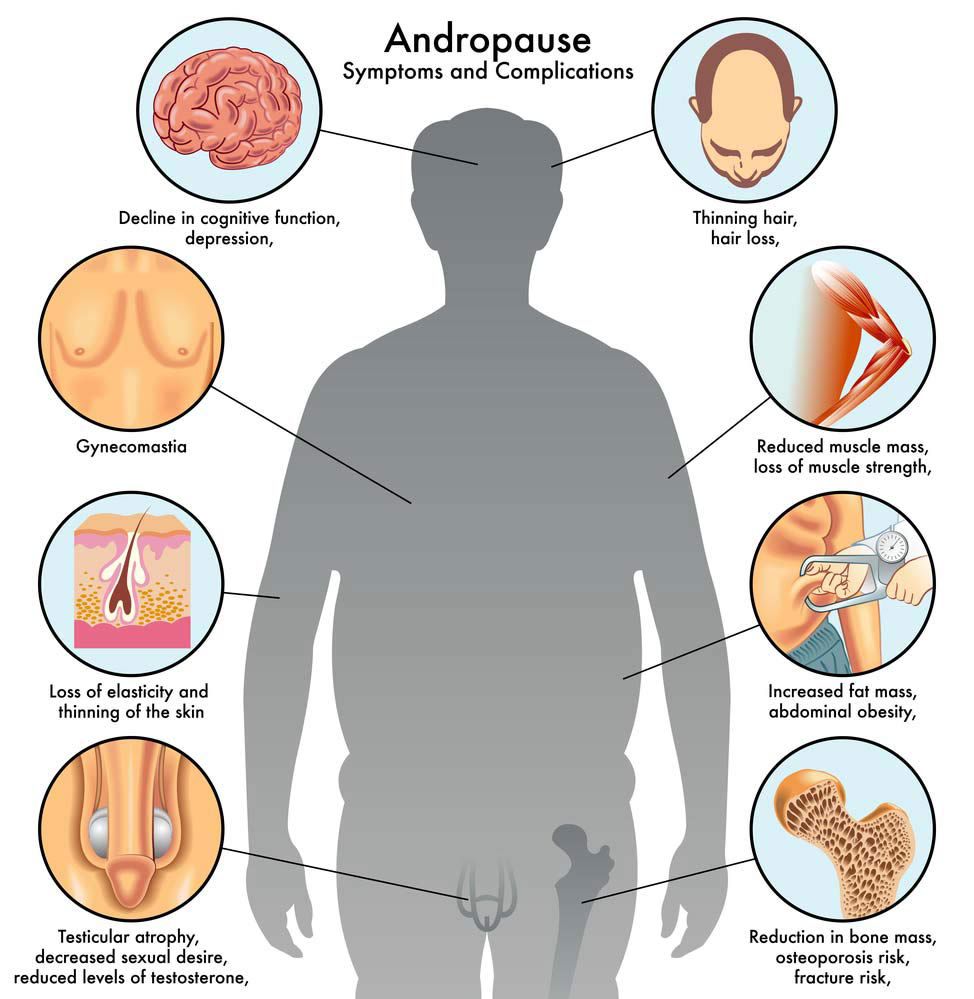
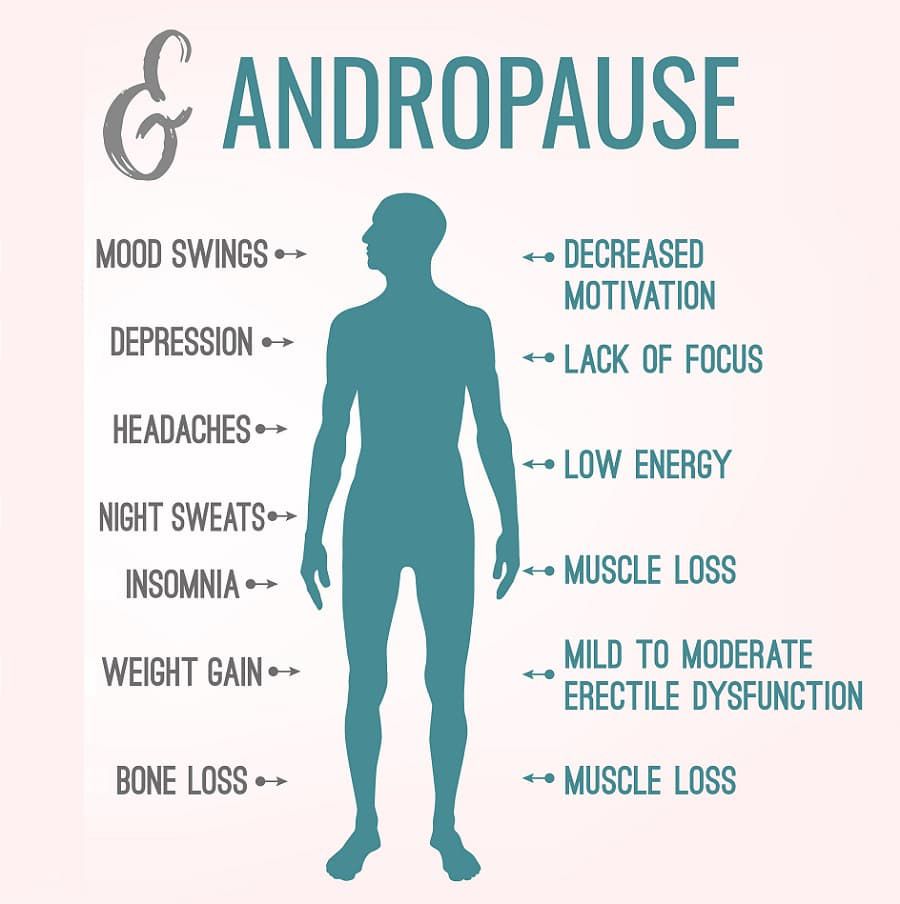
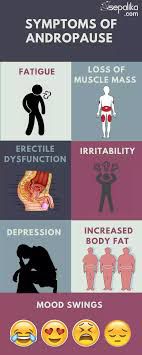
Andropause is the male version of menopause. For Instance, I have been going through these symptoms of Andropause for the past nine years now. The first thing that happens is that Men start losing their testosterone levels. In some cases, a man’s brain and testicles tend to shrink in size. For me personally, my testosterone levels have dropped 74 points in one year. Last year, my testosterone levels were 303 which is very low as well. This year, my testosterone levels dropped to a 384 level. If I continue to increase 174 points per year, I would have a testosterone levels of 384 right now.
Next, I want to inform all of you that it is not very easy for me because I have been gaining weight during the past 17 years. It has been an up and down emotional rollercoaster as of late. I am losing Androgen levels inside of my body as we speak. I know that I am getting older right now.
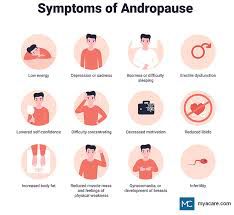
Further, I am sleeping a whole lot lately. My life right now has been very slow. My motivation to get me up early in the morning has a lot to do with my energy levels right now. I weigh 255 pounds right now. I have been feeling sluggish during the past 16 years now.
Finally, I have to start taking care of myself better than usual. I have been doing things slow because I am sleeping a lot more than usual. I have to get this weight off immediately before I die from a heart attack. I have noticed that my muscle mass has dropped tremendously since 2010. Please keep me and my family members and friends in your prayers and thoughts because I have a death in the family right now.
In Conclusion, I have been walking around my apartment each day. I am having memory lapses and back pain right now. I have been having problems with my vision right now. Please pray for me because I am feeling very sick physically, Mentally and emotionally drained.
Postscript: I went to see the Urologist last week at the Miami Valley South Hospital and I feel very excited because my testosterone levels increased 174 points compared to last year. I know that I have lost my apartment because of a fistfight that I had late last year 2024. I feel very sad right now. I went to see the Urologist on January 10, 2025 at 7:00AM. I have to learn how to start all over again. I am losing my Androgen levels every year. Mom always told me to stay away from people, who are always in trouble. This also includes myself!
Walking is an activity that can reveal a lot about a person’s mindset and personality. According to a 2018 study published in the Journal of the American Geriatrics Society, our walking speed can reflect our cognitive and emotional state. Slow walkers, in particular, tend to exhibit unique psychological traits that set them apart from their faster counterparts.
Psychologists believe that walking pace correlates with how we perceive the world and respond to it. While fast walkers often prioritize efficiency, slow walkers may value mindfulness and caution. So, what does it mean when someone walks very slowly? Let’s explore the psychological implications.
The psychology of walking slowly
People who walk slowly often display traits of introversion and self-reflection. They may prefer to take their time to process their surroundings and emotions at their own pace. This behavior suggests a cautious and deliberate nature. These individuals are less likely to rush into decisions and tend to think through their actions carefully.
Slow walkers often enjoy solitude and feel content in their own company. They’re not typically drawn to the spotlight and may even avoid it. In social settings, they’re more likely to observe than participate actively. This tendency to stay in the background can stem from a desire to avoid overstimulation or anxiety, which introverts commonly experience.
From a health perspective, a consistently slow walking pace may signal lower physical fitness or a sedentary lifestyle. Studies show that slower walking speeds in older adults can correlate with declining cognitive and motor functions. However, not all slow walkers are inactive or unhealthy. For many, it’s a conscious choice to prioritize mindfulness and reduce stress.null
Benefits and challenges of walking slowly
For slow walkers, one of the biggest benefits is that they can be fully present in the moment. It allows them to appreciate their environment, whether it’s the feel of the pavement beneath their feet or the sound of birds chirping nearby. This practice aligns with the principles of mindfulness, which have been linked to reduced stress and increased emotional well-being.
On the flip side, this tendency can sometimes lead to social misunderstandings. Fast walkers might perceive slow walkers as lazy or unmotivated. Besides, a slower pace in a fast-moving world can result in feeling left behind or out of sync with societal expectations.
Walking speed offers fascinating insights into a person’s psychological aspects. Slow walkers are often introspective, mindful, and cautious, traits that can foster a sense of inner peace but also pose challenges in a fast-paced society.
Whether you’re a slow walker by choice or due to external factors, understanding the psychological side of your pace can help you live a more balanced life. Next time you’re out for a stroll, pay attention to your speed. Are you rushing to meet a deadline or taking your time to savor the journey? Either way, your walking style will serve as a window into your state of mind.
◄ What Does 2 Corinthians 12:9 Mean? ► And He has said to me, “My grace is sufficient for you, for power is perfected in weakness ” Most gladly, therefore, I will rather boast about my weaknesses, so that the power of Christ may dwell in me.
2 Corinthians 12:9(NASB)
Verse of the Day Paul was doing a great work for the Lord, but God knows the heart of all men and He knew that Paul could become puffed up with pride due to the great revelations that God was giving to the Church through him. The mysteries that Paul was being shown, had been kept hidden for ages and generations, but now were being revealed to the saints of God through Paul. No wonder the Lord gave Paul a thorn in the flesh, which caused him to be tried, tested, beaten, and buffeted to the extreme of his endurance.
We do not know the exact nature of Paul’s ‘thorn’ but we do know that in addition to this satanic ‘messenger’ God permitted His bond-servant to experience significant suffering, dangers, hardship, and rejection. But in the midst of all this trouble, the Lord gave Paul a message that has been a comfort to countless saints, down through the ages: “My grace is sufficient for you, for My power is made perfect in weakness.”
Paul repeatedly pleaded with the Lord to have this thorn in his flesh removed, but the reply he received from the Lord Jesus was very different from the answer he had expected. Paul was told that although the Lord would not remove this thorn in the flesh, he would be given God’s grace to bear it.
Our Latest Videos 0 seconds of 15 seconds This ad will end in 5
Paul was not only able to rejoice in his sufferings, but was enabled to glorify in them as well: “Therefore I will boast all the more gladly of my weaknesses, so that the power of Christ may rest upon me.”
What a great testimony to the grace of God and the power of Christ, which is made perfect in our weaknesses. No matter what you and I are facing and no matter what tests and trials we may be required to face, we have God’s full assurance that His grace is sufficient for all eventualities that may come our say.
May we like Paul be able to boast all the more gladly in our own weaknesses and frailty so that the power of Christ may rest upon us, to the praise of His name. Hallelujah! Amen!
My Prayer Heavenly Father, thank You that Your grace is sufficient for all my needs. Help me to recognise and rejoice in the knowledge that Your power is made perfect in my own weakness. Help me to boast all the more gladly in my inabilities so that Your great ability may be manifest in my life. May everything I do be to Your praise and glory, my Lord and my God. In Jesus’ name, AMEN.
◄ Previous: 2 Corinthians 12:8 Next: 2-Corinthians 12:10 ► Choose a Verse from 2 Corinthians 12 123456789101112131415161718192021
Proverbs 9:10
John 7:46
Matthew 27:29
John 14:16 Follow us
2 Corinthians 12:9 Further Study 2 Corinthians 12:9 in the Parallel Bible 2 Corinthians 12:9 in the Thematic Bible 2 Corinthians 12:9 Cross References 2 Corinthians 12:9 Treasury of Scripture Knowing 2 Corinthians 12:9 Sermons 2 Corinthians 12:9 Prayers 2 Corinthians 12:9 Images 2 Corinthians 12:9 Devotionals Choose Chapter Subscribe to the Verse of the day Today’s Devotionals
The Power of His Resurrection (Easter Reflections – (12)
Menu Go to BabaMail Home Subscribe My Profile Topics English Personality Trivia Health Math IQ Spirituality Skill Edit Profile Help Contact us About Terms Of Service Privacy Policy Follow Us English Personality Trivia IQ Skill Geography History My Scores Quizzes > Personality What You See Will Tell Us About Your Heart Shai K. Share Join Us People seem to think that you either have a heart (metaphorically of course) or you don’t. But we think there are several types of hearts, each with their own benefits and even risks. What kind of heart pumps in your chest? Answer these 10 photo questions to give us an idea. You Have a Loving Heart Your heart is always on the look out for someone to love. You love your family, your friends and hopefully your spouse as well! You are a person born to love and be loved in return, and that is what your heart TRULY desires. Everything else, such as money, jobs and even acceptance, pale before the radiance of love that sparkles in your eyes… and in your heart. Share your results with friends to learn more about them! Share Result Share Quiz WhatsApp Next
Spoofing is a type of scam in which a criminal disguises an email address, display name, phone number, text message, or website URL to convince a target that they are interacting with a known, trusted source. Spoofing often involves changing just one letter, number, or symbol of the communication so that it looks valid at a quick glance. For example, you could receive an email that appears to be from Netflix using the fake domain name “netffix.com.”
null
Key Takeaways
Spoofing to trick you into divulging personal information can be done through email, text messages, caller ID, and even GPS receivers.
Be skeptical of any request for personal information, download files only from trusted sources, and install reputable antivirus and antimalware software.
If you think you’ve been spoofed, file a complaint at the Consumer Complaint Center of the Federal Communications Commission (FCC). If you have lost money, contact the local police.1
How Spoofing Works
Spoofing criminals try to gain your trust, and they count on making you believe that the spoofed communications are legitimate. Often, using the name of a big, trusted company—such as Amazon or PayPal—is enough to get targets to take some kind of action or reveal information.
For instance, a fake email from Amazon might indicate a problem with a recent purchase, which could motivate you to click on the link to learn more (hint: Don’t click on the link). From that link, you could download malware or be directed to a fake login page, where you unknowingly enter your username and password.
null
Spoofing can lead you to disclose personal and financial information, send money, and download malware, which can lead to infected computers, financial fraud, and identity theft. Spoofing can be used to spread malware via links and attachments, bypass network access controls, and restrict access through denial-of-service (DoS) attacks. At the corporate level, spoofing can cause infected computer systems and networks, data breaches, and loss of income.2
There are several kinds of spoofing, including email spoofing, text message spoofing, caller ID spoofing, and URL and GPS spoofing. Essentially, if there’s a form of online communication, spoofers are trying to scam their way into it—and into your identity and your assets.
There are several ways to protect yourself from would-be spoofing scammers:3
Turn on your email’s spam filter. This will prevent many spoofed emails from ever landing in your inbox.
Don’t click on links or open attachments in emails from unknown senders. If there’s a chance that the email is legitimate, reach out directly to the sender to confirm that it’s real.
If you get a suspicious email or text asking you to log into your account for some reason, don’t click on the provided link. Instead, open a new tab or window (or the dedicated app on your phone) and log in directly to your account.
Display file extensions in Windows. Windows does not display file extensions by default, but you can change the setting. To do so, click the “View” tab in File Explorer and check the box to show file extensions. While this doesn’t prevent scammers from spoofing file extensions, you’ll be able to view any spoofed extensions and avoid opening any malicious files.
Invest in reputable cybersecurity software. Good software will alert you about potential threats, stop downloads, and prevent malware from taking over. Keep in mind that the software only works if you keep it updated and use it regularly.
If you get an inquiry seeking personal information, don’t provide it. Hang up (or log off) and then look up the phone number or customer service email address from the entity purportedly contacting you for your personal information.
If you think you’ve been spoofed, you can file a complaint at the Consumer Complaint Center of the Federal Communications Commission (FCC).1 The FCC doesn’t act on individual complaints but will add that information to its database. If you’ve lost money because of spoofing, the FCC recommends contacting your local police department.
Email spoofing is the act of sending emails with false sender addresses, typically as part of a phishing attack intended to steal your data, ask for money, or infect your computer with malware. This tactic is used by both dishonest advertisers and outright thieves. The spoofer sends emails with a falsified “From:” line to trick victims into believing that the message is from a friend, their bank, or some other legitimate source. Any email that asks for your password, Social Security number, or any other personal information could be a trick.
These emails typically include a combination of deceptive features, including:3
False sender addresses that look like someone who you know and trust
A missing sender address, or at least one that is hard for the average user to find
Familiar corporate branding, such as logos, colors, call-to-action buttons, and the like
Typos, bad grammar, and unusual syntax (e.g., “Good day sir, please made certain this data is well and good”).
Sometimes referred to as smishing, text message (SMS) spoofing is similar to email spoofing. The text message appears to come from a legitimate source, such as your bank or a doctor’s office. It may request that you call a specific phone number or click on a link within the message to get you to divulge personal information.
Caller ID Spoofing
Here, the spoofer falsifies the phone number from which they are calling in the hope of getting you to take their call. On your caller ID, it might appear that the call is coming from a legitimate business or government agency, such as the Internal Revenue Service (IRS). Note that the IRS says it doesn’t call taxpayers to tell them they owe taxes without first sending them a bill in the mail.
null
Spoofing comes in many forms, but the goal is usually to trick people into divulging personal information that criminals can use.
Neighbor Spoofing
This is a type of caller ID spoofing in which the call appears to be from someone you know or a person who lives near you. The FCC says that the Truth in Caller ID Act prohibits “anyone from transmitting misleading or inaccurate caller ID information with the intent to defraud, cause harm or wrongly obtain anything of value.” If they’re caught (and that’s a big “if”), the spoofer can face penalties of up to $10,000 for each violation.4
URL or Website Spoofing
URL spoofing happens when scammers set up a fraudulent website to obtain information from victims or install malware on their computers. For instance, victims might be directed to a site that looks like it belongs to their bank or credit card company and be asked to log in using their user ID and password. If the person falls for it and logs in, the scammer could then use the information that the victim typed in to log into the real site and access their accounts.
null
GPS Spoofing
GPS spoofing has a somewhat different purpose. It attempts to trick a GPS receiver into believing it is in a different location or headed in a different direction by broadcasting bogus GPS signals or other means. At this point, GPS spoofing is more likely to be used in warfare or by gamers (e.g., Pokémon GO players) than to target individual consumers, although the technology exists to make anyone vulnerable.
Man-in-the-Middle (MitM) Attacks
These spoofing attacks involve three players: the victim, the entity that the victim is trying to communicate with, and the “man in the middle” who intercepts the communications. The spoofer attempts to eavesdrop on the exchange or impersonate one of the parties. The goal is to intercept information that is useful, sensitive, or potentially profitable (e.g., login credentials and credit card information). Stolen information can be used to approve financial transactions, for identity theft, or it may be sold to a third party.3
This type of scam happens when someone wants to disguise or hide the location from where they’re sending or requesting data, so they replace the source Internet protocol (IP) address with a fake one. The spoofed IP address looks like it’s from a trusted source (the original IP address) while masking its true identity: an unknown third party.5 Virtual private network (VPN) services allow users to mask their IP and location, which can also be used for legitimate reasons such as privacy or streaming content went traveling overseas.
Facial Spoofing
This is the latest form of spoofing. With facial spoofing, a criminal uses a person’s face and simulates their facial biometrics by using a photo or video to replace their identity. Facial spoofing is most commonly used to commit bank identity fraud. However, it is also used in money laundering.
null
Spoofing vs. Phishing
Spoofing involves faking one’s identity, and can be used for various attacks such as identity theft.
Phishing is one such use of spoofing that attempts to steal somebody’s personal information or credentials by having them volunteer that information from a nefarious source that looks legit. For instance, a phishing email may appear to come from your bank, but the link inside would direct you to a phony version of the bank’s website. If you enter your credentials, they are subsequently turned over to the attacker.
How to Detect Spoofing
Spoofing can be sophisticated, so the key is to pay close attention to the details and trust your instincts. Be wary of websites with no lock symbols or green bars, or URLs that begin with HTTP instead of HTTPS, the encrypted version of HTTP. Another way to tell a fake website is if your password manager doesn’t autofill your login—a sign that it doesn’t recognize the website.
With emails, take a close look at the sender’s address, keeping in mind that scammers will use fake domains that are very similar to legitimate ones. Of course, typos, bad grammar, and unusual syntax in the email are also red flags. If you’re still unsure, copy and paste the contents of the email into Google, where a quick search can reveal if a known scam is circulating. Finally, always hover over an embedded link to reveal the URL before you click on it. If the URL looks suspicious, it is likely a scam.3 Expand the details of the sender to see if the email address is correct and not just the name. Also pay attention for alternations in small details like a capital “i” (I) for a small “L” (l).
With phones, caller ID is easily spoofed. Scammers often use neighbor spoofing, so it appears that calls are coming from a local number. They may also spoof a number from a government agency or business that you know and trust. The FCC advises people not to answer calls from unknown numbers—and to hang up immediately if you do answer such a call.6
To hover on a link that’s on your smartphone, hold your finger on the link for a few seconds. A window will pop up that shows the full URL of the link. This can help you determine if the link is reliable or suspicious.7
Is Spoofing Illegal?
Spoofing can be illegal depending on the type of spoof, the intent, and the jurisdiction involved. If you mask your phone number but there is no harm, spoofing is legal. But in the U.S., the FCC prohibits anyone from transmitting misleading or inaccurate caller ID information with the intent to defraud, with fines up to $10,000 per instance.6
What Is an Example of Spoofing?
A common spoofing scenario happens when an email is sent from a fake sender address, asking the recipient to provide sensitive data. Typically, the recipient is prompted to click on a link to log into their account and update personal and financial details. Links in spoofing emails also infect the recipient’s computer with malware.
What Is the Difference Between Spoofing and Phishing?
The terms “spoofing” and “phishing” are often used interchangeably, but they mean different things. Spoofing uses a fake email address, display name, phone number, or web address to trick people into believing that they are interacting with a known, trusted source. Phishing tricks you into providing personal data that can be used for identity theft. Many phishers use spoofing tactics to trick their victims into believing they are providing personal information to a legitimate, trusted source.2
The Bottom Line
People have pretended to be other people or the representatives of other organizations since time immemorial. However, with the advent of the internet and online communications, “spoofing” has become much easier and more widespread. Websites, emails, geolocations, and phone numbers today can all be spoofed by bad actors to commit crimes, steal identities, or perpetuate scams. Knowing how to spot and protect against spoofing is important in the digital age. At the same time, spoofing can provide anonymity for internet users for legitimate purposes of privacy. The use of VPNs, for instance, can mask your location and identity when surfing the web.
Identity theft occurs when your personal or financial information is stolen and used by someone to commit fraud. Learn how to recognize it and protect yourself from it.
Spoofing is a cybercrime where someone or something disguises itself as a trusted source to gain access to personal information, money, or data. Spoofing can take many forms, including:
Fake emailsSpoofers may change a letter, symbol, or number in an email address or sender name to make it appear to come from a trusted source. For example, a spoofed email from PayPal or Amazon might ask about purchases you never made.
Fake phone callsSpoofers may falsify the information displayed on your caller ID to make it appear as if the call is coming from a local number or a trusted company or government agency.
Fake websitesSpoofers may create fake websites to trick you into sharing sensitive information.
Fake IP addressesSpoofers may set up fake IP addresses, Address Resolution Protocols (ARPs), or Domain Name System (DNS) servers.
Geolocation spoofingSpoofers may use technologies like a Virtual Private Network (VPN) or DNS Proxy to make their device appear to be located somewhere other than where it is.
The goal of spoofing is to trick people into sharing sensitive information, money, or credit card details. Spoofers often rely on the trust that people have for certain communications, systems, and networks.
Spoofing attack – Wikipedia
Geolocation spoofing occurs when a user applies technologies to make their device appear to be located somewhere other than where it is actually located. The mo…
Wikipedia
Spoofing and Phishing – FBI
Spoofing is when someone disguises an email address, sender name, phone number, or website URL—often just by changing one letter, symbol, or number—to convince …
FBI.gov
Caller ID Spoofing | Federal Communications Commission
Nov 13, 2024 — Spoofing is when a caller deliberately falsifies the information transmitted to your caller ID display to disguise their identity. Scammers often us…
Federal Communications Commission
What Is Spoofing? – Cisco
Spoofing is a type of cybercriminal activity where someone or something forges the sender’s information and pretends to be a legitimate source, business, collea…
Cisco
What Is Spoofing? Definition, Types & More | Proofpoint US
For more information, please see our Privacy Policy. If you prefer not to receive marketing emails from Proofpoint, you can opt-out of all marketing communicati…
Proofpoint
Spoofing | Spoof Calls | What is a Spoofing Attack – Malwarebytes
Often times, merely invoking the name of a big, trusted organization is enough to get us to give up information or take some kind of action. For example, a spoo…
Malwarebytes
What is a Spoofing Attack? – Verizon
Spoofing is a cybercrime where someone disguises themselves as a trusted contact or brand in order to gain a victim’s trust so they can gain access to sensitive…
Verizon
Here’s What You Need to Know About Spoofing Scams
Apr 18, 2024 — Spoofing is the act of disguising a communication from an unknown source to appear as if it’s being sent from a trusted source. The ultimate goal of…
Spoofing is a broad term for the type of behavior that involves a cybercriminal masquerading as a trusted entity or device to get you to do something beneficial to the hacker — and detrimental to you. Any time an online scammer disguises their identity as something else, it’s spoofing.https://usa.kaspersky.comWhat is Spoofing & How to Prevent it – Kaspersky
The deliberate inducement of a user or resource to take incorrect action. Note: Impersonating, masquerading, piggybacking, and mimicking are forms of spoofing.
A spoofing attack is a situation in which a person or program successfully identifies as another by falsifying data, to gain an illegitimate advantage.
Spoofing is when someone or something pretends to be something else in an attempt to gain a victim’s confidence, get access to a system, steal data, or spread …













:max_bytes(150000):strip_icc():format(webp)/spoofing.asp-FINAL-1-2128715f147d4fcba6d4496fa224d90a.png)

 Site Title