Gen Z Slang: Blud Meaning
What does the term “blud” mean? How is it used in conversation? Find out with Family Education and learn Gen Z slang today!

Tara Gunn

|
Updated: July 18, 2024
Table of contents
Table of contents
- “Blud” Origins
- Examples of Use for “Blud”
- Incorporating “blud” Into Your Vocabulary
- Is “Blud” Positive or Negative?
“Blud” is a slang term commonly used among Gen Z to refer to a close friend or companion. It is akin to calling someone “bro” or “buddy.”
“Blud” Origins
The term “blud” originates from British street slang, an evolution from the word “blood” often used within ethnic communities in the UK and the Caribbean to signify brotherhood and close kinship. Over time, it has been embraced by younger generations as a casual way to address friends.
Examples of Use for “Blud”
The following are some ways people might use this term in conversation or messaging:
- “Yo, blud, what’s up?”
- “Thanks for the help, blud.”
- “I haven’t seen you in ages, blud.”
Incorporating “blud” Into Your Vocabulary
The term “blud” is a friendly slang, often used to refer to a close friend or mate. Here are some ways to include it in your daily interactions:
- Greeting a Friend: When you meet a close friend, you can say, “Hey blud, how’s it going?”
- Showing Appreciation: If a friend helps you out, you might respond with, “Thanks, blud! I owe you one.”
- Casual Conversation: During a chat, if you agree with your friend, you could say, “You’re right, blud. That’s exactly what I was thinking.”
Is “Blud” Positive or Negative?
“Blud” is generally a positive term as it reflects camaraderie and a sense of community among peers.
 Tara GunnAbout TaraHailing from Canada, Tara is a graduate of Scotland’s University of St. Andrews in creative… Read moreView more articles from this authorSee our editorial processMeet Our Medical Review BoardLearn About Our Fact Checkers
85 Hindu Goddess Names for Baby Girl (Hindu Vedic Names)
These Hindu goddess names for baby girl mean intelligence, beauty, and wealth. Choose a Hindu Vedic name for your baby girl inspired by a Hindu goddess.

Elisa Cinelli

|
Updated: March 13, 2024
Fact checked byDevika Tomar
Table of contents
- Hindu Goddess Names and Hindu Vedic Names for Girls
- Vedic Indian Baby Girl Names (With Meanings)
- Modern and Unique Hindu Goddess Names
- Popular Tamil Girl Names Inspired by Hindu Mythology
- Telugu Hindu Baby Girl Names (With Meanings)


Hindu Vedic names are traditional names used in Hindu culture, that are derived from the Vedas, a collection of ancient texts often associated with Hindu deities. Vedic names are typically given to babies at the time of birth and are believed to have a profound impact on the child’s life.
The Vedas are the oldest scriptures in Hinduism. Vedic names are derived from the Sanskrit language and are often associated with Hindu deities.
Hindu Vedic names are typically chosen based on the child’s birth star, or Nakshatra. Each Nakshatra is associated with a specific sound or syllable, and often parents will choose a corresponding Vedic baby name beginning with the corresponding sound.
In addition to their significance in Hindu culture, Vedic names are also gaining popularity in other parts of the world. Many parents will choose a Hindu Vedic name inspired by Hindu goddesses or mythology for its unique spiritual significance. Some of our favorite Hindi names include Ahalya, who was the most beautiful woman, Divya, the divine mother Goddess, Aditi, the personification of infinity who held up the sky, and Shakti, the embodiment of feminine power.
Learn more about the meaning of Hindu goddess names and Vedic traditions as well as Hindu naming customs across India, including naming traditions in Tamil Nadu and Telegu with our full list of Hindu names for your beautiful goddess.
Related: A Complete List of Hindi First Names and Meanings
Hindu Goddess Names and Hindu Vedic Names for Girls
Discover the divine beauty of Vedic Indian baby girl names alongside their profound meanings, rooted in ancient Hindu traditions.
- Ahalya – The most beautiful woman in the universe, Ahalya was created by Brahma. She is also the Goddess of the moon and the beautiful wife of Sage Gautam Mahirshi.
- Aspara – Hinduism, Buddhism, spirit of the clouds, moves in the clouds; Celestial maiden.
- Bhumi – Goddess of the earth.
- Buddhi – This Hindu girl’s name means “intelligence.” Buddhi was the wife of Ganesha.
- Daksha – Sanskirt, able, dextrous; Hinduism, one of several agents of creation.
- Divya – Hinduism, the divine mother; Divine brilliance.
- Gayatri – The personified form of a Vedic hymn called the Gayatri Mantra. Another name of Saraswati. .
- Jambavati – A wife of Lord Krishna.
- Kali – Hindu mythology, the goddess of Death and destruction.
- Kalindi – Daughter of the sun god and the cloud Goddess, Kalindi is the wife of Lord Krishna.
- Lalita – Hindu mother Goddess.
- Lakshmana – A wife of Lord Krishna.
- Lakshmi – Sanskrit, noble. The goddess Lakshmi was the goddess of wealth and the wife of Lord Vishnu.
- Laxmi – The goddess Laxmi represents wealth, beauty, and power.
- Madra – A wife of Lord Krishna.
- Mitravinda – A wife of Lord Krishna, she represents virtue.
- Nagnajiti – The incarnation of Nila Devi and the wife of Lord Krishna.
- Nakshatra – Sanskrit, lunar mansion.
- Parvati – Sanskrit, daughter of the mountain; Hinduism, The Goddess Parvati was the wife of Lord Shiva. Parvati is a popular name in India.
- Pattini – Sri Lankan Buddhism, Goddess-guardian of Sri Lanka.
- Radha – Goddess and chief consort of Lord Krishna.
- Radhika – Goddess and chief consort of Lord Krishna.
- Rukmini – Sanskrit, radiant, Queen goddess and chief consort of Lord Krishna.
- Sakti – Hindu philosophy, feminine power.
- Saraswati – The Hindu goddess Saraswati represents art and music, knowledge and wisdom, speech, and learning.
- Satrajiti – The incarnation of the earth goddess and the wife of Lord Krishna.
- Satyabhama – the incarnation of the earth goddess and the wife of Lord Krishna.
- Satya – A wife of Lord Krishna. .
- Shakti – Hindu philosophy, feminine power.
- Siddhi – Sanskrit, fulfillment, success; Hinduism, the wife of Ganesha.
- Sita -The female protagonist in the Ramayana, a Hindu epic. The goddess Sita was the wife of Lord Rama.
- Uma – Sanskrit, daughter of the mountain; Hinduism, the wife of Lord Shiva.
- Vidya – A Hindu tantric religion. Vidya means knowledge or learning.
Vedic Indian Baby Girl Names (With Meanings)
Dive into the enchanting world of Vedic Indian baby girl names, each carrying a profound meaning rooted in the rich tapestry of Hindu culture and spirituality.
Advertisement

- Aditi – The personification of infinity, she supports the sky.
- Anala – One of eight Vasus who attend Indra, Lord of the Heavens. Anala personifies fire.
- Anila – One of eight Vasus who attend Indra, Lord of the Heavens. Anila personifies the wind.
- Apa – One of eight Vasus who attend Indra, Lord of the Heavens. Apa personifies water.
- Asura – Buddhism, demigod or goddess.
- Devi – Hinduism, heavenly divine.
- Dhara – One of eight Vasus who attend Indra, Lord of the Heavens. Dhara personifies the earth.
- Dhruva – One of eight Vasus who attend Indra, Lord of the Heavens. Dhruva personifies the north star.
- Indra – Goddess of the sky.
- Prabhasa – One of eight Vasus who attend Indra, Lord of the Heavens. Prabhasa personifies light.
- Satya – Sanskrit, the virtue of truthfulness.
- Soma – One of eight Vasus who attend Indra, Lord of the Heavens. Soma personifies the moon.
- Usha – Goddess of the dawn.
Modern and Unique Hindu Goddess Names
Uncover a collection of contemporary and distinctive Hindu goddess names that carry the essence of strength, grace, and spirituality.
- Aahana – “Dawn”, first rays of the sun.
- Ishani – Goddess Parvati, wife of Lord Shiva.
- Kiara – “Dark-haired”; also associated with brightness or light.
- Laasya – Dance performed by Goddess Parvati.
- Myra – “Sweet”; also connotes a beloved.
- Nirvi – “Bliss”; refers to a state of perfect happiness.
- Ojasvi – “Bright” or “radiant.”
- Prisha – “Beloved”; “God’s gift.”
- Riona – “Queenly”; in Hindu mythology, it signifies a goddess.
- Saanvi – Another name for Goddess Lakshmi, signifying knowledge and wisdom.
Popular Tamil Girl Names Inspired by Hindu Mythology
Explore a curated selection of popular Tamil girl names inspired by the rich tapestry of Hindu mythology, each with a unique story to tell.
- Amba – Goddess of victory and of war.
- Bhudevi – Earth goddess.
- Durga – The goddess Durga is associated with protection, motherhood, and war.
- Kannaki Amman – Goddess form of the heroine of Silapathikaram, a Tamil epic. She is the goddess of chastity, fertilization, and rain.
- Kannagi – Heroine of Silapathikaram, a Tamil epic.
- Mari – Goddess of victory and of war.
- Minakshi – Means “fish-eyed”, Minakshi was an incarnation of Parvati.
- Neeli – Goddess of victory and of war.
- Nila Devi – A consort of Vishnu.
- Parashakti – A chief goddess.
- Kotravai – Goddess of victory and of war.
- Korrava – Goddess of victory and of war.
- Sridevi – Goddess of wealth and prosperity.
- Suli – Goddess of victory and of war.
Telugu Hindu Baby Girl Names (With Meanings)

Advertisement
Delve into a treasure trove of Telugu Hindu baby girl names, each imbued with deep significance and timeless charm.
- Aaghnya – Born from fire.
- Abrirami – Daughter of the mountain, wife of Lord Shiva.
- Annapurna – Goddess of food.
- Athvika – Goddess of strength and energy.
- Ayantika – A name representing the Goddess Durga and Goddess Parvati.
- Bhadra – Wife of Lord Krishna.
- Bhagyalakshmi – Goddess of wealth.
- Chandravadana – Means “moon-faced” in Hindu.
- Hyndhavi – Goddess of motherhood and war.
- Ishani – Wife of Lord Shiva.
- Kiana – Goddess of the Moon.
- Kavishri – Goddess Lakshmi; Poetess.
- Mythradevi – Goddess of Truth.
- Naomika – Name related to the Goddess Durga and Lakshmi.
- Rupeshwari – Goddess of beauty.
For more baby name inspiration check out these popular baby name lists:
- Top 1,000 Most Popular Baby Girl Names in the U.S..
- Top 1,000 Most Popular Baby Boy Names in the U.S..
- The 100 Coolest Baby Names in the World.
Considering one of these names? Pin it to save it for later:
 Elisa CinelliAbout ElisaElisa is a well-known parenting writer who is passionate about providing research-based… Read moreView more articles from this authorSee our editorial processMeet Our Medical Review BoardLearn About Our Fact Checkers
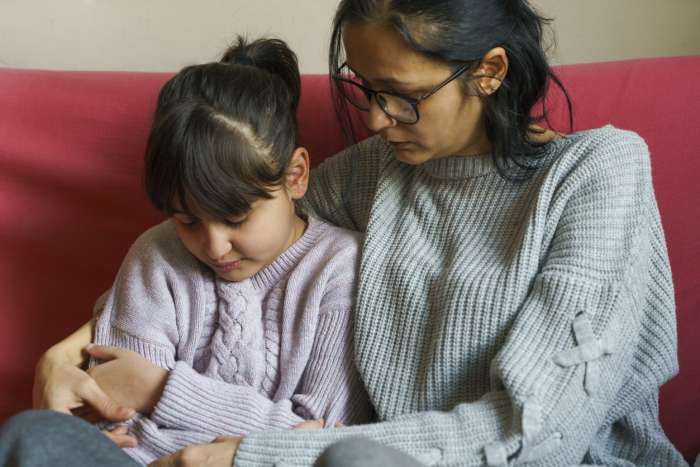
How Childhood Trauma Affects Parents
Esther Goldstein, LCSW, Trauma Psychotherapist explains how childhood trauma can affect parents and provides tips for parents to cope with their trauma so it doesn’t impact their kids.
Katharine Chan, MSc, BSc, PMP

|
Updated: June 16, 2025
Table of contents
- How Does Childhood Trauma Affect Your Parenting?
- What is Generational Trauma?
- Tips on How to Cope and Manage Triggers
- How to Break the Cycle of Abuse as a Parent

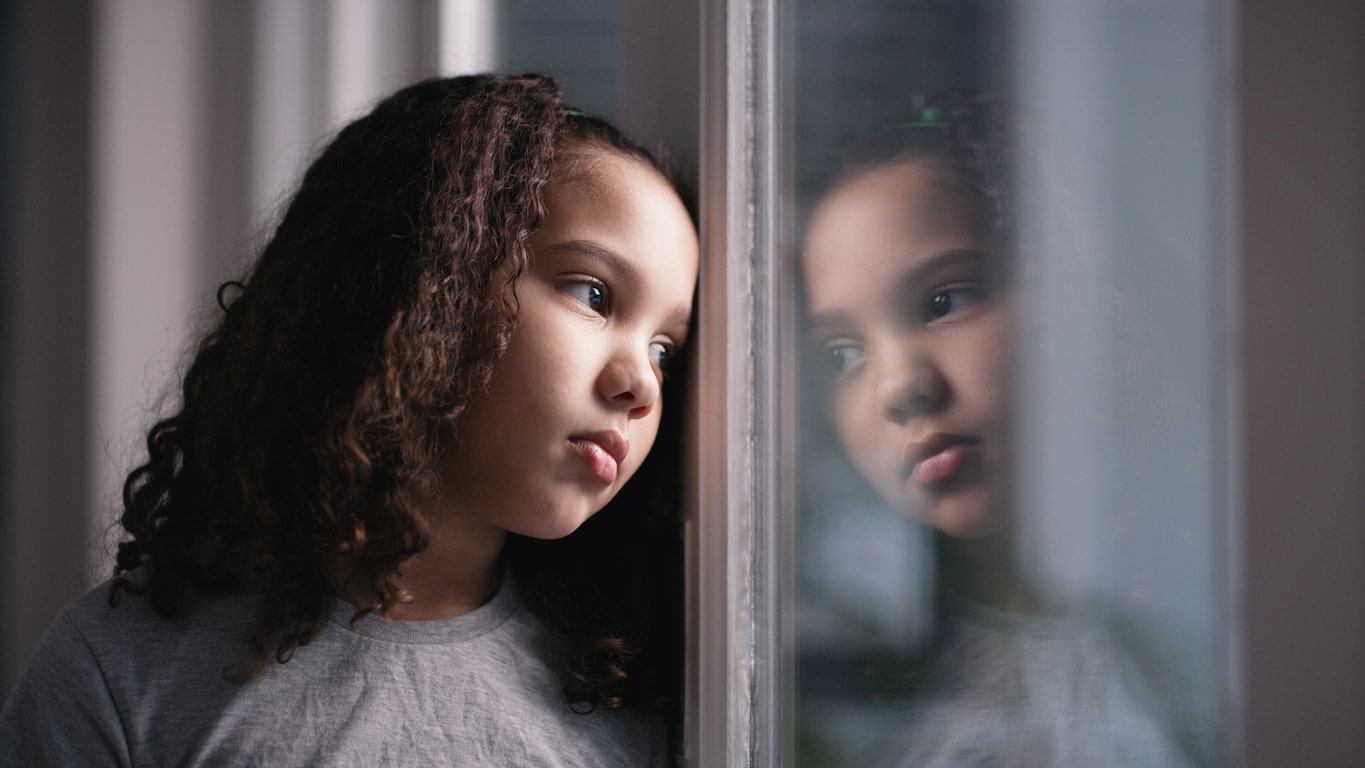


Being a survivor of childhood trauma can bring its own unique set of challenges to parenting. While we may wish to leave our trauma histories behind us, those experiences still lurk in the back of our minds. They can even influence how we parent our children.
That’s why parents who experienced childhood trauma need to learn how to best raise emotionally secure kids.
In this article, trauma experts provide insight to help you learn from your own adverse childhood experiences. With the right help and support, it’s possible to break the cycle of abuse and end generational trauma.
How Does Childhood Trauma Affect Your Parenting?
The Diagnostic and Statistical Manual of Mental Disorders (DSM) V defines childhood trauma as “exposure to actual or threatened death, serious injury, or sexual violence.” This includes direct exposure to trauma, witnessing a traumatic event, and/or learning about something traumatic that happened to a loved one or family member.
Esther Goldstein, LCSW, Trauma Psychotherapist, EMDR Consultant, Founder and Owner of Integrative Psychotherapy, shares that there are two types of childhood trauma:
- The trauma of commission: a trauma where something happened. These types of trauma include physical harm, sexual abuse, domestic abuse, and vehicular crashes.
- The trauma of omission: a trauma where something didn’t happen. These types of trauma include not receiving basic human needs, and lacking comfort, physical touch, and support.
Traumatic experiences can be further broken down into two categories: “small t” and “Big T” traumas.
“Big T” traumas refer to highly distressing events, such as war, near-death experiences, sexual abuse, and physical abuse.
“Small t” traumas are experiences that overwhelm the mind or body. These may seem less dramatic, but they cause feelings of intense distress. “Small t” traumas include emotional abuse and chronic stress. These situations can cause long-term effects, such as perpetual feelings of overwhelm. Image source: Getty Images
“Trauma often gets buried until something kicks it up to the surface — starting a family can often be the catalyst, causing our past pains or traumas to resurface,” explains Goldstein.
When someone has experienced trauma during their early years, it can deeply impact the way they approach parenting.
For example, if a person grew up in an environment where they didn’t feel safe or had unstable relationships, they may struggle to form secure attachments with their own children. Individuals who experienced childhood trauma may have difficulties in emotional regulation and tolerating negative emotional states.
Parenting is not an easy journey. It can be overwhelming and challenging, with a host of stressors. Parents who had traumatic childhood experiences are more likely to have a disproportionate response during stressful situations. In turn, their children learn unhealthy patterns of emotional regulation.
These parents do not intentionally react emotionally or in a neglectful manner. But the unresolved pain and coping mechanisms from their past can get in the way of the consistent care that their children need.
What is Generational Trauma?
Generational trauma is a concept that hits close to home for many of us. It refers to the psychological and emotional impact of traumatic events experienced by one generation, which are transmitted to subsequent generations.
The painful events experienced by our ancestors can have lasting effects on our own mental and emotional well-being.
It’s like passing down a family story, but instead of a happy memory, it’s emotional scars and struggles that get passed along. Traumatic events like child abuse, violence, and oppression leave deep imprints on our family’s history and shape how we handle stressors. It’s a ripple effect: what our great-grandparents went through can influence how we behave today.
Generational trauma can show up in different ways, from feeling anxious or depressed to coping with substance abuse. Breaking the cycle of generational trauma is crucial for healing and fostering a brighter future for everyone.Image source: Getty Images
How Does Parenting Trigger Past Trauma?
Heather Toews, Registered Clinical Counsellor specializing in trauma therapy supporting individuals in recovering from childhood and other complex traumas, explains that pain from our early intimate relationships acts as triggers for unprocessed, unconscious pain.
“We then project that pain from the past onto our relationships today. This pain then becomes intergenerational. This can be triggered by our child’s age,” adds Toews.
For example, if we experienced childhood trauma at age 6, having a 6-year-old child may trigger us.
Toews explains that our memories are explicit and implicit which means “we can have conscious recollections of some memories and other memories are more fragmented and stored without context and are wordless.”
The memories that live outside of our awareness often come out as triggers. But since these occurred in the context of a relationship, they also get triggered in the context of a relationship such as the one between a parent and a child.
“As much as pain is intergenerational, so is healing,” shares Toews.
Babies and Infants
The infant stage can be an overwhelming and stressful experience for many first-time parents. Caring for a newborn comes with a multitude of challenges, from sleepless nights to constant feedings and diaper changes.
The demands of parenting an infant can lead to elevated stress levels. This may impact a parent’s emotional and mental well-being. Increased stress levels can trigger parents and cause heightened irritability and emotional reactivity.
Toddlers
Toddlers are known for their boundless energy, curiosity, and emerging independence. Parents may find themselves navigating temper tantrums, defiance, and frequent mood swings. Parents need to keep a close eye on toddlers as they can quickly get into trouble.
Parents with childhood trauma may over-shelter their children. They fear what happened to them will also occur to their own child.
Child
Parents with a history of trauma may emotionally separate from their children as they struggle to regulate their own emotions. As a result, they experience dissociation and cannot tolerate moments when their child shows vulnerability or expresses strong emotions.
Teen
As children learn more about the world, they begin to form their own opinions. Trauma can cause an individual to feel like they do not have control over what happens to them. This creates an extreme fear of uncertainty.
Parents with unresolved trauma may avoid talking about taboo topics with their teenagers. They may try to compensate for their anxiety by controlling their children and limiting the types of experiences they have.
Tips on How to Cope and Manage Triggers
Image source: Getty Images
There are many ways to manage triggers as a parent with a history of childhood trauma. Toews suggests the following tips:
1. Look Inward
Use your parenting experiences to learn. Ask yourself: What am I triggered by? Extreme reactions can be fuelled by unresolved past trauma.
Remember, it isn’t about what happened to you as a child, but how you cope with this trauma now. We often get triggered by the particular age of our children and find ourselves doing the very things to our children that felt hurtful to us as a child.
2. Know Yourself
To repair our ability to connect to our children we need to develop inner security as adults. Dr. Daniel Siegel refers to this as a “coherent narrative.” A coherent narrative is a deep understanding of who you are, what is happening to you, and why this is happening throughout your life story.
3. Regulate Your Emotions
We learn regulation from being regulated. So if we didn’t receive that, we won’t be able to do this without relying on external factors (i.e. food, alcohol, zoning out).
Find people to share the burden of life with. Others can show you the experience of care and understanding–reshaping your regulation abilities.
It is best to regulate your emotions before addressing an issue with your child(ren), outside of immediate safety issues. Sometimes taking three deep breaths can mean all the difference between a reaction and a response.
4. Develop Emotional Language
Giving language to your emotions allows your nervous systems to calm down and return to baseline.
5. Practice Self-Compassion
Remember you didn’t get to where you are overnight, and it will take you time to get out of it. Offer yourself compassion.
I believe that the best parenting strategy is an apology. It teaches our children that nobody is perfect and we are all only human.
Cultivating self-compassion is essential, as it allows parents to acknowledge that their struggles are not a reflection of their worth, but rather a consequence of the pain they endured.
6. Learn New Skills
We don’t know what we don’t know until we know it. If your parenting strategies aren’t working for your child, learn new ways of parenting. I always recommend searching out attachment-based trauma-informed parenting strategies.
How to Break the Cycle of Abuse as a Parent
Image source: Getty Images
Seeking therapy can help you gain insight into how past trauma affects your parenting style. Professional support can teach you coping strategies to address challenges.
Child-Parent Psychotherapy (CCP)
Goldstein explains that Child-Parent Psychotherapy (CCP), a therapeutic model designed by Selma Fraiberg, can help both the primary caregiver and their child heal from trauma together.
CCP is for children who have experienced trauma, mental health, or behavioral concerns. CCP sessions include both the primary caregiver and the child. Primarily based on the attachment theory, CPP understands the importance of how a baby connects to their primary caregiver. It also includes components from psychodynamic, developmental, and behavioral theories.
CPP focuses on strengthening the parent-child relationship. It isn’t about a therapist swooping in to cure the child. Instead, it encourages the primary caregiver to provide safety and soothing to their distressed child. Utilizing play therapy, a therapist supports the primary caregiver in helping their child make sense of past traumas. CCP helps the primary caregiver gain a greater level of understanding of what hardships they have been through.
“Understanding and making sense of our trauma allows us, as parents to consciously choose how we would like to relate to our children and recognize that most often, our child/children’s behaviors may be an attempt to protect themselves from scary or painful experiences.
It allows parents [to have] more compassion for their children and provides them with skills for responding to challenging behaviors. The primary goal of Child-Parent Psychotherapy is to cultivate a healthy relationship between the child and caregiver, through which both the child can regain wellness and optimal functioning,” explains Goldstein.
The impact of childhood trauma on parents is not set in stone. The first step towards building a healthier parent-child relationship is to understand the effect of one’s own childhood experiences.
With the right support and a commitment to self-growth, parents can create a nurturing environment for their children and provide them with the care they need for healthy child development.
 Katharine Chan, MSc, BSc, PMPAbout KatharineKatharine is the author of three books,… Read moreView more articles from this authorSee our editorial processMeet Our Medical Review BoardLearn About Our Fact Checkers
Preventing Parental Alienation in Children of Divorce
Ex husbands and wives turning kids against their former partner is now called parental alienation syndrome and may be a form of child abuse.

L. Elizabeth Forry

|
Updated: December 1, 2022
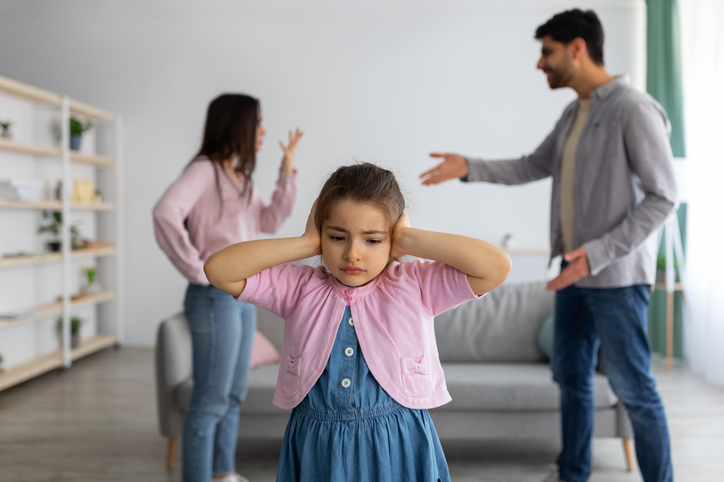

Parental alienation (PA) is when a parent uses strategies to distance their child from the other parent intentionally. Typically, this occurs as the result of a messy divorce or separation. One parent may not allow the other to see their children during their assigned visitation time, or trash talks them to the kids in order to get a better custody agreement.
In most cases, parental alienation is done purposefully, even if the parent doing the damage has never heard the term parental alienation syndrome. However, PA can also happen unintentionally if adults are not conscious of their words and actions.
Parental alienation syndrome describes the symptoms or side effects the afflicted child experiences. Child psychologist Richard Gardner coined the term PAS or parental alienation syndrome in 1985; however, the Diagnostic and Statistical Manual of Mental Disorders has yet to recognize it.
The most recent revision, the DSM-5, was revised in 2013, and it included PAS in the section “Other Conditions that May Be a Focus of Clinical Attention” under the heading “A Child Affected by Parental Relationship Distress” or (CAPRD).
There is no indication of when the DSM-6 will be released and whether or not it will contain PAS. But even without an official clinical definition, child development experts and mental health professionals can almost all agree that purposefully damaging your child’s relationship with the other parent has long-term, harmful consequences.
This article uses trusted resources to explain what parental alienation and parental alienation syndrome look like, why and how to avoid it, and what to do if you are a child or parent who has suffered the consequences of PA due to the actions of family members.
Related: Co-Parenting Problems: What to Do When Children Fight Visitation
The Dangers of Parental Alienation
Divorce and separation are often messy and emotional events. For some parents, marriage was never even in the picture, but a difficult break-up or battles over custody can also wreak havoc on the parent-child relationship. No matter how much you despise your child’s other parent or family, it is essential for your child’s well-being that you do not engage in alienating behavior or language.
Regardless of whether the claims of the alienator are valid, bad-mouthing your co-parent or their extended family in front of your child can have devastating effects. Even if your children are adult children, you can still inflict damage when you engage in a campaign of denigration. Therefore, it is essential that parents also speak to their extended family and ask that they also avoid speaking negatively about their co-parent in front of their child.
While one parent typically commits parental alienation against another parent. It can extend to other family members such as grandparents, half-siblings, step-parents, aunts, and uncles. However, the emotional damage in those cases may not be as severe depending on your child’s relationship with their extended family.
Regardless, discussions that reflect poorly on parents and other significant adults in a child’s life should be done out of earshot for the best interests of the child.
Effects of Parental Alienation
The effects of parental alienation are long-lasting and often affect your child for the rest of their life. Common side-effects include:
- Feelings of increased anger
- Heightened feelings of neglect (Children may experience actual neglect because parents are fighting or overwhelmed.)
- Adopting destructive behavioral or emotional patterns that they pass on to others
- Having a skewed view of reality
- Becoming prone to lying about others
- Feelings of worthlessness or low self-esteem
- Experiencing difficulty bonding with others; attachment and trust issues
- Becoming combative with others due to learning an “us vs. them” mentality
- Seeing things as very literal and in “black and white.”
- Lacking empathy for others
- Engaging in risky, attention-seeking behaviors
Signs of Parental Alienation
Sometimes, parents feel angry and abandoned, particularly when dealing with a nasty divorce or complex custody case. As a result, they engage in narcissistic behavior and direct their anger at the other parent, hoping they will look like the “good parent” or the “reliable parent.”
Whether or not they aimed to undermine the targeted parent or simply blow off steam, parental alienation behaviors can affect their child’s life.
Common behaviors alienators engage in include:
- Preventing their child from seeing the other parents
- Insist that all personal items stay at their house and not go to the other parents
- Plan tempting or fun activities at the same time the child is supposed to be spending time with the other parent
- Frequently break or alter custody arrangements in their favor
- WIthhold information from the co-parent; medical documents, report cards, updates about school, activities, or friends
- Ask their child for personal information or “gossip” about the other parent
- Talk up their new partner or spouse over the child’s biological parent. For example, “Your step-dad loves spending time with you much more than your dad does.”
- Making false accusations of physical or sexual abuse
Parental alienation is considered by many psychologists and mental health professionals as a form of brainwashing and even child abuse. In severe cases of parental alienation, the child’s rejection of the other parent is long-lasting, harsh, and may have life-long after effects.
How to Avoid Undermining Your Co-Parent
The easiest way to avoid undermining your co-parent after divorce is to not speak negatively about them in front of your child. For example, if your co-parent has canceled their scheduled parenting time or has done something that angers you, find another adult you can speak to and vent your frustration privately.
Have conversations with your co-parent that have the potential to blow up in a neutral spot; a coffee shop, park bench, or a mutual friend’s house who acts as a mediator. Don’t assume that once your children are in bed, you can raise your voices or have heated debates, and they won’t hear.
Respect your co-parent’s time and rules. For example, if they are supposed to be spending time with your child at 3 pm on Saturday, don’t show up at 3:45. Not only does that show your child your co-parent’s time isn’t valued, but it could affect child custody proceedings if you’re not holding up your end of the bargain.
Similarly, if your co-parent has expressed strong views about particular television shows, religious or cultural aspects, or activities, don’t undermine them and ignore their wishes. This also shows your child that the other parent’s rules and ideas don’t matter. If you disagree with a rule or decision, find a time to discuss it.
Dos and Donts
- Do speak positively about your co-parent.
- Do encourage a loving relationship between your child and their parent
- Do respect their wishes and rules in regards to culture and religion
- DOshare school, medical, and other important information with your co-parent
- DO involve them in major decisions pertaining to your child
- DO respect court orders and any provisions the family law court sets forth.
- DO make provisions to protect your child in cases of sexual, physical, or emotional abuse.
- DO consider family therapy or individual therapy for you and your child
- DO be flexible when it comes to holidays, vacations, and emergency schedule changes
- DO seek out the help of a parenting coordinator if needed
———-
- DON’T blame the other parent’s behavior for problems affecting your child
- DON’T withhold important information or exclude the co-parent from important events
- DON’T make false allegations against your co-parent
- DON’T discuss personal issues about your high-conflict divorce within earshot of your child
- DON’T blame the other parent for financial problems (even if they are not paying child support)
- DON’T give your child a choice over visitation or custody arrangements
- DON’T discuss adult or marital issues with your children; even older teens and adult children should not know intimate details
- DON’T blame or bad-mouth step-parents or significant others as the reason for problems with your ex-spouse
- DON’T praise your new spouse or partner over your child’s biological parent
What To Do If You’re the Alienated Parent
It can be challenging to make amends if you are on the receiving end of parental alienation, either as the parent or alienated child. Often, severe parental alienation goes on for years, and the targeted parent and child may not even be aware they are being subjected to the situation.
As with most mental health situations, early intervention is best. Family or individual therapy can help. If you are not the custodial parent, you may be able to present a case in family court, which can bring about child custody evaluations or changes. But proceed with caution as these events are often traumatic for children.
If you are the target of parental alienation, you mustn’t do it yourself and begin to target the other parent. Instead, document what you are seeing, hearing, and experiencing, and allow legal professionals to intervene as appropriate.
An excellent place to start is by speaking with your child’s pediatrician or contacting a family counseling center in your area.
For more resources to help manage your custody schedule and co-parent in peace see: How to Make a Custody Schedule After Divorce (Free Printable Custody Calendar).
 L. Elizabeth ForryAbout L. Elizabeth ForryL. Elizabeth Forry is an Early Childhood Educator with 15 years of classroom… Read moreView more articles from this authorSee our editorial processMeet Our Medical Review BoardLearn About Our Fact Checkers
Join the Family
Your Partner in Parenting, From Baby Name Inspiration to College Planning.Subscribe

Follow us

ads powered by

Family Education is part of the Sandbox Learning family of educational reference sites for parents, teachers, and students.



- Privacy Policy
- Editorial Policy
- Fact-Checking Policy
- Fact-Checker Panel
- Medical Review Policy
- Medical Review Panel
- Cookie Policy
- Terms of Use
- Do Not Sell My Info (for CA Residents)

©2024 Sandbox Networks Inc. All rights reserved. Sandbox Learning is part of Sandbox & Co., a digital learning company.
null
 Site Title