What Does The Bible Say About Doctrine?
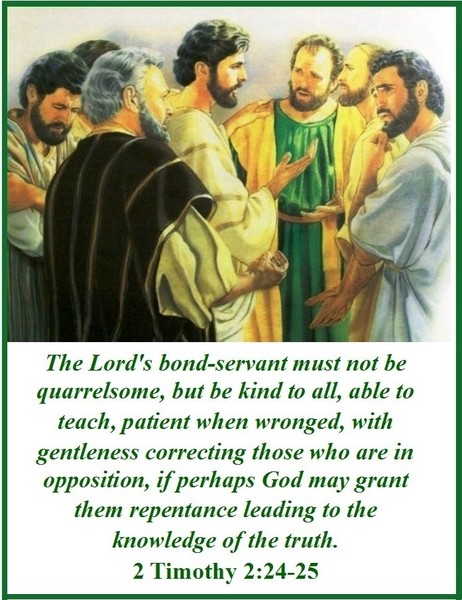

Praise The Lord Saints!! Praise The Lord!! How are all of you doing today? Fine, I hope. What does the Bible say about the word doctrine? What is an example of doctrine? An example of doctrine is the Truman Doctrine that said the US would work to contain the Soviet Union. Doctrine is defined as a principle or group of principles which are taught by a religion or political party. An example of doctrine is the teaching of the Ten Commandments in Christianity.
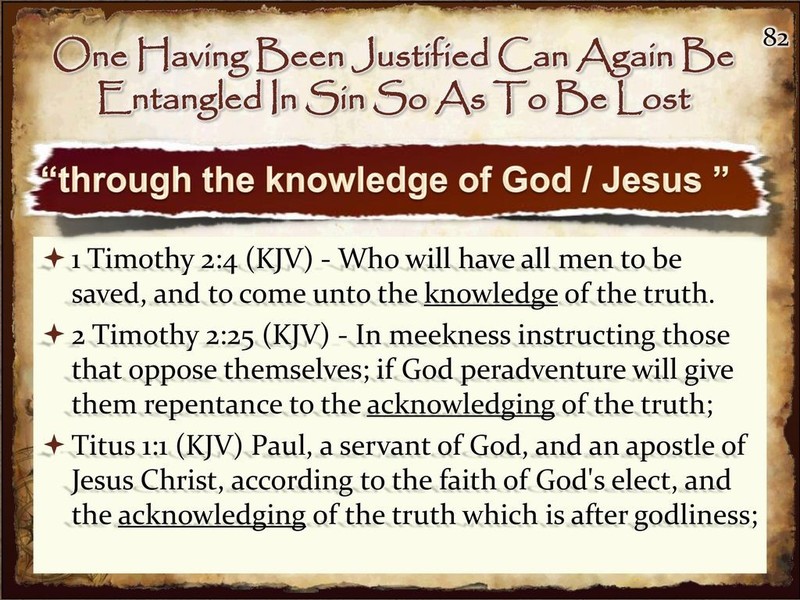

Doctrine (from Latin: doctrina, meaning “teaching” or “instruction”) is a codification of beliefs or a body of teachings or instructions, taught principles or positions, as the essence of teachings in a given branch of knowledge or in a belief system. The etymological Greek analogue is “catechism”. What is the true doctrine?
Celsus’s own beliefs, the “true doctrine” referenced in his title, is that of Platonism which from a modern materialist perspective has its own issues of supernatural and thus unproved claims and assumptions. Yet this Platonism is not central to his critique of early Christianity.
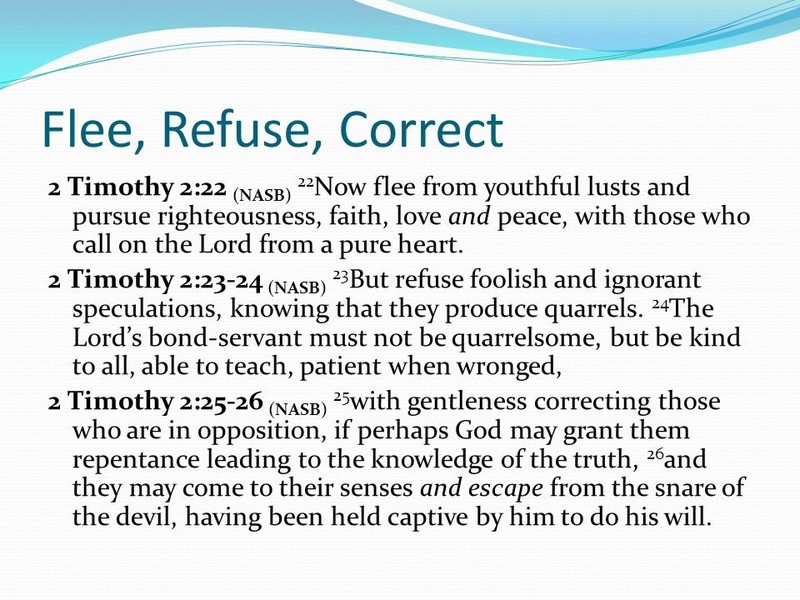

Doctrine. … Doctrine (from Latin: doctrina, meaning “teaching”, “instruction” or “doctrine”) is a codification of beliefs or a body of teachings or instructions, taught principles or positions, as the essence of teachings in a given branch of knowledge or in a belief system.
This doctrine states that there is one God, a singular divine Spirit, who manifests himself in many ways, including as Father, Son, and Holy Ghost. This stands in sharp contrast to the doctrine of three distinct and eternal persons posited by Trinitarian theology.
Celsus
Celsus was either a Greek or a Roman who wrote during the latter half of the 2nd century AD. Very little is known about his origins or life. The work in its original form has been lost and the True Word survives only as excerpts from a work by the Christian scholar Origen, who quoted Celsus to rebut him.
What is sound doctrine KJV?
The term is found only once in the Bible, in 2 Timothy 4. For the time will come when they will not endure sound doctrine; but after their own lusts shall they heap to themselves teachers, having itching ears; And they shall turn away their ears from the truth, and shall be turned unto fables. — 2 Timothy 4:3-4 KJV.
Where does the Trinity doctrine come from?
The Christian doctrine of the Trinity (Latin: Trinitas, lit. ‘triad’, from Latin: trinus “threefold”) holds that God is one God, but three coeternal consubstantial persons or hypostases—the Father, the Son (Jesus Christ), and the Holy Spirit—as “one God in three Divine persons”.
Did the early church fathers believe in the Trinity?
Whether the earliest Church Fathers believed in the Trinity is a subject for debate. Some of the evidence used to support an early belief in the Trinity are triadic statements (referring to the Father, Son and Holy Spirit) from the New Testament and the Church Fathers.
 Site Title