
News
Browse Stories

Study raises new alarm over long-term exposure to second-hand smoke
OHSU-led study measures chronic exposure in mice over 10 months
By Erik Robinson May 19, 2021 Portland, Oregon

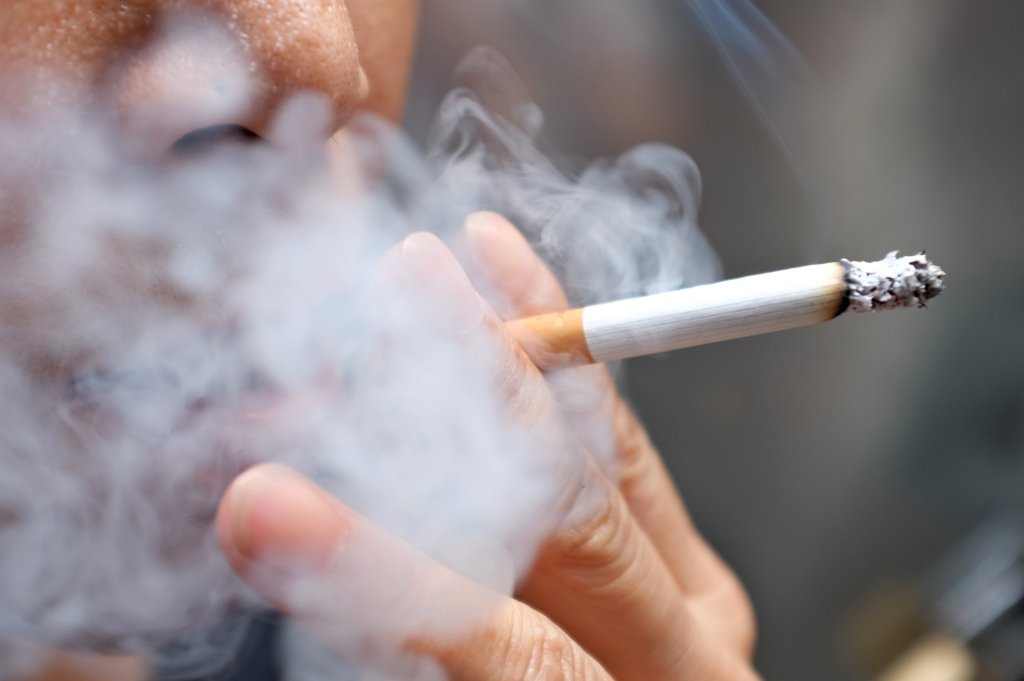
New research in mice from OHSU suggests long-term exposure to second-hand smoke can cause serious health effects. (Getty Images)
Chronic exposure to second-hand smoke results in lower body weight and cognitive impairments that more profoundly affects males, according to new research in mice led by Oregon Health & Science University.
The study published today in the journal Environmental Health Perspectives.

Jacob Raber, Ph.D.
“The hope is that we can better understand these effects for policymakers and the next generation of smokers,” said lead author Jacob Raber, Ph.D., professor of behavioral neuroscience in the OHSU School of Medicine. “Many people still smoke, and these findings suggest that the long-term health effects can be quite serious for people who are chronically exposed to second-hand smoke.”
The research examined daily exposure of 62 mice over a period of 10 months. Researchers used a specially designed “smoking robot” that went through a pack of cigarettes a day in ventilated laboratory space at OHSU. The longest previous study of this kind lasted three months.
“Nobody has done this, ever. This study is unique,” Raber said. “It really gives you the ability to look at long-term effects.”
“This study more accurately replicates the human experience by daily exposing mice to cigarette smoke,” added senior author Glen Kisby, Ph.D., professor of pharmacology at Western University of Health Sciences in Lebanon, Oregon.
Second-hand smoke is already considered a risk factor for dementia in people, but the new study put the theory to the test.
Researchers first divided mice into two groups – one wild-type and one expressing the human tau protein, important in Alzheimer’s-like dementia. Starting in April of 2018, they exposed mice to cigarette smoke for 168 minutes a day, then conducted behavioral and cognitive testing. They also examined lung and brain tissue.
Key findings:
- Smoke harms ‘healthy’ mice. Researchers theorized that second-hand smoke would be especially harmful for mice with the human tau protein. However, “we actually found the opposite,” Raber said. In many of the behavioral and cognitive tests – including swimming speeds and migrating through a maze – wild-type mice were more affected than human tau mice after both groups were exposed to second-hand smoke.
- Smoke especially harms males. Researchers discerned a clear sex-related difference in cognition, with clearly discernable changes in the hippocampus region of the brain among males compared to females.
- Loss in body weight. Researchers found lower body weights in wild-type mice following second-hand smoke compared with human tau mice. Further, they also noticed that males were disproportionately impacted by a loss in body weight compared to females.
- Brain changes: Researchers discovered more profound changes in metabolic pathways, which are linked chemical reactions, in the brains of wild-type males than females. They also found more profound effects in the brains of wild-type than the human tau mice.
Although smoking rates have declined in recent generations in some countries, smoking – and exposure to second-hand smoke – remains widespread in much of the world. The World Health Organization estimates 1.5 to 1.9 billion people worldwide will be smokers in 2025.
“Long-term exposure to second-hand smoke triggers detrimental changes,” Raber said. “Based on our study, it seems that males might be more susceptible than females. People should take that into consideration.”
In addition to Raber and Kisby, co-authors included Fred Stevens, Ph.D., professor of pharmaceutical sciences in the Linus Pauling Institute at Oregon State University; Gerd Bobe, Ph.D., associate professor of agricultural sciences in the Linus Pauling Institute at OSU; Arthur Penn, Ph.D., professor of comparative biomedical sciences at Louisiana State University; Alexandra Noël, Ph.D., assistant professor of comparative biomedical sciences at Louisiana State; and Michael Bartlett, Ph.D., professor of pharmacy at the University of Georgia.
The research was supported by the National Institutes of Health, grants R21 ES027943, T32 AG055378 and S10RR0287878, and the National Science Foundation, grant GVPRS0015A.
Previous StoryUnderstanding pollution from the gene’s perspectiveNext StoryOHSU to support development of AI-based applications for mass casualty events
Media Contact
Erik Robinson
Senior Media Relations Specialist
Downloads



Researchers at OHSU used a “smoking robot” to test daily exposure of mice to second-hand smoke over 10 months starting in April of 2018.
Links
More Research Stories


Low-fat diet reduces fatigue in patients with multiple sclerosis
Almost half of people who use drugs in rural areas were recently incarcerated
Inhaled monoclonal antibodies protective against COVID-19
Brain implant at OHSU successfully controls both seizures and OCD
Social Media
FacebookXYouTubeLinkedInInstagramRSS
Email Subscription
Quick Links
Oregon Health & Science University
OHSU is dedicated to improving the health and quality of life for all Oregonians through excellence, innovation and leadership in health care, education and research.
© 2001-2023 OHSU. OHSU is an equal opportunity affirmative action institution.
Notice of Privacy Practices
Web Browser Accessibility





About OHSU
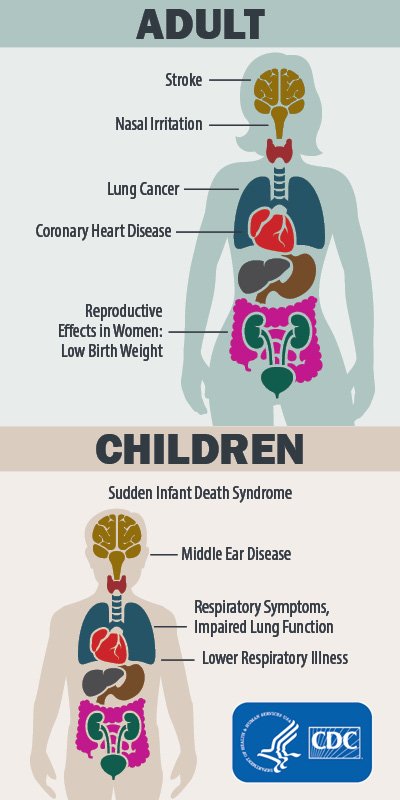
Second Hand Smoke Marijuana and Cigarettes can kill someone over time.
Patient Resources
Research
- About
- Administration
- Centers & Institutes
- Cores & Shared Resources
- Technology Transfer
- Research Expertise
Education
- School of Medicine
- School of Nursing
- School of Dentistry
- School of Public Health
- College of Pharmacy
- Admissions
- Student Services
 Site Title