Verse of the Day ▼ Devotions ▼ Search Home Verse Of The Day Romans 3:23 ◄ What Does Romans 3:23 Mean? ► for all have sinned and fall short of the glory of God, Romans 3:23(NASB) Verse Thoughts The universal truth that ALL have sinned and ALL fall short of the glory of God applies to every member of humanity – no one is exempt. Not only are we condemned for sins of the flesh, like murder and adultery.. we are also condemned for our prideful thoughts, works of the flesh, self-righteous attitudes, and failure to love the Lord our God with all our heart, and honour Him as we ought. This is quite a shocking concept to the human heart, for we all like to gloss over our faults and magnify our qualities, embellish our gifts and exaggerate our graces! Adam was the federal head of the entire human race, but when Adam sinned in the beautiful garden of Eden, all humanity was catapulted into condemnation and sin, with an old sin nature that was predisposed to sin. When Adam ate of the tree of knowledge of good and evil he plunged his entire race into the cesspit of sin. It is not only because of our sins that we are condemned sinners – we are born dead in trespasses and sin and are at enmity with God – from the beginning. We commit sin because we are sinners, through and through. When Adam sinned his eyes were opened and he discovered that he stood naked, ashamed, blemished, and fallen before a holy God. The inner witness of man’s conscience was activated through sin. The inner witness of man’s God-given conscience ensured that man knew what was wicked and evil, without the ability to resist it. And man knew what was good and righteous, without the capacity to perform it. Sin was imputed to mankind through Adam and sin is inherited from our earthly parents and we all commit sins – because we are all sinners by birth. How true, that we are not sinners because we sin – we sin because we are sinners – born in sin. And the wages of sin for sinful man is death. The Jews in the time of Christ thought that their earthly lineage protected them from the guilt and penalty of sin in the same way that many Gentiles today consider that their particular level of morality, is sufficient to exempt them from any divine punishment. But the written witness of God’s perfect Law and the inner witness of man’s God-given conscience, not only condemns the fallen sinner to death, but separates sinful man from their heavenly Creator – through time and into eternity. There is not one member of the human race that is able to measure up to the glory of God. Neither the perfect standard of the Mosaic Law nor the inner witness of the human conscience is able to justify a condemned sinner in the sight of a holy God. God set out the sinless standard He expects from humanity in His perfect Law. God knew that no one could ever attain the impossible requirements of the Law, but He gave it to Israel to bring man to the shocking realisation, that we are all sinners and all fall short of the glory of God – we have all sinned and can never achieve the perfect standard God desires. Because God’s righteous standard is unattainable to all sinners, every member of the human race is left helpless, guilty, damned, and deserving of death and eternal separation from our glorious Creator. But the amazing gospel of grace was entrusted to Christ’s apostles and prophets, and in his epistle to the Romans, Paul joyfully concludes this section on humanity’s condemnation with a wonderful proclamation of God’s eternal plan of salvation. For all have sinned and fall short of the glory of God… BUT they are justified freely by His grace, which is through the redemption that is in Christ Jesus. The shocking truth is that the guilty man, who is justly condemned, is justified freely by God’s grace, which is based on the redemption price that was paid, in full, at Calvary. We can be forgiven of our sin by faith in the shed blood of the sinless Son of God, Jesus Christ our Lord and Saviour – Who takes away the sin of the world. Having been saved by grace through faith in Christ, let us give Him the glory due to His name in our words, our actions, our attitude and our behaviour. May we reject all that is evil and live and work for His praise and glory, every day of our life. May we present our bodies to Him, as a living sacrifice that is holy to the Lord, and may we be conformed into the image and likeness of Christ – as we die to self and live for Him. My Prayer How I praise and thank You, Father, that I who am a guilty sinner and deserving of death and eternal separation from You, have been justified freely by Your grace, through the redemption that came through Christ Jesus. In Jesus’ name I pray, AMEN. ◄ Previous: Romans 3:22 Next: Romans 3:24 ► Choose a Verse from Romans 3 12345678910111213141516171819202122232425262728293031 Galatians 6:5 Ephesians 4:6 Esther 9:32 Isaiah 32:17 Follow us Romans 3:23 Further Study Romans 3:23 in the Parallel Bible Romans 3:23 in the Thematic Bible Romans 3:23 Cross References Romans 3:23 Treasury of Scripture Knowing Romans 3:23 Sermons Romans 3:23 Prayers Romans 3:23 Images Romans 3:23 Devotionals Choose Chapter Subscribe to the Verse of the day Today’s Devotionals Serve through love Romans 5:16 Luke 19:13 Accessibility My Joy . . . Your Joy Root and Stem of David – Perfect MAN Eternal SON (14) Earthly Truth Doctrinal Statement / Privacy Policy / Use of Pictures / Donate / Contact Us © Copyright [2011 – 2020] Knowing-Jesus.com – All Rights Reserved
Why would the meek inherit the earth?
Toggle navigation Search Browse The Bible Toggle Dropdown Search The Bible Find it! Why Will the Meek Inherit the Earth? Bible / Bible Study / Topical Studies Share Tweet Save Heather Adams Contributing Writer Sunday, August 30, 2020 “Blessed are the meek, for they will inherit the earth” (Matthew 5:5). Jesus spoke this familiar verse on a hillside near the town of Capernaum. It is one of the Beatitudes, a group of instructions the Lord gave to the people. In some ways, they echo the Ten Commandments God gave to Moses, in that they provide directions for righteous living. These focus on characteristics believers need to possess. I have to confess that I used to look at this verse as if it were an item on a spiritual to-do list, but that is much too shallow a view. I was also puzzled a bit by it – I wondered what it meant to be meek and how that would lead to blessing. Have you wondered that as well? As I’ve explored this verse more, God has shown me that it holds a lot deeper meaning than I realized. Jesus’ words challenge my desire for instant gratification, and offer me blessings as I let God be in control of my life. “He guides the humble in what is right and teaches them his way” (Psalm 76:9). Photo credit: ©Getty Images/Suwaree Tangbovornpichet What Does “the Meek Shall Inherit the Earth” Mean? Dividing this verse into two sections helped me see how important Jesus’ choice of words was. “Blessed Are the Meek…” In modern culture, the term “meek” might conjure up the image of a person who is mild, passive and even timid. But as I searched for a more complete definition, I discovered what a beautiful trait it actually is. The ancient Greeks, namely Aristotle – “the character of one having the passion of resentment under control, and therefore is tranquil and untroubled.” Dictionary.com – “humbly patient under provocation from others, compliant, gentle, kind” Merriam-Webster Dictionary – “enduring injury with patience and without resentment.” Bible Dictionaries add to the idea of meekness bringing a sense of calm to the soul. The King James Bible Dictionary says “mild of temper, not easily provoked or irritated, submissive to the Divine will, not proud or self-sufficient.” The Baker’s Evangelical Dictionary entry builds on the notion of meekness being connected with having a longer view: “It describes strong people who are placed in positions of weakness who keep going without sinking into bitterness or a desire for vengeance.” Meekness, then, comes not from fear, but a firm foundation of trust and faith in God. It reflects a person who keeps their eyes fixed on Him, who is able to withstand unfair treatment and injustices with grace. “Seek the Lord, all you humble of the land, you who do what he commands. Seek righteousness, seek humility…” (Zeph. 2:3). The second half of Matthew 5:5 refers to the result of living with true meekness of spirit. Photo credit: Unsplash/Gift Habeshaw “…for They Will Inherit the Earth.” This phrase was confusing to me until I understood more of that longer view God wants us to have. In other words, we are ideally living here on Earth while being aware of the life that’s yet to come. In our humanness, that can be a hard balance to strike. The inheritance Jesus’ means is peace, joy and contentment in our daily lives, wherever we find ourselves, and hope for our future. Again, this is not a popular idea in a world that places importance on grabbing fame, wealth and accomplishments as soon as possible. It highlights the things that matter to God versus those of men, and Jesus wanted the people to see the clear difference between the two. Jesus knew that most people in His time made their living as farmers, fishermen or tradesmen. They weren’t rich or powerful, but had to deal with those who were. Being oppressed by both Roman rule and the religious leaders led to frustrating and even fearful moments. Jesus wanted to remind them that God was still present in their lives, and they were called to live by His standards. This passage as a whole also hints at the persecution that first Jesus, and then His followers, would face. He would soon share with the Apostles how he would be put to death and rise again. Most of them, in turn, would later experience some of the same treatment. It would be vitally important for the disciples to see Jesus’ circumstances, and their own, through eyes of faith. Photo credit: ©Getty Images/Nastco What Are the Beatitudes? The Beatitudes are part of a much larger teaching Jesus gave near Capernaum. He and the twelve disciples had been travelling through Galilee, with Jesus teaching and healing as they went. Crowds soon began coming from all over the region to see Him. Finally, Jesus went up onto a hillside to speak to the enormous gathering. The Beatitudes are the opening to this message, popularly known as The Sermon on the Mount. Through these points, recorded in Matthew 5:3-11 and Luke 6:20-22, Jesus laid out characteristics that genuine believers are to have. They can be seen as a “Christian code of ethics” that clearly show how different God’s ways are than the ways of the world. Jesus meant the Beatitudes to serve as a moral compass to guide people when facing temptations and troubles in this life. Each begins with “Blessed are,” and presents a specific trait. Then, Jesus states what the ultimate reward will be for those that are faithful in it, whether right away or at a future time. He goes on from there to teach other principles for Godly living. In Chapter 5 of Matthew’s Gospel, verse 5 is the third Beatitude of eight. Before that, Jesus introduced the traits of being poor in spirit, and of mourning. All of these first three qualities speak of the value of humility and acknowledge God’s supremacy. Jesus continues, speaking of hungering and thirsting for righteousness, of being merciful and pure in heart, of seeking to make peace and of being persecuted. Photo credit: ©Getty Images/kovop58 All Believers Are Called to Be Meek God’s Word emphasizes meekness as one of the most essential traits a believer can have. In fact, this quiet but powerful endurance is one way that we are set apart from those of the world. According to Scripture, everyone who desires to please God will: See the value in meekness, embracing it as part of a Godly life. Desire to grow in meekness, knowing we can’t do it without God. Pray for opportunities to show meekness to others, hoping it will lead them to God. The Old and New Testaments are full of lessons and reminders about this characteristic. Many of the early heroes of the faith lived it out. “Now Moses was a very humble man, more humble than anyone else on the face of the earth” (Numbers 12:3). Jesus taught over and over about humility and loving our enemies. Those two elements show that being meek is not passive, but making an active choice motivated by God’s love. “You have heard that it was said, ‘Love your neighbor and hate your enemy.’ But I tell you, love your enemies and pray for those who persecute you, that you may be children of your Father in heaven” (Matthew 5:43-44). In this passage from Matthew 11, Jesus spoke of Himself in this way, then invited others to join Him. “Take my yoke upon you and learn from me, for I am gentle and humble in heart, and you will find rest for your souls” (Matthew 11:29). Jesus showed us the ultimate example of meekness during His trial and crucifixion. He willingly tolerated abuse and then death because He knew the result would be salvation for us. Isaiah shared a prophesy of this event that reads, “he was oppressed and afflicted, yet he did not open his mouth; he was led like a lamb to the slaughter, and as a sheep before its shearers is silent, he did not open his mouth…” (Isaiah 53:7). Later, the Apostle Paul encouraged the new church members to respond to Jesus’ meekness by “putting it on” themselves, and letting it govern their behavior. “Therefore, as God’s chosen people, holy and dearly loved, clothe yourselves with compassion, kindness, humility, gentleness and patience” (Colossians 3:12). As we think more about meekness, though, we need to keep in mind that we are not meant to stay silent all the time. God always takes care of us, but He may call us to speak out and defend Him to others, maybe even loudly. Jesus provides us with a model for that as well. He knew the passions of His Father’s heart, and let those lead Him during His ministry. For example: “When he had said this, Jesus called in a loud voice, ‘Lazarus, come out!’” (John 11:43). “So he made a whip out of cords, and drove all from the temple courts, both sheep and cattle; he scattered the coins of the money changers and overturned their tables. To those who sold doves he said, ‘Get these out of here! Stop turning my Father’s house into a market!’” (John 2:15-16). Photo credit: Unsplash/Aaron Burden What Does This Verse Mean for Believers Today? Meekness may sound like an outdated idea. But if God calls us to it, He will show us how it applies to our lives. We may not face open persecution, but we certainly can find ourselves caught up in unfair circumstances. The question is how we handle those moments. For instance, how do you think you’d respond if someone talked about you behind your back, or your faith was made fun of, or another person took advantage of you? We can try to defend ourselves, or we can ask God to equip us with quiet dignity to go through. One way leads to momentary relief, while the other leads to spiritual growth, and may even be a witness to others. If I’m honest, meekness is not always my first response, because it goes against my human tendency to get justice and to stand up for myself. My heart needs to change, but it won’t happen without God’s touch. With a prayer, I can invite Him into the process. The Lord will build each of us up, revealing practical and powerful ways to walk out the trait each day. The mindset of meekness is a discipline that will strengthen us to face any type of difficulty or bad treatment. Having this kind of spirit is one of the hardest yet most rewarding goals we can set. Now that I see what being meek means and where it will lead me, I’m more determined to make the journey. Photo credit: ©Getty Images/Merlas Heather Adams is an author, speaker, and singer living in Connecticut. Heather’s passion is to equip and encourage believers to seek more of God’s truth and to experience more of His joy each day. Her book, Bow Down: The Heart of a True Worshipper is a practical, 30-day devotional about worship based on the writings of King David. Heather’s blog, Worship Walk Ministries, offers weekly Scripture passages and insights to ponder. A native New Englander, Heather is settling into her home in the South, trying out local foods and watching for the alligators that live nearby! You can connect with her on her website: heatheradamsworshipwalk.com Share This Recently Featured Why Will the Meek Inherit the Earth? Heather Adams The Powerful Reason That the Greatest of These Is Love Blair Parke Navigating Painful Seasons with Help from Hannah Carley Marcouillier How Do We “Do It All for the Glory of God”? Meg Bucher Popular Articles Why Will the Meek Inherit the Earth? Heather Adams The Powerful Reason That the Greatest of These Is Love Blair Parke Navigating Painful Seasons with Help from Hannah Carley Marcouillier How Do We “Do It All for the Glory of God”? Meg Bucher What Does Jesus Teach about Stumbling – and Forgiveness? Debbie W. Wilson Who Is Theophilus and Why Are Two Books of the Bible Addressed to Him? Hope Bolinger Featured Verse Topics Healing Bible Verses Worry and Anxiety Bible Verses Prayer Bible Verses Bible Verses for Overcoming Grief Comforting Bible Verses Bible Verses About Protection God’s Promises – Verses in the Bible Bible Verses For Faith in Hard Times Encouraging Bible Verses Hope Bible Verses Friendship Bible Verses Forgiveness Bible Verses Strength Bible Verses Love Bible Verses Inspirational Bible Verses About Online Bible Sitemap Link to Us Advertise with Us Feedback Proud member of Salem Media Group. Copyright © 2020, Bible Study Tools. All rights reserved. Article Images Copyright © 2020 Getty Images unless otherwise indicated. Do Not Sell My Info (CA only)
What Does Mark 14:62 Mean?
Verse of the Day ▼ Devotions ▼ Search Home Verse Of The Day Mark 14:62 ◄ What Does Mark 14:62 Mean? ► And Jesus said, “I am; and you shall see THE SON OF MAN SITTING AT THE RIGHT HAND OF POWER, and COMING WITH THE CLOUDS OF HEAVEN.” Mark 14:62(NASB) –– ADVERTISEMENT –– Verse Thoughts Jesus was arrested in the dead of night and quickly hustled into a tribunal, that was not simply illegal but broke the Mosaic Law multiple times. Those who had seized Jesus in the Garden of Gethsemane, led Him away to Caiaphas, the high priest, where the scribes and the elders were gathered together unlawfully. Many false witnesses were also there who testified against Him, twisting the truth and misinterpreting His words. But the Lord Jesus said nothing. He refused to answer any of these false accusations. Like a lamb before her shearers is dumb, so He opened not His mouth. Caiaphas grew increasingly irritated and baffled by Christ’s lack of response to the many false witnesses and their compromised testimonies. Eventually, he stood up and came forward to question Jesus himself, saying, “Do You not answer? What is it that these men are testifying against You?” But Jesus remained silent and would not answer. Finally, in utter frustration, the high priest asked a direct question, “Are You the Christ, the Son of the Blessed One?” Matthew adds that Caiaphas said, “I commanded you by the living God to tell us if you are the Messiah, the Son of God!” Mark used the term “Son of the Blessed”, which referred to the human Messiah, that Israel had been expecting for so long. When Caiaphas commanded an answer from Jesus, he was not asking if He was Deity… but he did ask if He was the expected Messiah of Israel – of the royal house of David. The response that Jesus gave to Caiaphas was an answer this puffed-up, little man was not expecting. Not only did Jesus identify Himself as the long-awaited, prophesied Messiah of Israel, but also that He was the eternal God. Jesus identified Himself as God, by using the title given to Moses from the burning bush – “I AM that I AM.” Jesus had kept His identity hidden from many during His earthly ministry, but as He stood before Caiaphas, He boldly identified Himself with a title that could only be used by the almighty, everlasting God. “And Jesus said, ‘I AM. And you shall see THE SON OF MAN SITTING AT THE RIGHT HAND OF POWER, and COMING WITH THE CLOUDS OF HEAVEN.'” Oh yes, Jesus gave him an answer he certainly did not expect to hear. Jesus told the high priest, the Sanhedrin, and all Israel the truth about Himself as well as some important information about His Second Coming. They had missed hundreds of prophecies relating to His first advent and refused to believe the signs and miracles that authenticated His Messianic claims. Earlier Jesus had wept over the blindness of His people knowing that they had missed His visitation, and that the kingdom He came to set up had been taken from this generation of Jews and would be given to a future generation of Israelites – those who would believe on Him during the Time of Jacob’s Trouble, who would also witness His Second Coming. Hundreds of prophecies have been written about His Second Advent, when His feet will stand on the Mount of Olives, at the end of the Great Tribulation. Caiaphas and his generation, had to be set aside through unbelief, but at His illegal trial, Jesus prophesied of His return to earth, at the end of the Great Tribulation. He answered the high priest’s question with a prophecy. “I AM – and you shall see the Son of Man sitting at the right hand of power, and coming with the clouds of heaven.” Jesus was condemned as a blasphemer at his unjust trial. “His blood be on us and on our children”, was the cruel cry from the crowds – but how prophetic that cry has become, for the Messiah of Israel shed His blood for the sin of the whole world, including Caiaphas, the leaders of Israel, and the multitudes who cried out hysterically – “Crucify Him! Crucify Him! – His blood be on us….” The eternal Son of GOD became the sinless Son of MAN so that He could redeem His fallen race through the shedding of His blood on Calvary. TODAY there is a MAN, Who is sitting at the right hand of the Majesty of high, waiting for the appointed time of His return to earth to place all enemies under His feet and rule the world in righteousness and peace. Jesus told Israel that they would not see Him again until they cried out for Salvation!! – “Hosanna”, they will cry. “Blessed is He Who comes in the name of the Lord.” Yes, when they repent of their sin and call out to God for salvation they will see JESUS, coming with the clouds of glory, and every eye will see Him… including Caiaphas and those who condemned Him to death on the Cross. A day is coming when another generation of Israelites will not cry out for Christ to be nailed to the Cross. They will call out to Him for salvation. They will call on His name for His cleansing blood to heal them of their sin – their individual sins and their national sin. They will look on Him whom the chief priests, elders, scribes, and people of an earlier generation crucified, and like us, they will also realise that He was wounded for THEIR transgressions and bruised for THEIR iniquity – and that by the stripes He received 2000 years ago – they too, are healed. My Prayer Heavenly Father, it is most wonderful to know that You sent God the Son to become the Son of Man, and to realise that Jesus is not only fully God but became fully man, so He could shed His human life-blood for the salvation of sinful humanity and redeem a lost world. It grieves my heart to think of Christ suffering at the hands of Caiaphas and the Jews, but it also rejoices my soul that He died so that I might live eternally with Him, and is seated at Your right hand. As I wait for the imminent Rapture of the Church, before the 7 year Tribulation period begins, I rejoice to know that Jesus is coming again in the clouds of heaven, at the end of the Great Tribulation, to complete His work through a new generation of Israel, and will reign on earth as King of kings and God of all. How I praise Your name, for You alone are worthy. This I pray in Jesus’ name, AMEN. ◄ Previous: Mark 14:61 Next: Mark 15:34 ► Choose a Verse from Mark 14 123456789101112131415161718192021222324252627282930313233343536373839404142434445464748495051525354555657585960616263646566676869707172 Ephesians 4:18 Hebrews 13:4 Nehemiah 1:4 Colossians 3:14 Follow us Mark 14:62 Further Study Mark 14:62 in the Parallel Bible Mark 14:62 in the Thematic Bible Mark 14:62 Cross References Mark 14:62 Treasury of Scripture Knowing Mark 14:62 Sermons Mark 14:62 Prayers Mark 14:62 Images Mark 14:62 Devotionals Choose Chapter Subscribe to the Verse of the day Today’s Devotionals God’s fullness in Christ Esther 5:2 Exodus 16:15 Heart Affection Am I Convinced By Christ? Testimony Of Christ – Perfect MAN Eternal SON (13) Heavenly Guidance Doctrinal Statement / Privacy Policy / Use of Pictures / Donate / Contact Us © Copyright [2011 – 2020] Knowing-Jesus.com – All Rights Reserved ×
What Does Daniel 2:18 Mean?
Verse of the Day ▼ Devotions ▼ Search Home Verse Of The Day Daniel 2:18 ◄ What Does Daniel 2:18 Mean? ► so that they might request compassion from the God of heaven concerning this mystery, so that Daniel and his friends would not be destroyed with the rest of the wise men of Babylon. Daniel 2:18(NASB) –– ADVERTISEMENT –– Verse Thoughts Prayer is one of the most important tools in the armoury of the righteous man, and the prophet Daniel is a wonderful example of a man of prayer. But if prayer is to be effective, it should come from a heart that is humble before the Lord, dependent upon Him, and ready to recognise that there is an ongoing need to approach the throne of grace in good times as well as in days of difficulty and danger. Prayer should not only be a daily habit that delights the soul, but it should be the first thing to which we turn when we find ourselves facing insurmountable problems and impossible situations. Daniel and his three friends, Hananiah, Mishael, and Azariah, were men who discovered the importance of prayer at an early age. They took time every day, to come before the Lord to worship Him. They presented their daily requests to Him, and honoured Him in their actions and attitudes. When Jerusalem fell, Daniel and his friend had been exiled to Babylon. Because of their noble birth, they were chosen to be trained in the Babylonian culture and wisdom. The day came when all the wise men of Babylon were presented with an impossible problem – they were commanded by King Nebuchadnezzar to tell him the content of a disturbing dream he had, and to explain its meaning. Without knowing the dream, it was impossible for any man to give an interpretation of it. As a result, the king became violently angry with his advisors, which caused him to order the destruction of every wise man in Babylon – which would include Daniel and his three friends. Whether or not the king remembered his dream is unclear, but the terrible death sentence remained. Daniel, however, was wise as well prayerful, and calmly requested a little more time to provide an answer for the king, “so that he might request compassion from the God of heaven concerning this mystery – so that Daniel and his friends would not be destroyed with the rest of the wise men of Babylon.” Daniel did not try to plead for his life or declare that the request was unfair, unrealistic, or impossible. He did not attempt to flatter the king into changing his mind, nor did he question the king’s sanity in giving this crazy command. He did not sink into deep despair or rush around in anxiety. Daniel simply went to his house, explained the situation to his three companions, and asked them to join him in prayer to the Lord, concerning the secret of the dream, so that they would not be killed along with the rest of the wise men and courtiers of the king. Daniel was a man who made a practice of praying to the Lord three times a day. He knew there was a God in heaven Who created all things and Who knows all things. Daniel knew the Scriptures and had read in Deuteronomy that all the secret things belong to the Lord, but there are things that He chooses to reveal to whomsoever He will. Daniel believed that God was able to reveal profound and hidden things. He believed that God knows all that is hidden in the darkness, because God is light, and light dwells within Him. Daniel’s calm and wise action, when faced with this life threatening situation and the wise way he dealt with this serious crisis in Babylon was a demonstration of his character, and a testimony to his unwavering faith in God. Too often when we are faced with distressing situations and insurmountable problems, we try to sort them out before eventually turning to the Lord in prayer. Daniel, however, demonstrated the right way to behave and taught us the first thing that should always be done – take the problem to the Lord in prayer and trust Him to fulfil His Word. As members of Christ’s Body, we have been graced with access into the throne-room of the Almighty, for mercy to find help in time of need. How important to pray about troubles and trials immediately and not allow them to fester in our heart or cause them to distress our soul. Jesus told us to cast ALL our cares upon Him and to lay all of our burdens down at His feet. May we take to heart Christ’s important instructions and follow the wise acts of Daniel and his three friends and pray FIRST, no matter what situations may challenge us. Sponsored by Advertising Partner Sponsored Video Watch to learn more My Prayer Heavenly Father, thank You that You are a God Who hears and answers the prayers and petitions of Your people. Help me to cast all my cares on You and to bring all my problems and difficulties to You immediately, no matter how large or small they may be. Help me to always turn to You FIRST when I am faced with tough problems, just like Daniel and his three friends. Thank You that nothing is too difficult for You to deal with, and I pray that I would ALWAYS turn to you first, rather than trying to sort things out on my own. Thank You for being such a faithful God. This I pray in Jesus’ name, AMEN. ◄ Previous: Daniel 1:7 Next: Daniel 2:34 ► Choose a Verse from Daniel 2 12345678910111213141516171819202122232425262728293031323334353637383940414243444546474849 1 John 3:18 Deuteronomy 18:15 Psalm 2:7 Proverbs 2:1 Follow us Daniel 2:18 Further Study Daniel 2:18 in the Parallel Bible Daniel 2:18 in the Thematic Bible Daniel 2:18 Cross References Daniel 2:18 Treasury of Scripture Knowing Daniel 2:18 Sermons Daniel 2:18 Prayers Daniel 2:18 Images Choose Chapter Subscribe to the Verse of the day Today’s Devotionals Essential Newness of the New Creation Proverbs 16:20 Psalm 4:8 Rise Up, My Love Sublime Intimacy Our Representative Man – Perfect MAN Eternal SON (12) Stand Fast Doctrinal Statement / Privacy Policy / Use of Pictures / Donate / Contact Us © Copyright [2011 – 2020] Knowing-Jesus.com – All Rights Reserved
Heaven
Intersection of Life and Faith Toggle navigation 10 Things All Christians Should Know about Heaven Jennifer Slattery JenniferSlatteryLivesOutLoud.com 2020 29 Aug Cancer had invaded her brain, radiation was stealing her energy, and her rapidly approaching death was shattering her hope. She needed to hear about heaven—not just that she was going there, but what it would be like. As her mental faculties and thus her world shrunk, she needed to build her anticipation for what lay ahead. When life’s problems feel more than we can bear, our hope of paradise can give us strength. Here are 10 truths about heaven that we can hold on to: Photo Credit: ©Thinkstock 1. Heaven is a physical place. Many people hold varying beliefs regarding the afterlife. Some deny it exists. Others feel there are stages one goes through before reaching a certain level of paradise. Still others view heaven as a place filled with angels and everything spiritual but nothing material. Scripture, however, reveals an actual place with a specific location. Speaking of heaven, Jesus told His disciples He was leaving to prepare a place for them. The apostle Peter wrote about “the new heaven and Earth” God would create, which, according to Revelations, contains physical things such as horses, trees, a temple, and a glorious city—the New Jerusalem (Rev. 12:22, Rev. 15:8, Rev. 19:14, Rev. 22:2). Photo Credit: ©GettyImages/homeworks255 2. Heaven is a place of inexplicable joy. Imagine a place free of pain, sorrow, sickness, and sin. Imagine having nothing to fear—not rejection, failure, loss, or death. Imagine experiencing perfect relational intimacy with God and others. No more hiding, isolating, misunderstandings, or misinterpretations. Nothing but love and unity—the deep community our hearts long for. In heaven, with all of our deepest needs met and unhindered, constant access to our Savior, we’ll discover—and live in—the true source of joy, Jesus Christ, and the pleasures He grants will be eternal. Photo Credit: ©GettyImages/den-belitsky 3. In heaven, we’ll be surrounded by God. Before leaving Earth, Jesus prayed that the disciples would be one, just as He and the Father are one, “just as You,” speaking of the Father, “are in Me and I am in You… I in them and you in me.” This indwelling of the Father, Holy Spirit, and the Son speaks of intimacy, an intimacy that will only be deepened in heaven where God Himself dwells. In heaven, God’s Spirit will surround us in a way our earthly minds can’t comprehend. Photo Credit: ©GettyImages/ipopba 4. Heaven has an entry fee. God longs to remain eternally in relationship with us. But we’re a stubborn, rebellious species, bent toward self-destruction. Daily, we fight the very hands that formed us and choose our way over His. Scripture calls this sin, and our sin separates us from God. But God loved us too much to leave us in our self-imposed misery. In Jesus Christ, He bridged the gap between us and Himself, and between life and death. To cross that bridge and gain our “get into heaven free” card, all we have to do is believe because, “If you confess with your mouth the Lord Jesus and believe in your heart that God raised Him from the dead, you will be saved” (Romans 10:9, NIV). Photo Credit: ©GettyImages 5. We’ll have physical bodies. According to Hollywood, heaven is filled with winged, ghost-like people, but this isn’t what Scripture teaches. Jesus is the “firstborn of the dead” (Rev. 1:4) and “the first fruits of those who have fallen asleep” (1 Cor. 15:20). In Ancient Greece, first fruits referred to an early sampling of a crop that revealed the crop to come. Paul’s analogy, then, assures us that Christ provided tangible evidence of what our resurrected bodies will be like. When Jesus resurrected, He had a physical body that the disciples were able to see and touch, and He shared a meal with them (John 20:27, 21:15). Similarly, in 2 Corinthians 5, Paul tells us, when our earthly bodies are destroyed, we’ll receive an eternal body and won’t “be found naked” (v. 1-4). Photo Credit: ©Unsplash.com 6. Believers enter immediately upon death. According to the Bible, once we die, we go, immediately, to one of two places—heaven, where we’ll remain with Christ forever; or hell, where we’ll spend eternity separated from Him. In Hebrews 9:27, Paul said we die once and then face judgment, and in 2 Corinthians 5:8 and Philippians 1:23 he says he longs to die to be with Christ, verifying the immediacy of heaven upon death. Furthermore, Jesus promised the criminal on the cross next to Him that he would be with Him, that day, in paradise (Luke 23:43). Photo Credit: ©Unsplash.com 7. Heaven is eternal. Most of us have no problem believing heaven is eternal. This truth, reiterated throughout Scripture, appeals to our heartfelt longings—our desire that Christ will, one day, free us from this sin-filled world of pain, sickness, and death. Many of us, however, struggle with the flipside to this, illustrated in Matthew 25:46: “Then they will go away to eternal punishment, but the righteous to eternal life.” Scripture teaches both destinations are eternal, and where we end up depends entirely on whether or not we believe that God’s Son is our Savior. Photo Credit: ©GettyImages/FotoMaximum 8. Heaven is incredibly diverse. Throughout Scripture, God welcomed people from all nations under one condition—that they follow Him. Through Abraham, the patriarch of the Jewish nation, God said He’d bless all nations. (Gen. 22:18). In Romans 9:7-8, Paul says nation of Israel, which arose from Abraham’s descendants, represents all who believe in God. If you’ve ever attended a multicultural worship service, you caught a glimpse of the beauty that awaits us in heaven where a “great multitude… from every nation, tribe, people, and language” will worship together (Rev. 7:9, NIV). Photo Credit: ©GettyImages/Rawpixel 9. We’ll do more than sing. When our daughter was young, she said if in heaven all she did was sing, she didn’t want to go. I imagine some of you agree. Though abiding in God’s presence will be sure to fill our hearts with praise, music won’t be our only expression. According to Romans 12:1, true worship involves living as God desires. God instituted work before sin, when His creation was still “good.” And Jesus told His disciples they would one day serve with Him. Scholars also believe verses speaking of the vastness of God and His treasures of wisdom (Col. 2:3, Eph. 3:18-19) imply a storehouse of knowledge waiting for us to discover. Therefore, it’s reasonable to assume we’ll each have fulfilling roles and the pleasure of continual learning. Photo Credit: ©GettyImages/Ingram Publishing 10. We’ll experience final victory over sin. Christ’s death on the cross broke the power of sin and death, freeing us to live as He desires. And yet, we live in a broken world and have developed negative thought and behavior patterns that keep us from yielding, fully and consistently to the Holy Spirit. In heaven, however, we will finally experience full freedom from sin and will have the ability to live, think, and love as God desires. Photo Credit: ©GettyImages/Wavebreakmedia Jennifer Slattery is a writer and international speaker who’s addressed women’s groups, church groups, Bible studies, and other writers across the nation. She’s the author of six contemporary novels, and maintains a devotional blog found at jenniferslatterylivesoutloud.com. She has a passion for helping women discover, embrace, and live out who they are in Christ. As the founder of Wholly Loved Ministries, she and her team partner with churches to facilitate events designed to help women rest in their true worth and live with maximum impact. When not writing, reading, or editing, Jennifer loves going on mall dates with her adult daughter and coffee dates with her hilariously fun husband. Md: Do This Immediately if You Have Diabetes (Watch) Patriot Health Zone Sponsored by Revcontent Find Out More > 60,472 NEXT: 10 Scriptures about Death to Comfort the Grieving About Us Contact Us Privacy Policy Terms of Use Crosswalk App California – Do Not Sell My Personal Information California – CCPA Notice
What Does Matthew 6:29 Mean?
Verse of the Day ▼ Devotions ▼ Search Home Verse Of The Day Matthew 6:29 ◄ What Does Matthew 6:29 Mean? ► yet I say to you that not even Solomon in all his glory clothed himself like one of these. Matthew 6:29(NASB) Verse Thoughts When the Lord tried to get His point across to the disciples, (and to us), He often did it in the simplest of terms, with the use of unimportant, everyday, mundane things. What is more insignificant than a little wayside flower or the grass of the field, and yet Christ used a simple wild lily to demonstrate the gracious care and loving concern our heavenly Father has for each of His blood-bought children. Jesus challenged His disciples to consider the flowers of the field, because God in His providential goodness and grace adorns each one beautifully, with the most colourful array. “Will He not much more care for you?” is Christ’s thought-provoking question. Jesus pointed out that the simple wayside flowers don’t sew, they don’t spin, they don’t till the field or gather-in the harvest, and yet God even cares for their meagre needs. The Lord wanted his disciples to recognise the futility of worry and fretting over the essentials of life, like food, clothing, and shelter. The Lord Jesus wanted those that believed in Him to truly trust Him in all things. If they had trusted the Lord for their eternal salvation, surely they should have no difficulty in trusting Him in things that are of far less importance than our eternal security. They had come to an understanding that Christ was the Son of the living God, in Whom are the words of eternal life, and had obviously placed a certain amount of faith in God for their eternal future, and Jesus wanted that faith to extend to all things. The disciples only needed to have a little faith in Christ as their Redeemer to secure their salvation; the forgiveness of sin and life everlasting. Jesus was attempting to show them that if they had trusted Him for their redemption, how foolish, therefore, to become fretful and anxious over their daily needs. No wonder He said to them – “Oh ye of little faith!” Jesus wanted to show that anxiety about their daily needs demonstrated a shocking lack of understanding of the tremendous love the Father has for those that are His children. Not only was it the simple things Christ used to illustrate His teaching. He also used great exaggeration and extravagant and colourful examples to remind us of our heavenly Father’s never-failing care, His unconditional love, and His superabundant faithfulness towards all His children. Who could be more regal, wealthy, wise, and elevated that the great king Solomon? Who could be grander than Solomon, the great King of Israel, whose wisdom, wealth, majesty, and power exceeded the imagination of all who learned of his greatness? And Christ used this rich and famous king to illustrate His loving care and gracious concern for the needs and necessities of all His children. By saying that Solomon in all his glory and greatness was not dressed as beautifully as the simple little insignificant wayside flower, was not intended to suggest that God did not care for Solomon – but indicated that our heavenly Father provides for absolutely ALL the needs and necessities of life. If God takes such care to clothe an insignificant little wild lily, growing at the side of the road – how foolish to allow anxious thoughts to flood our minds. Will He not much more clothe us, and care for His own, sons and daughters? How often we need to be reminded that He cares for the little things in our lives as well as the big things, and has already provided ALL we need, according to the riches of His grace. How frequently we need to remind ourselves to cast ALL our cares upon Him, for His arms are holding and protecting us and His grace is always sufficient for the task we face – His strength is always made perfect in our weakness. How often we need to remember His loving provision and tender-mercies towards us ALL. What could seem less significant than a broken reed, a tiny sparrow, a widow’s mite, or a little wayside flower, but God takes and uses such insignificant, everyday, mundane things and then He contrasts them with the opulence of the wisest, wealthiest man that ever lived in order to demonstrate His unconditional love and superabundant grace towards us – reminding us that He knows us personally, loves us unconditionally, and cares for each of us individually. When the Lord Jesus takes such care to get His point across to us, perhaps we need to take note of what He is saying. He knows our needs and He will provide all we need. He simply wants us to trust His Word, cast our cares upon Him, and not worry. My Prayer Loving Father, too often I hand over my problems to You, and then take them back and start to worry again. Thank You for the many reminders in Your Word that You are my Provider, and that Your grace is sufficient for all I face today. Father, today I take each of my cares and every concern and give them all to You. Thank You that Your promises are “yes” and “amen” in Jesus, in Whose name I pray, AMEN. ◄ Previous: Matthew 6:26 Next: Matthew 6:30 ► Choose a Verse from Matthew 6 Sponsored by Advertising Partner Sponsored Video Watch to learn more 12345678910111213141516171819202122232425262728293031323334 Colossians 4:1 John 16:14 Ephesians 3:4 James 2:2 Follow us Matthew 6:29 Further Study Matthew 6:29 in the Parallel Bible Matthew 6:29 in the Thematic Bible Matthew 6:29 Cross References Matthew 6:29 Treasury of Scripture Knowing Matthew 6:29 Sermons Matthew 6:29 Prayers Matthew 6:29 Images Choose Chapter Subscribe to the Verse of the day Today’s Devotionals Essential Newness of the New Creation Proverbs 16:20 Psalm 4:8 Rise Up, My Love Sublime Intimacy Our Representative Man – Perfect MAN Eternal SON (12) Stand Fast Doctrinal Statement / Privacy Policy / Use of Pictures / Donate / Contact Us © Copyright [2011 – 2020] Knowing-Jesus.com – All Rights Reserved
Forgiveness
Toggle navigation Search Browse The Bible Toggle Dropdown Search The Bible Find it! What Does Jesus Teach about Stumbling – and Forgiveness? Bible / Bible Study / Topical Studies Debbie W. Wilson | Writer Friday, August 28, 2020 Share Tweet Save Not wanting to wake my husband, I tiptoed in the dark to bed. Unbeknownst to me, our 84-pound standard poodle had wadded up the rug beside my bed. I stumbled and hit the floor — hard. I don’t think Max set out to make me fall when he attacked the rug. But his fun left me with an aching back and twisted knee. Have you ever considered that our careless behavior can cause people to trip in their faith? Jesus said, “It is inevitable that stumbling blocks come, but woe to him through whom they come! It would be better for him if a millstone were hung around his neck and he were thrown into the sea, than that he would cause one of these little ones to stumble” (Luke 17:1-2 NASB). What Is a Stumbling Block? Blue Letter Bible defines a stumbling block as “any person or thing by which one is (entrapped) drawn into error or sin.” We may not intend to cause someone to stumble in their faith, but our actions, or lack of, can lead others into error or sin. In Galatians, Paul confronted the Apostle Peter for causing believers to stumble. His hypocrisy led even faithful Barnabas astray. “When Cephas came to Antioch, I opposed him to his face, because he stood condemned. For before certain men came from James, he used to eat with the Gentiles. But when they arrived, he began to draw back and separate himself from the Gentiles because he was afraid of those who belonged to the circumcision group. The other Jews joined him in his hypocrisy, so that by their hypocrisy even Barnabas was led astray” (Gal. 2:11-13). Like Peter, the pressure to conform or not call attention to ourselves may cause us to compromise our faith values. We may think our actions don’t matter. But our actions impact others as well as ourselves. In this day and age, we are constantly bombarded with different opinions and agendas, many that are in direct contrast to the teachings of the Bible. The pressure to conform to a world culture that is against Christ is intense. Sometimes when I see someone publicly stand up for what’s right, rather than conforming to the popular opinion, I think of Shadrach, Meshach, and Abednego, the three young men who stood when everyone else knelt before a golden idol (Daniel 3). Their stand caused them to be thrown into a fiery furnace. It costs us to resist the culture and stand for our faith. But Jesus warned that going with the flow and being a stumbling block that leads young believers into error costs more. Jesus said, “It would be better … to be thrown into the sea with a millstone tied around their neck than to cause one of these little ones to stumble” (Luke 17:2). In the furnace, Shadrach, Meshach, and Abednego met the pre-incarnate Christ. Their miraculous protection gained the attention of the pagan ruler. Not even a hair was singed! And their courage still inspires us today. Jesus rewards those who stand with Him, whether in this life or throughout eternity. Don’t Stumble Over an Offense After telling the disciples to watch themselves, Jesus talked about dealing with those who wrong us. Was He changing the topic? I don’t think so. “So watch yourselves. If your brother or sister sins against you, rebuke them” (Luke 17:3). When a fellow believer sins against us, Jesus doesn’t say to overlook it. He says to rebuke them. Why would He say that? I believe He wants to protect us from resentment and from passively becoming an accomplice to their sin. This also gives that brother or sister the opportunity to repent. If they are wronging us, they’re probably wronging others too. Rebuking sin protects both of us. We don’t want to enable sinful behavior. Photo credit: ©Sparrowstock Forgive Them — Over and Over “And if they repent, forgive them. Even if they sin against you seven times in a day and seven times come back to you saying ‘I repent,’ you must forgive them” (Luke 17:3-4). The number seven often represents completeness. It means we keep forgiving, no matter how many times they repeat their wrong (Matt. 18:21-22). If someone came to me seven times in one day saying, “I repent,” I wouldn’t trust them. The good news is, Jesus doesn’t say to trust them. He says to forgive them. To forgive means “to let go, let be.” It also means “to cancel a debt.” In Matthew 18:23-35, Jesus told the parable of a king who forgave a servant’s huge debt against him. The forgiven servant then went out to collect lesser debts from a fellow servant. When the man couldn’t pay, the forgiven debtor threw his fellow servant into prison. After having been forgiven so much by his king, you’d expect this man to be eager to forgive those who owed him far less. His unforgiveness shocked all who saw it. Of course, the king represents Jesus, the King of kings. We are the servant who was forgiven much. To not forgive a lesser sin after receiving so much grace — after all, our sin crucified the Son of God — is wicked and appalling. When the king heard of this man’s unforgiveness, he turned him over to be tortured. Anyone who has harbored bitterness in their hearts knows those torturers. Every time you think of that person or how they wronged you, you suffer. When we refuse to forgive those who wrong us, we trip over their offense and others topple over us. Forgiveness protects our hearts from bitterness. Hebrews 12:15 says bitterness can defile many. When young believers see us holding a grudge after God has forgiven us, we become a stumbling block that can lead them into sin. Increase Our Faith The disciples responded much like you and I would, “Increase our faith!” (Luke 17:5). How much faith does it take to forgive a repeat offender? Not as much as you might think. Jesus tells a story to illustrate that forgiveness doesn’t depend on the size of our faith, but the object of our faith. “He replied, ‘If you have faith as small as a mustard seed, you can say to this mulberry tree, ‘Be uprooted and planted in the sea,’ and it will obey you” (Luke 17:6). Perhaps He’s saying that a mustard seed of faith can uproot a tree of bitterness. He goes on to point out the difference between doing something because we feel like it and doing it because Jesus tells us to. “Suppose one of you has a servant plowing or looking after the sheep. Will he say to the servant when he comes in from the field, ‘Come along now and sit down to eat’? Won’t he rather say, ‘Prepare my supper, get yourself ready and wait on me while I eat and drink; after that you may eat and drink’? Will he thank the servant because he did what he was told to do? So you also, when you have done everything you were told to do, should say, “We are unworthy servants; we have only done our duty’” (Luke 17:6-10). A servant carries out his responsibilities, not because he feels like it, but because it’s his duty. Even when a servant returns tired and hungry from working in the field, he prepares his master’s dinner before his own. When Jesus tells us to forgive, we forgive, not because it’s convenient or because we feel like it. We forgive because He is our master and we are His servants. We do it to please our Master. Forgiveness is a matter of duty. We don’t wait until we have more faith to obey. We choose to obey, and He supplies the strength to let go of the wrongs we’ve suffered. When we’re tempted to compromise, may we remember Jesus’ warning and watch ourselves. Jesus said stumbling blocks will come into the world. May we be careful not to be one. Photo credit: ©Getty Images/ArisSu 4 Drawing from her walk with Christ, and decades as a Christian counselor, coach, and Bible teacher, Debbie W. Wilson helps women give themselves a break so they can enjoy the fruitful and satisfying lives found only in God’s grace. She is the author of Little Women, Big God and Give Yourself a Break. Her latest book, Little Faith, Big God, releases February 2020. She and her husband Larry founded and run Lighthouse Ministries, a nonprofit counseling, coaching, and Bible study ministry. She is an AWSA (Advanced Writers and Speakers Association) certified speaking and writing coach. Debbie enjoys a good mystery, dark chocolate, and the antics of her two standard poodles. Refresh your faith with free resources at debbieWwilson.com. Promoted Stories Ads by Revcontent You May Want to Catch HIV Signs Early HIV | Sponsored Links If You Own An Android You Should Check This Today SecuritySavers.org How Dogs Cry For Help: 3 Warning Signs Your Dog Is Crying For Help Dr. Marty Don’t Ignore Signs of Hepatitis C Hepatitis | Search Ads Do You Know Signs of Schizophrenia? (May Surprise You) Schizophrenia |Sponsored Links Hepatitis C Symptoms Might Be Easy to Ignore Hepatitis C | Search Ads What is Multiple Myeloma? See Signs & Symtpoms Myeloma | Sponsored Links Seniors (With No Life Insurance) May Get Up To $50k For $15/Mo If They Only Ask National Family Around The Web Ads by Revcontent Lung Cancer Symptoms People Might Miss Too Often Cancer | Sponsored Links What are the Characteristics of a Wise Woman? – Topical Studies Md: Do This Immediately if You Have Diabetes (Watch) Patriot Health Zone Most Popular Bible Verses from Isaiah – Scripture & Meaning 1 Simple Trick to Slash Your Electricity Bill by 90% (Try Tonight!) Power4Patriots Club Load More Popular Articles Navigating Painful Seasons with Help from Hannah Carley Marcouillier How Do We “Do It All for the Glory of God”? Meg Bucher What Does Jesus Teach about Stumbling – and Forgiveness? Debbie W. Wilson Who Is Theophilus and Why Are Two Books of the Bible Addressed to Him? Hope Bolinger Why Should We Pray for “Our Daily Bread”? Meg Bucher Top 5 Bible Verses to Read When You’re Feeling Lonely Elizabeth Laing Thompson Featured Verse Topics Healing Bible Verses Worry and Anxiety Bible Verses Prayer Bible Verses Bible Verses for Overcoming Grief Comforting Bible Verses Bible Verses About Protection God’s Promises – Verses in the Bible Bible Verses For Faith in Hard Times Encouraging Bible Verses Hope Bible Verses Friendship Bible Verses Forgiveness Bible Verses Strength Bible Verses Love Bible Verses Inspirational Bible Verses About Online Bible Sitemap Link to Us Advertise with Us Feedback Proud member of Salem Media Group. Copyright © 2020, Bible Study Tools. All rights reserved. Article Images Copyright © 2020 Getty Images unless otherwise indicated. Do Not Sell My Info (CA only)
What Does 2nd Corinthians 4:7 Mean?
Verse of the Day ▼ Devotions ▼ Search Home Verse Of The Day 2 Corinthians 4:7 ◄ What Does 2 Corinthians 4:7 Mean? ► But we have this treasure in earthen vessels, so that the surpassing greatness of the power will be of God and not from ourselves; 2 Corinthians 4:7(NASB) Verse Thoughts Our mortal bodies are made from the dust of the earth and for the duration of our earthly life we live in frail, feeble, perishing bodies, which are decaying and dying. Seemingly they are of little worth to the great, powerful, omnipotent, eternal Creator, Who is to be praised forever and ever, amen. And yet God has taken those apparently useless, insignificant human forms and poured into them a revelation of the glorious gospel of His only begotten Son. God has poured into our hearts the divine light of His love and glory, the glorious truth of His salvation and grace, the rich treasure of the good news of Christ, Who alone can save a sinner from the penalty and power of sin, death, and hell. God caused the treasured light of the knowledge of the glory of God, to fill and flood our weak, physical bodies, so that He might live in us and work through us – for our eternal benefit and for His greater praise and glory. We have this treasure in earthen vessels, that the excellency of the power within, may be of God – and not of us. Satan is the god of this world and the enemy of our soul who seeks to blind our eyes to this tremendous truth or at least to deceive us with a satanic lie. But the light of the gospel of grace is the spiritual light that shines into the hearts of all who believe and it restores our soul. On the road to Damascus, Paul was not only spiritually blind but the glory of the risen, ascended, glorified Christ, blinded his physical eyes as well. But that blindness to the truth in Paul was removed, and his eyes were opened to the beauty of Christ – and he saw clearly both, physically and spiritually. From dust we are and to dust we will return. Yes, our bodies are indeed earthen vessels, but the treasure that has taken up residence within our mortal frame, is the beautiful Spirit of Christ Jesus our Lord. It is the glory of God within, and Paul wants us to rejoice at the surpassing greatness of the privilege that is ours – and that the power within, will be of God and not of ourselves. It is through faith in Christ Jesus that we have this treasure in earthen vessels, so that the incomparable greatness of the power within, will come from God and not from ourselves. The new, eternal life of the resurrected Lord Jesus was breathed into our bodies, which were dead in trespasses and sins. And the Holy Spirit of God took up permanent residence within our weak, mortal frames, from the moment we trusted Christ Jesus, for the forgiveness of sin and life everlasting. The light of the knowledge of the glory of God started to stream into our hearts at the point of salvation – and His indwelling Spirit is the greatest treasure of God, Who resides in mortal man. The almighty Creator, Who caused light to shine out of darkness, is the One Who has shone in our hearts to give us the light of the knowledge of the glory of God in the face of Jesus Christ – so that His life may dwell in us and His love may shine into our hearts, so that we may be made ministers of His grace and show forth the excellency of His power to those that remain dead in their trespasses and sins. There is no merit in us that we should be so honoured, as the contrast between our frail, feeble, perishing bodies and His divine strength and eternal light demonstrates – but by His goodness and grace, this heavenly treasure has been placed in earthen vessels – our human body, which is Christ in us the hope of glory, so that the excellency of that power may be shown forth in our lives. We are the earthen vessels into which the glorious truth of the gospel of God has been poured, causing our mortal bodies to become the temple of the Holy Spirit, Who uses this gospel light to guide us into all truth and as we proclaim the glorious gospel of grace to others. The treasure within is the Spirit of Christ – so that as we work the works of God, the surpassing greatness of His power will be of God and not of us. Let us praise His name for His inestimable grace towards us. Sponsored by Advertising Partner Sponsored Video Watch to learn more My Prayer Thank You, Father, that You have poured into my heart the light of Your gospel, which is from Christ Jesus my Saviour. I am not worthy to have received the new, resurrected life of Christ in this earthen vessel. Nor am I worthy to have the indwelling Holy Spirit in my heart to lead and guide me. But thank You that in Your grace, I have this wonderful treasure in my earthly body and I pray that the excellency of the power of God may work through me as I die to self and live for Christ. May my life be a living witness of Your saving grace and excellent power. I am not worthy to gather up the crumbs under Your table and yet You have given me this treasure in my heart, for which I thank You. In Jesus’ name, AMEN. ◄ Previous: 2 Corinthians 4:6 Next: 2-Corinthians 4:8 ► Choose a Verse from 2 Corinthians 4 123456789101112131415161718 Philippians 3:21 Proverbs 23:7 Proverbs 1:8 Mark 2:2 Follow us 2 Corinthians 4:7 Further Study 2 Corinthians 4:7 in the Parallel Bible 2 Corinthians 4:7 in the Thematic Bible 2 Corinthians 4:7 Cross References 2 Corinthians 4:7 Treasury of Scripture Knowing 2 Corinthians 4:7 Sermons 2 Corinthians 4:7 Prayers 2 Corinthians 4:7 Images 2 Corinthians 4:7 Devotionals Choose Chapter Subscribe to the Verse of the day Today’s Devotionals Problem of the Stone Psalm 119:105 Jonah 1:6 From Here To There Theology Alive Message of Great Joy – Perfect MAN Eternal SON (10) Christ’s Comforting Words Doctrinal Statement / Privacy Policy / Use of Pictures / Donate / Contact Us © Copyright [2011 – 2020] Knowing-Jesus.com – All Rights Reserved
What Does Judges 6:23 Mean?
Verse of the Day ▼ Devotions ▼ Search Home Verse Of The Day Judges 6:23 ◄ What Does Judges 6:23 Mean? ► The LORD said to him, “Peace to you, do not fear; you shall not die.” Judges 6:23(NASB) –– ADVERTISEMENT –– Picture courtesy of Moody Publishers Verse Thoughts How we all delight to read through the chapter on faith in the book of Hebrews, and rejoice as we consider the exploits of so many godly men and women of faith. How often we wish that we were like these spiritual heroes, and that our faith was as sure and strong as that great cloud of witnesses, who by God’s grace, were saved by faith, lived by faith, gave honour to God, and found their way into the holy Scriptures. We think of Joshua, who was strong and very courageous, whom God chose to lead the people of Israel across the Red Sea and into the promised land, and of David, the shepherd boy of Israel who was chosen to be king and who penned many psalms that have encouraged multiple generations. We remember the beautiful Queen Esther, who was used by God to save the entire nation of Israel from genocidal extermination, and the apostle Paul, who has inspired generations of Christians. And we think of the gallant Gideon, who was the mighty man used by God to save His people from the terrifying Midianite army. Every one of them was used mightily of God, and yet each one had significant character flaws. Each one compromised their testimony by doing things in their lives that dishonoured God. Joshua brought the people into Canaan, but failed to secure the land, as instructed. David was a man after God’s own heart, but he committed both adultery and murder. The courageous Esther was prepared to participate in an ungodly beauty contest, in a pagan nation, and devalue her virginity. Paul, the mass-murder of Christians, was the wretched man of Roman 7, before he discovered that God’s grace is sufficient and His strength is made perfect in our weakness, and Gideon was a frightened little man, who secretly threshed his wheat in a winepress to avoid being intimidated by the Midianites. The powerful nation of Midian had harassed Israel for seven years. They made themselves dens in the mountains and constructed strongholds in the rocks, so they could attack Israel and spoil their goods. They flooded into the land at harvest time, to spoil Israel’s crops and steal their possessions, before retreating to their own land. God permitted them to prevail, as a punishment for His erring people, who had rebelled against the Lord, broken their covenant with Him, adopted pagan practices, and even started to worship the evil gods of their wicked neighbours. For seven years the Midianites swooped down to destroy Israel’s crops and steal their harvest, such that nothing was left to feed the people or their animals. So numerous was the Midianite army, that they were like locusts for number – both they and their camels were innumerable, and they came into the land to devastate it. It was at this point that Gideon was called by God to become one of the primary Judges of Israel. The Lord had heard the cries of His people and chose Gideon to free His desperate nation from the Midianite snare, and so the angel of the Lord came to Gideon as he was threshing some wheat in the winepress, in an attempt to save his family’s crop from the Midianites. The angel of the Lord – a pre-existent appearance of Christ, came to him and said, “The Lord is with you, O valiant warrior.” God wanted to use Gideon to turn the hearts of the people back to Himself. “Go in this your strength and deliver Israel from the hand of Midian.” Gideon was commanded, “Have I not sent you? – Surely I will be with you, and you shall defeat Midian as one man.” However, this scared little farmer was anything but a gallant fighting soldier. He had become a double-minded man, who showed a lack of faith and a compromised character. He pleaded his inexperience and inferiority to execute such a calling and demonstrated his lack of faith in the angel’s promise by destroying the false god in his father’s household in the dead of night! When Gideon realised the Angel of the Lord was God Himself, he cried out in fear and said, “Oh no, Lord God! I have seen the Angel of the Lord face to face!” The job for which Gideon was being commission terrified the man, for the Midianites caused him and the entire nation to fear greatly, but the Lord comforted him, gave him reassurance, and said to him, “Peace to you. Do not fear. You shall not die.” But Gideon, like all the other saints of old, is recorded in Hebrews as a man of faith, whom God’s used in a mighty way to forward His plans and purposes. God equips those He calls with the grace and strength that is required for the task before them, so that the glory goes to God and not to man. God did not call a great and mighty warrior to defeat the multitudes of Midianites, but a frightened little farmer and 300 foot-soldiers who trusted the Lord. And His promise to Gideon, and to ALL who are willing to be used by God is, “Surely I will be with you – do not fear. Let not your heart be troubled, neither let it be afraid – I am your peace.” Gideon finally allowed the God of peace to guard his heart and trusted His Word, and Gideon discovered an attribute of God that had hitherto been hidden from humanity – that God was His peace – his Shalom. That He is the Author of peace and the Finisher of peace. And Gideon came to understand that when the peace of the Lord guards one’s heart – there is no need to fear. Gideon was one of the named people in the Hebrew’s chapter on faith – “And what more shall I say? For time will fail me if I tell of Gideon, Barak, Samson, Jephthah, of David and Samuel and the prophets, who by faith conquered kingdoms; performed acts of righteousness; obtained promises; shut the mouths of lions; quenched the power of fire; escaped the edge of the sword; from weakness were made strong; became mighty in war; put foreign armies to flight.” If God was able to use flawed people like Joshua, David, Esther, Paul, and Gideon, to do mighty things, do you not think that He is equally able to equip you? My Prayer Heavenly Father, how encouraging it is to read about the exploits of flawed people like Joshua, David, Esther, Paul, and Gideon, whom You graciously used to carry out Your plans and purposes for the furtherance of your kingdom in the ongoing history of the world. As you continue to bring Your plan of salvation through Jesus Christ our Lord to its consummation, I pray that You would use me, in whatever way You choose. Help me to trust Your Word, more and more, and allow Your perfect peace to guard my heart, for Your greater praise and glory. This I ask in Jesus’ name, AMEN. Picture courtesy of Moody Publishers ◄ Previous: Judges 6:8 Next: Judges 9:7 ► Choose a Verse from Judges 6 12345678910111213141516171819202122232425262728293031323334353637383940 Ecclesiastes 9:18 John 12:24 Luke 10:1 Colossians 1:25 Follow us Judges 6:23 Further Study Judges 6:23 in the Parallel Bible Judges 6:23 in the Thematic Bible Judges 6:23 Cross References Judges 6:23 Treasury of Scripture Knowing Judges 6:23 Sermons Judges 6:23 Prayers Judges 6:23 Images Judges 6:23 Devotionals Choose Chapter Subscribe to the Verse of the day Today’s Devotionals Spiritual Ministry Exodus 28:36 Psalm 23:5 Mansion There – Mission Here Are You Ever Disturbed? A Never Ending Love Story – Perfect MAN Eternal SON (9) Our Just Dessert Doctrinal Statement / Privacy Policy / Use of Pictures / Donate / Contact Us © Copyright [2011 – 2020] Knowing-Jesus.com – All Rights Reserved
Proverbs 22:6 And How It Relates to all People!!
Proverbs 22:6 And What It Means to all People!!

Proverbs 22:6 And What It Means to all People!! This is a very important Proverb that is inside of the Holy Bible. I want to inform all of you that I attended Church with my parents and grandparents. My family members took me to Church just to keep me from getting into trouble. I have learned a whole lot about the Bible as a child. I remember when I attended Bethel Church of God in Christ in Dayton, Ohio from the time that I was a baby; all the way until I attended Nettie Lee Roth High School.
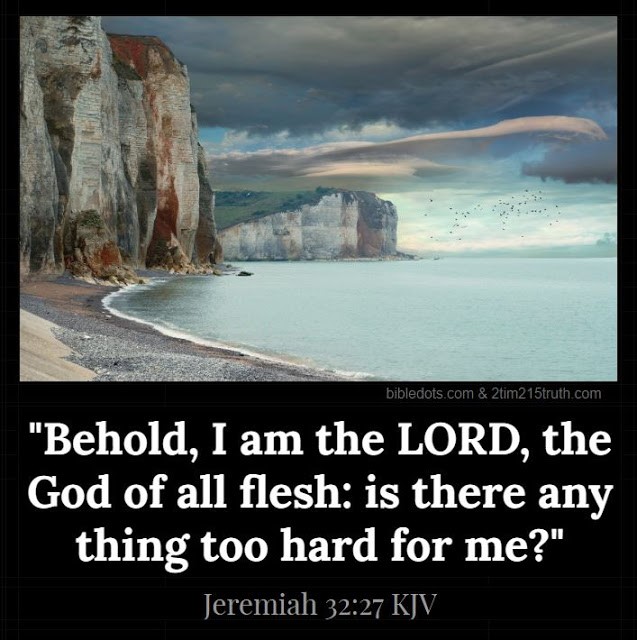
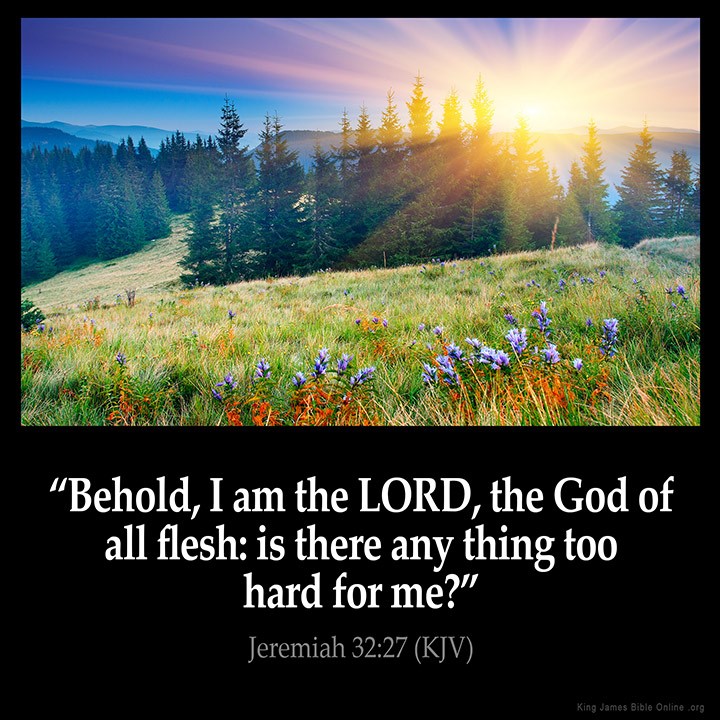
I remember when Elder Hutchinson, who was the Pastor at Bethel Church of God in Christ, he always told me in my face that I was going to be successful in life. I believed the Pastor when he told me that I was going to become successful in life. My favorite Bible verse was Jeremiah 32:27 that says Behold I am the Lord, the God of all flesh, is there anything too hard for me? I really love this Bible verse because it enables me to inquire of the Lord God and Jesus Christ about all of the things that concern me.
Next, I want to say that it is God who knows all things about all of us. Lord Jesus, I want to thank you for allowing me to become very successful as a writer. Lord Jesus, please; take me as I am right now. Lord Jesus, please take me as you want me.
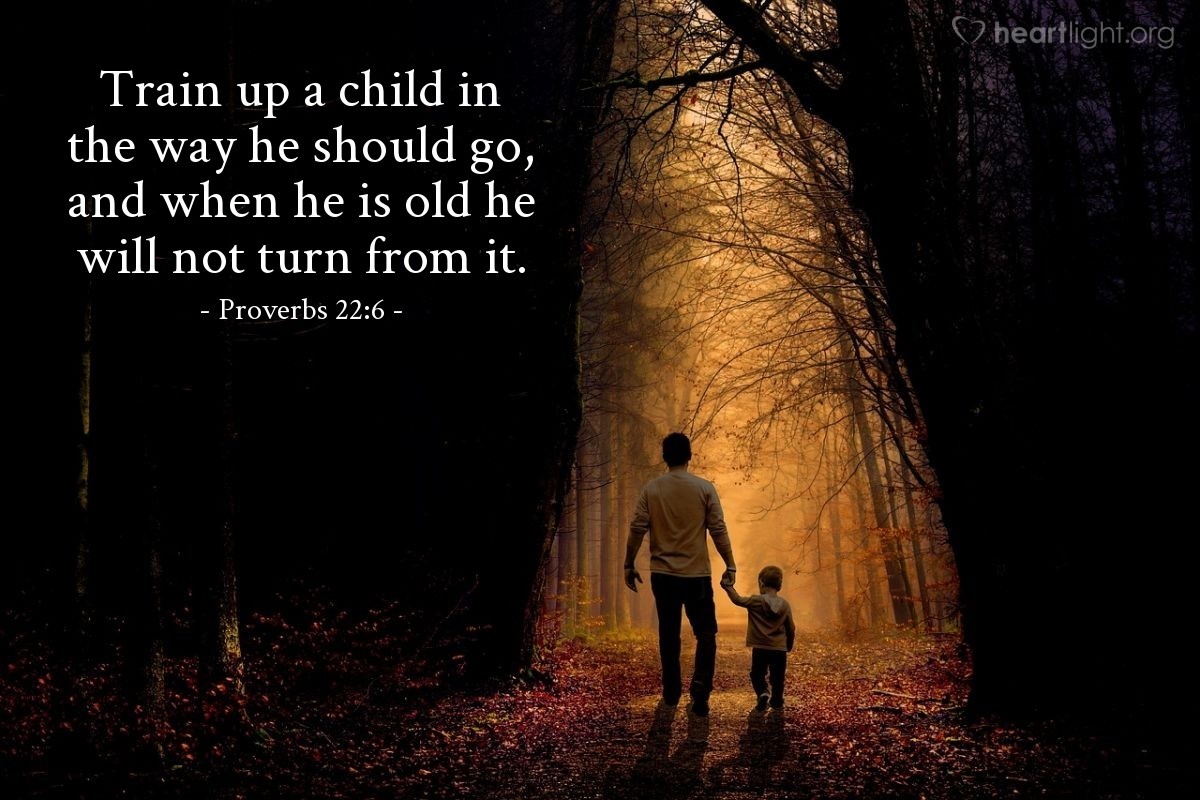
I am willing to accept you for who you are as God in my life. I am not waiting on God. God is waiting for me. Lord Jesus, here is my life. Lord Jesus, I want you to govern my life right now. I messed up!! I have blown it. I really like this Bible verse because it allows me to get acquainted with God and Jesus Christ. As a Child, I used to suffer from depression. My step-father used to beat me all of the time. This Bible verse says: Train up a Child in the way he should go, when he gets old, he will not depart from it. To be perfectly honest with everyone, attending Church is my sanctuary.
Further, I want to inform everyone that even though I suffered from depression as a child. I became successful as an adult. I graduated from the University of Toledo on June 12, 1993 and June 17, 1995 with my Bachelors Degree in Interdisciplinary Studies. I worked at the University of North Carolina at Charlotte from March 5, 2001 through April 9, 2009. I worked as a Library Clerk and a Stacks Assistant. I really enjoyed working at the Library of Atkins on the Campus of the University of North Carolina at Charlotte.
Moreover, I want to inform all of you that Proverbs 22:6 really have a whole lot to do with our relationship with Jesus Christ. I would like to be programmed the way God want me to do with my life.
Proverbs 22:6 means that if we attend Church, and do the things that God wants me to do. I have to adhere to God’s word. I thank God for the relationship that I have with Him right now. Set your mind on things above rather than things on this earth. This Bible verse has a whole lot to do with the relationship that we have with God. Proverbs 22:6 means that we have to have a set standard of living that only God approves. Lord Jesus, I thank you for helping me with all of the things that I really have trouble with. Lord Jesus, my way of thinking has changed for the better.

