What are your favorite animals?
My favorite animals are dogs, cats,and muskrats.
What are your favorite animals?
My favorite animals are dogs, cats,and muskrats.
I would prefer the beach in the Fall and Winter. I would prefer The mountains during the Summer. I’m saying this because the mountains are cooler during the Summer and the beach is better place during the Winter. Therefore, my ideal place during the Summer is the

Get unlimited access to the best of Medium for less than $1/week.Become a member
Reed Justice·Follow
Published inArtificial Wisdom8 min read·Mar 15
Share
More
The elderly population is often overlooked in our fast-paced society. We rush by them, failing to recognize the wealth of knowledge and experience they carry. It’s time to change this. In this article, we will take you on a journey of discovery, exploring the vital role that elders play in society and the importance of respecting them. We will delve into real-world case studies and scientific research to demonstrate the positive impact of showing respect for our elders. By the end of this article, you’ll understand why respecting our elders is a moral obligation and a way of life that benefits everyone involved.

The Role of Elders in Society
Elders are the keepers of wisdom, holding a wealth of experience that spans over many years. They have lived through historical events that younger generations can only read about in books. Culturally, they are the custodians of traditions, myths, and legends. They carry within them the essence of who we are as a society, and it is our moral obligation to show them the respect they deserve.
In many cultures around the world, elders are highly respected and venerated. They are seen as the keepers of wisdom and are consulted for advice and guidance in all areas of life.
In Norway, a program called “Old Friends” pairs older adults with younger people for regular social activities, such as going for walks or cooking together. The program has had significant success in reducing loneliness and social isolation among older adults and fostering intergenerational connections (Kobayashi & Steptoe, 2018). This can benefit society by reducing the burden on social services and creating a stronger sense of community and social cohesion.
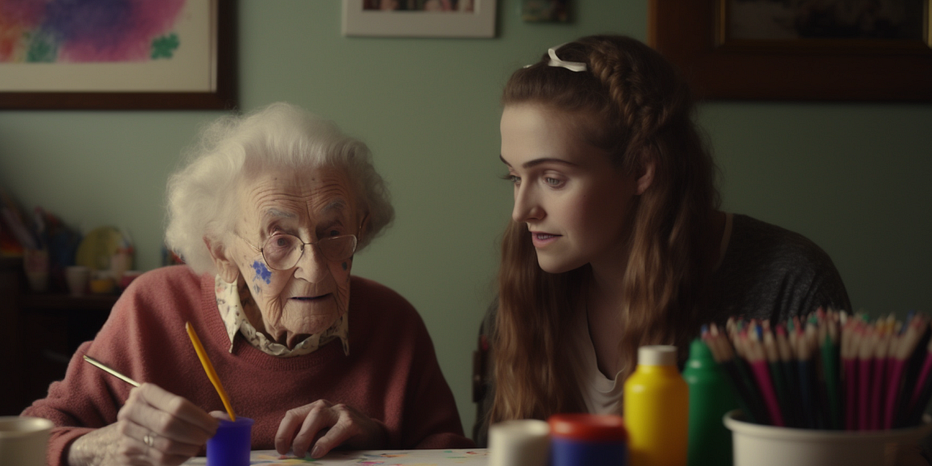
Similarly, a study conducted by the University of Texas found that nursing homes that implemented a program to involve older adults in decision-making and community building had significantly better health outcomes for their residents (Shye & Grams, 1997). By giving older adults a sense of purpose and responsibility, they were more engaged and had better mental and physical health outcomes, which in turn can benefit society by reducing healthcare costs and improving the overall well-being of the population.
According to a study conducted by the University of Chicago, older adults who feel respected are more likely to experience positive emotions and have better mental and physical health. In addition, older adults who feel respected have a higher sense of purpose and are more engaged in their communities (Cheng, Chan, & Lee, 2006; Dilworth-Anderson et al., 2004; Fung & Carstensen, 2006; Penninx et al., 1998).
The Importance of Respecting Elders
Respecting elders is not just a matter of good manners; it is also a moral obligation. Elders have contributed to society throughout their lives and deserve to be treated with dignity and respect in their old age. Respecting elders also sets a good example for younger generations, teaching them the value of empathy, compassion, and kindness.
According to research conducted by the World Health Organization, Japan has one of the longest life expectancies globally, with many elders living beyond 100 years. One reason for this is the respect they receive from younger generations. Elders in Japan are revered and are often consulted for advice and guidance in all areas of life. Their cultural traditions and customs are also preserved and celebrated, fostering a sense of belonging and community. This is a testament to the power of respecting our elders and the positive impact it can have on their well-being. This can benefit society by increasing the potential for intergenerational knowledge transfer, contributing to the growth and development of society as a whole.
There are numerous ways we can show respect for our elders:
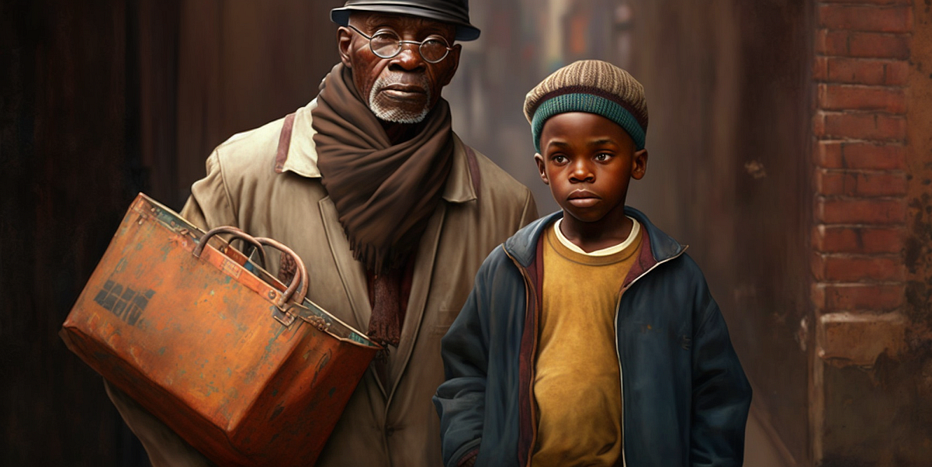
In addition to these everyday actions, there are also larger initiatives that can be implemented to show respect for elders. Education can also play a role in fostering respect for elders, with schools and universities teaching students about the importance of intergenerational relationships and the contributions that elders make to society.
A Win-Win Situation for Both Younger and Older Generations
Respecting elders not only benefits the elderly but also has a positive impact on younger generations. By interacting with and learning from elders, younger people gain valuable knowledge and insights that can help them navigate life’s challenges. For example, a study conducted by researchers at the University of Pennsylvania found that young people who spent time with elders had a more positive outlook on aging and were more likely to value cross-generational relationships (Cohen et al., 2006).
In addition, multigenerational relationships can help reduce stereotypes and ageism among younger generations. When younger people interact with elders, they are exposed to a diverse range of perspectives and experiences, which can challenge their preconceived notions and biases about aging. This can help create a more inclusive society where people of all ages are valued and respected (Thompson et al., 2016).
Furthermore, research has shown that cross-generational relationships can have a positive impact on the mental health of younger people. A study conducted by researchers at Boston College found that college students who had positive relationships with their grandparents had lower levels of depression and anxiety (Fingerman et al., 2009).
In conclusion, respecting our elders not only benefits them but also has positive implications for younger generations. By interacting with and learning from elders, younger people gain valuable knowledge and insights, reduce stereotypes and ageism, and improve their mental health. As a society, we should encourage and promote intergenerational relationships as a way to create a more inclusive and compassionate community.
The importance of respecting our elders cannot be overstated. They are the keepers of wisdom, the custodians of traditions, and have contributed significantly to society throughout their lives. Real-world case studies and scientific research have shown the positive impact of showing respect for our elders, from reducing loneliness and social isolation to improving mental and physical health outcomes.
It is crucial to recognize that respecting our elders is not just about good manners; it is a moral obligation and a way of life that benefits everyone involved. By taking the time to listen, offering assistance, spending time, and showing respect through language and behavior, we can make a difference in the lives of our elders and create a more compassionate and inclusive society.
As we navigate our fast-paced lives, let us take a step back and honor the invaluable role that elders play in our society. By respecting our elders, we set an example for younger generations and build strong relationships that will benefit us in the long run. Let us make a concerted effort to show our elders the respect they deserve and create a society that is more compassionate and inclusive. As we do so, we will honor the contributions that our elders have made to our society and build a brighter future for us all.
Resources for Further Information and Support on Respecting Elders
India:
HelpAge India
Website: https://www.helpageindia.org/
Phone: +91–11–41688955/56
US:
Eldercare Locator
Website: https://eldercare.acl.gov/Public/Index.aspx
Phone: 1–800–677–1116
UK:
Age UK
Website: https://www.ageuk.org.uk/
Phone: 0800 055 6112
Australia:
Council on the Ageing (COTA) Australia
Website: https://www.cota.org.au/
Phone: 1300 1400 50
These organizations provide a range of services and support, including advice on caring for elders, social engagement opportunities, and information on elder abuse prevention. They can also provide information on local resources and services in your area.
We encourage readers to share contact details of organizations in their respective countries that provide advice and support for respecting elders. This can be done by adding a comment to the article. Sharing this information can help promote the global network of resources and support for promoting intergenerational relationships and respecting elders around the world.
References:
Cheng, S. T., Chan, A. C., & Lee, C. K. (2006). Emotional and cognitive predictors of community participation among older Chinese adults. The Gerontologist, 46(4), 451–458.
Dilworth-Anderson, P., Brummett, B. H., Goodwin, P. Y., & Williams, S. W. (2004). Psychological resources and depressive symptoms in older adults. Aging & Mental Health, 8(5), 407–413.
Fung, H. H., & Carstensen, L. L. (2006). Goals change when life’s fragility is primed: Lessons learned from older adults, the September 11 attacks, and SARS. Social Cognition, 24(3), 248–278.
Kobayashi, L. C., & Steptoe, A. (2018). Social isolation, loneliness, and health behaviors at older ages: longitudinal cohort study. Annals of Behavioral Medicine, 52(7), 582–593.
Penninx, B. W., Guralnik, J. M., Ferrucci, L., Simonsick, E. M., Deeg, D. J., Wallace, R. B., & Paffenbarger, R. S. (1998). Depressive symptoms and physical decline in community-dwelling older persons. Jama, 279(21), 1720–1726.
Shye, S., & Grams, A. (1997). Age stereotypes and the elderly: A meta-analysis. Psychology and Aging, 12(1), 33–48.
World Health Organization (2017). Global strategy and action plan on ageing and health. Geneva: World Health Organization.
Cohen, G. D., Perlstein, S., Chapline, J., Kelly, J., Firth, K. M., & Simmens, S. (2006). The impact of professionally conducted cultural programs on the physical health, mental health, and social functioning of older adults. The Gerontologist, 46(6), 726–734.
Fingerman, K. L., Pitzer, L., Lefkowitz, E. S., Birditt, K. S., & Mroczek, D. K. (2009). Ambivalent relationship qualities between adults and their parents: Implications for both parties’ well-being. The Journals of Gerontology: Series B, 64(3), 362–371.
Thompson, E. A., Jr, Bennett, K. M., & Blieszner, R. (2016). Intergenerational relationships in families. Gerontology, 62(3), 279–287. doi: 10.1159/000438808
ChatGPT, the language model developed by OpenAI, was used to generate the content of this article. The AI was trained using a large dataset of text to generate coherent and informative responses to various prompts. The text was then edited and refined by a human writer to ensure accuracy, clarity, and readability. The final product is a collaborative effort between AI and human.
139
139
·Editor for
Hacked human, crafting AI-driven content in return for dopamine hits via claps, followers, comments. Embrace the evolving world and follow for diverse insights.
61
in
42
in
52
60
See all from Artificial Wisdom
4 Habits of Emotionally Strong People#1: Control your attention, not your emotions
9.3K
Stop Telling People EverythingMy experience
13.8K
6 Science-Backed Health Stories on Covid, Sleep, and More6 stories·56 saves
Stories to Help You Live Better19 stories·811 saves
Some of My Favorite Personal Essays18 stories·476 saves
Self-Improvement 10120 stories·932 saves
70K
Seven things barely anyone does that will attract people to youAlex Mathers
3.6K
in
Yet Another Discovery Upends The Myth of Prehistoric Gender RolesSurprise, surprise
3.9K
How to *really* know you’re in loveBecause most of “the signs” they tell you are garbage
107K
Share QuizNext Quiz Go to BabaMail Home Subscribe My Profile Topics English Personality Trivia Health Math IQ Spirituality Skill Edit Profile Help Contact us About Terms Of Service Privacy Policy Follow Us English Personality Trivia Health Math IQ Skill My Scores Quizzes > Personality What is Your Connection to Nature? Shai K. Share Join Us There is a separation in our minds between the natural world and the human world. Some may call it culture, or urban areas, while others may just think of it as a dividing line between what is human and what is not. For others, nature is part of humanity. Their souls yearn for the touch of nature, and cannot abide being away from it for too long. So, what is YOUR connection to nature like? Take our test and let’s find out! A Sensitive Child of Humanity According to your answers, you have a strong connection to nature, even though you live your life as part of the human culture. You often feel as if you are part of a bigger, mysterious tapestry of life. It can happen with a touch of the wind or the stroke of a raindrop, or it can be the tree in your backyard or the sight of the skies blazing in color of gold, pink and purple at dusk. Anything can suddenly give you that feeling of belonging and connection in the world, and it’s a nice feeling at that. You feel protective towards animals and nature, and wish you could do more to help it against those who would destroy it. Share your results with friends to learn more about them! Share Result Share Quiz WhatsApp Next Quiz Found a mistake? Rate: You may also like: Recommended by Personality Which Cat Breed Would You Be? 11 QsWho Am I Love Turns Us All Into Animals, But Which Ones? 12 QsPersonality Are You Predictable? 12 QsWho Am I What Kind of Cat Hides Within You? 12 QsPersonality This Photo Test Will check your Stress Level 10 QsPersonality What Animal Do You See Like? 11 QsSpirituality Which Bird of Prey is in Your Soul? 12 QsPersonality Which Exotic Animal Should You Raise? 11 Qs PlayvolumeAd Personality Quizzes What is Your Connection to Nature? 12 Qs Which Decade Do You Resonate With the Most? 12 Qs What is Your Mental State? 10 Qs Which Fantastical Profession Would You Have? 15 Qs This Photo Test Will check your Stress Level 10 Qs How Fast Do You Fall in Love? 12 Qs How Can You Make Money on the Side? 12 Qs Are You Predictable? 12 Qs Are You Burnt-Out, Stressed or is All Under Control? 12 Qs How Spontaneous are You? 11 Qs What’s Your Secret Agenda? 12 Qs Which Natural Phenomenon Represents You? 15 Qs What is Your Most Destructive Instinct? 13 Qs How Rigid is Your Thinking? 13 Qs What is the Spice of Your Life? 13 Qs Image Test: How Do You Think? 12 Qs Can This Coffee Test Reveal More About You? 10 Qs What Would You Do if You Ruled the World? 12 Qs Which Planet Matches Your Personality? 13 Qs Do You Lie a Lot? 12 Qs Who Would You Be in the FUTURE? 12 Qs What Kind of Garden Grows in Your Mind? 13 Qs Which Car Should You Optimally Drive? 12 Qs Your Sleep Habits May Reveal Your Future… 10 Qs Which Action Star Would You Be? 12 Qs Are You More Empathetic or Sympathetic? 12 Qs Are You in a Toxic Relationship? 10 Qs Which Personality Group Do You Belong In? 12 Qs What Does Your Routine Say About You? 10 Qs What is Your Perfect Adventure? 12 Qs What Kind of Assistant Do You Need? 12 Qs Globalist or Nationalist? 12 Qs What Reality Show Would You Be On? 11 Qs What Would You Be Famous For? 12 Qs Choose Colors to Find Your Soulmate 12 Qs Which Human Emotion Are You? 11 Qs Sign Up for a Free Daily Quiz! Continue With: By continuing, you agree to our T&C and Privacy Policy English Quizzes English Quiz: Complete the Proverb! Will You Complete These English Proverbs? Personality Quizzes What You See in These Pictures Says a Lot About You… What Animal Do You Think Most Like? Trivia Quizzes Guess Which Country This Person is From General Knowledge Marathon Health Quizzes See if You Have Photographic Memory! Which Number Do You See? Math Quizzes Solve 15 Fun Questions in 20 Minutes! It’s All About the Fractions IQ Quizzes How Good a Detective Are You? The 3-Part IQ Test Spirituality Quizzes Who Were Your Ancient Ancestors? What Kind Of Tree Is Hiding In Your Personality? Skill Quizzes How Perceptive Are You? Find the Odd Image Out Contact us | Help | About us | Terms | Privacy policy | Categories | Popular Tags | Popular Searches | Archive | Collections

Why Are Adults Are Acting Up? One of the main reasons why adults are acting up is simply because they are intoxicated. Adults can act like children at times because they want things their own way. I have noticed some things in my own behavior that would cause me to act up. For Instance, if I receive a letter from the Government telling me that my social security case is under review. This means that I would get angry and aggressive towards the Government officials.
Next, adults get very upset over money. If an adult sends another adult to the store to make a purchase. Of the purchase order costs more than the money that they have, then I will be upset with myself for not giving the other adult additional money for the purchase of a specific thing.
Further, I have been upset with Bill collectors sending me letters about the same exact thing all of the time. This means that I have an unresolved issue with another person or a collection agency. However, I know that I will have an unresolved issue with the government over my student loans debt.
Moreover, I have been getting upset because I got fired from my job. I lost my Long term job because I was using excessive amount of paper to write an essay for class. If I receive a failing grade on a test or a research paper. I start using language that is not appropriate for this paper. Adults Are Acting Up because of a lack of respect and communication between other people. Adults Are Acting Up because of physical and mental health problems that has affected them for a long period of time.
In Addition, I have been upset with another person over a communication problem. If I did not understand something or someone else, then I would get upset and take a walk. There are times when I was upset because of law enforcement. Many people are usually angry at law enforcement because of a misunderstanding of a situation. I was arrested without just cause back in the year of 1982. The reason why I was arrested because the suspect during a crime and I were wearing the same shirt. I was later released from jail because the victims identified the wrong person as a suspect of a crime.
Also, I got into a fistfight over a mistake in identity in Charlotte, NC at the Mecklenburg County Jail on Thursday June 24, 1999 while I was incarcerated for theft by deception charge that I have pleaded guilty during my arraignment on July 1, 1999; I was released from jail on probation. However, I fought another person over a glance. Last Year I was involved in another fistfight over my snoring problem.
Finally, I want to inform all of you that I have made some mistakes in my personal life. Especially, during a time that I was living with my sister. She had me arrested for domestic violence on Tuesday March 5, 1997. My sister accused me of bringing a disease into her home. I will admit that I had scabies from having sex with a female prostitute on January 15, 1997. I got off work early that evening and I walked to my sister’s house just to pay my rent for living with her. I took a walk on Edgewood Avenue and I met a young lady and I had given her money for sex. I was ousted from my sister’s house. I didn’t know that I had a disease called scabies from having sex with a dirty woman.
In Conclusion, I had problems during my nine months of marriage. My ex wife was a prostitute. My family members told me not to deal with her. She used me for $4,000 dollars in money, rent and utilities. She smoked all of the money up on drugs and lavish lifestyle because I was working two jobs at the time. For the record, I have dealt with female prostitutes from 1986-2010. Therefore I have not had sex in 13 years now. I made a fool out of myself for 24 years. Why Are Adults Are Acting Up? Simply because of their own foolishness, a lack of money, power, and respect.
Search
Ad
nullabout:blank
By Ann Logsdon
Updated on May 23, 2021
Medically reviewed by Amy Morin, LCSW
:max_bytes(150000):strip_icc():format(webp)/GettyImages-700709759-b1b8f6ae172240b385dd214d21680073.jpg)
Table of Contents
When kids or teens argue, scream, throw fits, spit, hit, get aggressive, or engage in other unrestrained behaviors, people often refer to these behaviors as acting out. There is no doubt these actions are unnerving and, at times, can seem to come out of nowhere. To further complicate matters, the reasons behind the behaviors are often complex.
null
Getting at the cause of this behavior is an important first step for parents regardless of whether it’s your child that’s having regular temper tantrums or your teen that’s going through a rebellious streak. Here’s what you need to know about why kids act out and what you can do to remedy the situation.
10 Surprising Reasons Why Kids Misbehave
Although most people know what “acting out” is, it’s still important to provide a definition of acting out behavior before talking about the possible causes.
The expression “acting out” usually refers to problem behavior that is physically aggressive, destructive to property, verbally aggressive, or otherwise more severe than simple misbehavior. According to the American Psychological Association, acting out is defined as an extreme behavioral expression of emotions that relieves tension or communicates these emotions in a disguised or indirect way.1
Overall, acting out is disruptive at any age and in any setting and often requires formal behavior intervention to manage it. Other words parents may use to describe this behavior include:2
null
There are a number of possible reasons why children act out and few are as simple as “they’re a bad kid.” When a child acts out, the pattern of inappropriate behavior is often used to cover up deeper feelings of pain, fear, or loneliness.
Responding to that misbehavior in an inappropriate way or assuming the child is simply “bad,” can leave the child feeling even more alone with whatever emotions they are coping with.
null
Simply blaming the behavior on a child being a bad kid, deepens their reasons for acting out instead of reducing them.
Often the reason for acting out is not obvious like being hungry or tired, but instead can be deeply buried. At times, the very act of a tantrum is meant to hide the source of the misbehavior from parents.
Taking a look at each of these possibilities—without dismissing them as not possible in your situation—is important in order to get to the root cause. You may be surprised to learn about the underlying cause of your child’s misbehavior or tantrums. Here are some possible reasons why your child may be acting out.
Some children act out because they are responding in a normal way to a situation that has upset them to the point where they are unable to manage their emotions.3 Sometimes, a child that acts out at school has been goaded into responding to other students in the class.
null
Then, they are disciplined for their actions when they were only responding to maltreatment. The punishment, in a sense, teaches the child that they do not have a right to be protected or have feelings, the opposite of what we wish for our children when it comes to building their self-esteem.
In other cases, a child may act out because of something that is happening outside of the immediate setting. For example, a child who is being bullied at school may “act out” their anger and frustration by misbehaving at home.
In some cases, children “act out” because of unrecognized sensory issues such as sensory processing disorder, that may be unrecognized. For example, many children with autism (and quite a few without a specific diagnosis) may have sensory challenges that make ordinary sights and sounds physically painful.4
null
Imagine spending the day coping with constant discomfort in the form of blinking lights, squeaking chairs, and uncomfortable clothes. In such a situation, almost anyone would find it hard to stay calm. Talk to your child’s doctor if you suspect your child has sensory issues.
Another cause for “acting out” may be frustration due to undiagnosed or untreated learning disabilities.5 A child who has, for example, undiagnosed dyslexia will fall further and further behind in school.
null
Eventually, if these challenges are not addressed, they will be unable to learn in a typical classroom setting. Unless changes are made, they have nothing to do except get into trouble.
If your suspect that your child has a learning disability, talk to your child’s teacher about your concerns. It also is helpful to discuss your child’s struggles with their pediatrician. Your child’s doctor can evaluate them or provide referrals where needed.
There are certainly some children who “act out” as a means of getting attention—positive or negative—from adults.6 It helps to use various parenting strategies for kids who often seek attention through negative behavior.
For instance, positive attention strategies may reduce bad behavior. There are also some behaviors, such as power struggles, that are sometimes best left ignored.6
How Positive Attention Reduces Behavior Issues
null
Even as kids get older they don’t necessarily stop acting out. Sometimes they will act out or rebel for the same reasons they did as a child—they are hungry, tired, stressed, or simply want attention.
They may even act out because they are being bullied, going through a breakup, or are having friendship issues. But other times, tweens and teens may act out for more complex reasons. Here are few reasons why your tween or teen may be acting out or engaging in inappropriate behavior.
Some children “act out” because of untreated disorders. Some conditions which may be at the root of the behavior include attention-deficit hyperactivity disorder (ADHD), anxiety disorders, autism, and obsessive-compulsive disorder.7
null
While all of these disorders can be effectively treated with a combination of therapies, treatment must also be appropriate and consistent. If you believe your teen is struggling with a mental health issue, talk to your child’s doctor about your concerns. They can evaluate your child and provide a referral if needed.
There are also those kids who “act out” in order to impress peers. Even when this is the case, however, it’s important to understand the motivation behind this need to impress.8
In some cases these children are truly being ostracized or shunned by their peers and they are acting out for attention. In other cases, they’re simply amusing themselves. Either way, if acting out is getting them the attention they crave, they will continue to misbehave.
null
During the tween and teen years, adolescents are trying to figure out who they are and how they want to behave in life. As a result, they often are rebellious and engage in risk-taking behaviors that allow them to test family boundaries, social boundaries, and personal boundaries.9
Not only is this time in their life marked by more impulsiveness, but they also are more susceptible to peer pressure, which can lead them to experiment with activities that adults would find concerning. For some kids this might be as simple as breaking curfew while others might experiment with vaping.
Most of the time, this type of experimentation peaks in to mid- to late-adolescence and then will decline in their 20s. With proper support and intervention from the adults in their lives, these kids will learn how to manage their impulsiveness and make better choices.
null
What Teens Need to Know About Boundaries
Some experts believe you should look for the root cause of acting out before implementing a consequence or considering treatment. Others believe you won’t understand a child’s behavior all the time. After all, kids aren’t always rational.
So while you may want to consider the underlying reasons for acting out, you may never really know. And the consequences you give may be effective, regardless of the cause of the behavior. Here are some general things to consider doing when your child acts out.
How to Use Behavior Modification When Kids Act Out
Although dealing with your kids acting out can be challenging in the heat of the moment, rest assured that all children act out at one time or another. But with proper intervention, most kids will learn how to respond to their emotions in a healthy way. So while it may be frustrating and overwhelming when it occurs, try to remain calm and address your child’s behavior in a reasonable manner.
Eventually, with your direction your kids will learn how to manage their emotions. If your child’s behavior continues to get worse or the acting out becomes more frequent, you may want to talk with your child’s pediatrician. They can help determine what might be at the root of your child’s behavior. They also can provide tips on managing these situations as well as provide referrals when necessary.
When to Get Help for Behavioral Problems
9 Sources
By Ann Logsdon
Ann Logsdon is a school psychologist specializing in helping parents and teachers support students with a range of educational and developmental disabilities.
Share Feedback
Related Articles
What Is Typical Behavior? An Age By Age Guide10 Ways to Handle Disrespectful Behavior
When to Seek Professional Help for Behavior ProblemsDiscipline Strategies for Children With Autism
How to Help a Highly Emotional Child Cope With Big FeelingsWhat Is a Tantrum?8 Ways to Discipline Your Child Without SpankingHow to Discipline Your Toddler Using Time-OutsHow to Respond When Your Child Hits YouImpulse Control Techniques That Work for ChildrenAsk Dr. Mom: Are “Time-Outs” an Effective Discipline Strategy?Research Shows Rise in Cyberbullying During COVID-19 Pandemic
Daily Parenting Advice to Your Inbox
SIGN UP
Follow Us
Verywell Family’s content is for informational and educational purposes only. Our website is not intended to be a substitute for professional medical advice, diagnosis, or treatment.
Ⓒ 2023 Dotdash Media, Inc. — All rights reserved
Verywell Family is part of the Dotdash Meredith publishing family.about:blank

What are your family’s top 3 favorite meals?
One of my favorite meal is chilli with collard greens and French fries and Ginger ale. My second Favorite Meals are Turkey and dressing with macaroni and cheese and collard greens and cornbread muffins and 7up soda. My last favorite meal is brownies and ice cream French vanilla ice cream and milk


This is the very last prayer that King David said to his son Solomon. David knew that he was transitioning from life to death. God has prepared David in advance. Frankly, I have the same thing that my grandparents had and this is Alzheimer’s. I know that I have this dreaded disease because I am really losing my memory. I am suffering from Diabetes Full Blown Type 2 and Schizoid Affective Disorder. I am taking 38 pills per day just to stay alive. This is not a laughing matter.


Next, I want to inform all of you that I have been having memory problems since last year. I have noticed a very sharp decline in my short term memory. I know that I have had a lot to write about during the past 29 years now. I know that I still have a very long way to go. I want all of you to know I will not become a burden on anyone. At least I have written my story. I have published three books within a 23 year period.


Further, I want all of you to know that I love you and I always will. This includes those people who despise me as a person. God has made me aware of those who are my real friends from my adversaries. As soon as you read God’s Word, it will make you aware of a whole lot of things. This is the reason why I am not watching TV very much. I have realized that I have one good friend. God knows her and what she has done for me in 23 years now. She has been my friend when I was running away from my problems. My grandma told me to stop running away from those who really love you.


Moreover, I have been running away from myself. Since my mother and sister died, I was devastated physically and emotionally. I know that I have been feeling guilty about the things that I have done in the past. My AA Sponsor told me that one of my friends that I have been doing favors for in the past and present need to go to N.A. by himself. This is because I am dying for real. You are losing memory every single day. My Sponsor told me to learn how to do something for yourself. I listened to my Sponsor when he told me that my friend is using me. He also told me that you are losing your memory. He also said that I am having memory lapses every single day. My Sponsor told me that I have to take care of myself better than what I am doing right now.


In Addition, I need to have my family members to take care of me. It is not very easy dealing with my own personal issues. God talks to you while we are sleeping. A lot of people do not know it. It is inside of Job 33:14-16 verse. It is very true that God and Satan talk to you. I will admit that I am having too many health ailments right now. To be honest with you, many young people do not have respect for elders or their own parents. It really hurts me as a person because I used to be the same way. Right now, I have to allow the cows to eat and produce milk.


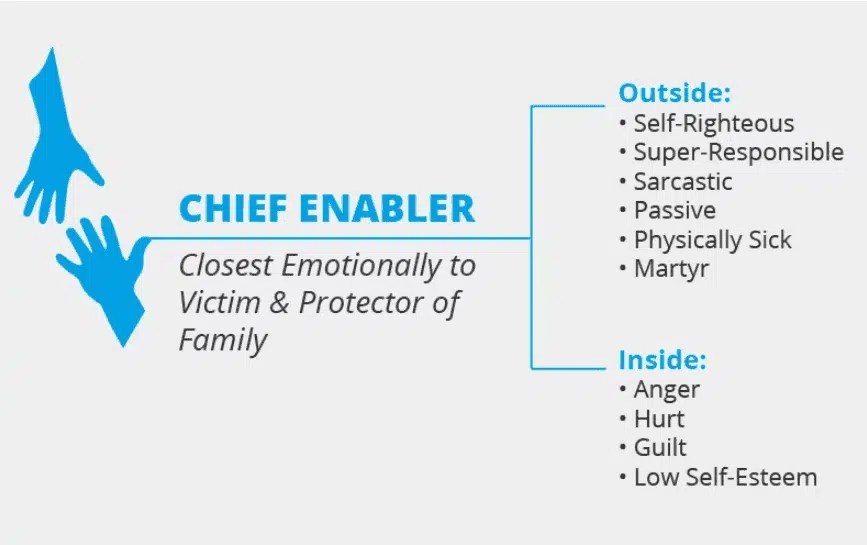
Finally, I want to inform you that I have been an Enabler for over a half of a century now. I feel very bad because I have did things for other people when they know how to do it for themselves. God is watching over all of us to see if we are worthy of His Kingdom. This is the truth because many people choose to destroy their own Temple. It is a shame because I am sharing all of this information to tell you that God loves you and so do I. Please use your Temple to share the gospel. Thank you for reading my essay.
If you could meet a historical figure, who would it be and why?
If I had a choice to meet with a Historical Figure it would be nice to meet JESUS CHRIST. The reason why I said Jesus Christ is simply because I would be healed from all of my ailments. I would learn how to talk with other people, even though they wouldn’t love me. Jesus Christ might not be the historical figure that you are talking about. I would like to meet Jesus Christ. I love you Jesus Christ for all of the things that You are blessing me with including my breath of life.
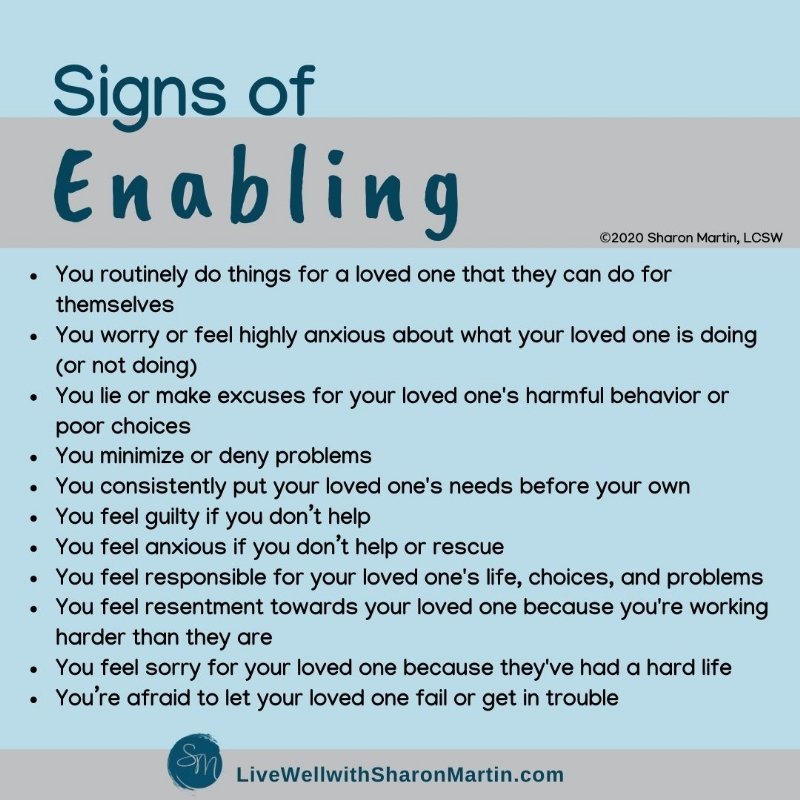
Good Day Everyone! My name is Anthony Hopkins and I am responsible for enabling other people for more than a half of a century. I remember when I was a child, I used to help others with their homework for school.
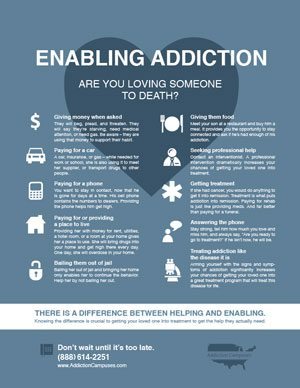
I am getting very honest with myself and others about enabling behavior. I have been clean and sober for 33 years now. I rarely ask anyone else for help.
Next, I am letting all of you know that I am guilty of enabling other people. What is the definition of enabling? Enabling is when someone is doing something that other people can do for themselves. At one point in my life, I was coerced by other people to do something for someone else. The fair-weather friends that I had were using me. My family members told me to my face that people were taking advantage of me. At that time, I had concealed the person and the whole problem.
I have a fair-weather friend that still ask me to do things for him. I didn’t know that this behavior was getting worse because I was always broken financially.
Further, I am sharing this information because I know that there are other people who are going through the same thing. I know that certain people do not love me personally. I have got my friend released from prison back in 2016. He did not appreciate it. I have done so much for other people that I am in need, and the same people who I have helped cannot help me in return.
I know that I am sharing all of this information to help others wake up and smell reality. I am very sorry for allowing other people to take advantage of me. It hurts me because I owe $ 32,000 dollars in student loan debt right now. My mother told me to my face that I will see the error of all of my ways.
There are members in my family, who have not given me a dime to help me, but my nieces and nephews helped me and I am very grateful.
Moreover, I want to inform all of you that my neighbor’s at Wentworth Hi Rise Apartments have helped me when I couldn’t call my siblings. My siblings helped me in the past. My brother paid my rent for me.
My siblings want me to live with them, but I don’t want to caste all of my burdens on them. I really need a job working somewhere just to pay my student loans and other bills. I am sharing all of this just to let everyone know that my church members helped me out a lot.
I am saying all of this information to learn how to help others who are in need. My Pastor told me that I am an analytical thinker and I am an excellent Writer.
In Addition to the library and Church that I attend on a regular basis. It’s that I am very sick physically mentally psychologically and spiritually drained. I am asking God to help me out with this drained problem. Emotionally, I am losing my memory right now. I have lapses in my memory right now. I am very happy to have a place to live for 13 years now. I only wish that I can stop the marijuana smoking inside of the building. My back is still hurting me.
Finally, I am telling all of you that enabling is a very serious problem. I tell other people who enable others to please keep away from me. I realize that I have Jesus Christ and God as my real friends. I am very happy to help others but I will not allow other people to take advantage of me and my kindness. I suffer from Diabetes Full Blown Type 2 and Alzheimer’s right now.
My family members do not visit me anymore because of the bedbugs that are inside of the building where I live. I can understand everyone is skeptical about me and my building where I choose to live. I write because it helps me to cope with a mental illness. I do spray alcohol inside of my apartment to prevent bedbugs from bothering me. Enabling affects me and everyone else.
I cannot keep on doing things for people when they can do it for themselves. I have some bad news to share with you. The Social Security Administration is getting ready to terminate my benefits.
People who are under the age of 65 have to go back to work and make a decent living for themselves. Social Security Administration specifically stated that I have written three books in 23 years. They are saying that I have to report my income. The US Government has given me a stimulus check and I used money to publish three books in 23 years now.
I love all of you, but this enabling problem is affecting me personally. If someone knows how to use a computer, I will let you do your own work. I am an Author of three books. I have to copyright all of my most recent writing. I love you all. Please start using your phone for everything.
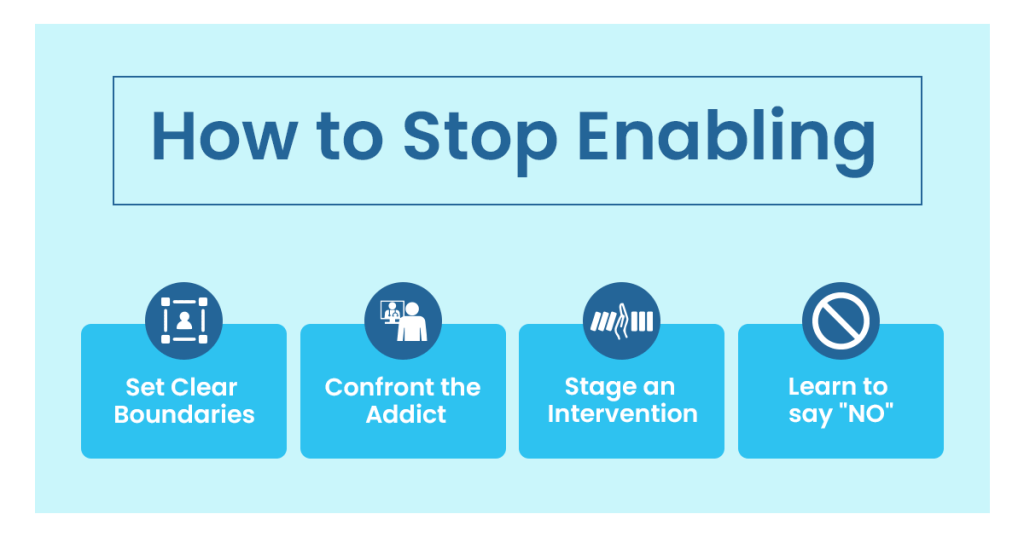
If I can apply for a job using my phone, then anyone else can do the same exact thing. Enabling has caused a lot of people to become deprived of learning a brand-new skill. Enabling does not give me power, it is transferring power to the other person. Enabling leaves, you powerless, and you do not have to be in active addiction. My fair-weather friend has used me so much that I am getting tired of being around him.
In Conclusion, I have learned a valuable lesson for doing things for other people, and you are not getting paid. It also deprives you of money and learning new skills myself.
Enabling is an addiction and it needs to stop. Enabling causes other people to consume you with their stuff. Anger resides inside of the heart of fools. It defines our culture. Enabling for me has made me out of a fool.
 Site Title