The above statement is found in Numbers 32:23, where Moses is warming the tribes of Reuben and Gad. Israel had been made to wander in the wilderness for forty years because of their lack of faith and trust in God, listening to the evil report given by ten of the twelve spies. They are now preparing to cross the Jordan and to take the land the Lord had promised them. Yet before they cross over, these two tribes, who have much livestock, see the land of Jazer and Gilead on the east side of the river was a good place for their animals. They ask for this territory for their inheritance. At first Moses was against this idea, thinking they just did not want to go and fight, not willing to do what was required of them by the Lord. They came to this great leader and explained they would build sheepfolds for their livestock, go over and fight against the enemy with their brethren, and then once the land was taken, return home to the territory given them on the east side of the Jordan. Moses agreed, yet he also warned them if they failed to do as they promised their sin would find them out (Read Numbers 32:1-27).
The principle of one’s sin finding him out is alive and well today just as it was when Moses stated it hundreds of years ago. If we sin God knows it! Notice the words of the inspired writer of the book of Hebrews, “And there is no creature hidden from His sight, but all things are naked and open to the eyes of Him to whom we must give account” (Hebrews 4:13). This great truth was often illustrated by Jesus with those whom He met daily. In speaking with the woman at the well look at part of the conversation He had with her, “The woman said to Him, “Sir, give me this water, that I may not thirst, nor come here to draw.” Jesus said to her, “Go, call your husband, and come here.” The woman answered and said, “I have no husband.” Jesus said to her, “You have well said, ‘I have no husband,’ for you have had five husbands, and the one whom you now have is not your husband; in that you spoke truly.” The woman said to Him, “Sir, I perceive that You are a prophet” (John 4:17-19). Jesus knew all about this woman’s life even before she told Him about her martial situation. He even knew Judas would betray Him before they came to the garden to arrest Him (Mark 14). Sin cannot be hidden from God!
It is amazing to me the length some will go to conceal their sin. Some will lie saying, “I’m not guilty,” knowing all the time they have committed the transgression for which they are charged. Then you have those who shift the blame to others; it is their fault. King Saul tried this but was still rejected by God and was no longer permitted to serve as king of Israel (1 Samuel 15). There are those who try to redefine sin. Many in society today say homosexuality is not a transgression of God’s law; it is just an alternate lifestyle. Yet the Bible clearly teaches such is sinful (1 Corinthians 6:9-10). Others think ignorance is bliss. If one does not know something is sinful, then somehow at least in their eyes it is not a sin. Paul’s statement to those in the city of Athens says differently, “Truly, these times of ignorance God overlooked, but now commands all men everywhere to repent” (Acts 17:30).
The Psalmist said, “Blessed is he whose transgression is forgiven, Whose sin is covered” (Psalm 32:1). Then in the book of Proverbs we read, “He who covers his sins will not prosper, But whoever confesses and forsakes them will have mercy” (28:13). Do these verses contradict each other? Certainly not! If the Bible is true, and it is, then it does not teach one thing in one place and something else on the same subject in another location. The sin mentioned in Psalm 32:1 is one which is forgiven and covered by God. The one we read about in Proverbs 28:13 is a sin which a person tries to conceal or hide from God. The wise man explains what one should do with sin, confess, forsake, and receive the mercy of the Lord.
To the sinners Peter was addressing on Pentecost, who had not received the mercy of the Father, they were told to, “Repent, and let every one of you be baptized in the name of Jesus Christ for the remission of sins; and you shall receive the gift of the Holy Spirit” (Acts 2:38). If one sins after becoming a Christian, he is instructed to repent and pray (Acts 8:22). If you have sinned make sure the Lord covers those transgressions through forgiveness by application of the blood of Christ (Ephesians 1:7; 1 John 1:7).
Always remember your sins will find you out. You may conceal them from others in this life, but when standing before the Lord in judgment they are known to Him (Psalm 90:8). Neither time nor space heals iniquity; just godly sorrow which produces repentance (2 Corinthians 7:10). Do not try to hide sin. Why not simply do what the Lord tells you so they can be remitted. This is the only way to receive the blessing of eternal life in heaven with the Father.
13 Brain-Healthy Foods That Will Help Protect Your Memory and Cognition
Following the MIND diet closely may significantly lower your risk of Alzheimer’s and other forms of dementia. By Kaitlyn PhoenixUpdated: Oct 21, 2022 2:44 PM EDT
What you choose to fuel your body with affects more than the number on the scale and how your jeans fit. Everything from your bone density to your memory can be supported by what you put on your plate. Specifically, when it comes to brain health, the foods you eat have a major impact, says Dale E. Bredesen, M.D., a neurologist and author of The End of Alzheimer’s Program. The best foods for your brain also often offer up a ton of other health benefits.
Two diets, in particular, are backed by science for boosting brain health and reducing your risk of dementia: the Mediterranean Diet and the DASH diet. The Mediterranean Diet focuses on eating plenty of fruits, vegetables, seafood, olive oil, nuts, seeds, beans, legumes, and whole grains, while limiting red meats, processed foods, refined grains and oils, and high-sugar foods. Poultry, eggs, dairy, and red wine can be enjoyed in moderation. Research has found the diet has a slew of health perks, like improving heart health, aiding in weight management, and supporting brain function.
Meanwhile, the DASH diet (which stands for Dietary Approaches to Stop Hypertension) is similar to the Mediterranean diet, but includes slightly different serving suggestions, like capping sodium intake at 1,500 milligrams and allowing for more lean meats. The DASH diet boasts the same benefits as the Mediterranean diet, and was specifically developed to help lower blood pressure without medication.
But one diet has combined the best parts of each, particularly when it comes brain health: the MIND Diet, which is short for Mediterranean-DASH Intervention for Neurodegenerative Delay. One 2015 study published in the journal Alzheimer’s & Dementia found that the MIND diet can turn back the time on your cognitive age by seven and a half years. The study followed 900 men and women ages 58 to 98 for an average of four and a half years, assessing their diets with detailed food questionnaires and testing their cognitive function annually. Researchers found when participants followed the MIND diet very closely, while limiting less-nutritious foods like red meat, processed sweets, and fried foods, they reduced Alzheimer’s and dementia risk by 53%; those who followed the diet reasonably well reduced their risk by 35%.
To keep your brain sharp for years to come, Dr. Bredesen recommends limiting your intake of processed foods, red meat, and added sugar while loading up on the nutrient-rich, MIND diet-approved foods below.
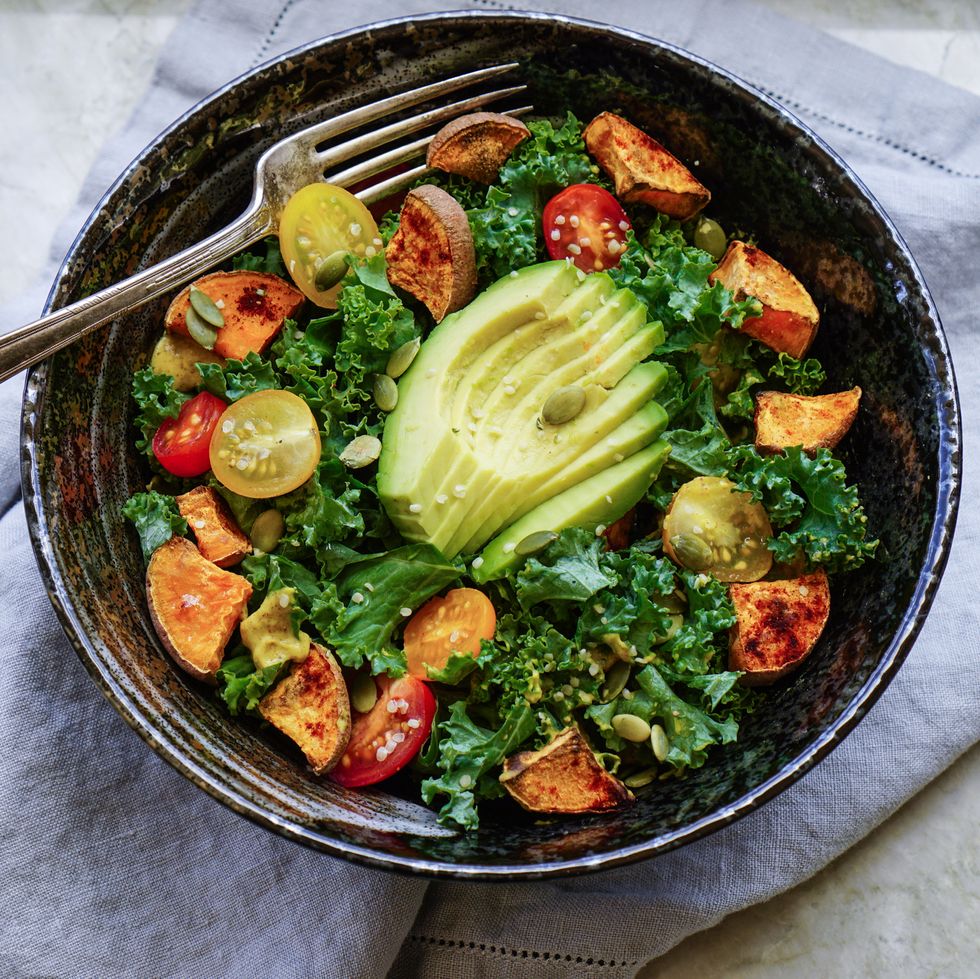
Dr. Bredesen recommends reaching for foods high in folate, such as leafy greens, broccoli, and Brussels sprouts, because they help reduce homocysteine levels, an amino acid that has been linked to brain atrophy and an increased risk of Alzheimer’s disease.
“Coffee and green tea both contain caffeine, which has been shown to improve cognitive function by helping to solidify memories,” says Nicole M. Avena, Ph.D., assistant professor of neuroscience at Mount Sinai School of Medicine. “Tea and coffee can also help with short-term memory boosts.” Just avoid adding lots of sugar to your brew.
One serving: 8-ounce cup of coffee
Aim for: Current U.S. Dietary Guidelines state that up 400 mg of caffeine per day is safe, the amount you’d find in about two grande Americanos at Starbucks.
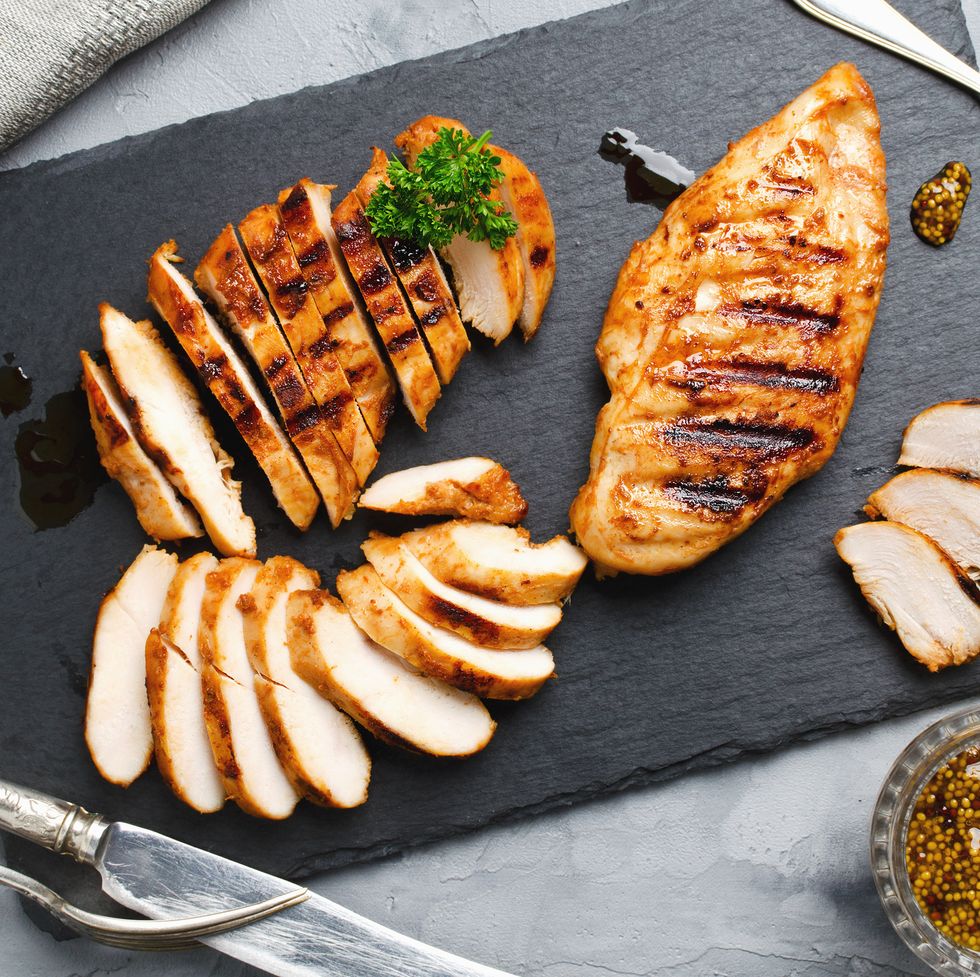
Poultry, like chicken or turkey, pack in lean protein, choline, and iron, all of which support cognitive function, research shows. The American Hearst Association suggests opting for lean meat low in saturated fats, like poultry, over red or processed meats to keep your cholesterol at a heart-healthy level.
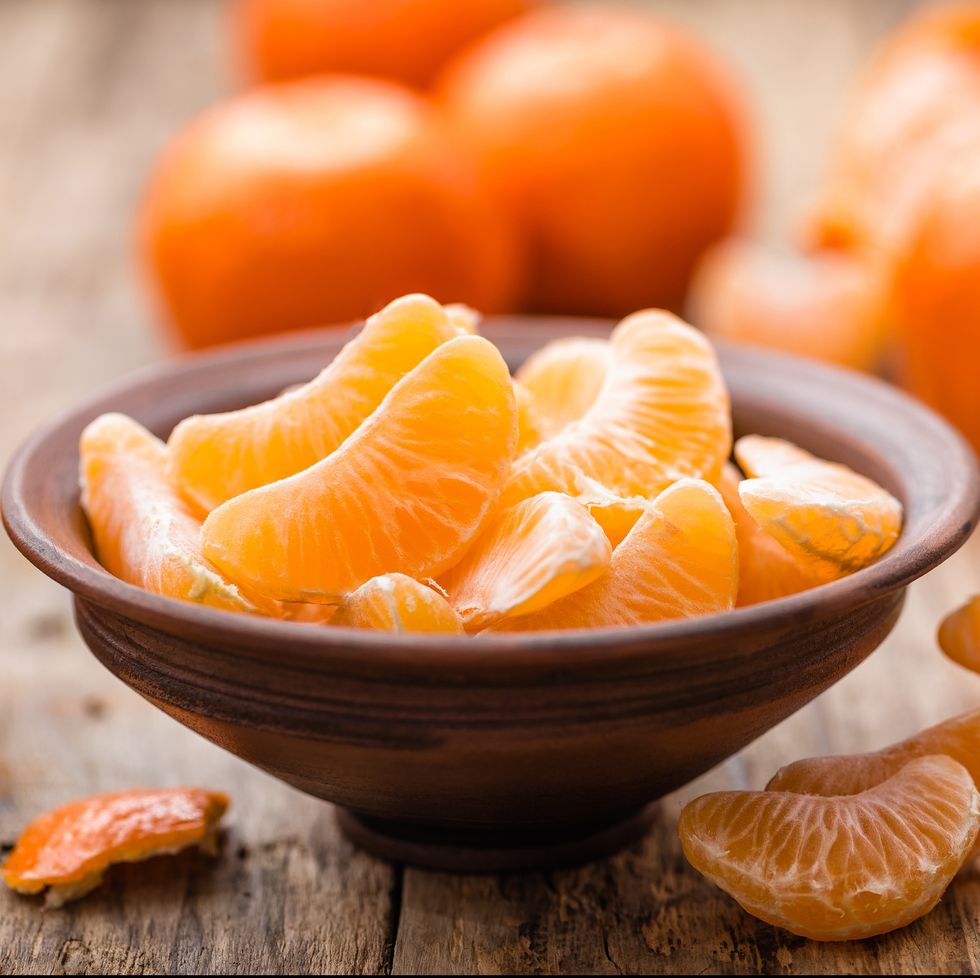
“Citrus and citrus juice is full of flavanone (plant-based compounds with antioxidant properties), which research shows can improve blood flow to the brain, which in turn improves cognitive function,” says Avena. In fact, one study found that elderly people who eat citrus almost every day are 23% less likely to develop dementia.
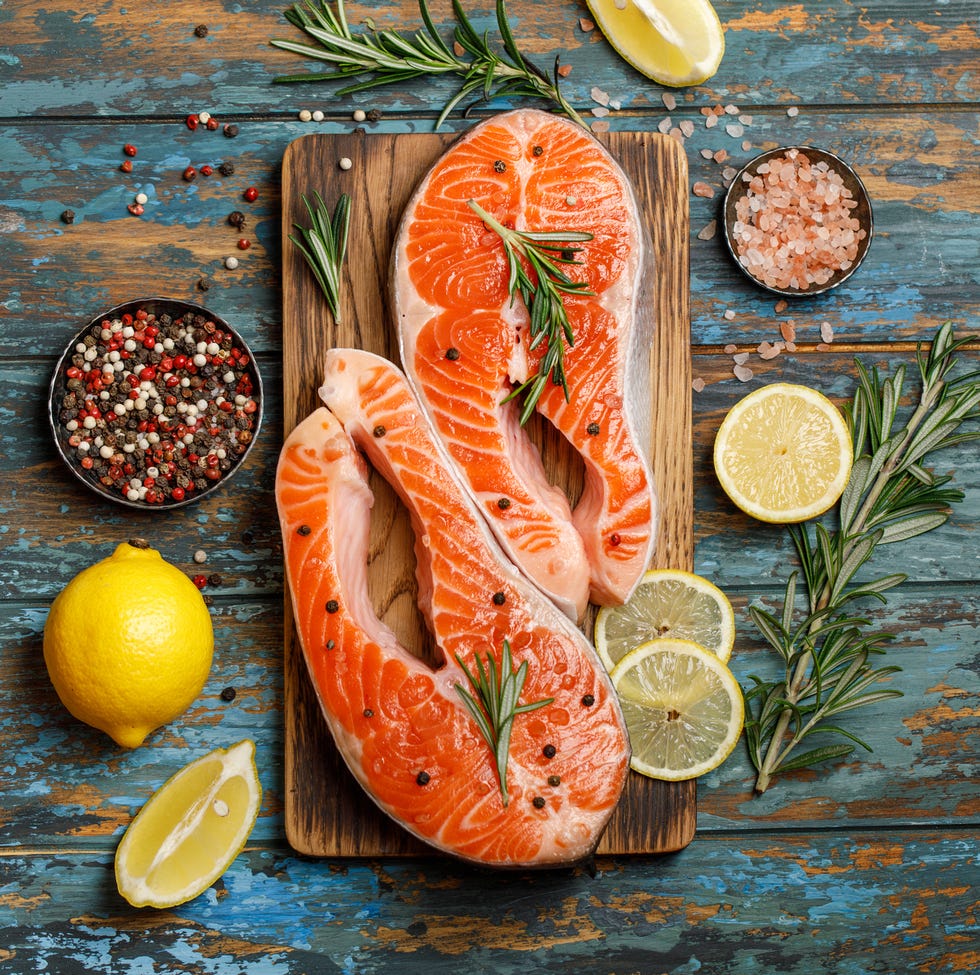
Research shows omega-3 fatty acids may lower your risk of Alzheimer’s disease, thanks to their anti-inflammatory properties. Fatty fish, like salmon or canned light tuna, are rich in two of the three types of omega-three fatty acids (DHA and EPA). You can get the third type (ALA) from flaxseeds and other plant-based foods, says Avena.
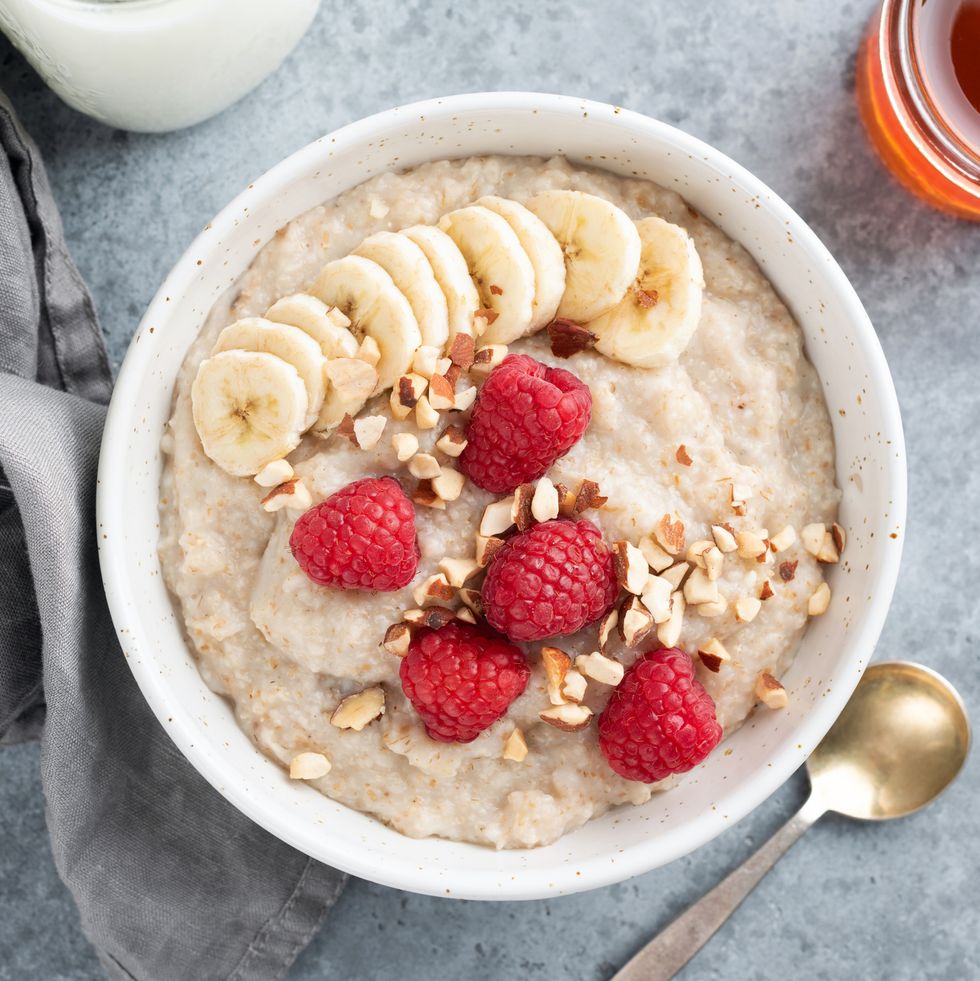
Dr. Bredesen suggests trying to avoid simple carbs, like white rice or pasta. When eaten in excess, they can increase your risk of metabolic syndrome—a cluster of conditions that can lead to chronic health problems like heart disease and diabetes. This, in turn, ups your risk of cognitive issues and brain abnormalities, research shows. Instead, turn to whole grains such as, which are packed with filling, disease-fighting fiber. Smart options include things like brown rice, farro, oatmeal, quinoa, and barley.
One serving: ½ cup cooked whole grain, 100% whole grain pasta, or 100% whole grain hot cereal; 1 slice 100% whole grain bread; 1 cup 100% whole grain ready-to-eat cereal
“Eggs are high in choline, an essential nutrient that has been shown to reduce inflammation and bolster brain function by enabling optimum communication between brain cells,” says Avena. Just be sure to eat the yolks!
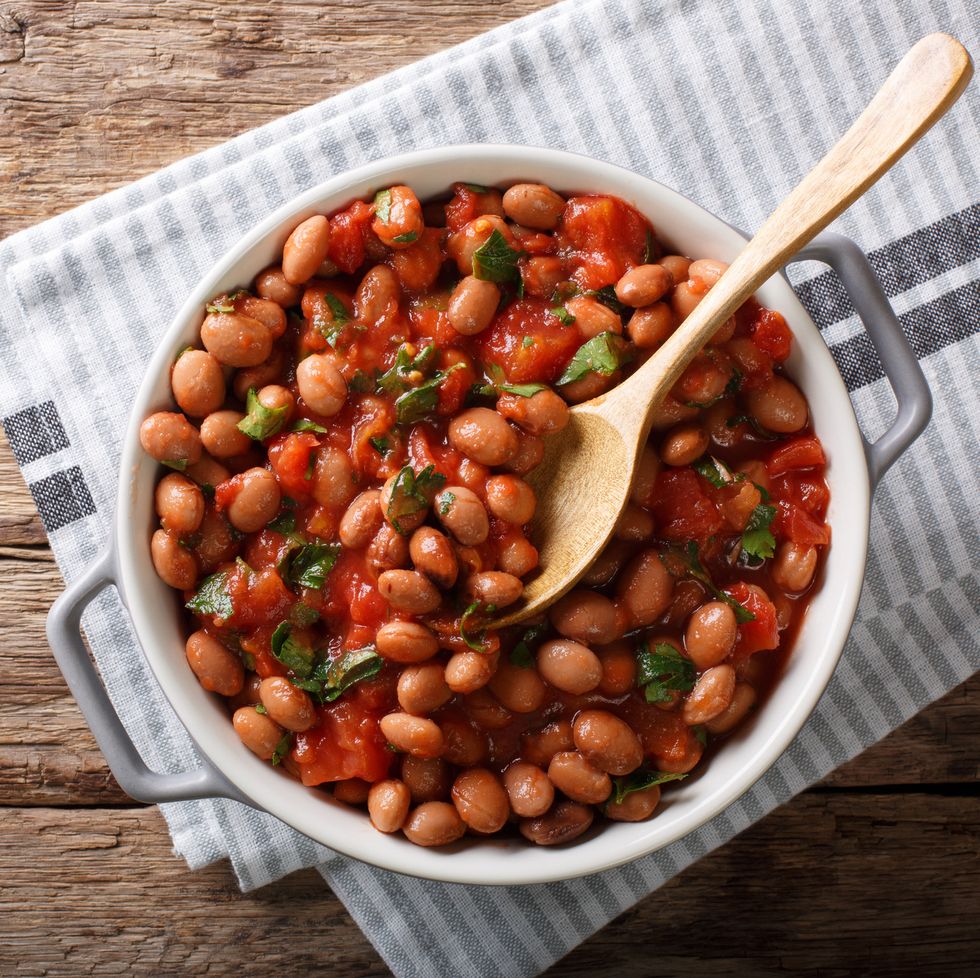
Beans are packed with fiber, about 8 grams per 1/2 cup depending on the variety, making them a staple in the Mediterranean diet. One 2017 study suggests loading up on legumes “could improve insulin sensitivity, which could, in turn, influence cognitive function,” the authors write.
Dr. Bredesen says a low-carb diet that’s high in good fats like polyunsaturates and monounsaturates, including the ketogenic diet, can help support brain health. Olive oil is rich in monounsaturated fatty acids, which can help protect the brain through their anti-inflammatory and antioxidant properties.
One serving: 1 tablespoon
Aim for: Use it in place of other oils and butter, and splurge on the extra-virgin variety.
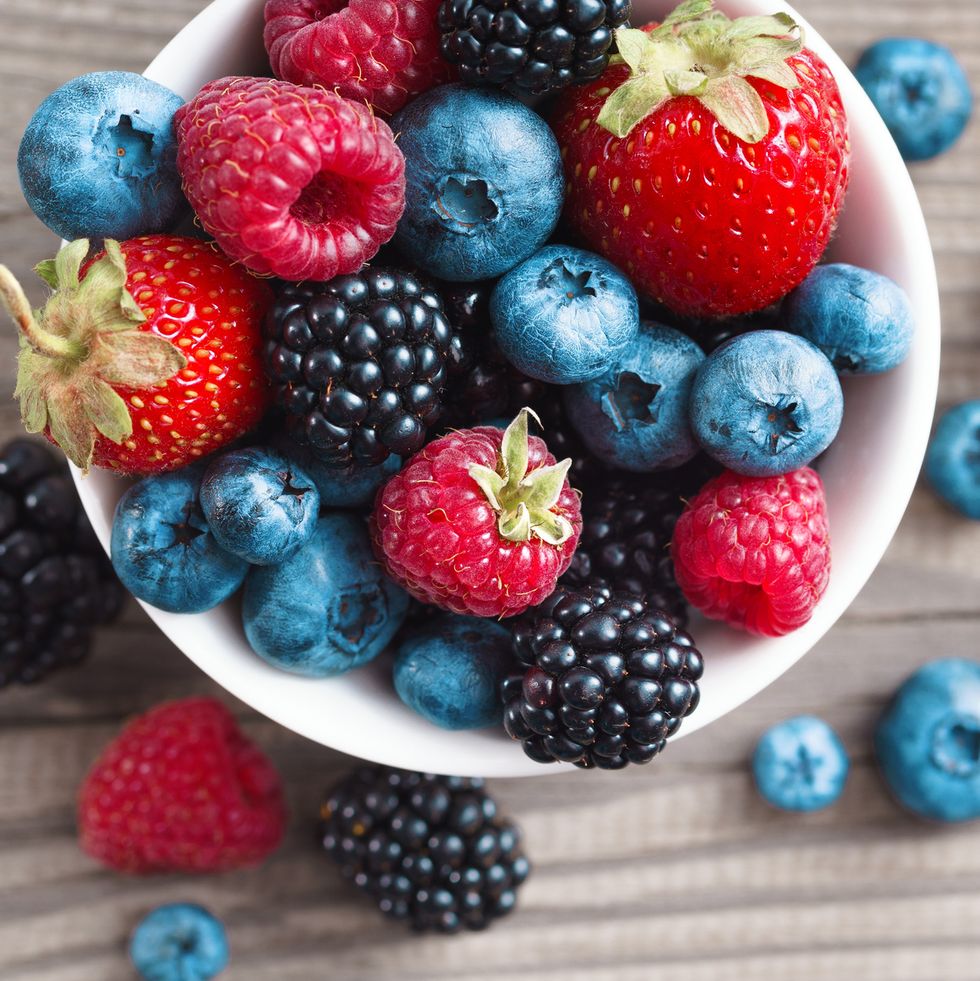
Research shows that the various plant compounds in berries—such as anthocyanins, caffeic acid, catechins, and quercetin—may help improve signaling pathways in the brain linked to inflammation, cell survival, neuronal communication, and neuroplasticity (the ability of the brain to adapt to changes). Plus, they taste great and make for a great sweet treat.
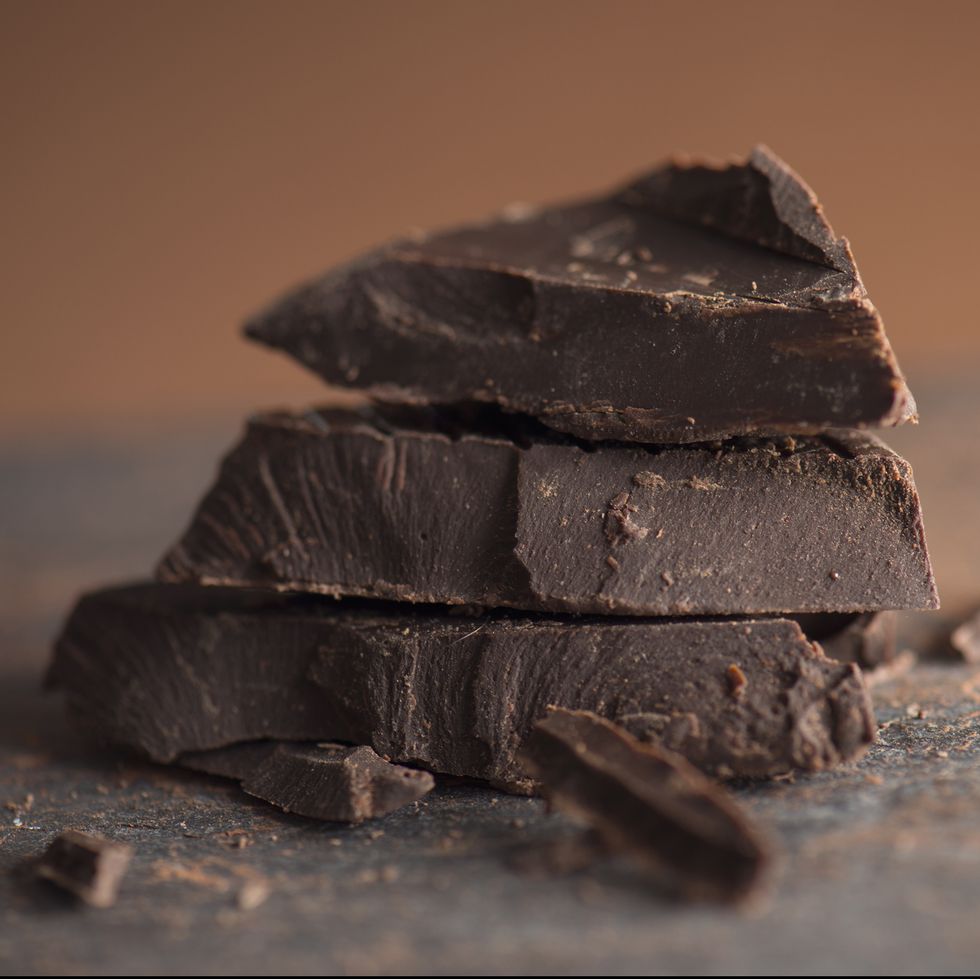
“Dark chocolate is full of antioxidants, flavonoids, and has a bit of caffeine as well,” says Avena. “Just like berries, the antioxidants in dark chocolate can fight inflammation and improve cell signaling in the brain.” Aim for chocolate that contains at least 70% cocoa or higher to get the most out of the snack.
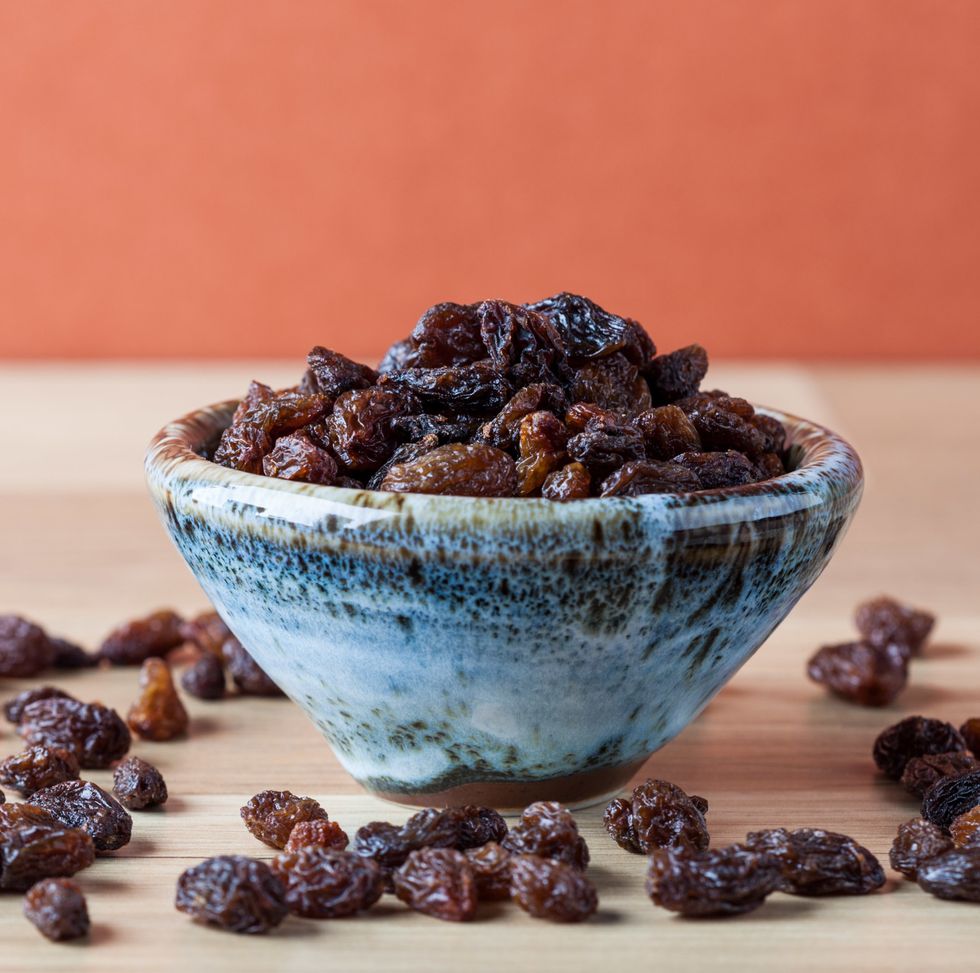
“Raisins contain boron, which is essential for the proper functioning of the brain,” says Avena. “It helps to improve concentration, enhances hand and eye coordination, and sharpens memory.”
An official website of the United States governmentHere’s how you knowHere’s how you know
PMC Search Update
PMC Beta search will replace the current PMC search the week of September 7, 2025. Try out PMC Beta search now and give us your feedback. Learn more
As a library, NLM provides access to scientific literature. Inclusion in an NLM database does not imply endorsement of, or agreement with, the contents by NLM or the National Institutes of Health. Learn more: PMC Disclaimer | PMC Copyright Notice
Caffeine is one of the world’s most consumed drugs. According to the Washington Post (2015), two billion cups of coffee are consumed per day worldwide. Caffeine is classified as a central nervous system (CNS) stimulant and an organic molecule called methylxanthine. Caffeine has three notable mechanisms of action on the CNS that produce a psychostimulant effect. These effects are responsible for the effect that caffeine has on cognitive function. The effects of caffeine consumption on cognitive function have been demonstrated across several studies involving humans and animals. With the immense number of people consuming caffeine around the world, it is of vital importance to study the effects that this drug has on people’s cognitive function. This literature review provides useful insights on this question through the analysis of caffeine’s effects on cognitive function, along with information on caffeine’s three modes of action. The findings of recent studies show mixed results regarding the effects of caffeine on mood, attention, processing speed, and memory. Current research suggests that if caffeine does have an effect on mood, the most significant changes may be anxiety. Studies did not support caffeine as having any significant effect on attention, but that it did play a role in enhancing processing speed. The majority of the studies reviewed suggest caffeine as having a significant positive effect on both short and long-term memory in adults and the elderly. Current findings warrant continued research on the association of caffeine and the resultant effects on cognitive function.
Keywords: methylxanthine, cognitive performance, fluid intelligence, reaction time, mental alertness, mood and anxiety
Introduction and background
Caffeine is one of the world’s most consumed drugs, and is consumed in various forms such as coffee, energy drinks, soda, or chocolate. According to the Washington Post (2015), two billion cups of coffee are consumed per day worldwide [1]. Caffeine consumption affects the cognitive function of its consumers in a variety of different ways. Caffeine has been shown in studies to help enable the learning and memory of tasks in which information is passively presented [2,3]. In addition, caffeine has been shown to improve performance in tasks upon which the working memory is dependent on to an extent [4]. Caffeine has also been found to lower the consumer’s anxiety levels and improve their hedonic tone when consumed in small doses [5,6]. With so many people around the world consuming caffeine daily, it is of vital importance to study the effect that this drug has on people’s cognitive function. We sought to review the mechanism of action that caffeine has on the brain, as well as look at recently reported studies investigating the effects of caffeine on users, specifically with outcomes of mood, memory, processing speed, and attentiveness.
Review
Mechanism of action
Caffeine is classified as a central nervous system (CNS) stimulant and an organic molecule called methylxanthine. Caffeine has three notable mechanisms of action on the CNS that produces a psychostimulant effect. These effects are responsible for the influence caffeine has on cognitive function. The effects of caffeine consumption on cognitive function have been demonstrated across several studies involving humans and animals. For example, Angelucci et al. tested the effects of caffeine on memory in rats using the Morris water maze task [7]. The rats in this study were either given caffeine immediately after training, 30 minutes before training, or 30 minutes before they were to be tested in the maze [7]. The study concluded that caffeine consumption was linked to greater memory retention in rats; however, the consumption of caffeine was not related to memory acquisition [7]. The first mechanism of action for caffeine involves methylxanthine stimulating antagonism at the adenosine receptor level. Methylxanthine compounds, such as caffeine, can act as a competitive antagonist against the depressant effects of adenosine [8]. In the brain, adenosine and adenosine receptors regulate the release of neurotransmitters and play an important role in the regulation of sleep, arousal, cognition, memory, and learning [9]. Caffeine binds to adenosine receptors, which in turn block the binding of adenosine to its receptor. The blockage of adenosine receptors indirectly affects the release of neurotransmitters such as norepinephrine, dopamine, acetylcholine, serotonin, glutamate, and gamma-aminobutyric acid (GABA). An influx in these neurotransmitters alters mood, memory, alertness, and cognitive function [4].
A second mechanism of action for caffeine can be described as the effect of methylxanthine on the mobilization of intercellular calcium. Caffeine which is a methylxanthine compound promotes the movement of calcium through the sarcoplasmic reticulum and the plasma membrane. This calcium is then released via synaptic transmission into the peripheral and central nervous systems that are dependent on a controlled release of neurotransmitters. These neurotransmitters, in turn, are dependent upon the calcium influx that travels into the nerve endings. At low concentrations of methylxanthine, the uptake and release of calcium facilitated through the endoplasmic reticulum increase. However, at higher concentrations of methylxanthine, the uptake of calcium by the endoplasmic reticulum is inhibited [8]. The effects of caffeine that are felt through this mechanism are not due to suppression of adenosine, GABA, or noradrenaline. In the body there are three distinct intracellular pools of calcium that have been defined through the use of their turnover number and their specific mechanisms of action [8]. In this mechanism, pools two and three are sensitive to the release of calcium stimulated by caffeine intake at low doses. This mode of action for caffeine is not as likely as methylxanthine’s antagonistic effect of adenosine due to the higher concentration of caffeine needed for this mechanism of action to be a viable option [8].
The third mechanism of action for caffeine involves the ability of methylxanthine to inhibit phosphodiesterases. Methylxanthine prevents cAMP from being enzymatically broken down. Methylxanthine does this by inhibiting the cyclic nucleotide phosphodiesterase, which stimulates the accumulation of cAMP. The accumulation of cAMP then stimulates the release of hormones such as dopamine, epinephrine, and noepinephrine. An influx in these neurotransmitters alters mood, memory, alertness, and cognitive function [4]. However, this mode of action is not as likely as methylxanthine’s antagonistic effect of adenosine because the concentration of methylxanthine needed for caffeine to utilize this mechanism would be considered toxic to humans [8].
Trials and outcomes
To evaluate the effects of caffeine consumption on mood and cognitive performance, national databases were used to identify recent studies that reported subjective and objective outcomes of caffeine consumption across populations. Specifically, studies were identified with data on the impact of caffeine consumption on mood, attention, processing speed, and memory. A summary of studies included in this review is presented in Table 1.
Table 1. Studies investigating the effects of caffeine on cognitive function.
Author, yearPopulationCaffeine sourceOutcomes of interestOutcome findingsAraújo et al., 2015 [10]n = 14,563 35-74 years old<1 cup to >3 cups per dayAttention, processing speed, memoryNo effect on attention or processing speed. Improved memory in the elderly (65-74 years old)Benson et al., 2019 [11]n = 24 18-40 years oldRed Bull (80 mg)MemoryImproved working memory reaction timeCornelis et al., 2020 [12]n = 434,900 37-73 years oldCaffeine (any amount) within the last hourProcessing speed, memoryImproved reaction time. Impaired memoryFranceschini et al., 2020 [13]n = 53Caffeine (200 mg)Mood, memoryNo effect on mood and memoryGarcia et al., 2017 [14]n = 80 (medical students)Drink A (174.5 mg) Drink B (147.2 mg) Drink C (155 mg)Mood, attentionNo effect on mood and attentionMarczinski et al., 2014 [15]n = 14 18-29 years old5 Hour Energy (200 mg)MoodPositive effects on vigor-activity and tension-anxiety. No effect on other mood statesRepantis et al., 2021 [16]n = 48 21-36 years oldCaffeine (200 mg)Attention, processing speedPositive effects on mood and processing speedSherman et al., 2016 [2]n = 83 18-21 years oldDecaffeinated coffee (7-10 mg)/Coffee (180 mg)MemoryIncreased memory during non-optimal time of day – early morningSmith, 2013 [3]n = 128 18-65 years oldDecaffeinated coffee/Coffee (65 mg)Processing speed, memoryIncreased processing speed. No effect on memoryThomas et al., 2019 [17]n = 9 19-23 years oldAi Reload (AiR) (130 mg)Attention, processing speed, memoryNo effect on attention and memory. Increased processing speedWesnes et al., 2017 [18]n = 25 19-33 years oldRed Bull (80 mg)Mood, attention, memoryIncrease in “alert” and “jittery” and a decrease in “tired.” No effect on attention. Increased information retrieval speed (component of working memory)Zabelina et al., 2020 [19]n = 88 18-35 years oldCaffeine capsule (200 mg)Mood, memoryDecrease in sadness, no effect on other mood states. No effect on working memoryZhang et al., 2020 [20]n = 11,875 9–10 years oldCoffee, tea, soda, espresso, and energy drinks. Daily average caffeine intake of 13.00 + 43.73 mgMemory, processing speedNegative effect on working memory and episodic memory. Negative effects on processing speed
Dose-dependent effects of caffeine and increased energetic arousal have been studied extensively; however, the relationship between caffeine use and individual mood states has not been thoroughly evaluated. Recently, several studies have investigated the effects of caffeine on mood states such as anxiety, vigor, alertness, anger, and sadness.
In a randomized, placebo-controlled study, Marczinski et al. examined the effect of caffeine (5 Hour Energy Drink, 200 mg caffeine) on six different moods [15]. This included tension-anxiety, depression-dejection, anger-hostility, vigor-activity, fatigue-inertia, and confusion-bewilderment. A total of 14 individuals (ages 18 to 29) were assessed with the Profile of Mood States (POMS) Brief form [21], which is known to be sensitive to the acute administration of caffeine on mood. No significant differences were found in the mean POMS rating scores for the six mood states compared to the baseline following caffeine administration (p > 0.24). Two of the six moods, namely, vigor-activity and tension-anxiety, had a significant main effect of dose and time and dose-time interaction, respectively. Analysis of variance (ANOVA) for the POMS vigor-activity rating revealed a significant main effect of caffeine dosage and a significant main effect of time post-administration (p = 0.002). Post-hoc least significant difference (LSD) tests revealed that vigor-activity scores were significantly higher post-caffeine administration compared to both the placebo and no drink groups (p < 0.043), with no significant difference between the placebo and no drink group (p = 0.10). Vigor-activity rating declined with time, suggesting a significant increase in subjective vigor-activity post-caffeine consumption in a dose-, but not time-, dependent manner. ANOVA for tension-anxiety ratings on the POMS suggested a significant dose-time interaction (p = 0.044). Interestingly, Post-hoc LSD analysis on tension-anxiety ratings revealed that ratings were significantly higher at 40 minutes post-caffeine use than any other time point (40 to 340 minutes), especially in comparison to no drink conditions (p = 0.028), suggesting that caffeine consumption might have a brief alteration in mood states (i.e., anxiety) which are short-lived (<1 hour).
Garcia et al. utilized a different method to evaluate caffeine and mood using 80 medical students (50 men and 30 women) recruited into a randomized, placebo-controlled study [14]. The State-Trait Anxiety Inventory (STAI), a 20-item questionnaire, was administered prior to cognitive testing to evaluate psychological stress in response to caffeine. Each question is evaluated using a set ordinal scale (not at all = 1, very much = 4). The total score correlates with a certain anxiety level. Results showed a significant decrease in anxiety for participants who received Drink C (155 mg caffeine) compared to groups that received Drink A (149.5 mg caffeine) and B (147.2 mg caffeine). However, the percentage change was not different among Drink A, Drink B, and Drink C compared with the control. Interestingly, salivary cortisol levels were also measured as an objective evaluation of biological stress. Results showed a significant increase in Drink B; however, similar to the STAI scores, there was no significant percentage increase in cortisol levels among the three groups compared to the control. Thus, findings on the effect of caffeine on biological stress and anxiety were inconclusive.
A similar, double-blind study by Franceschini et al. assessed the effect of caffeine on cognitive performance and looked at anxiety, specifically [13]. Anxiety was evaluated at 30 minutes post-caffeine use. The authors also administered the STAI to examine mood in 53 individuals (low-to-normal habitual caffeine consumers). Self-evaluations were scored. Similar to the findings of Garcia et al., results showed no significant difference between caffeine and placebo consumption and anxiety level (p = 0.136) [13].
A more recent study by Zabelina et al. evaluated the effects of caffeine on working memory and mood [19]. A total of 88 participants (60 females, 28 males; mean age = 21.6 years) were recruited into a randomized, double-blind, placebo-controlled study. Participants were asked to indicate on a sliding scale, from 0 (not at all) to 100 (very), to what extent they were feeling happy, sad, excited, anxious, bored, and focused before and after caffeine intake. t-tests performed on individual mood states indicated that caffeinated subjects reported a decrease in sadness after caffeine consumption, the control group reported an increase in sadness post-consumption (p = 0.027). However, no significant differences were reported in the remaining mood states (p > 0.336), including that of anxiety. Subjective anxiety levels in the caffeinated group exhibited no significant change compared to control (p = 0.633). The results were consistent with the previous two studies showing no significant alterations in mood with caffeine use. However, the significant decrease in sadness observed in this study may be because caffeine is frequently associated with increased energetic arousal. A randomized, double-blind, placebo-controlled, three-way, cross-over trial by Wesnes et al. utilized the Caffeine Research visual analogue scale (VAS) to evaluate the potential mood changes associated with drinking Red Bull energy drink (80 mg caffeine) in 24 adults (ages 19-33 years) [6,18,22]. Mixed-model repeated-measures (MMRM) and ANOVA tests were conducted on the changes from baseline. The Caffeine Research VAS displayed significant main effects in “alert” (p = 0.0005), “tired” (p = 0.0356), and “jittery” (p = 0.0044). Individuals who consumed Red Bull showed significant increases over baseline in “alert” and “jittery” and a significant decrease under baseline for “tired.” This pattern suggested that the consumption of energy drinks, such as Red Bull, may increase energetic arousal and may be correlated with decreased sadness shown in the study performed by Zabelina et al. [19].
Attention and processing speed
Attentiveness or attention pertains to the ability of an individual to focus on information relevant to an assigned task while suppressing other less relevant information available. Processing speed pertains to the speed at which an individual is able to detect and respond to rapid changes in the environment. Of the five studies under review that examined the relationship between caffeine and attention, four studies showed no significant association between attention and caffeine use, while a more recent study showed a positive correlation. Of these, four of the studies also examined processing speed in which two showed a positive correlation while the other two showed no significant change in processing speed in relation to caffeine consumption.
In a cross-sectional study, Araujo et al. studied the association between coffee consumption within the last 12 months and cognitive function [10]. The data were part of a longitudinal study, The Longitudinal Study of Adult Health (ELSA-Brasil, 2008), that examined the development and progression of chronic illnesses among 15,105 civil servants in Brazil [23]. A total of 14,563 participants were separated into two age groups: 35-64 and 65-74 years old. Participants who underwent cognitive testing also reported having consumed caffeine for the last 12 months (<1 cup to >3 cups per day). Trail-making tests were administered to examine executive functioning relating to attention and psychomotor speed. Prior to adjusting for age, sex, and education, data showed a 3% improvement in mean time taken to complete the trail-making test (p = 0.025). Despite results from the tests showing statistical significance, there is not enough information to indicate that coffee consumption altered mean performance in this age group (35-64 years old). For individuals in the 65-74-year-old age group, no significant findings were observed in the trail-making test results. There are no indications for improvements in attention or processing speed related to caffeine consumption. A dose-dependent relationship was also not observed.
The study that evaluated caffeine’s effect on mood by Wesnes et al. also looked at cognitive performance in 24 participants (ages 19-33 years) after consuming Red Bull (80 mg caffeine) [18]. The CogTrack system, a set of nine cognitive tests, was administered 30 minutes post-drink on the computer. Changes from baseline scores for each test were used to evaluate attentional intensity, sustained attention, and speed of retrieval indices. Overall, Red Bull did not produce a significant main effect on attentional intensity and sustained attention indices. Red Bull consumption showed a significant increase in the speed of retrieval index (t = 4.02, p = 0.0002), which was not seen in the placebo (t = 0.35, p = 0.728) or Sugar-Free Red Bull (80 mg caffeine) (t = 1.46, p = 0.1482), demonstrating potential positive effects of caffeine (Red Bull) on information retrieval speed, but not on attention.
Garcia et al. utilized the N-Back Task to assess attention and determine possible cognitive enhancements after caffeine ingestion [14,24]. The N-Back Task is a continuous performance task that is commonly used as an assessment in psychology and cognitive neuroscience to measure a part of working and working memory capacity. Results (percentage scores) were used to interpret attentiveness. Percentage change in N-Back Task results showed an increase after consuming Drink A (149.5 mg caffeine) compared to control, but no significant changes were observed in any of the individual groups following caffeine consumption.
With the popular demand to find ways to improve performance, both physically and mentally, energy drinks have become a popular go-to for many traditional athletes and e-sports athletes to improve attention and reaction time. Therefore, Thomas et al. conducted a study among nine elite League of Legends (LoL) e-sport players belonging to the same professional team [17]. In this randomized, double-blind, placebo-controlled, cross-over study, players were evaluated for cognitive changes associated with energy drink consumption, specifically Ai Reload (AiR) (130 mg caffeine), before competing in three LoL matches. Three cognitive assessments were administered: Eriksen Flanker Test (measures attentional ability), Go/No-go Visual Reaction Time Test, and Working Memory Test (N-Back Task previously described). Improvements were seen in mean reaction time from pre-game (668.9 ± 216.3 ms) to post game three (497.5 ± 105.1 m; p = 0.004); however, no other significant differences across treatments or times were identified. Ultimately, AiR did not improve performance parameters. Interestingly, all participants were found to habitually consume AiR prior to gaming, suggesting potential habituation to caffeine prior to the study. The small sample size in this unique population is a limiting factor. Larger sample sizes could provide statistically and clinically significant data in this unique group of athletes.
In contrast to the previous four studies, a recent study by Repantis et al. suggested improvements in cognitive parameters with caffeine use [16]. In a randomized, double-blind, placebo-controlled study, cognitive performance in 48 male participants (21-36 years old) was assessed after taking one of three stimulants (caffeine, methylphenidate (MHP), modafinil (MOD)). Attention was assessed via the Psychomotor Vigilance Test, a reaction time task established to measure speed of response to visual stimuli [25]. Response times were used to score participants’ attention and psychomotor speed. Compared to control, caffeine demonstrated a positive effect on sustained attention and significant shorter reaction times (p = 0.002), while MHP and MOD showed no significant improvements in either parameter. Results suggested that caffeine is unique in its ability to significantly affect cognitive performance in healthy individuals who do not require medication (MHP or MOD).
Memory
Another cognitive parameter of interest is memory, commonly separated into short-term (working) memory and long-term memory. Working memory briefly stores information while other cognitive processes are performed. For this reason, only limited amounts of information can be stored in short-term memory allowing us to manipulate information to execute complex, multi-step tasks. Long-term memory contains vast amounts of information that is stored for significantly longer periods of time compared to short-term memory. Some of this information can even be stored for a lifetime.
The majority of the studies reviewed have shown positive associations between caffeine and memory. A study performed by Smith recruited 128 individuals (1:1 male:female ratio; age 18-65 years) for a double-blind study that investigated the impact of caffeine consumption when performing working memory tasks and simple reaction time tasks [3]. ANOVA analysis demonstrated that although there were no significant main effects of caffeine on working memory, participants who received caffeinated coffee had significantly faster simple reaction times (322 m; p = 0.013) than those who received decaffeinated coffee (345 m). This suggested that a low dose of caffeine (65 mg) reduced simple reaction time and increased the coding of new information.
Previously discussed in attention and psychomotor speed, Araujo et al. also examined the association between chronic coffee consumption and memory [10]. Recall, recognition, semantic, and phonemic fluency tests were used to assess short-term and long-term memory. For Individuals aged 65-74, drinking two to three cups per day was associated with a 4% increase (p = 0.026) in the mean number of words remembered. Drinking more than three cups in this age group also increased the mean number of words pronounced in the semantic verbal fluency test by approximately 1.23 words (p = 0.016). No significant dose-dependent response relationship was noted, suggesting that caffeine was associated with improvements in memory in the elderly, but not in a dose-dependent manner.
Sherman et al., studied the effects of caffeine in undergraduate students from the University of Arizona (ages 18-21 years) [2]. Participants were asked to complete implicit and explicit memory tasks in the morning (6-8 a.m., non-optimal time of day) and in the afternoon (2-4 p.m., optimal time of day). Individuals who preferred mornings were excluded from the study via the Morningness-Eveningness Questionnaire [26]. A total of 23 studies performed in the morning showed that participants in the caffeinated group performed significantly better than the decaffeinated group on explicit memory tasks (p < 0.05). However, no significant differences were observed for implicit memory. In contrast to the morning session, caffeine did not influence implicit or explicit memory performance in the afternoon session. This suggested that caffeine is associated with enhancements in explicit memory in young adults during suboptimal conditions, such as early morning. Sherman et al. also analyzed the possibility of performance being influenced by the participants’ perception of caffeine being beneficial but found that perception alone did not influence explicit performance.
In the study performed by Wesnes et al., the consumption of Red Bull did not demonstrate a greater decline over the post-drink period in the memory capacity index [18]. However, it demonstrated a significant increase in the speed of retrieval index (p = 0.0002), as previously mentioned. These findings demonstrate the potential positive effects of caffeinated beverages (Red Bull) on memory performance and information retrieval speed.
A study performed by Benson et al. also evaluated the impact of Red Bull on cognitive performance [11]. A total of 24 individuals participated in a factorial, double-blind, placebo-controlled, crossover study to evaluate the impacts of alcohol and Red Bull on cognitive performance. A computerized test battery was used to evaluate the effects of caffeine on working memory. At 90-minute post-Red Bull consumption, working memory reaction time was significantly faster compared to placebo (p = 0.040).
Although many studies have shown positive associations between caffeine consumption and memory, two most recent studies have shown data demonstrating a negative association. Zhang et al., performed a population-based study which analyzed data from an ongoing Adolescent Brain Cognitive Development (ABCD) study to assess the effects of caffeine on cognitive function in children [20]. A total of 11,875 participants, aged 9-10, consisting of a similar proportion of males and females living in the United States were recruited [27]. Of the 11,875 participants, six did not report any information on caffeine use, 144 did not complete a cognitive battery test, and seven did not have data from either caffeine use or cognitive testing. Five different caffeinated beverages, such as coffee, tea, soda, espresso, and energy drinks, were included in the study with a daily average caffeine intake of 13.00 ± 43.73 mg/day (soda being the greatest contributor). According to the USDA National Nutrient Database, this average equates to approximately one-eighth of a can (12 fl oz) of AMP energy drink or two packs of M&M’s Milk Chocolate candy. In contrast to popular belief, Zhang et al. suggested that caffeine consumption had a negative correlation with working memory, episodic memory, and processing speed (p < 0.01), suggesting that children who chronically consumed caffeine exhibited a worsening in overall cognitive performance [20]. This may indicate that habitual caffeine consumption could have detrimental effects on neurologic development in children, especially during critical neurological developmental periods. With the consumption of soda, chocolate, and caffeinated beverages on the rise in the United States, this can become a growing concern. Negative correlations were also seen in a study by Cornelis et al. who investigated the impact of recent caffeine use (within the hour) on cognitive performance [12]. Interestingly, this study accounted for lifestyle and genetic factors that may impact caffeine metabolism which have not been studied extensively in the past. The study consisted of 434,900 UK Biobank participants (aged 37-73 years) recruited from 2006-2010, who provided biological samples and completed questionnaires regarding sociodemographic factors, medical history, lifestyle, and diet. Participants completed at least one of four self-administered cognitive function tests assessing prospective memory (PM), pairs matching (Pairs), fluid intelligence (FI), and reaction time (RT). Multivariable regression analyses were used to examine the association between recent caffeine consumption and cognition test scores. Results showed that recent caffeine use was associated with lower performance on PM, Pairs, and FI, which suggested potential impairments in memory and reasoning, while RT was not affected. Lifestyle factors such as smoking or habitual caffeine intake showed no significant or consistent effect modification on cognition.
Two additional studies reviewed showed that caffeine consumption did not always have an identifiable association with memory performance. In a double-blind, repeated-measures design study, Franceschini et al. evaluated the influence of caffeine consumption on lexical long-term and short-term memory in 53 volunteers [13]. To test long-term memory, participants had to take a multiple-choice questionnaire about information contained in a brief text they were asked to read. Results showed that performance was not modified by caffeine intake. Phonological short-term memory was assessed via participants listening to a series of pseudo word trigrams, a group of three consecutive written units such as letters, syllables, or words. They were then asked to repeat each trigram in the correct sequence and their performance was scored. Again, phonological short-term memory showed no influence by caffeine use. These results suggested that low-to-moderate caffeine consumption on a chronic basis was not associated with improvements in long-term or short-term phonological memory. Zabelina et al. evaluated the effects of caffeine on convergent and divergent thinking and working memory [19]. A total of 88 participants (60 females, 28 males) were asked to participate in the Keep Track task to assess working memory [28]. The task required volunteers to remember the last word to appear on the screen from two to five different categories (animals, colors, countries, distances, metals, and relatives). Recall accuracy was measured. t-tests suggested that there was no appreciable difference in working memory between subjects who consumed caffeine capsules and the control (p = 0.679).
Conclusions
Caffeine consumption continues to be on the rise. Coffee, tea, energy drinks, and chocolate are more popular than ever in all age groups. Recent studies continue to show mixed results regarding the effects of caffeine on mood, attention, processing speed, and memory. Current research seems to suggest that if caffeine does have an effect on mood, the most significant changes can be seen in anxiety. Studies do not support caffeine as having any significant effect on attention, but it does seem to play a role in enhancing processing speed. The majority of the studies reviewed focused on the effects of caffeine on memory. Most of the data suggest caffeine having significant positive effects on both short- and long-term memory in the adult and elderly populations, but not in children. This raises concerns for the potential detrimental effects of caffeine in developing children and could be an area of research that would provide more clinical significance for the pediatric population. Many of the studies reviewed used energy drinks as their source of caffeine possibly due to the current popularity of energy drinks. This also raises the question regarding whether other compounds in these drinks have a synergistic effect or pose a potential harm to an individual’s cognitive and physical health. Further research with larger sample sizes will be needed to determine its significance.
Moreover, subjective outcomes of caffeine consumption on mood varied greatly. Future studies investigating the potential correlations between mood and caffeine should consider the impact of factors such as socioeconomic status, mental health, occupation, gender, age, and other lifestyle factors that may impact habitual caffeine use and underlying mood states. Additional investigation is also needed to determine the relationship between caffeine consumption, arousal state, and mood, and whether these effects are dose-dependent or independent of dose.
The content published in Cureus is the result of clinical experience and/or research by independent individuals or organizations. Cureus is not responsible for the scientific accuracy or reliability of data or conclusions published herein. All content published within Cureus is intended only for educational, research and reference purposes. Additionally, articles published within Cureus should not be deemed a suitable substitute for the advice of a qualified health care professional. Do not disregard or avoid professional medical advice due to content published within Cureus.
Footnotes
The authors have declared that no competing interests exist.
2.Caffeine enhances memory performance in young adults during their non-optimal time of day. Sherman SM, Buckley TP, Baena E, Ryan L. Front Psychol. 2016;7:1764. doi: 10.3389/fpsyg.2016.01764. [DOI] [PMC free article] [PubMed] [Google Scholar]
3.Caffeine, extraversion and working memory. Smith AP. J Psychopharmacol. 2013;27:71–76. doi: 10.1177/0269881112460111. [DOI] [PubMed] [Google Scholar]
4.Institute of Medicine (US) Committee on Military Nutrition Research. Washington, DC: National Academy of Sciences; 2001. Caffeine for the sustainment of mental task performance: formulations for military operations. [Google Scholar]
5.Effects of caffeine, sleep loss, and stress on cognitive performance and mood during U.S. Navy SEAL training. Sea-Air-Land. Lieberman HR, Tharion WJ, Shukitt-Hale B, Speckman KL, Tulley R. Psychopharmacology (Berl) 2002;164:250–261. doi: 10.1007/s00213-002-1217-9. [DOI] [PubMed] [Google Scholar]
6.Cognitive and mood improvements of caffeine in habitual consumers and habitual non-consumers of caffeine. Haskell CF, Kennedy DO, Wesnes KA, Scholey AB. Psychopharmacology (Berl) 2005;179:813–825. doi: 10.1007/s00213-004-2104-3. [DOI] [PubMed] [Google Scholar]
7.Effects of caffeine on learning and memory in rats tested in the Morris water maze. Angelucci ME, Cesário C, Hiroi RH, Rosalen PL, Da Cunha C. Braz J Med Biol Res. 2002;35:1201–1208. doi: 10.1590/s0100-879×2002001000013. [DOI] [PubMed] [Google Scholar]
8.Caffeine and the central nervous system: mechanisms of action, biochemical, metabolic and psychostimulant effects. Nehlig A, Daval JL, Debry G. Brain Res Brain Res Rev. 1992;17:139–170. doi: 10.1016/0165-0173(92)90012-b. [DOI] [PubMed] [Google Scholar]
9.Sebastião AM, Ribeiro JA. Handbook of Experimental Pharmacology. Vol. 193. Berlin, Heidelberg: Springer; 2009. Adenosine receptors and the central nervous system; pp. 471–534. [DOI] [PubMed] [Google Scholar]
10.Inconsistency of association between coffee consumption and cognitive function in adults and elderly in a cross-sectional study (ELSA-Brasil) Araújo LF, Giatti L, Reis RC, et al. Nutrients. 2015;7:9590–9601. doi: 10.3390/nu7115487. [DOI] [PMC free article] [PubMed] [Google Scholar]
11.Attentional and working memory performance following alcohol and energy drink: a randomised, double-blind, placebo-controlled, factorial design laboratory study. Benson S, Tiplady B, Scholey A. PLoS One. 2019;14:0. doi: 10.1371/journal.pone.0209239. [DOI] [PMC free article] [PubMed] [Google Scholar]
12.Recent caffeine drinking associates with cognitive function in the UK biobank. Cornelis MC, Weintraub S, Morris MC. Nutrients. 2020;12:1969. doi: 10.3390/nu12071969. [DOI] [PMC free article] [PubMed] [Google Scholar]
13.Caffeine improves text reading and global perception. Franceschini S, Lulli M, Bertoni S, et al. J Psychopharmacol. 2020;34:315–325. doi: 10.1177/0269881119878178. [DOI] [PubMed] [Google Scholar]
14.Acute effects of energy drinks in medical students. García A, Romero C, Arroyave C, Giraldo F, Sánchez L, Sánchez J. Eur J Nutr. 2017;56:2081–2091. doi: 10.1007/s00394-016-1246-5. [DOI] [PubMed] [Google Scholar]
15.Subjective state, blood pressure, and behavioral control changes produced by an “energy shot”. Marczinski CA, Stamates AL, Ossege J, Maloney SF, Bardgett ME, Brown CJ. J Caffeine Res. 2014;4:57–63. doi: 10.1089/jcr.2014.0005. [DOI] [PMC free article] [PubMed] [Google Scholar]
16.Cognitive enhancement effects of stimulants: a randomized controlled trial testing methylphenidate, modafinil, and caffeine. Repantis D, Bovy L, Ohla K, Kühn S, Dresler M. Psychopharmacology (Berl) 2021;238:441–451. doi: 10.1007/s00213-020-05691-w. [DOI] [PMC free article] [PubMed] [Google Scholar]
17.The effects of energy drink consumption on cognitive and physical performance in elite League of Legends players. Thomas CJ, Rothschild J, Earnest CP, Blaisdell A. Sports (Basel) 2019;7:196. doi: 10.3390/sports7090196. [DOI] [PMC free article] [PubMed] [Google Scholar]
18.Effects of the Red Bull energy drink on cognitive function and mood in healthy young volunteers. Wesnes KA, Brooker H, Watson AW, Bal W, Okello E. J Psychopharmacol. 2017;31:211–221. doi: 10.1177/0269881116681459. [DOI] [PubMed] [Google Scholar]
19.Percolating ideas: the effects of caffeine on creative thinking and problem solving. Zabelina DL, Silvia PJ. Conscious Cogn. 2020;79:102899. doi: 10.1016/j.concog.2020.102899. [DOI] [PubMed] [Google Scholar]
20.Caffeine intake and cognitive functions in children. Zhang H, Lee ZX, Qiu A. Psychopharmacology (Berl) 2020;237:3109–3116. doi: 10.1007/s00213-020-05596-8. [DOI] [PMC free article] [PubMed] [Google Scholar]
22.Absence of reinforcing, mood and psychomotor performance effects of caffeine in habitual non-consumers of caffeine. Rogers PJ, Martin J, Smith C, Heatherley SV, Smit HJ. Psychopharmacology (Berl) 2003;167:54–62. doi: 10.1007/s00213-002-1360-3. [DOI] [PubMed] [Google Scholar]
23.Brazilian Longitudinal Study of Adult Health (ELSA-Brasil): objectives and design. Aquino EM, Barreto SM, Bensenor IM, et al. Am J Epidemiol. 2012;175:315–324. doi: 10.1093/aje/kwr294. [DOI] [PubMed] [Google Scholar]
24.Specific versus nonspecific brain activity in a parametric N-back task. Jansma JM, Ramsey NF, Coppola R, Kahn RS. Neuroimage. 2000;12:688–697. doi: 10.1006/nimg.2000.0645. [DOI] [PubMed] [Google Scholar]
25.Davies DR, Parasuraman R. New York: Academic Press; 1982. The psychology of vigilance. [Google Scholar]
27.The conception of the ABCD study: from substance use to a broad NIH collaboration. Volkow ND, Koob GF, Croyle RT, et al. Dev Cogn Neurosci. 2018;32:4–7. doi: 10.1016/j.dcn.2017.10.002. [DOI] [PMC free article] [PubMed] [Google Scholar]
28.The unity and diversity of executive functions and their contributions to complex “Frontal Lobe” tasks: a latent variable analysis. Miyake A, Friedman NP, Emerson MJ, Witzki AH, Howerter A, Wager TD. Cogn Psychol. 2000;41:49–100. doi: 10.1006/cogp.1999.0734. [DOI] [PubMed] [Google Scholar]
Articles from Cureus are provided here courtesy of Cureus Inc.
Yes, caffeine has been shown to improve memory in some studies. [1, 2]
Mechanism of Action:
Caffeine works by blocking adenosine receptors in the brain. Adenosine is a neurotransmitter that promotes sleepiness and reduces brain activity. By blocking adenosine receptors, caffeine increases alertness and brain function. [3, 4]
Studies:
Several studies have shown that caffeine can improve memory performance. For example, one study found that participants who consumed 200 mg of caffeine before a memory test performed better than those who did not. Another study found that caffeine improved long-term memory consolidation, the process of converting short-term memories into long-term memories. [5, 6, 7, 8, 9, 10]
Limitations:
It’s important to note that the effects of caffeine on memory can vary depending on factors such as:
Dosage: Higher doses of caffeine may have a stronger effect on memory. [11]
Timing: Caffeine is most effective when consumed shortly before a memory task. [12]
Individual differences: Some people may be more sensitive to the effects of caffeine than others.
Conclusion:
Caffeine can improve memory performance in some studies. However, the effects can vary depending on factors such as dosage, timing, and individual differences. It’s important to consult with a healthcare professional before consuming large amounts of caffeine. [2, 13, 14]
Please pray for me and everyone who exist worldwide!
God Loves You Ma’am and Sir! I also love you!
I am losing my memory right now! It’s through God’s Grace and Mercy that I am still alive! Please forgive me if I have offended you in any way. I am sorry for any Current sins, and resetting sins that I have committed Lord Jesus! Please forgive my family members and friends; for the same exact thing. This message goes to everyone worldwide!
The myIQ IQ Test is designed to measure general intelligence with high precision in an online environment. This test not only assesses overall cognitive ability but also evaluates five distinct aspects of intelligence:
1. Visual Perception The ability to interpret and understand visual information.
2. Abstract Reasoning The capacity to solve problems using conceptual thinking.
3. Pattern Recognition The skill to identify and analyze recurring themes or regularities.
4. Spatial Orientation The aptitude to understand and manipulate spatial relationships.
5. Analytical Thinking The proficiency in examining and evaluating complex information.
By assessing these specific areas, the test provides insights into your cognitive strengths and potential areas for improvement.
HOW IS YOUR SCORE CALCULATED?
The myIQ IQ Test uses a scientifically validated scoring method that starts with a baseline IQ score of 105. The scoring evaluates both easier and harder questions to provide a balanced measure of cognitive ability. Additionally, completion time is factored into the final score, rewarding participants who complete the test more quickly, ensuring a comprehensive assessment of both accuracy and cognitive processing speed.
Your score is then compared to our extensive database of test-takers in your age group. This normalization process, similar to methods used in renowned tests like WAIS and Stanford-Binet, ensures your results are meaningful and age-appropriate.
IQ scores typically follow a normal distribution with an average of 100 and a standard deviation of 15. Approximately 68% of people score between 85 and 115, while about 95% fall between 70 and 130.
Your Results
Your IQ Results
118
Your test results show a score higher than 79% of the general population
Current IQ Test Classification
Above 131:Highly Intelligent
116-130:Intelligent
101-115:Above Average
85-100:Average
75-84:Below Average
Below 70:Low
Visual Perception
Visual perception is the brain’s ability to interpret and understand what we see. This skill enables you to recognise objects and patterns, detect subtle changes in your environment and process visual information quickly.
Your score measures how well you notice details and identify similarities between objects based on their physical features.
Research shows that strong visual perception is crucial for learning and problem-solving, benefiting many professional fields.
Visual Perception – Your Score
45
Average
The above score indicates how many points you scored on the questions connected to Visual Perception
Current Classification
Highly Intelligent
Intelligent
Above Average
AverageYour ranking
Below Average
Low
This is how you compare to others who have taken the myIQ IQ Test.
Abstract Reasoning
Abstract reasoning is the ability to analyze information and solve problems using conceptual thinking. This skill allows you to process complex ideas without concrete examples, identify underlying priciples in new situations and generate innovative solutions.
Your score reflects how well you recognize logical patterns and apply new information to solve challenges. This ability is crucial for adapting to unfamiliar scenarios.
Research shows that strong abstract reasoning correlates with professional success, making it a valued skill in many hiring processes.
Abstract Reasoning – Your Score
21
Below Average
The above score indicates how many points you scored on the questions connected to Abstract Reasoning
Current Classification
Highly Intelligent
Intelligent
Above Average
Average
Below AverageYour ranking
Low
This is how you compare to others who have taken the myIQ IQ Test.
Pattern Recognition
Pattern recognition is the ability to identify and analyze complex information structures. This skill allows you to detect trends in data, predict outcomes and process information efficiently.
Your score reflects how well you find order in complex situations. This ability is linked to general intelligence and logical thinking.
Research shows that strong pattern recognition correlates with success in many professional fields, making it a valued skill in hiring processes.
Pattern Recognition – Your Score
36
Average
The above score indicates how many points you scored on the questions connected to Pattern Recognition
Current Classification
Highly Intelligent
Intelligent
Above Average
AverageYour ranking
Below Average
Low
This is how you compare to others who have taken the myIQ IQ Test.
Spatial Orientation
Spatial orientation is the ability to understand and manipulate spatial relationships. This skill allows you to visualise objects from different angles, navigate environments effectively and mentally rotate and transform shapes.
Your score reflects how well you perceive and reason about spatial relationships. This ability is crucial for tasks involving visual and spatial information.
Research shows that strong spatial orientation skills are valuable in fields like engineering, architecture, and design.
Spatial Orientation – Your Score
21
Below Average
The above score indicates how many points you scored on the questions connected to Spatial Orientation
Current Classification
Highly Intelligent
Intelligent
Above Average
Average
Below AverageYour ranking
Low
This is how you compare to others who have taken the myIQ IQ Test.
Analytical Thinking
Analytical thinking is the ability to examine complex information and draw logical conclusions. This skill enables you to break down problems into smaller parts, evaluate evidence objectively and make informed decisions based on data.
Your score reflects how well you analyze situations and solve problems systematically. This ability is essential for critical reasoning and decision-making.
Research shows that strong analytical thinking skills are highly valued in various professional fields, particularly in leadership roles.
Analytical Thinking – Your Score
41
Average
The above score indicates how many points you scored on the questions connected to Analytical Thinking
Current Classification
Highly Intelligent
Intelligent
Above Average
AverageYour ranking
Below Average
Low
This is how you compare to others who have taken the myIQ IQ Test.
Your Results
Your IQ Results
118
Your test results show a score higher than 79% of the general population























 Site Title