I am a blogger. I have been blogging for over 5 years. I have over 110 professional written blogs on two websites. The websites that I have blogs are Blackplanet.Com and Mocospace.Com
Your mental age is 28, and your mental personality type is The Inspirer. You never stop learning, you are not afraid to act on things that matter, and you feel the concerns of others. Your intelligence and intuitiveness are the most prominent features of your character, and despite your random impulsiveness, you use them wisely. You are outgoing and optimistic, yet profound. You are The Inspirer.
Millennial slang includes terms like “bae,” “TBH,” “squad,” and “basic,” which were popular during the early 2000s and early 2010s. Other examples include “low-key,” “high-key,” “lit,” and “shook.” Many of these slang terms have origins in hip-hop culture, online gaming, and social media trends. [1, 2, 3, 4, 5, 6, 7]
Here’s a more detailed look at some common millennial slang terms:
Everyday Phrases:
Bae: A term of endearment, short for “before anyone else.”
TBH: Short for “to be honest.”
Squad: A group of close friends.
Basic: A term used to describe something or someone that is mainstream, unoriginal, or predictable.
Low-key: A way to express something you’re doing or feeling in a subdued or subtle way. Opposite of “high-key.”
High-key: Expressing something with enthusiasm or intensity.
Lit: Originally meant drunk, but millennials used it to mean “excited” or “awesome.”
Shook: A feeling of shock or disbelief.
Slay: To succeed in a big way.
Salty: Annoyed or bitter.
Ghosted: When someone you’re dating suddenly disappears without explanation.
Hella: A lot of.
Cool beans: A silly way of saying “cool”.
Whatevs: An abbreviated, dismissive way of saying “whatever”.
“Blud” is a slang term commonly used among Gen Z to refer to a close friend or companion. It is akin to calling someone “bro” or “buddy.”
“Blud” Origins
The term “blud” originates from British street slang, an evolution from the word “blood” often used within ethnic communities in the UK and the Caribbean to signify brotherhood and close kinship. Over time, it has been embraced by younger generations as a casual way to address friends.
Examples of Use for “Blud”
The following are some ways people might use this term in conversation or messaging:
“Yo, blud, what’s up?”
“Thanks for the help, blud.”
“I haven’t seen you in ages, blud.”
Incorporating “blud” Into Your Vocabulary
The term “blud” is a friendly slang, often used to refer to a close friend or mate. Here are some ways to include it in your daily interactions:
Greeting a Friend: When you meet a close friend, you can say, “Hey blud, how’s it going?”
Showing Appreciation: If a friend helps you out, you might respond with, “Thanks, blud! I owe you one.”
Casual Conversation: During a chat, if you agree with your friend, you could say, “You’re right, blud. That’s exactly what I was thinking.”
Is “Blud” Positive or Negative?
“Blud” is generally a positive term as it reflects camaraderie and a sense of community among peers.
85 Hindu Goddess Names for Baby Girl (Hindu Vedic Names)
These Hindu goddess names for baby girl mean intelligence, beauty, and wealth. Choose a Hindu Vedic name for your baby girl inspired by a Hindu goddess.
Hindu Vedic names are traditional names used in Hindu culture, that are derived from the Vedas, a collection of ancient texts often associated with Hindu deities. Vedic names are typically given to babies at the time of birth and are believed to have a profound impact on the child’s life.
The Vedas are the oldest scriptures in Hinduism. Vedic names are derived from the Sanskrit language and are often associated with Hindu deities.
Hindu Vedic names are typically chosen based on the child’s birth star, or Nakshatra. Each Nakshatra is associated with a specific sound or syllable, and often parents will choose a corresponding Vedic baby name beginning with the corresponding sound.
In addition to their significance in Hindu culture, Vedic names are also gaining popularity in other parts of the world. Many parents will choose a Hindu Vedic name inspired by Hindu goddesses or mythology for its unique spiritual significance. Some of our favorite Hindi names include Ahalya, who was the most beautiful woman, Divya, the divine mother Goddess, Aditi, the personification of infinity who held up the sky, and Shakti, the embodiment of feminine power.
Learn more about the meaning of Hindu goddess names and Vedic traditions as well as Hindu naming customs across India, including naming traditions in Tamil Nadu and Telegu with our full list of Hindu names for your beautiful goddess.
Hindu Goddess Names and Hindu Vedic Names for Girls
Discover the divine beauty of Vedic Indian baby girl names alongside their profound meanings, rooted in ancient Hindu traditions.
Ahalya – The most beautiful woman in the universe, Ahalya was created by Brahma. She is also the Goddess of the moon and the beautiful wife of Sage Gautam Mahirshi.
Aspara – Hinduism, Buddhism, spirit of the clouds, moves in the clouds; Celestial maiden.
Bhumi – Goddess of the earth.
Buddhi – This Hindu girl’s name means “intelligence.” Buddhi was the wife of Ganesha.
Daksha – Sanskirt, able, dextrous; Hinduism, one of several agents of creation.
Divya – Hinduism, the divine mother; Divine brilliance.
Gayatri– The personified form of a Vedic hymn called the Gayatri Mantra. Another name of Saraswati. .
Jambavati – A wife of Lord Krishna.
Kali – Hindu mythology, the goddess of Death and destruction.
Kalindi– Daughter of the sun god and the cloud Goddess, Kalindi is the wife of Lord Krishna.
Saraswati – The Hindu goddess Saraswati represents art and music, knowledge and wisdom, speech, and learning.
Satrajiti – The incarnation of the earth goddess and the wife of Lord Krishna.
Satyabhama – the incarnation of the earth goddess and the wife of Lord Krishna.
Satya – A wife of Lord Krishna. .
Shakti – Hindu philosophy, feminine power.
Siddhi – Sanskrit, fulfillment, success; Hinduism, the wife of Ganesha.
Sita -The female protagonist in the Ramayana, a Hindu epic. The goddess Sita was the wife of Lord Rama.
Uma – Sanskrit, daughter of the mountain; Hinduism, the wife of Lord Shiva.
Vidya – A Hindu tantric religion. Vidya means knowledge or learning.
Vedic Indian Baby Girl Names (With Meanings)
Dive into the enchanting world of Vedic Indian baby girl names, each carrying a profound meaning rooted in the rich tapestry of Hindu culture and spirituality.
Esther Goldstein, LCSW, Trauma Psychotherapist explains how childhood trauma can affect parents and provides tips for parents to cope with their trauma so it doesn’t impact their kids.
Being a survivor of childhood trauma can bring its own unique set of challenges to parenting. While we may wish to leave our trauma histories behind us, those experiences still lurk in the back of our minds. They can even influence how we parent our children.
That’s why parents who experienced childhood trauma need to learn how to best raise emotionally secure kids.
In this article, trauma experts provide insight to help you learn from your own adverse childhood experiences. With the right help and support, it’s possible to break the cycle of abuse and end generational trauma.
How Does Childhood Trauma Affect Your Parenting?
The Diagnostic and Statistical Manual of Mental Disorders (DSM) V defines childhood trauma as “exposure to actual or threatened death, serious injury, or sexual violence.” This includes direct exposure to trauma, witnessing a traumatic event, and/or learning about something traumatic that happened to a loved one or family member.
Esther Goldstein, LCSW, Trauma Psychotherapist, EMDR Consultant, Founder and Owner of Integrative Psychotherapy, shares that there are two types of childhood trauma:
The trauma of commission: a trauma where something happened. These types of trauma include physical harm, sexual abuse, domestic abuse, and vehicular crashes.
The trauma of omission: a trauma where something didn’t happen. These types of trauma include not receiving basic human needs, and lacking comfort, physical touch, and support.
Traumatic experiences can be further broken down into two categories: “small t” and “Big T” traumas.
“Big T” traumas refer to highly distressing events, such as war, near-death experiences, sexual abuse, and physical abuse.
“Small t” traumas are experiences that overwhelm the mind or body. These may seem less dramatic, but they cause feelings of intense distress. “Small t” traumas include emotional abuse and chronic stress. These situations can cause long-term effects, such as perpetual feelings of overwhelm. Image source: Getty Images
“Trauma often gets buried until something kicks it up to the surface — starting a family can often be the catalyst, causing our past pains or traumas to resurface,” explains Goldstein.
When someone has experienced trauma during their early years, it can deeply impact the way they approach parenting.
For example, if a person grew up in an environment where they didn’t feel safe or had unstable relationships, they may struggle to form secure attachments with their own children. Individuals who experienced childhood trauma may have difficulties in emotional regulation and tolerating negative emotional states.
Parenting is not an easy journey. It can be overwhelming and challenging, with a host of stressors. Parents who had traumatic childhood experiences are more likely to have a disproportionate response during stressful situations. In turn, their children learn unhealthy patterns of emotional regulation.
These parents do not intentionally react emotionally or in a neglectful manner. But the unresolved pain and coping mechanisms from their past can get in the way of the consistent care that their children need.
What is Generational Trauma?
Generational trauma is a concept that hits close to home for many of us. It refers to the psychological and emotional impact of traumatic events experienced by one generation, which are transmitted to subsequent generations.
The painful events experienced by our ancestors can have lasting effects on our own mental and emotional well-being.
It’s like passing down a family story, but instead of a happy memory, it’s emotional scars and struggles that get passed along. Traumatic events like child abuse, violence, and oppression leave deep imprints on our family’s history and shape how we handle stressors. It’s a ripple effect: what our great-grandparents went through can influence how we behave today.
Generational trauma can show up in different ways, from feeling anxious or depressed to coping with substance abuse. Breaking the cycle of generational trauma is crucial for healing and fostering a brighter future for everyone.Image source: Getty Images
How Does Parenting Trigger Past Trauma?
Heather Toews, Registered Clinical Counsellor specializing in trauma therapy supporting individuals in recovering from childhood and other complex traumas, explains that pain from our early intimate relationships acts as triggers for unprocessed, unconscious pain.
“We then project that pain from the past onto our relationships today. This pain then becomes intergenerational. This can be triggered by our child’s age,” adds Toews.
For example, if we experienced childhood trauma at age 6, having a 6-year-old child may trigger us.
Toews explains that our memories are explicit and implicit which means “we can have conscious recollections of some memories and other memories are more fragmented and stored without context and are wordless.”
The memories that live outside of our awareness often come out as triggers. But since these occurred in the context of a relationship, they also get triggered in the context of a relationship such as the one between a parent and a child.
“As much as pain is intergenerational, so is healing,” shares Toews.
Babies and Infants
The infant stage can be an overwhelming and stressful experience for many first-time parents. Caring for a newborn comes with a multitude of challenges, from sleepless nights to constant feedings and diaper changes.
The demands of parenting an infant can lead to elevated stress levels. This may impact a parent’s emotional and mental well-being. Increased stress levels can trigger parents and cause heightened irritability and emotional reactivity.
Toddlers
Toddlers are known for their boundless energy, curiosity, and emerging independence. Parents may find themselves navigating temper tantrums, defiance, and frequent mood swings. Parents need to keep a close eye on toddlers as they can quickly get into trouble.
Parents with childhood trauma may over-shelter their children. They fear what happened to them will also occur to their own child.
Child
Parents with a history of trauma may emotionally separate from their children as they struggle to regulate their own emotions. As a result, they experience dissociation and cannot tolerate moments when their child shows vulnerability or expresses strong emotions.
Teen
As children learn more about the world, they begin to form their own opinions. Trauma can cause an individual to feel like they do not have control over what happens to them. This creates an extreme fear of uncertainty.
Parents with unresolved trauma may avoid talking about taboo topics with their teenagers. They may try to compensate for their anxiety by controlling their children and limiting the types of experiences they have.
Tips on How to Cope and Manage Triggers
Image source: Getty Images
There are many ways to manage triggers as a parent with a history of childhood trauma. Toews suggests the following tips:
1. Look Inward
Use your parenting experiences to learn. Ask yourself: What am I triggered by? Extreme reactions can be fuelled by unresolved past trauma.
Remember, it isn’t about what happened to you as a child, but how you cope with this trauma now. We often get triggered by the particular age of our children and find ourselves doing the very things to our children that felt hurtful to us as a child.
2. Know Yourself
To repair our ability to connect to our children we need to develop inner security as adults. Dr. Daniel Siegel refers to this as a “coherent narrative.” A coherent narrative is a deep understanding of who you are, what is happening to you, and why this is happening throughout your life story.
3. Regulate Your Emotions
We learn regulation from being regulated. So if we didn’t receive that, we won’t be able to do this without relying on external factors (i.e. food, alcohol, zoning out).
Find people to share the burden of life with. Others can show you the experience of care and understanding–reshaping your regulation abilities.
It is best to regulate your emotions before addressing an issue with your child(ren), outside of immediate safety issues. Sometimes taking three deep breaths can mean all the difference between a reaction and a response.
4. Develop Emotional Language
Giving language to your emotions allows your nervous systems to calm down and return to baseline.
5. Practice Self-Compassion
Remember you didn’t get to where you are overnight, and it will take you time to get out of it. Offer yourself compassion.
I believe that the best parenting strategy is an apology. It teaches our children that nobody is perfect and we are all only human.
Cultivating self-compassion is essential, as it allows parents to acknowledge that their struggles are not a reflection of their worth, but rather a consequence of the pain they endured.
6. Learn New Skills
We don’t know what we don’t know until we know it. If your parenting strategies aren’t working for your child, learn new ways of parenting. I always recommend searching out attachment-based trauma-informed parenting strategies.
How to Break the Cycle of Abuse as a Parent
Image source: Getty Images
Seeking therapy can help you gain insight into how past trauma affects your parenting style. Professional support can teach you coping strategies to address challenges.
Child-Parent Psychotherapy (CCP)
Goldstein explains that Child-Parent Psychotherapy (CCP), a therapeutic model designed by Selma Fraiberg, can help both the primary caregiver and their child heal from trauma together.
CCP is for children who have experienced trauma, mental health, or behavioral concerns. CCP sessions include both the primary caregiver and the child. Primarily based on the attachment theory, CPP understands the importance of how a baby connects to their primary caregiver. It also includes components from psychodynamic, developmental, and behavioral theories.
CPP focuses on strengthening the parent-child relationship. It isn’t about a therapist swooping in to cure the child. Instead, it encourages the primary caregiver to provide safety and soothing to their distressed child. Utilizing play therapy, a therapist supports the primary caregiver in helping their child make sense of past traumas. CCP helps the primary caregiver gain a greater level of understanding of what hardships they have been through.
“Understanding and making sense of our trauma allows us, as parents to consciously choose how we would like to relate to our children and recognize that most often, our child/children’s behaviors may be an attempt to protect themselves from scary or painful experiences.
It allows parents [to have] more compassion for their children and provides them with skills for responding to challenging behaviors. The primary goal of Child-Parent Psychotherapy is to cultivate a healthy relationship between the child and caregiver, through which both the child can regain wellness and optimal functioning,” explains Goldstein.
The impact of childhood trauma on parents is not set in stone. The first step towards building a healthier parent-child relationship is to understand the effect of one’s own childhood experiences.
With the right support and a commitment to self-growth, parents can create a nurturing environment for their children and provide them with the care they need for healthy child development.
Parental alienation (PA) is when a parent uses strategies to distance their child from the other parent intentionally. Typically, this occurs as the result of a messy divorce or separation. One parent may not allow the other to see their children during their assigned visitation time, or trash talks them to the kids in order to get a better custody agreement.
In most cases, parental alienation is done purposefully, even if the parent doing the damage has never heard the term parental alienation syndrome. However, PA can also happen unintentionally if adults are not conscious of their words and actions.
Parental alienation syndrome describes the symptoms or side effects the afflicted child experiences. Child psychologist Richard Gardner coined the term PAS or parental alienation syndrome in 1985; however, the Diagnostic and Statistical Manual of Mental Disorders has yet to recognize it.
The most recent revision, the DSM-5, was revised in 2013, and it included PAS in the section “Other Conditions that May Be a Focus of Clinical Attention” under the heading “A Child Affected by Parental Relationship Distress” or (CAPRD).
There is no indication of when the DSM-6 will be released and whether or not it will contain PAS. But even without an official clinical definition, child development experts and mental health professionals can almost all agree that purposefully damaging your child’s relationship with the other parent has long-term, harmful consequences.
This article uses trusted resources to explain what parental alienation and parental alienation syndrome look like, why and how to avoid it, and what to do if you are a child or parent who has suffered the consequences of PA due to the actions of family members.
Divorce and separation are often messy and emotional events. For some parents, marriage was never even in the picture, but a difficult break-up or battles over custody can also wreak havoc on the parent-child relationship. No matter how much you despise your child’s other parent or family, it is essential for your child’s well-being that you do not engage in alienating behavior or language.
Regardless of whether the claims of the alienator are valid, bad-mouthing your co-parent or their extended family in front of your child can have devastating effects. Even if your children are adult children, you can still inflict damage when you engage in a campaign of denigration. Therefore, it is essential that parents also speak to their extended family and ask that they also avoid speaking negatively about their co-parent in front of their child.
While one parent typically commits parental alienation against another parent. It can extend to other family members such as grandparents, half-siblings, step-parents, aunts, and uncles. However, the emotional damage in those cases may not be as severe depending on your child’s relationship with their extended family.
Regardless, discussions that reflect poorly on parents and other significant adults in a child’s life should be done out of earshot for the best interests of the child.
Effects of Parental Alienation
The effects of parental alienation are long-lasting and often affect your child for the rest of their life. Common side-effects include:
Feelings of increased anger
Heightened feelings of neglect (Children may experience actual neglect because parents are fighting or overwhelmed.)
Adopting destructive behavioral or emotional patterns that they pass on to others
Having a skewed view of reality
Becoming prone to lying about others
Feelings of worthlessness or low self-esteem
Experiencing difficulty bonding with others; attachment and trust issues
Becoming combative with others due to learning an “us vs. them” mentality
Seeing things as very literal and in “black and white.”
Lacking empathy for others
Engaging in risky, attention-seeking behaviors
Signs of Parental Alienation
Sometimes, parents feel angry and abandoned, particularly when dealing with a nasty divorce or complex custody case. As a result, they engage in narcissistic behavior and direct their anger at the other parent, hoping they will look like the “good parent” or the “reliable parent.”
Whether or not they aimed to undermine the targeted parent or simply blow off steam, parental alienation behaviors can affect their child’s life.
Common behaviors alienators engage in include:
Preventing their child from seeing the other parents
Insist that all personal items stay at their house and not go to the other parents
Plan tempting or fun activities at the same time the child is supposed to be spending time with the other parent
Frequently break or alter custody arrangements in their favor
WIthhold information from the co-parent; medical documents, report cards, updates about school, activities, or friends
Ask their child for personal information or “gossip” about the other parent
Talk up their new partner or spouse over the child’s biological parent. For example, “Your step-dad loves spending time with you much more than your dad does.”
Making false accusations of physical or sexual abuse
Parental alienation is considered by many psychologists and mental health professionals as a form of brainwashing and even child abuse. In severe cases of parental alienation, the child’s rejection of the other parent is long-lasting, harsh, and may have life-long after effects.
How to Avoid Undermining Your Co-Parent
The easiest way to avoid undermining your co-parent after divorce is to not speak negatively about them in front of your child. For example, if your co-parent has canceled their scheduled parenting time or has done something that angers you, find another adult you can speak to and vent your frustration privately.
Have conversations with your co-parent that have the potential to blow up in a neutral spot; a coffee shop, park bench, or a mutual friend’s house who acts as a mediator. Don’t assume that once your children are in bed, you can raise your voices or have heated debates, and they won’t hear.
Respect your co-parent’s time and rules. For example, if they are supposed to be spending time with your child at 3 pm on Saturday, don’t show up at 3:45. Not only does that show your child your co-parent’s time isn’t valued, but it could affect child custody proceedings if you’re not holding up your end of the bargain.
Similarly, if your co-parent has expressed strong views about particular television shows, religious or cultural aspects, or activities, don’t undermine them and ignore their wishes. This also shows your child that the other parent’s rules and ideas don’t matter. If you disagree with a rule or decision, find a time to discuss it.
Dos and Donts
Do speak positively about your co-parent.
Do encourage a loving relationship between your child and their parent
Do respect their wishes and rules in regards to culture and religion
DOshare school, medical, and other important information with your co-parent
DO involve them in major decisions pertaining to your child
DO respect court orders and any provisions the family law court sets forth.
DO make provisions to protect your child in cases of sexual, physical, or emotional abuse.
DO consider family therapy or individual therapy for you and your child
DO be flexible when it comes to holidays, vacations, and emergency schedule changes
DO seek out the help of a parenting coordinator if needed
———-
DON’T blame the other parent’s behavior for problems affecting your child
DON’T withhold important information or exclude the co-parent from important events
DON’T make false allegations against your co-parent
DON’T discuss personal issues about your high-conflict divorce within earshot of your child
DON’T blame the other parent for financial problems (even if they are not paying child support)
DON’T give your child a choice over visitation or custody arrangements
DON’T discuss adult or marital issues with your children; even older teens and adult children should not know intimate details
DON’T blame or bad-mouth step-parents or significant others as the reason for problems with your ex-spouse
DON’T praise your new spouse or partner over your child’s biological parent
What To Do If You’re the Alienated Parent
It can be challenging to make amends if you are on the receiving end of parental alienation, either as the parent or alienated child. Often, severe parental alienation goes on for years, and the targeted parent and child may not even be aware they are being subjected to the situation.
As with most mental health situations, early intervention is best. Family or individual therapy can help. If you are not the custodial parent, you may be able to present a case in family court, which can bring about child custody evaluations or changes. But proceed with caution as these events are often traumatic for children.
If you are the target of parental alienation, you mustn’t do it yourself and begin to target the other parent. Instead, document what you are seeing, hearing, and experiencing, and allow legal professionals to intervene as appropriate.
An excellent place to start is by speaking with your child’s pediatrician or contacting a family counseling center in your area.
The United States Department of Justice (2015) defines gangs as organized groups of three or more people with a collective identity surrounding criminal activity. Gangs have dangerous effects on communities, with as many as 90% of violent crimes in U.S. cities attributed to gang involvement (National Gang Intelligence Center, 2011). In addition to causing danger to communities, gangs are problematic and dangerous for their members, especially youth members. Over one million gang members in the United States are under 18 years of age—a number that recent research suggests is growing (Pyrooz & Sweeten, 2015). Gang-involved youth are at risk of experiencing physical violence, incarceration, substance abuse, and unemployment (Gilman, Hill, & Hawkins, 2014). In order to reduce these negative effects on both communities and gang members, it is imperative to collect and synthesize empirical research on youth gang involvement. Specifically, while there is myriad research on correlates of youth gang involvement, there is a dearth in attempts to understand why these correlates may be related to or even predictive of gang involvement. As such, this review attempts to explain the relations between these correlates and gangs by utilizing Maslow’s (1943) Hierarchy of Needs as a theoretical framework.
Maslow’s (1943) theory comprises of two main points relevant to framing risk factors for gang involvement. First, he posits that all humans have a hierarchy of basic needs that must be met in order to reach positive outcomes. These needs include physiological, safety, love, and esteem. Second, he claims that the necessity to fulfill these basic needs drives nearly all motivation. Only after all of these basic needs are met can an individual begin to achieve self-actualization, or the drive to be the best that one can be (Maslow, 1943). If these basic needs are not met, an individual is motivated to fulfill them by any means necessary, regardless of consequences (Maslow, 1943). Therefore, individuals who do not have their basic needs met by their families and environments may seek out gang membership as a way to fulfill them. This paper will review literature on risk factors for gang involvement by using Maslow’s (1943) Hierarchy of Needs as a framework for understanding why such factors increase individuals’ risk of gang involvement. Such a review is necessary to inform future research and policy decisions aimed at reducing youth gang membership and their impact on communities.
Physiological Needs
When one’s physiological needs are not met, individuals yearn to satisfy them however they can (Maslow, 1943). Poverty has been found to be a correlate of food insecurity and unstable housing, as well as gang involvement (Pyrooz & Sweeten, 2015; Tapia, 2011). Thus, while money itself may not be a physiological need, hunger and housing (e.g. shelter from dangerous elements and weather) are related to gang membership where food insecurity and unstable housing are predictive of involvement (Carlson, Andrews, & Bickel 1999; Voisin, King, Diclemente, & Carry, 2014). Maslow’s (1943) theory would suggest a causal relation between these variables in which individuals are using gangs as a source of income to meet their physiological needs of food and shelter. Because legal means of income may not be accessible to youth under the legal working age of 14 (U.S. Department of Labor, 1938), or simply unattractive due to the long hours and minimal pay, joining a gang may appeal to a youth in need of money. Gangs can provide income through criminal activity such as drug and weapons trafficking (U.S. Department of Justice, 2015). In addition to money, gangs can give members a feeling of protection by providing them with weapons and a sense of safety in numbers, or a sense that they have people who will fight with them if needed (Decker & Van Winkle, 1996). Such provisions may help youth to address their safety needs.
Safety Needs
Maslow (1943) explains that all individuals have a need to feel safe in their environment. Youth living in areas run by gangs and violence are at an increased risk of membership themselves (Li et al., 2002), which may be due to safety needs. In other words, youth exposed to violence may feel that their safety is at risk and that they do not have means to protect themselves nor a group of peers to fight beside them. Thus, they may look to gang membership to fill these needs. Studies suggest that for at-risk youth, this lack of safety exists across contexts, including their neighborhood (e.g., Farmer & Hairston, 2013; Merrin, Hong, & Espelage, 2015) and home (e.g., Wood, Furlong, Rosenblatt, & Robertson, 1997).
One recent study found that individuals living in neighborhoods where there was a significant gang presence had a greater likelihood of joining a gang (Alleyne & Wood, 2012; Hill et al., 1999). Alleyne and Wood (2012) suggest that learned behavior is the cause of this relation, where witnessing gang violence leads to engaging in violence. However, the Hierarchy of Needs (1943) illustrates this relation between neighborhood gangs and gang involvement as due to youth feeling unsafe in their environments, thus looking to meet their safety needs through gang membership.
The need to establish safety also exists in the home, as approximately 71% of gang members have experienced family violence (Wood et al., 1997). Wood and colleagues (1997) found that numerous gang members had experienced sexual (22%) or physical (42%) abuse, often at the hands of their caregivers. Moreover, histories of trauma are predictive of gang involvement in girls (Hill, Howell, Hawkins, & Battin-Pearson, 1999; Voisen et al., 2014). Survivors of trauma may look to gangs with the hope of finding protection against another traumatic experience occurring. In addition to providing individuals with a sense of safety, belonging to a gang and the assumed camaraderie that comes with it can also be attractive to those looking to fill their love needs.
Love Needs
Maslow (1943) defines the love needs as a yearning for a sense of belonging and friendship in both groups and one-on-one; both romantically and platonically. He adds that individuals will “strive with great intensity to achieve this goal” (p. 381). Joining a gang, by definition, means being part of cohesive group with a shared identity (U. S. Department of Justice, 2015; Vigil & Long, 1990). Thus, gang involvement is an attractive means of fulfilling the love needs as it allows the youth to have a sense of belonging to a group. Research shows that many gang-involved youth lack close ties with their families, friends, and schools (e.g., Li et al., 2002; Merrin, Hong, & Espelage, 2015; Pyrooz & Sweeten, 2015)
Within families, for instance, a lack of parental support is directly related to gang membership (Lenzi et al., 2015; Li et al., 2002). Specifically, Pyrooz and Sweeten (2015) found that numerous gang-involved youth come from single-parent households, with the mother often being the sole caretaker. This correlation may exist because the single parent is the family’s only source of income and may have less time to spend with the child. Additionally, low family involvement, poor communication, and low parental monitoring are all found to be risk factors of gang involvement (Li et al., 2002; Voisen, et al., 2014). Voisen et al. (2014) explains that these factors are indicative of a family relationship in which an individual does not feel a sense of love and belonging, and thus the youth may seek other ways to satisfy the need for familial connections, such as with peers.
If a youth can find love or belonging among peers in school, he or she will be less likely to be involved in a gang (Merrin, Hong, & Espelage, 2015). Research also demonstrates that having a poor attachment to school academically (e.g., showing disinterest, low grades, truancy) is predictive of gang involvement (Hill et al., 1999). When youth have low attachment to school and poor relationships at home, they may turn to peers for support. While research shows that peer support can be protective against gang involvement (McDaniel, 2012), associating with delinquent and/or gang involved peers can increase his or her risk of membership (Bell, 2009; Bjerregaard & Cochran, 2012; Esbensen & Carsen, 2009; Hill et al., 1999; Lenzi et al., 2015; Voisen et al., 2014). Conversely, peer rejection also increases risk for gang involvement (Farmer & Hairston, 2013). These relationships between peers and gang involvement can be explained by Maslow’s (1943) theory in two ways. First, as mentioned above, this rejection may negatively influence an individual’s sense of belonging and make them feel unloved. Second, such rejection might impact one’s esteem, which is another important need in Maslow’s (1943) theory.
Esteem Needs
Maslow (1943) defines esteem needs as including both self-esteem and the perception of being held in high esteem by others. These two forms of esteem are actually reciprocal, as evidence suggests that our perceptions of ourselves are directly related to how we think others see us (Leary, Tambor, Terdal, & Downs, 1995). Peer rejection, for example, occurs when one is held in low esteem by others, which would then negatively affect one’s self-esteem. Low-self esteem has been found to predict gang membership in numerous studies (e.g., Dmitrieva, Gibson, Steinbert, Piquero, & Fagan, 2014; Farmer & Hairston, 2013; Voisen et al., 2014), likely due in part to factors such as the aforementioned peer rejection and poor school outcomes (Hill et al., 1999; Merrin, Hong, & Espelage, 2015). Regardless of the reason for this trend, youth with greater esteem needs will search to increase both their self-esteem and the esteem others hold of them. If one’s esteem needs are not met, they are left feeling discouraged and may do nearly anything to prove their worthiness and gain respect. Gangs provide an attractive means to gratify this need. Gangs often carry “street cred,” or a reputation of power and prestige in a given neighborhood (Brantingham, Tita, Short, & Reid, 2012). Joining a gang with a high level of street cred, therefore, can increase one’s esteem by association. Furthermore, gangs give individuals a sense of power, which can be attractive to individuals who may feel they have been marginalized in other aspects of their lives (Capozzoli & McVey, 2000). In sum, becoming involved in a gang can boost one’s esteem by providing them with a sense of empowerment.
Discussion
Youth gang involvement is increasing dramatically in the United States (Pyrooz & Sweeten, 2015). This paper synthesizes the existing research on risk factors of gang involvement using Maslow’s (1943) Hierarchy of Needs as a theoretical framework. When viewed through this hierarchy, individuals are at an increased risk for joining a gang when their basic needs are not met. For instance, physiological needs such as hunger can be met through the drug-dealing aspect of gang membership by providing that individual with money from sales. Safety needs can be met through the camaraderie a gang offers, which provides protection against dangerous neighborhoods and rival gangs. This same camaraderie addresses the love need by providing an individual who may be cast out by family and peers with a sense of belonging. Finally, gangs can address the esteem need by increasing one’s prestige and reputation through association with the gang.
Based on the research presented in this review and the Hierarchy of Needs theory, the author developed an answer to the research question in which unmet needs lead to both desperation to meet these needs and the inability to self actualize, both of which then lead to gang involvement. When one’s primary four basic needs are not met, that individual is unable to self-actualize and therefore does not try to reach his or her full potential (Maslow, 1943). Additionally, he or she will experience an intense sense of urgency to satiate the basic four needs however he or she can. The combination of this urgency to meet needs and the inability to self-actualize then leads to an increased risk of gang-involvement.
Limitations
Much of the existing literature analyzes correlations between variables and youth already in gangs, rather than longitudinal studies of those exhibiting risk factors and evaluating if the participants join gangs at a later time-point. Having such research would allow more predictive inferences: researchers would be able to conclude that one variable leads to gang involvement in contrast to declaring that these two variables are related with no evidence of directionality. Having directionality would strengthen the argument that reducing risk factors may truly have an impact on a reduction of gang involvement.
A second limitation is that Maslow’s Hierarchy of Needs posits that one’s needs must be met in order from bottom to top, yet no research currently suggests the existence of this order in this context: that an individual’s desire to feed themselves is any more of a motivator to join a gang than fulfilling a sense of belonging. Finally, because this model focuses on needs related primarily to external factors, individual differences may influence the relation between the reviewed risk factors and becoming involved in a gang, as not all individuals with these risk factors become involved in gangs. In other words, a perfect causal relation cannot be assumed between the environmental risk factors reviewed and gang involvement.
Implications
Framing the correlates of youth gang membership around Maslow’s Hierarchy of Needs has clear implications for theory, research, policy, and practice. The model supports Maslow’s theory to an extent, but brings into question whether the suggested hierarchy has the same (or any) order in this context. For instance, there is no evidence that a youth is yearning to meet his or her safety needs before his or her esteem needs. Future research should explore if gang-involved youth rank the reasons they joined a gang in the order that Maslow surmised. Because there is nothing to suggest one level of the hierarchy is more important than another in this context, policy and practice initiatives should target needs at each level of the hierarchy and find ways to meet individual’s needs through means other than gangs. If the directionality of Maslow’s Hierarchy is correct, policies should aim to impact from the ground up, starting with physiological needs.
Addressing poverty through both legislation (e.g., tax reforms) and micro-level initiatives (e.g., donations to local food banks and shelters) could go a long way in improving the lives of impoverished youth and decreasing their risk of gang membership. Following this, safety needs can be addressed through initiatives such as better community policing. Community policing refers to when police have more positive relationships with the communities in which they serve so that their presence is not feared and people are more willing to call them following a crime (Bureau of Justice Assistance, 1994). Additionally, greater focus on treatment for those who have experienced trauma and abuse may provide survivors with alternative ways to cope and feel protected rather than join a gang.
Third, belonging needs could be addressed through a policy change that would increase funds for school programs in order to increase school engagement, both during and after school hours. Such programs could increase one’s feeling of belonging in school and diminish their need to find relationships in gangs. Further, instituting more group- and family-centered interventions for at-risk youth where positive bonds can be formed in safe, structured environments could help to fulfill the love needs in healthier ways. One component of such therapies could be the use of positive reinforcement (Premack, 1959), which can also serve to address Maslow’s fourth need, self-esteem. As such, viewing unmet needs of at-risk youth as predictors of gang membership has important implications for reducing youth gang involvement. Such reductions could lead to minimization of in youth arrests, substance use, and unemployment, as well as vast reduction of violent crimes in cities across the United States.
References
Alleyne, E., & Wood, J. L. (2012). Gang membership: The psychological evidence. In Youth gangs in international perspective (pp. 151-168). New York, NY: Springer.
Bell, K. E. (2009). Gender and gangs: A quantitative comparison. Crime & Delinquency, 55(3), 363-387.
Bjerregaard, B., & Cochran, J. A. (2012). The role of school-related bonding factors and gender: Correlates of gang membership among adolescents. Women & Criminal Justice, 22(1), 30-53.
Brantingham, P. J., Tita, G. E., Short, M. B., & Reid, S. E. (2012). The ecology of gang territorial boundaries. Criminology, 50(3), 851-885.
Capozzoli, T. K., & McVey, R. S. (1999). Kids killing kids: Managing violence and gangs in schools. Boca Raton, FL: CRC Press.
Carlson, S. J., Andrews, M. S., & Bickel, G. W. (1999). Measuring food insecurity and hunger in the United States: Development of a national benchmark measure and prevalence estimates. The Journal of Nutrition, 129(2), 510-516.
Decker, S. H., & Van Winkle, B. (1996). Life in the gang: Family, friends, and violence. Cambridge, England: Cambridge University Press.
Dmitrieva, J., Gibson, L., Steinberg, L., Piquero, A., & Fagan, J. (2014). Predictors and consequences of gang membership: Comparing gang members, gang leaders, and non-gang-affiliated adjudicated youth. Journal of Research on Adolescence, 24(2), 220-234.
Esbensen, F. A., & Carson, D. C. (2012). Who are the gangsters? An examination of the age, race/ethnicity, sex, and immigration status of self-reported gang members in a seven-city study of American youth. Journal of Contemporary Criminal Justice, 28(4), 465-481.
Farmer, A. Y., & Hairston Jr., T. (2013). Predictors of gang membership: Variations across grade levels. Journal of Social Service Research, 39(4), 530-544.
Gilman, A., Hill, K. G., & Hawkins, J. D. (2014). Long-term consequences of adolescent gang membership for adult functioning. American Journal of Public Health, 104(5), 938-945.
Hill, K. G., Howell, J. C., Hawkins, J. D., & Battin-Pearson, S. R. (1999). Childhood risk factors for adolescent gang membership: Results from the Seattle Social Development Project. Journal of Research in Crime and Delinquency, 36(3), 300-322.
Lenzi, M., Sharkey, J., Vieno, A., Mayworm, A., Dougherty, D., & Nylund-Gibson, K. (2014). Adolescent gang involvement: The role of individual, family, peer, and school factors in a multilevel perspective. Aggressive Behavior, 41, 386-397.
Li, X., Stanton, B., Pack, R., Harris, C., Cottrell, L., & Burns, J. (2002). Risk and protective factors associated with gang involvement among urban African American adolescents. Youth & Society, 34(2), 172-194.
Maslow, A. H. (1943). A theory of human motivation. Psychological Review, 50(4), 370-396.
McDaniel, D. D. (2012). Risk and protective factors associated with gang affiliation among high-risk youth: A public health approach. Injury Prevention, 18, 253-258.
Merrin, G. J., Hong, J. S., & Espelage, D. L. (2015). Are the risk and protective factors similarfor gang-involved, pressured-to-join, and non-gang-involved youth? A social-ecological analysis. American Journal of Orthopsychiatry, 85(6), 522-535.
Vigil, J. D., & Long, J. M. (1990). Emic and etic perspectives on gang culture: The Chicano case. In C. R. Huff (Ed.), Gangs in America (pp. 55-68). Thousand Oaks, CA: SAGE Publications.
Voisin, D. R., King, K. M., Diclemente, R. J., & Carry, M. (2014). Correlates of gang involvement and health-related factors among African American females with a detention history. Children and Youth Services Review, 44, 120-125.
Wood, M., Furlong, M. J., Rosenblatt, J. A., Robertson, L. M., Scozzari, F., & Sosna, T. (1997). Understanding the psychosocial characteristics of gang-involved youths in a system of care: Individual, family, and system correlates.Education and Treatment of Children, 20(3), 281-294.
ARCHIVED July 1, 2009. This document may contain dated information. It remains available to provide access to historical materials.National Drug Intelligence CenterProduct No. 2005-L0559-001
Street gangs, outlaw motorcycle gangs (OMGs), and prison gangs are the primary distributors of illegal drugs on the streets of the United States. Gangs also smuggle drugs into the United States and produce and transport drugs within the country.
Street gang members convert powdered cocaine into crack cocaine and produce most of the PCP available in the United States. Gangs, primarily OMGs, also produce marijuana and methamphetamine. In addition, gangs increasingly are involved in smuggling large quantities of cocaine and marijuana and lesser quantities of heroin, methamphetamine, and MDMA (also known as ecstasy) into the United States from foreign sources of supply. Gangs primarily transport and distribute powdered cocaine, crack cocaine, heroin, marijuana, methamphetamine, MDMA, and PCP in the United States.
Located throughout the country, street gangs vary in size, composition, and structure. Large, nationally affiliated street gangs pose the greatest threat because they smuggle, produce, transport, and distribute large quantities of illicit drugs throughout the country and are extremely violent. Local street gangs in rural, suburban, and urban areas pose a low but growing threat. Local street gangs transport and distribute drugs within very specific areas. These gangs often imitate the larger, more powerful national gangs in order to gain respect from rivals.
Some gangs collect millions of dollars per month selling illegal drugs, trafficking weapons, operating prostitution rings, and selling stolen property. Gangs launder proceeds by investing in real estate, recording studios, motorcycle shops, and construction companies. They also operate various cash-based businesses, such as barbershops, music stores, restaurants, catering services, tattoo parlors, and strip clubs, in order to commingle drug proceeds with funds generated through legitimate commerce.
What is the extent of gang operation and crime in the United States?
There are at least 21,500 gangs and more than 731,000 active gang members in the United States. Gangs conduct criminal activity in all 50 states and U.S. territories. Although most gang activity is concentrated in major urban areas, gangs also are proliferating in rural and suburban areas of the country as gang members flee increasing law enforcement pressure in urban areas or seek more lucrative drug markets. This proliferation in nonurban areas increasingly is accompanied by violence and is threatening society in general.
According to a 2001 Department of Justice survey, 20 percent of students aged 12 through 18 reported that street gangs had been present at their school during the previous 6 months. More than a quarter (28%) of students in urban schools reported a street gang presence, and 18 percent of students in suburban schools and 13 percent in rural schools reported the presence of street gangs. Public schools reported a much higher percentage of gang presence than private schools.
What are the dangers associated with gang activity?
Large street gangs readily employ violence to control and expand drug distribution activities, targeting rival gangs and dealers who neglect or refuse to pay extortion fees. Members also use violence to ensure that members adhere to the gang’s code of conduct or to prevent a member from leaving. In November 2004 a 19-year-old gang member in Fort Worth, Texas, was sentenced to 30 years in prison for fatally shooting a childhood friend who wanted to leave their local street gang.
Authorities throughout the country report that gangs are responsible for most of the serious violent crime in the major cities of the United States. Gangs engage in an array of criminal activities including assault, burglary, drive-by shooting, extortion, homicide, identification fraud, money laundering, prostitution operations, robbery, sale of stolen property, and weapons trafficking.
What are some signs that young people may be involved in gang activity?
Changes in behavior such as skipping school, hanging out with different friends or, in certain places, spray-painting graffiti and using hand signals with friends can indicate gang affiliation.
In addition, individuals who belong to gangs often dress alike by wearing clothing of the same color, wearing bandannas, or even rolling up their pant legs in a certain way. Some gang members wear certain designer labels to show their gang affiliation. Gang members often have tattoos. Also, because gang violence frequently is glorified in rap music, young people involved in gangs often try to imitate the dress and actions of rap artists.
Finally, because substance abuse is often a characteristic of gang members, young people involved in gang activity may exhibit signs of drug or alcohol use.
National Drug Intelligence Center 319 Washington Street, 5th Floor Johnstown, PA 15901-1622 Telephone: 814-532-4601 FAX: 814-532-4690NDIC Washington Liaison Office 8201 Greensboro Drive, Suite 1001 McLean, VA 22102-3840 Telephone: 703-556-8970 FAX: 703-556-7807
NDIC publications are available on the following web sites:
Let’s have a good look at this for a moment. What we mean by a playground is this? A playground consists of a very large space that is filled with equipment and activities for children to play inside of it. When it pertains to Satan we all have to be extremely careful. This playground can hinder us in various ways. For instance, it can prevent anyone from serving the Lord. 1st Thessalonians 2:18 in the New International Version says for we wanted to come to you-certainly, I Paul did again and again, but Satan blocked our way. This means that Satan prevents us from performing certain tasks for God.
He also keeps us from reading the Word of God, which is the sword of the spirit. Another way of looking at this playground that belongs to Satan is the way it causes billions of people to get addicted. A person can get easily captivated through the women who are online wearing certain apparel, or the music that we listen to on a daily basis. Some of it is demonic. For example, there are certain beats, lyrics, and tunes that easily captivate our minds and draw us into the music. There is an inner voice that communicates to each and every one of us. It is Satan using the internet as his playground. His purpose is to deceive the nations worldwide. The internet has been around for over 40 years.
The internet did not become available for public use until 1996. However, this major search engine and tool has changed so much over the past 20 years that it has caused millions of people to break up their marriages, relationships, and families. This is simply because of its graphic content that it contains. James 1:14-15 indicates that but each person is tempted when they are dragged away by their own evil desire and enticed. Then after desire has conceived, it gives birth to sin and sin when it is full grown gives birth to death. This means that we must pay close attention to all of the things that we are doing behaviorally, psychologically, and socially, so that it pleases God.
It is not easy because we are in a constant battle with our flesh each and every single day. It is a war that is going on inside of the mind itself. Satan captures your mind and draws you completely away from what you are supposed to do for God. The Playground that I am talking about right now consists of not only the internet, but music, nightclubs, as well as other churches and occults. The internet is emphasized at this time because it is the main thing that people are using right now for research and entertainment.
There are more women online than men. There are more children between the ages of 12 to 30 online more than ever before. This is the main reason why parents need to start paying attention to the activities that each of their children is doing each day. James 1:21 says therefore get rid of all moral filth and evil that is so prevalent and humbly accept the word planted in you which can save you. This means that we must get rid of anything that contaminates our minds and accepts God’s word as a seed and allow it to grow inside of us. Also, we must get rid of anything that goes against God. Psalms 119:89 states that Your Word O Lord is eternal: it stands firm in the heavens. This means that God’s Word is the only thing that will remain on earth. The internet itself will dissolve just like the heavens and the earth. Technology is something that will not last forever. It is only a trend or fad. Trends and Fads are temporary and this is something that only last for a very short period of time.
This also includes the internet if it is a major problem for you. The internet as a playground is very serious. It is technology, which is true. Matthew 24:35 says that heaven and earth will pass away, but my words will never pass away. Jesus told His disciples this information while He was reading the End of Times. Jesus also told his disciples in Mark 13th chapter to watch because you do not know when the world will come to an end. Watch therefore watch!! Satan’s playground consists of many places. These places where Satan is deceiving the nations are everywhere. The internet itself is propaganda that is either positive or negative. The internet is also filled with images that are capable of causing the conscious to erode. Therefore, causing billions to become addicted and there is no way out of it. This addiction is just as bad as smoking cigarettes. How come the internet is Satan’s playground? This is a very good question because there are things that go on regularly that causes everyone to panic. This is especially when there are hacking incidents that are going on worldwide. This is a major threat to national security. We are have to realize that this is very serious and we have to pay attention to what is going on around us through the use of our eyes and the rest of our 5 senses.
The traditional family structure consists of two married individuals providing care for their offspring, but this is becoming more uncommon.
Learning Objectives
Analyze the statistical data regarding types of family composition and living arrangements
Key Points
The nuclear family is considered the ” traditional ” family. The nuclear family consists of a mother, father, and their biological children.
A single parent is a parent who cares for one or more children without the assistance of the other biological parent.
Step families are becoming more familiar in America. Divorce rates, along with the remarriage rate are rising, therefore bringing two families together as step families.
The extended family consists of grandparents, aunts, uncles, and cousins.
Key Terms
nuclear family: a family unit consisting of at most a father, mother and dependent children.
Family Structure: a family support system involving two married individuals providing care and stability for their biological offspring.
extended family: A family consisting of parents and children, along with either grandparents, grandchildren, aunts or uncles, cousins etc.
The traditional family structure in the United States is considered a family support system which involves two married individuals providing care and stability for their biological offspring. However, this two-parent, nuclear family has become less prevalent, and alternative family forms have become more common. The family is created at birth and establishes ties across generations. Those generations, the extended family of aunts, uncles, grandparents, and cousins, can all hold significant emotional and economic roles for the nuclear family.
Nuclear Family
The nuclear family is considered the “traditional” family and consists of a mother, father, and the children. The two-parent nuclear family has become less prevalent, and alternative family forms such as, homosexual relationships, single-parent households, and adopting individuals are more common. The nuclear family is also choosing to have fewer children than in the past. The percentage of married-couple households with children under 18 has declined to 23.5% of all households in 2000 from 25.6% in 1990, and from 45% in 1960. However, 64 percent of children still reside in a two-parent, household as of 2012.
Single Parent
A single parent is a parent who cares for one or more children without the assistance of the other biological parent. Historically, single-parent families often resulted from death of a spouse, for instance during childbirth. Single-parent homes are increasing as married couples divorce, or as unmarried couples have children. Although widely believed to be detrimental to the mental and physical well-being of a child, this type of household is tolerated. The percentage of single-parent households has doubled in the last three decades, but that percentage tripled between 1900 and 1950. In fact, 24 percent of children live with just their mother, and 4 percent live with just their father. The sense of marriage as a “permanent” institution has been weakened, allowing individuals to consider leaving marriages more readily than they may have in the past. Increasingly single parent families are a result of out of wedlock births, especially those due to unintended pregnancy.
Step Families
Step families are becoming more common in America. Divorce rates, along with the remarriage rate are rising, therefore bringing two families together as step families. Statistics show that there are 1,300 new step families forming every day. Over half of American families are remarried, that is 75% of marriages ending in divorce, remarry.
Extended Family
The extended family consists of grandparents, aunts, uncles, and cousins. In some circumstances, the extended family comes to live either with or in place of a member of the nuclear family. About 4 percent of children live with a relative other than a parent. For example, when elderly parents move in with their children due to old age, this places large demands on the caregivers, particularly the female relatives who choose to perform these duties for their extended family.The traditional
family in the U.S.: An American
family composed of the mother, father, children, and extended
The LibreTexts libraries are Powered by NICE CXone Expert and are supported by the Department of Education Open Textbook Pilot Project, the UC Davis Office of the Provost, the UC Davis Library, the California State University Affordable Learning Solutions Program, and Merlot. We also acknowledge previous National Science Foundation support under grant numbers 1246120, 1525057, and 1413739. Privacy Policy. Terms & Conditions. Accessibility Statement. For more information contact us at info@libretexts.org.
The traditional family structure consists of two married individuals providing care for their offspring, but this is becoming more uncommon.
Learning Objectives
Analyze the statistical data regarding types of family composition and living arrangements
Key Points
The nuclear family is considered the ” traditional ” family. The nuclear family consists of a mother, father, and their biological children.
A single parent is a parent who cares for one or more children without the assistance of the other biological parent.
Step families are becoming more familiar in America. Divorce rates, along with the remarriage rate are rising, therefore bringing two families together as step families.
The extended family consists of grandparents, aunts, uncles, and cousins.
Key Terms
nuclear family: a family unit consisting of at most a father, mother and dependent children.
Family Structure: a family support system involving two married individuals providing care and stability for their biological offspring.
extended family: A family consisting of parents and children, along with either grandparents, grandchildren, aunts or uncles, cousins etc.
The traditional family structure in the United States is considered a family support system which involves two married individuals providing care and stability for their biological offspring. However, this two-parent, nuclear family has become less prevalent, and alternative family forms have become more common. The family is created at birth and establishes ties across generations. Those generations, the extended family of aunts, uncles, grandparents, and cousins, can all hold significant emotional and economic roles for the nuclear family.
Nuclear Family
The nuclear family is considered the “traditional” family and consists of a mother, father, and the children. The two-parent nuclear family has become less prevalent, and alternative family forms such as, homosexual relationships, single-parent households, and adopting individuals are more common. The nuclear family is also choosing to have fewer children than in the past. The percentage of married-couple households with children under 18 has declined to 23.5% of all households in 2000 from 25.6% in 1990, and from 45% in 1960. However, 64 percent of children still reside in a two-parent, household as of 2012.
Single Parent
A single parent is a parent who cares for one or more children without the assistance of the other biological parent. Historically, single-parent families often resulted from death of a spouse, for instance during childbirth. Single-parent homes are increasing as married couples divorce, or as unmarried couples have children. Although widely believed to be detrimental to the mental and physical well-being of a child, this type of household is tolerated. The percentage of single-parent households has doubled in the last three decades, but that percentage tripled between 1900 and 1950. In fact, 24 percent of children live with just their mother, and 4 percent live with just their father. The sense of marriage as a “permanent” institution has been weakened, allowing individuals to consider leaving marriages more readily than they may have in the past. Increasingly single parent families are a result of out of wedlock births, especially those due to unintended pregnancy.
Step Families
Step families are becoming more common in America. Divorce rates, along with the remarriage rate are rising, therefore bringing two families together as step families. Statistics show that there are 1,300 new step families forming every day. Over half of American families are remarried, that is 75% of marriages ending in divorce, remarry.
Extended Family
The extended family consists of grandparents, aunts, uncles, and cousins. In some circumstances, the extended family comes to live either with or in place of a member of the nuclear family. About 4 percent of children live with a relative other than a parent. For example, when elderly parents move in with their children due to old age, this places large demands on the caregivers, particularly the female relatives who choose to perform these duties for their extended family.The traditional
family in the U.S.: An American
family composed of the mother, father, children, and extended
The LibreTexts libraries are Powered by NICE CXone Expert and are supported by the Department of Education Open Textbook Pilot Project, the UC Davis Office of the Provost, the UC Davis Library, the California State University Affordable Learning Solutions Program, and Merlot. We also acknowledge previous National Science Foundation support under grant numbers 1246120, 1525057, and 1413739. Privacy Policy. Terms & Conditions. Accessibility Statement. For more information contact us at info@libretexts.org.
Nuclear family | Definition, Characteristics & Benefits – Britannica
Britannica
Modernizing The Nuclear Family: Adapting To Changing Times
BetterHelp
See all
A nuclear family is a traditional family structure consisting of
two parents (usually a mother and father) and their children living together in the same household. It is also referred to as the immediate family or elementary family.
Here’s a breakdown of the nuclear family structure and some key points about it:
Characteristics:
Core Unit: The nuclear family centers on the core unit of parents and children, as opposed to extended family members like grandparents, aunts, uncles, and cousins who would live separately.
Parents: Typically, a nuclear family includes two adult parents. While historically viewed as a married heterosexual couple, the definition has evolved to include unmarried couples and same-sex parents.
Children: Nuclear families include one or more children, who can be biological or adopted.
Contrast with Other Family Structures:
Extended Family: Nuclear families differ from extended families, where multiple generations or relatives live together under one roof.
Single-Parent Households: Nuclear families are also distinct from single-parent households, where one parent raises children independently.
Historical Context and Modern Trends:
Rise in Prominence: The nuclear family model gained prominence, especially in Western societies, after World War II, coinciding with the Industrial Revolution and its impact on economic practices and living arrangements.
Idealized in the Mid-20th Century: The nuclear family was often seen as the ideal structure for raising children and was promoted in popular culture.
Decline and Diversity: While still common, the prevalence of nuclear families, particularly in Western countries, has declined significantly since the 1960s. This shift is attributed to factors like increased female workforce participation, evolving social values, and a rise in single-parent households.
Increased Acceptance of Diverse Structures: Diverse family structures, including single-parent families, cohabiting couples, blended families, and same-sex parent families, are increasingly recognized and accepted today.
Advantages and Disadvantages:
Advantages: Privacy, independence, potentially stronger parent-child bonds, financial stability, and flexibility in relocation.
Disadvantages: Potential for social isolation, increased pressure on parents, reduced access to a wider support system, and potential for children to have limited exposure to diverse viewpoints.
The nuclear family, while historically significant, is now part of a diverse landscape of family structures, reflecting the evolving nature of society and individual choices.
What is a nuclear family? The definition of a nuclear family consists of a mother, father, and the children that they have together. Here in the United States, the nuclear family has diminished. It only consists of a single mother or father raising their children. According to the United States Department of Vital Statistics, in the year 2013, there are over 70% of adults raising their own children all by themselves. This is a very serious problem!! This is simply because the majority of these single parents are women. There are over 60% of single women who are raising their own children. This is simply because of the fact that; the father is absent from the home. This is due to incarceration or death. In most cases, there are over 40% of single women who have children by different fathers. This means that the child was born out of wedlock.
I am speaking about this now because this is a very serious problem in this country. There are men and women who are having children by different people every single day. The expectations change because of the fact that a man or woman usually renege on their promises. In my case, I have not seen my own biological father in over 58 years. This is his fault because he did not tell my mother at the time that he was married to another woman. This is very painful because out of my mother’s 9 children, I am the only one who has a different father from the rest of my half siblings. Anytime that another person tells a person who is in this situation to “get over it.” It only causes a lot of damage to the person’s psyche. It affects them to the point that; a person who is experiencing this usually goes through a great deal of depression. This is simply because a person would like to see their absent parent before they die.
As far as the nuclear family is concerned, there are times when a person would choose not to have any children. This is simply because of financial hardships as well as other forms of hardships that tend to adversely affect the person who is going through this experience. This is not very easy to deal with because most parents, who are living right now, usually refuse to talk about their experiences as well as the past. Children who are growing up in the year 2013 are having a great deal of hardship and pain. The pain comes from not having a father or their own biological father in their life. There are children today who are involved in blended families a whole lot more than ever before. During the time that I grew up, I had my grandparents who raised me when my own mother was not able to. I relied on extended family, which composed of my grandmothers, aunt, uncle, as well as cousins. This is exactly what is really going on right now. A child has to spend most of his time with other relatives instead of his or her own siblings.
The nuclear family will not exist within the next 10 to 20 years. The reason why is because women are taking care of their own children all by themselves. Furthermore, they are also refusing to have additional children for personal reasons. I really think there is a great deal of resentment out there because of the fact that a man refuse to take care of his responsibilities. This also applies to women as well. There are women who are heavily dependent on street drugs. This causes the courts to get involved and physically remove the children from the home. There are crimes such as domestic violence, which has gone up 500% within the past 10 years. This is simply because women or men are engaging in this crime.
This particular crime disrupts the home and it also has an adverse affect on the family. When it comes to the nuclear family, it is time for both men and women to step up to the plate and take care of their own children. It is time for men and women to step up to the plate and address the issues of each child that is inside of the home. There are times when men and women refuse to attend parent child school related conferences. There are a lot of bad choices being made by both parents; especially when it comes to dealing with the family. This is not a very easy topic to address to neither the public nor the family as a whole. Jesus Christ really needs to come down from heaven and address issues such as the nuclear family. God Bless all of you. I will keep each and everyone who have children in my prayers.
In the Bible, “lazy faith” is a term used to describe a passive or inactive approach to faith, where one professes belief but does not actively live out their faith through obedience and good works. It’s a faith that lacks the “diligence” and “earnestness” called for in scripture. Instead of actively seeking God’s will and putting faith into action, lazy faith settles for a superficial profession without the corresponding transformation.
Here’s a more detailed breakdown:
What Lazy Faith Isn’t:
Not genuine saving faith:Saving faith involves trust in Jesus Christ and a commitment to follow him. Lazy faith lacks this active commitment and fruit.
Not reliance on God’s grace:While salvation is by grace, the Bible emphasizes that true faith produces good works as a natural outflow of a transformed life.
Not a license for idleness:The Bible does not teach that God’s grace excuses believers from living a productive and purposeful life.
What Lazy Faith Is:
A lack of diligence:Lazy faith is characterized by a lack of effort, a failure to persevere, and an unwillingness to put in the necessary work to grow in faith.
A passive approach:It involves professing belief but failing to translate that belief into action, such as prayer, Bible study, and acts of service.
A disconnect between belief and behavior:Lazy faith is a faith that doesn’t match the actions of the believer.
Spiritual complacency:It can involve a lack of passion, a lack of engagement with spiritual disciplines, and a lack of desire for spiritual growth.
Examples in Scripture:
The parable of the talents (Matthew 25:14-30) illustrates the consequences of burying one’s talents (gifts and opportunities) rather than using them for God’s glory.
The book of James (James 2:14-26) emphasizes that faith without works is dead, meaning that a true, living faith will always be accompanied by action.
2 Thessalonians 3:10-13 addresses those who are idle and do not work, instructing them to work quietly and earn their own living.
In essence, lazy faith is a state of spiritual apathy and inaction, where a believer professes faith but fails to actively pursue God’s will and live out their faith in tangible ways. Theology resources note emphasizes that laziness can be a spiritual problem that needs to be addressed and corrected.
Oct 23, 2023 — Do our works save us? Zach and Randy examine the book of James to take a closer look at faith and works. In this episode, we will study scripture th…
Lifeaudio
Lazy Faith – Pastor Michael Todd – Transformation Church Notes – BIM
Oct 2, 2021 — Lazy Faith vs Crazy Faith * Crazy faith sees obstacles as opportunities, but Lazy faith thinks an attempt is adequate. Most people turn around at th…
Bold Insider Marketing
James #5 – How does faith work when you are feeling lazy
Oct 10, 2021 — god doesn’t need your good works but here’s who does need your good works your neighbor. your neighbor what he’s talking about here is a guy who’s g…
YouTube ·
Pastor Mark Driscoll
7 Signs that You’re a Lazy Christian – Kris Reece
Oct 6, 2022 — Christianity is not a spectator sport. There are no rewards or passes for spiritual laziness. It requires diligence perseverance and growth, but some…
Kris Reece
Laziness and Slothfulness — Don’t Allow Either in Your Life
“Quit being slothful — quit acting like someone who has lost his enthusiasm and excitement and has now sunk into a state of being slow, boring, monotonous, slug…
Renner Ministries
Your Laziness is Offending God–What the Bible Says About …
Proverbs 12:24 says: “The hand of the diligent will rule, while the slothful will be put to forced labor.” We discussed this verse recently in the college group…
tosavealife.com
What Jesus Thinks of Laziness – Rick Renner
He loves the person, but He strongly dislikes the lazy attitudes that keep them from reaching their maximum potential. In Matthew 25:30, Jesus continues by call…
Renner Ministries
Bible Verses About Laziness & It’s Sinfulness
Jul 19, 2023 — Bible Verses about Being Lazy 1. “Diligent hands will rule, but laziness ends in forced labor” (Proverbs 12:24). 2. “Laziness brings on deep sleep,
Bible Study Tools
What Does the Bible Say About Lazy People? – OpenBible.info
Hebrews 6:11-12 ESV / 12 helpful votes And we desire each one of you to show the same earnestness to have the full assurance of hope until the end, so that you …
Open Bible Info
2 Thessalonians 3:10-13 Share – Bible.com
For even when we were with you, we would give you this command: If anyone is not willing to work, let him not eat. For we hear that some among you walk in idlen…
Oct 23, 2023 — In this episode, we will study scripture that shows us how to trade “lazy faith” for faith that’s enduring, has movement, is full of patience, …
Oct 6, 2022 — 7 Signs that You’re a Lazy Christian · Sign #1 – You need Scriptures spoon-fed to you. · Sign #2 – You always need emotional support. · Sign #3 – …
Laziness has no place in the character of a follower of Jesus. Read what the Bible has to say about being lazy and the heart-breaking consequences of having …
Aug 19, 2024 — Some, myself included, are lazy in faith. We know we are already healed, but we fail to utilize our faith. Healing is part of our covenant with God.
We are a bunch of lazy churches. We’re comfortable with being spoon fed. We want others to do the work of steeping and studying, grinding up the meat, and …
That ye be not slothful, but followers of them who through faith and patience inherit the promises. … It upset me to think the Lord would think of me as lazy.
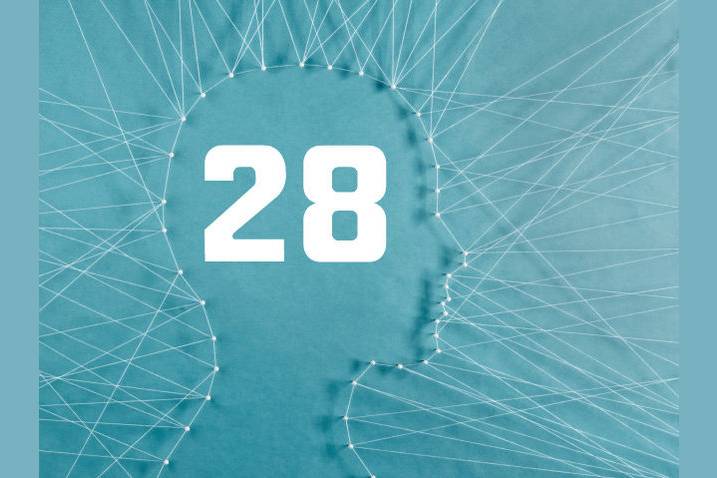










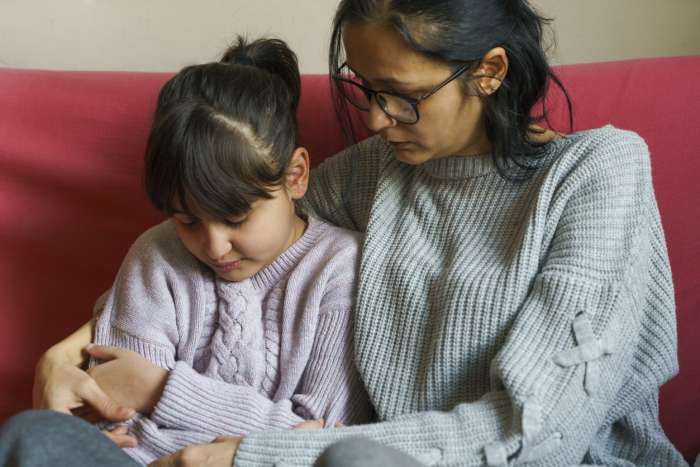


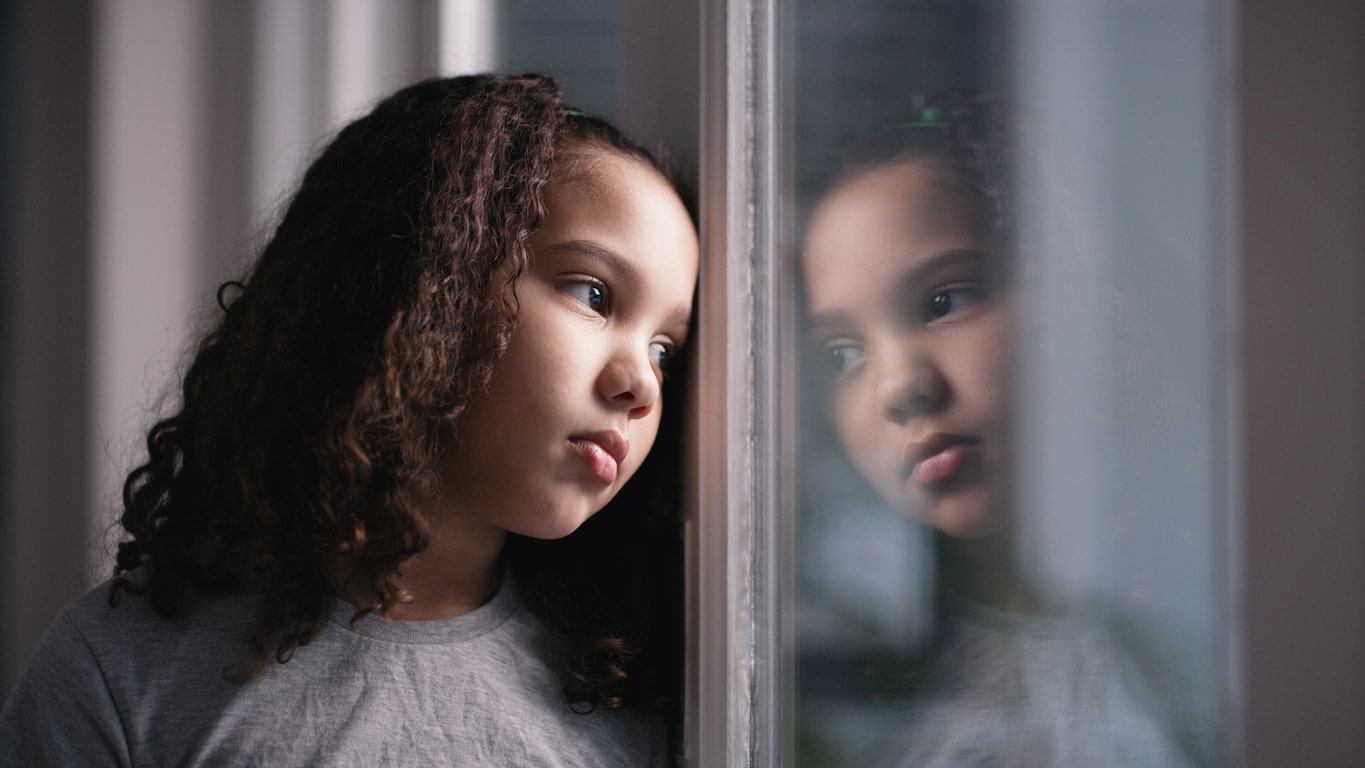

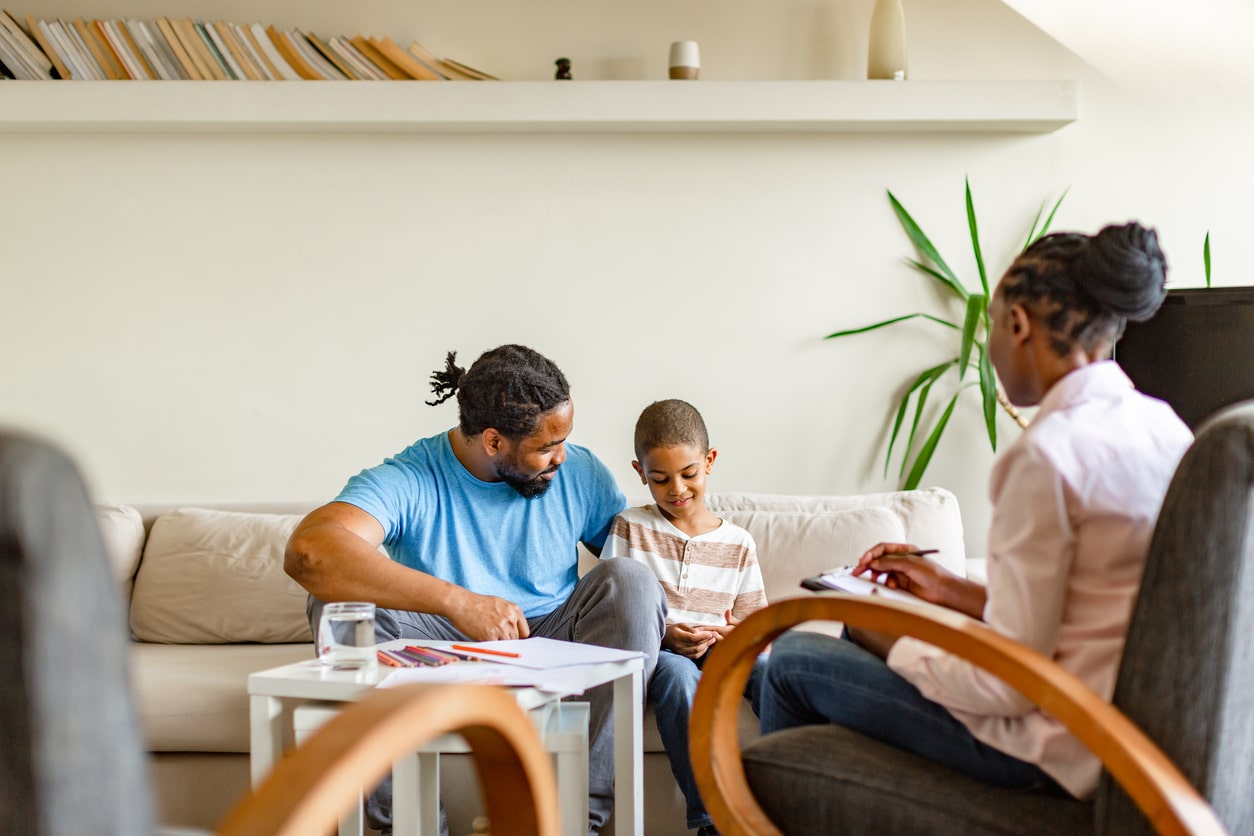



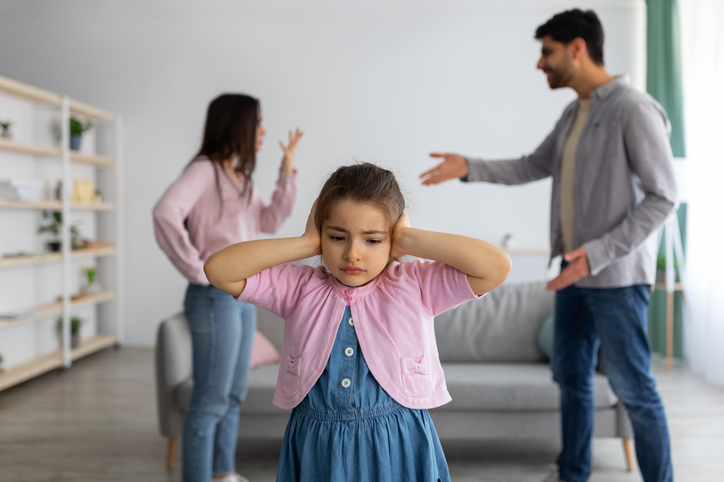
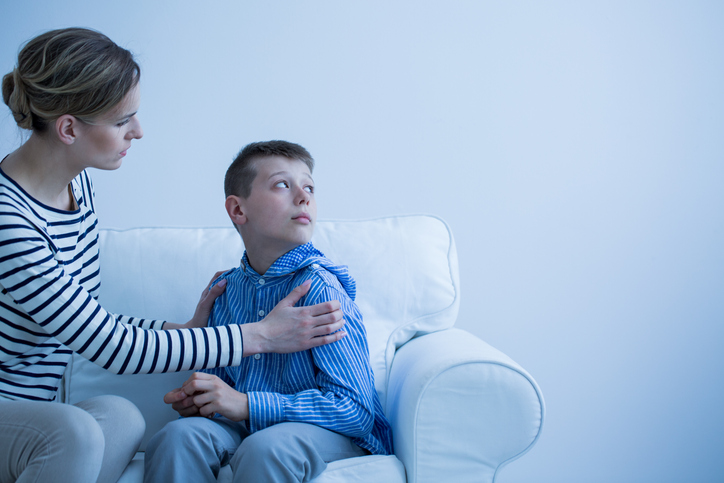

















 Site Title